Identify the routine that must fit
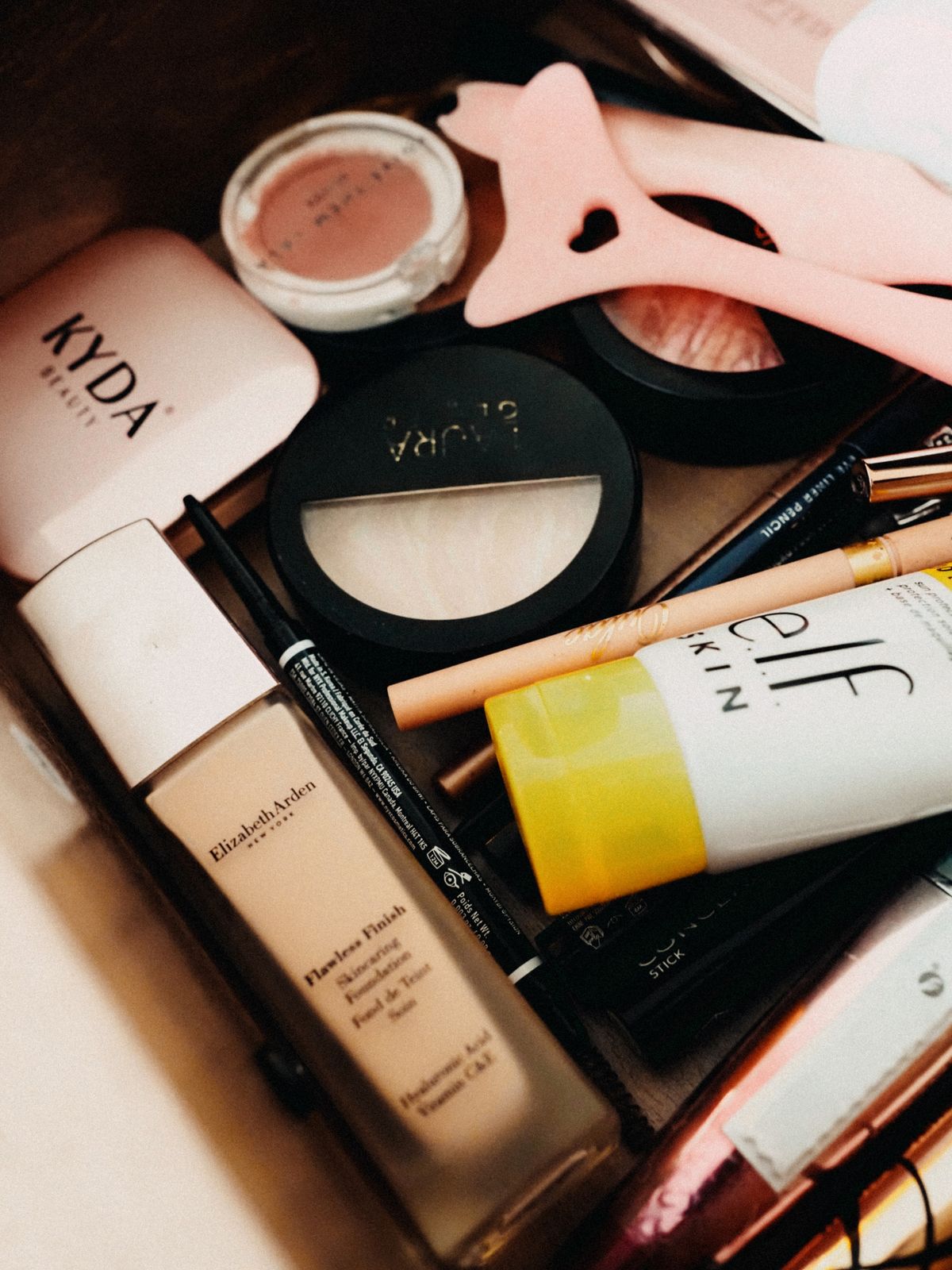
Lay the products you actually use in the morning and before bed on a towel. Include tools as well as bottles: brushes, combs and tweezers also need somewhere to go. This selection forms the everyday area. Weekly products can sit behind it or in another drawer, depending on the available depth.
Where several people share a bathroom, give each a container that is easy to lift out. The space need not be divided into identical measurements, but everyone should understand the agreed limit. Shared items, such as replacement soap, need a separate area so they do not disappear among personal belongings.
Check inside the furniture
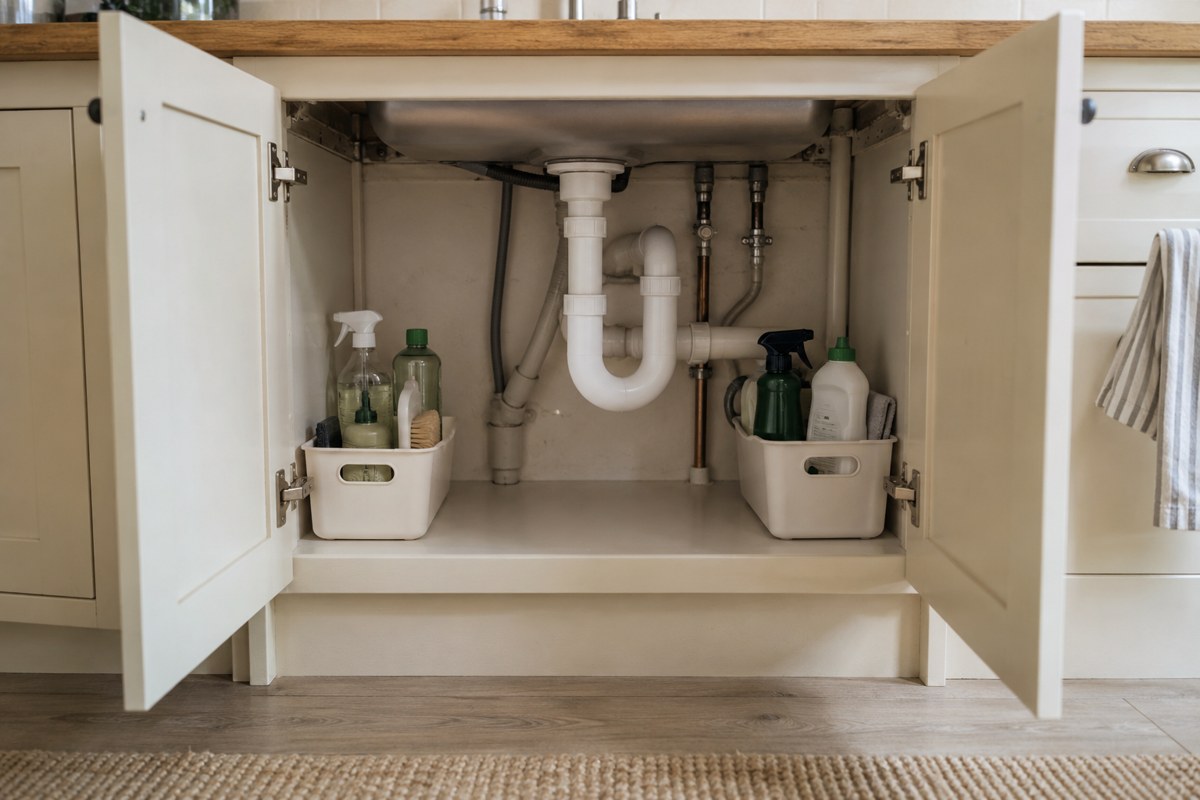
Measure the clearance with the drawer closed and notice whether the waste pipe occupies any of the space. A bottle that appears to fit may strike a pipe or the drawer above. Do not force containers into these awkward gaps, and keep closing mechanisms unobstructed.
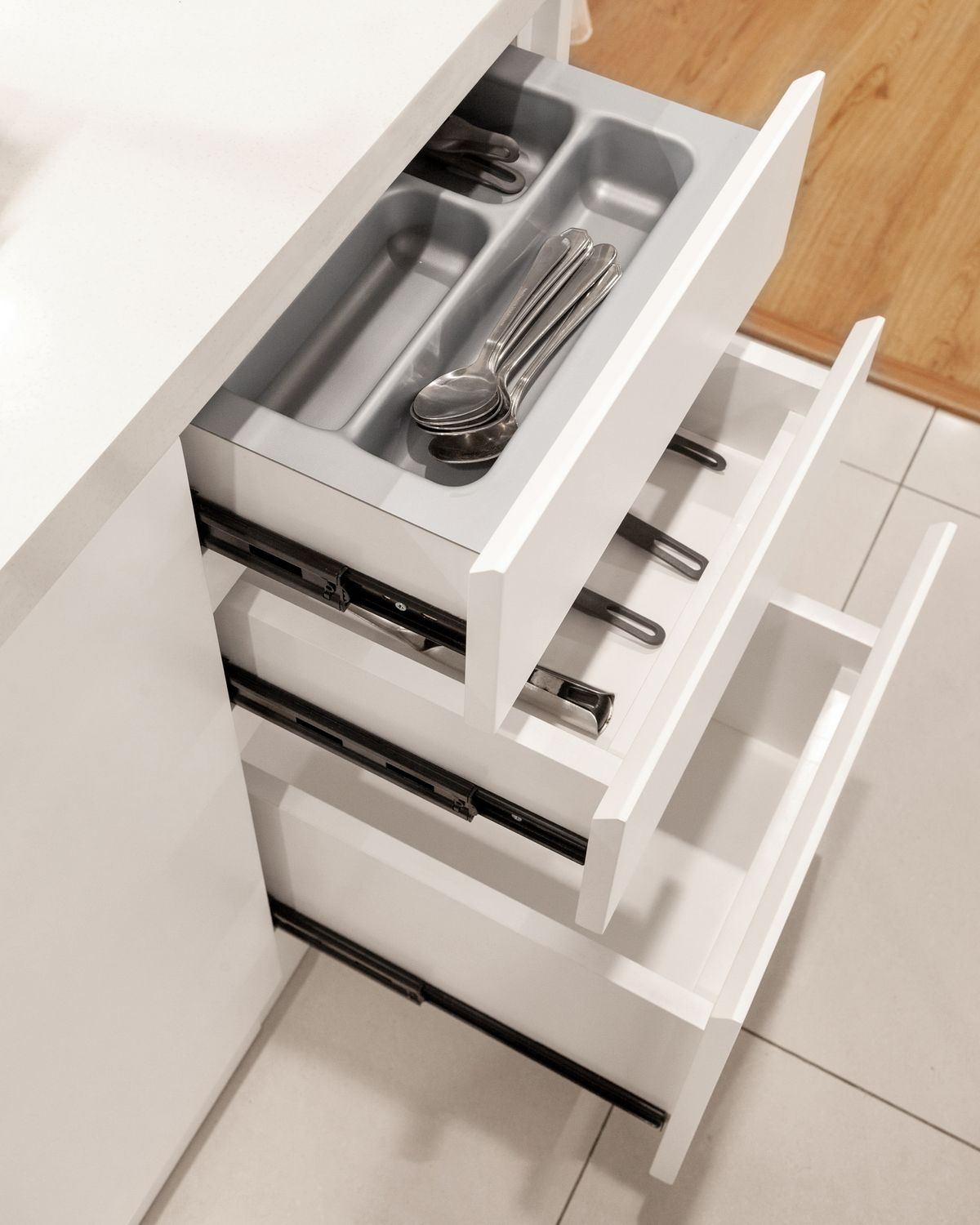
Washable dividers help contain small spills. Choose a few generous compartments rather than numerous tiny ones. An individual slot for every lipstick is not much help if sunscreen becomes impossible to find. Bases should sit securely and allow everything to be lifted out for cleaning beneath them.
Move spare products away from the front
Keep unopened replacements together and check that area before shopping. Retain labels, instructions and the manufacturer's dates or usage symbols. If you have forgotten the contents of an unlabelled bottle, do not keep using it on the assumption that it matches another similar-looking product.
Medicines need their own specified storage conditions and a secure location according to their packaging. Do not automatically assign them a damp bathroom drawer. Keep razors and other hazardous objects beyond children's reach as well. The easiest place for an adult to reach is not always the right place for every item.
Allow room for putting things back
Try the arrangement for a week. If something lands on the basin every day, its compartment may be too far away or too full. Enlarging the everyday area may work better than insisting on a division that nobody maintains.
Dry the interior after a spill and clean containers when replacing products. A visible drawer that empties easily helps you notice excess supplies before the reserve area becomes another jumbled drawer.