Small spaces
Making a narrow hallway work
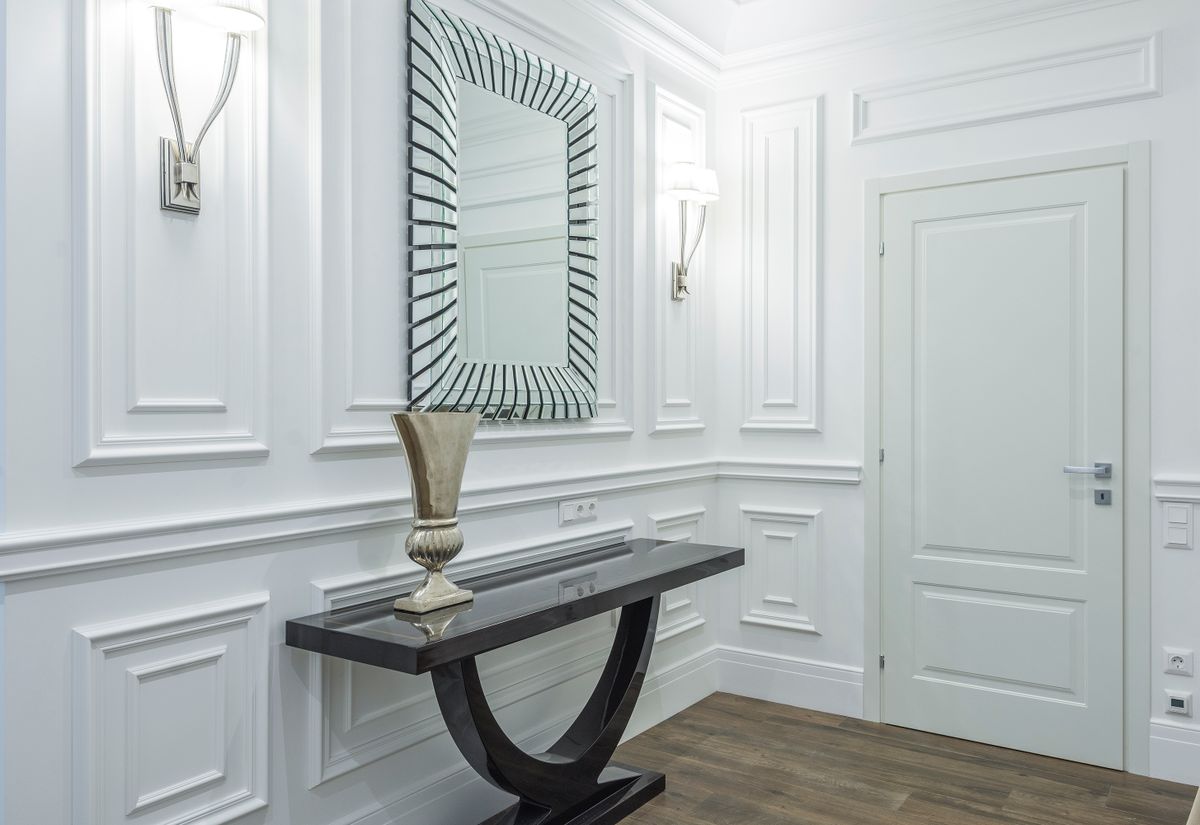
In a narrow hallway, gaining storage does not always mean gaining comfort. The first aim is a clear route, including when you carry a bag or open a side door.
Hogarissimo / Small spaces
Thoughtful ideas to help you make practical decisions and use what you have.
Small spaces
In a narrow hallway, gaining storage does not always mean gaining comfort. The first aim is a clear route, including when you carry a bag or open a side door.
Small spaces
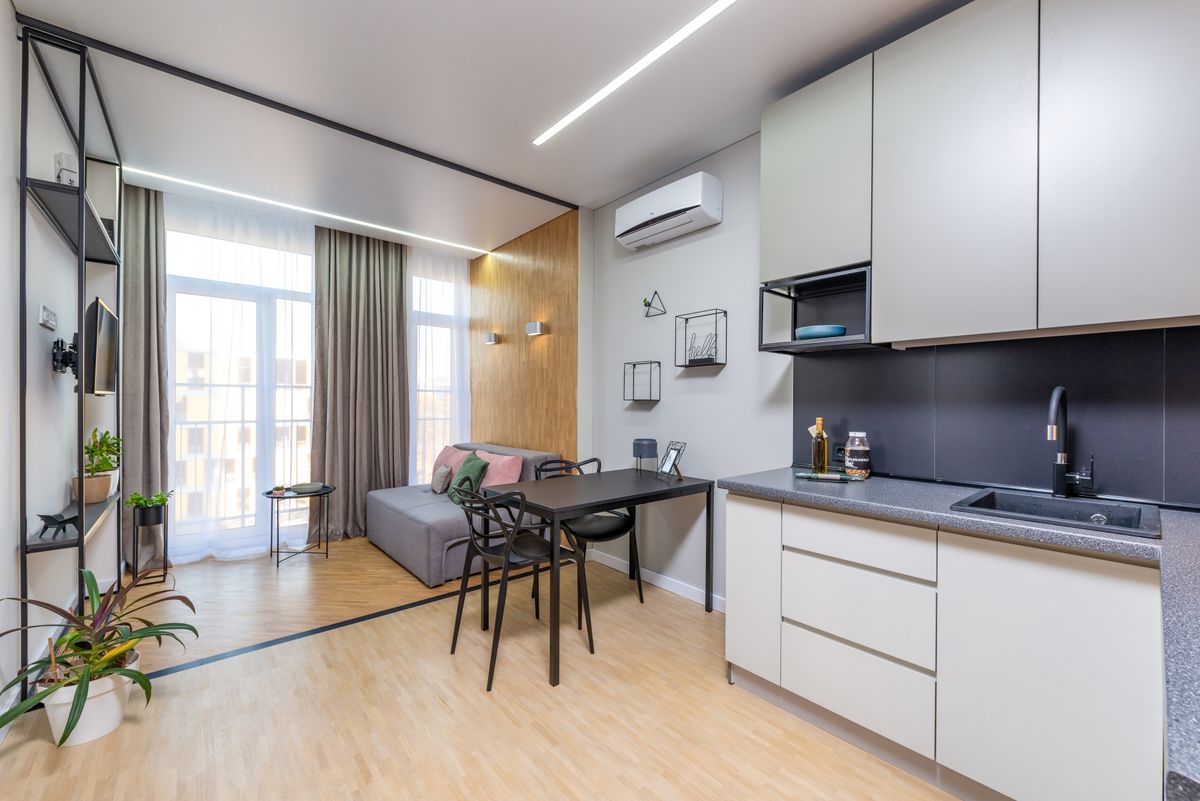
A studio can have recognisable places for sleeping, eating and relaxing without becoming a collection of dark compartments. Define the activities before shopping for screens or divider shelving.
Small spaces
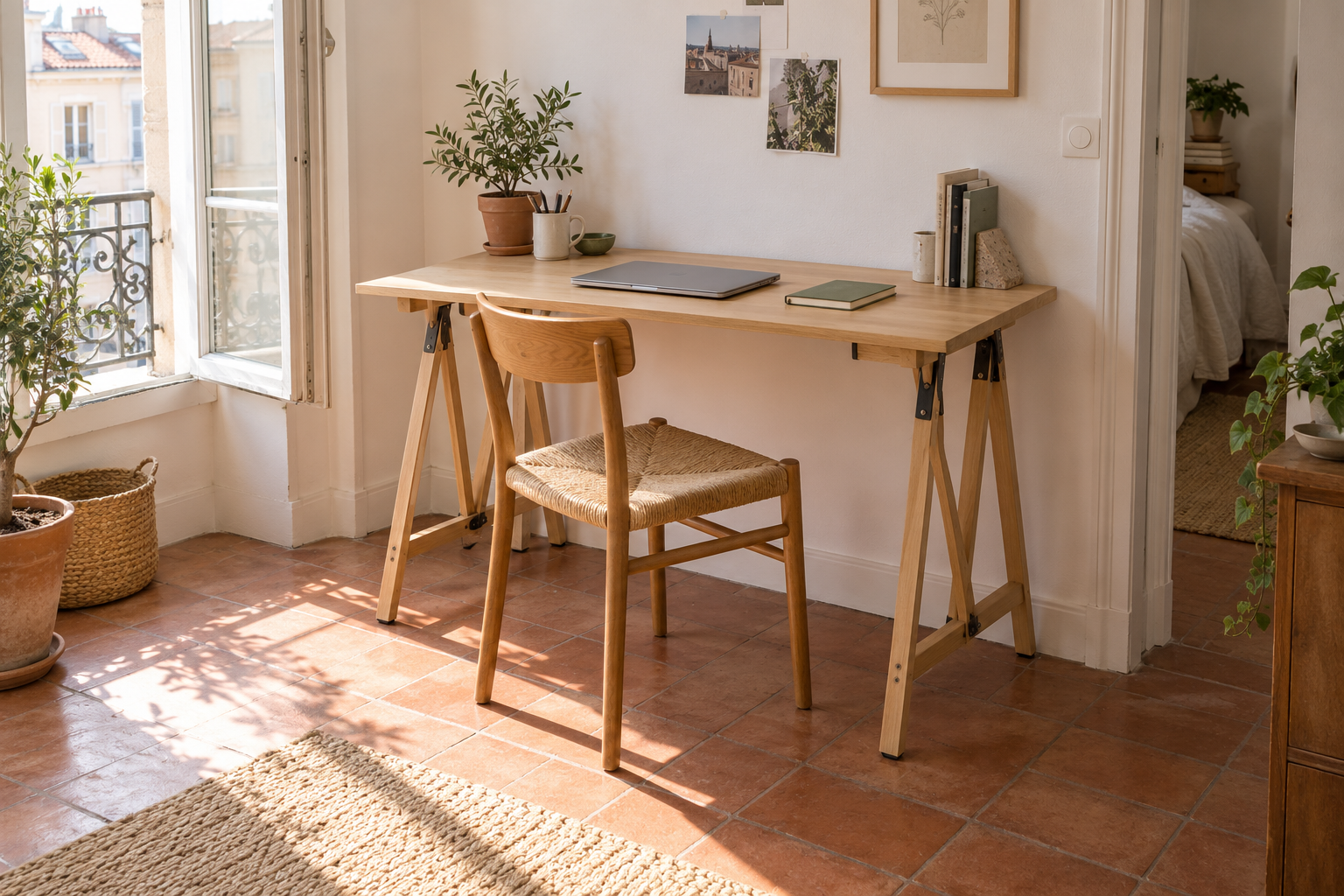
A folding desk saves space when closed, but it needs assessing while open. Allow for the chair, work materials and the act of putting it away, as well as suitable support.
Small spaces
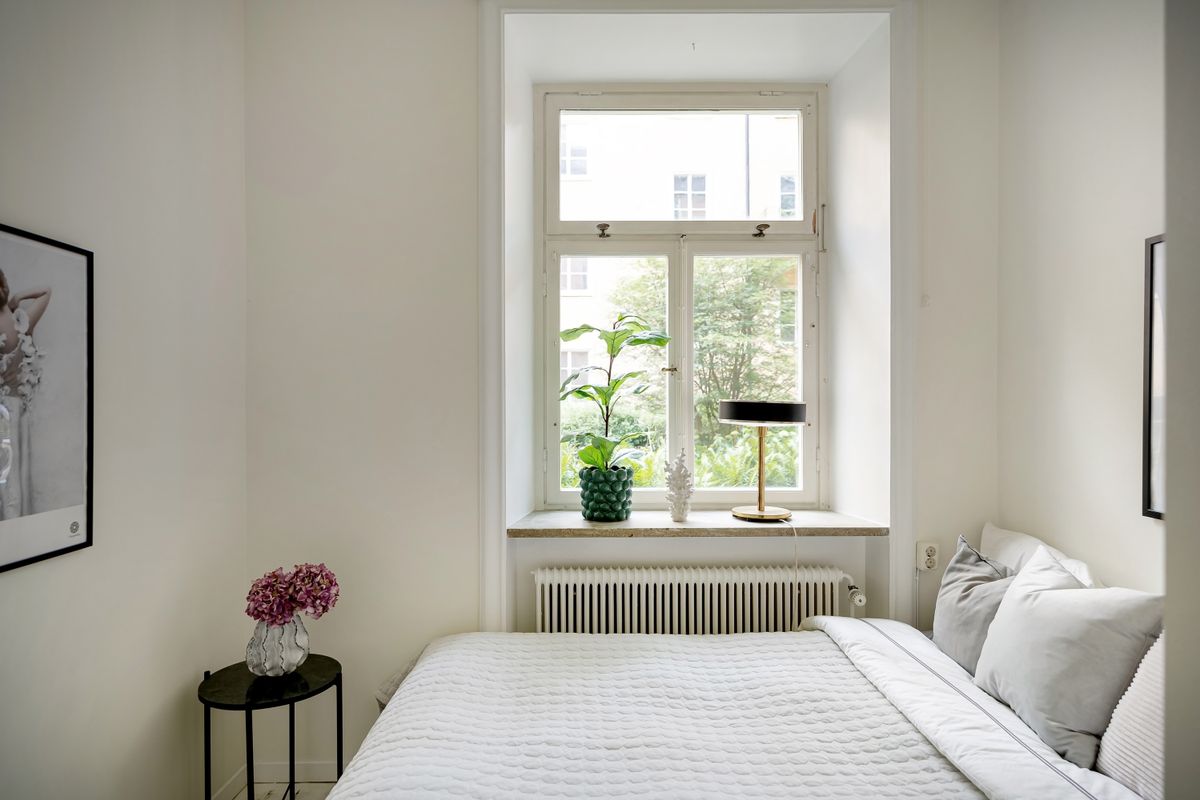
In a small bedroom, the bed usually determines almost everything else. Choosing by mattress width alone, without the whole frame, can leave less access than expected.
Small spaces
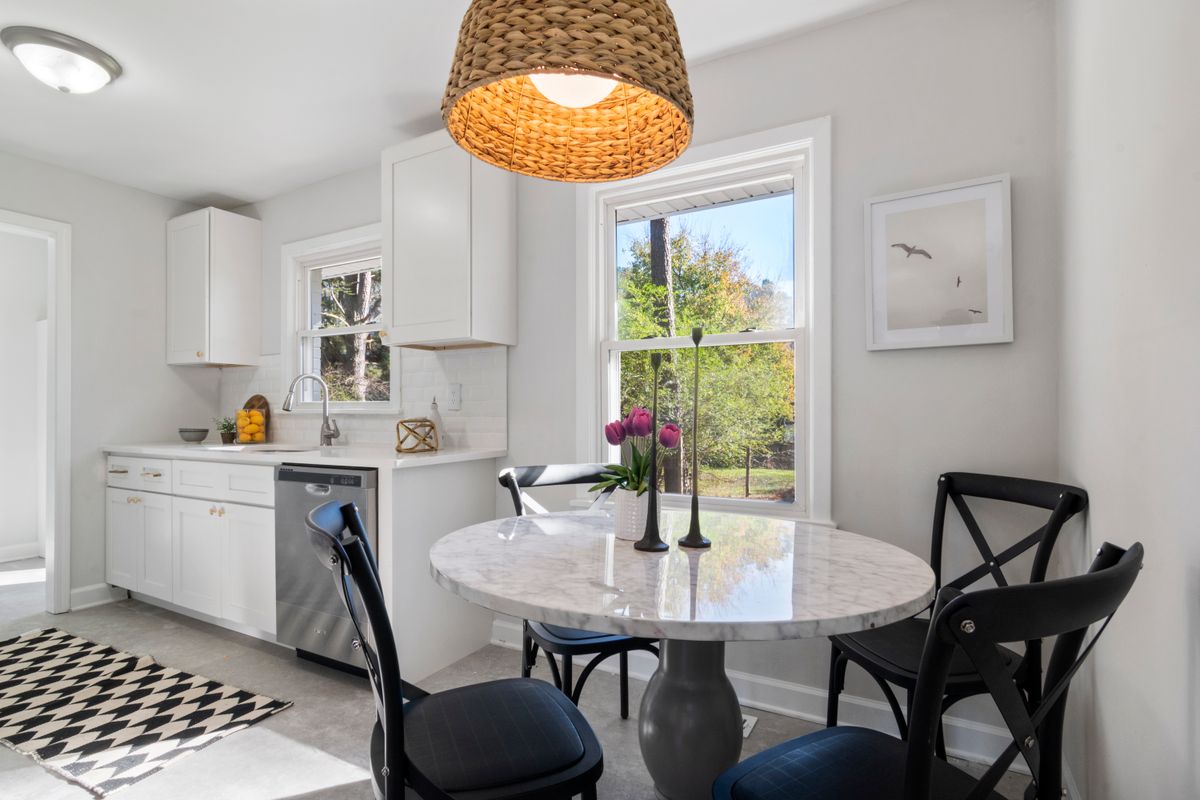
Eating in a small kitchen can be comfortable when the table does not compete with every drawer. Decide how many people normally use it and what must remain operational during a meal.
Small spaces
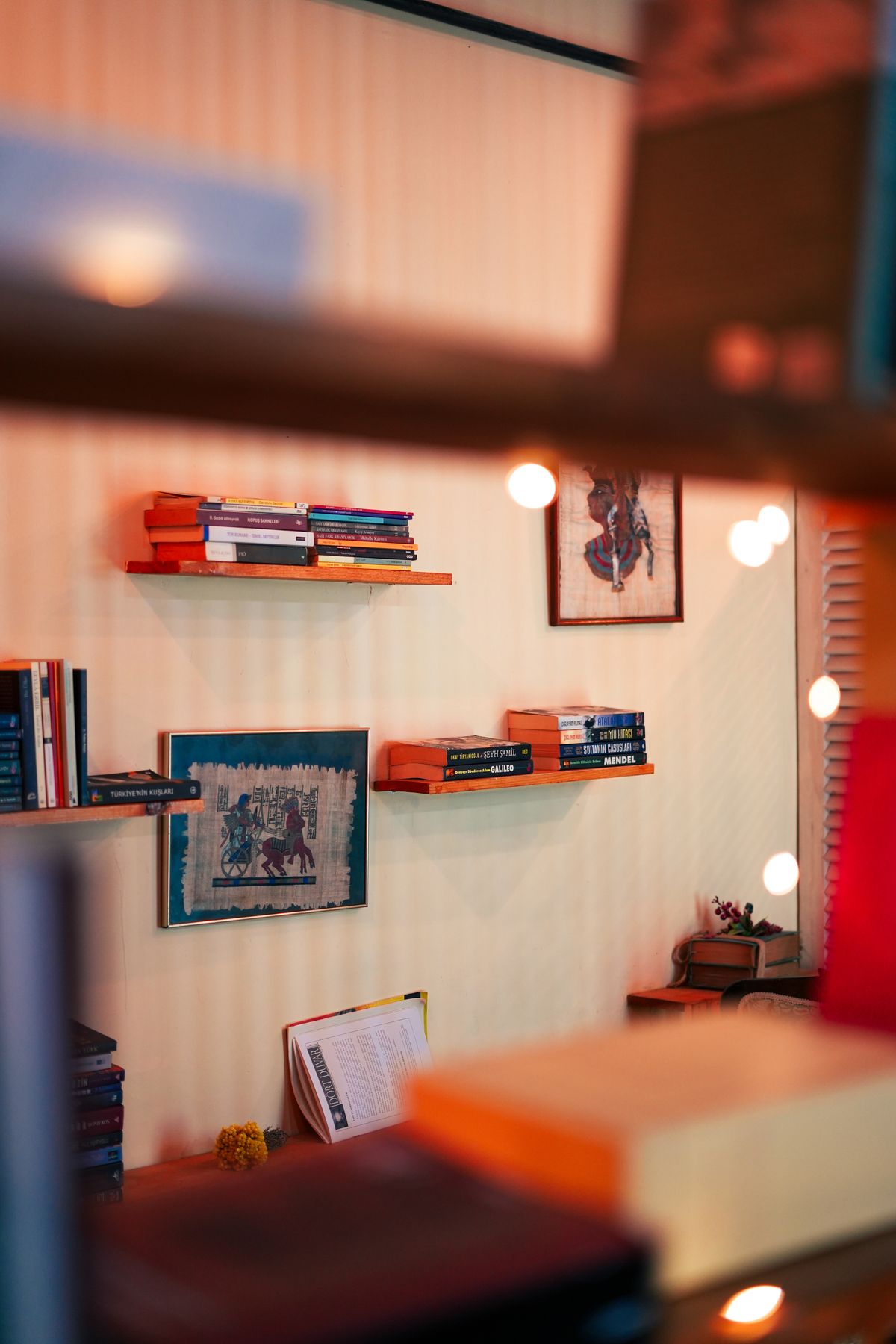
Using height can free floor space, but the gain is useful only when you can access it without improvising. Frequency of use and weight should determine what belongs on each shelf.
Small spaces
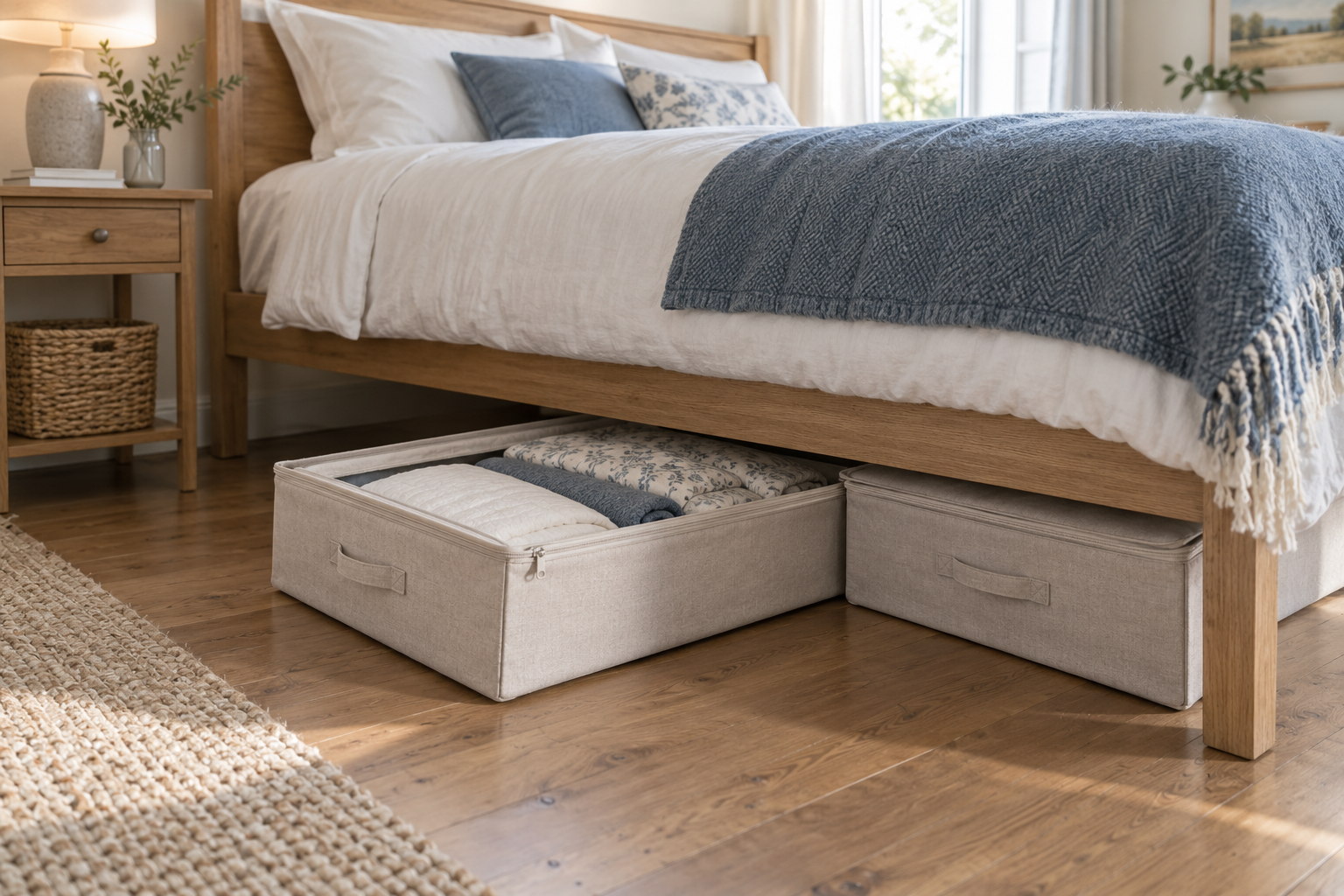
The space beneath a bed can hold plenty, but it can also collect dust and forgotten belongings. It works best with a defined purpose and containers that pull out easily.
Small spaces
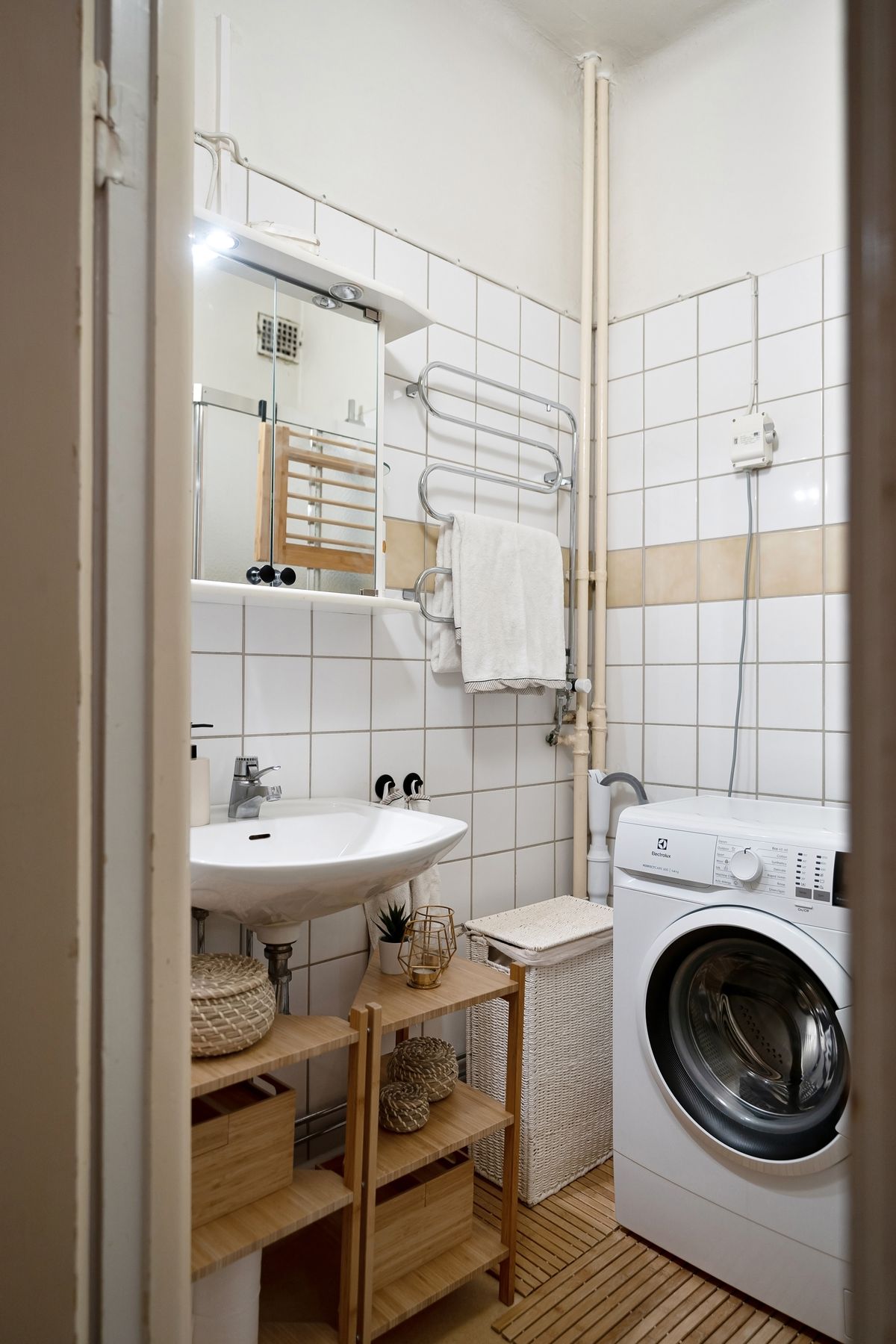
A compact bathroom can improve substantially when daily products are separated from reserves. Before adding a tall cabinet or trolley, check what occupies the surfaces and what genuinely needs to stay close.
Small spaces
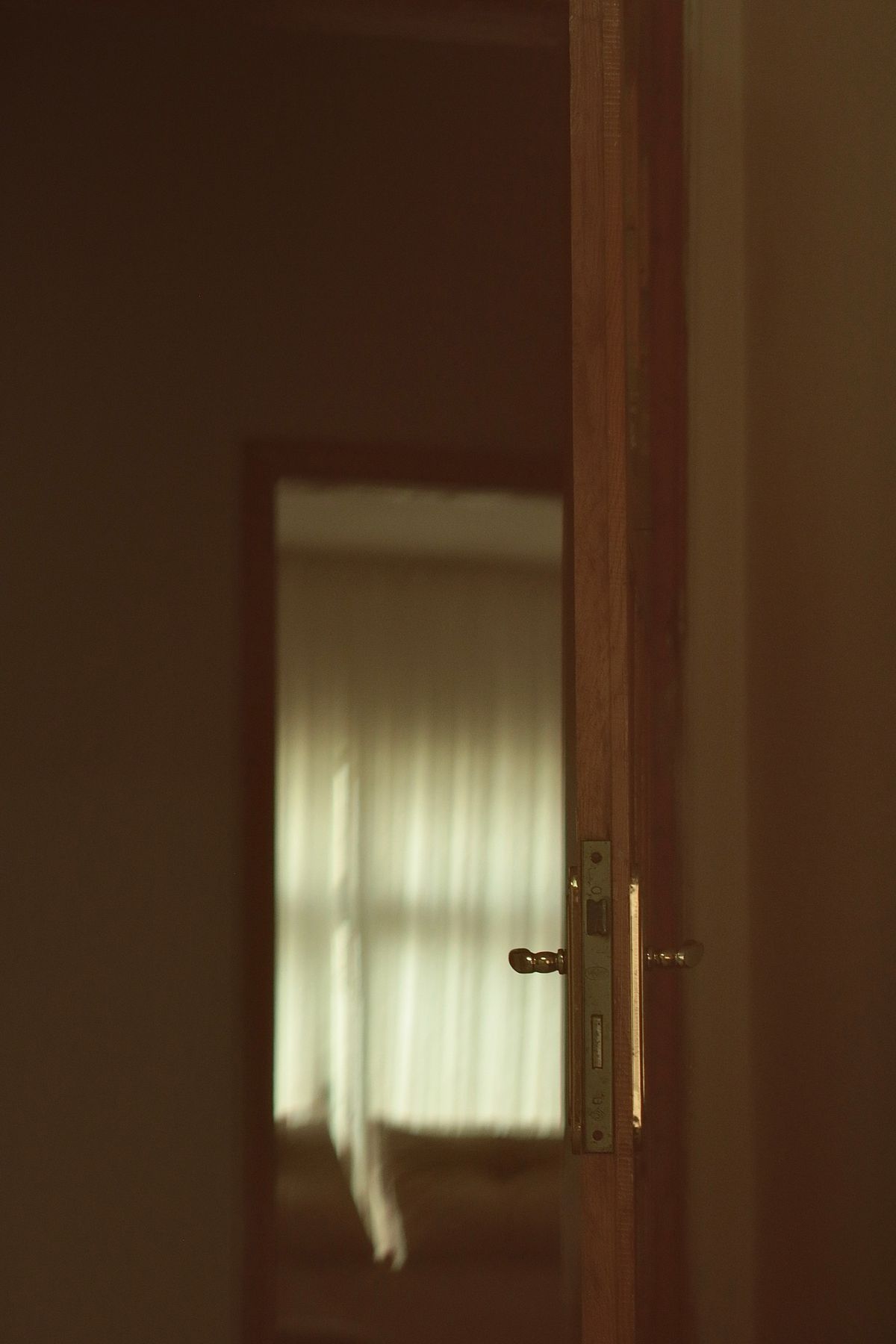
Doors occupy space even when a floor plan represents them with a single line. Before buying furniture, measure their full movement and the actions that happen around them.
Small spaces
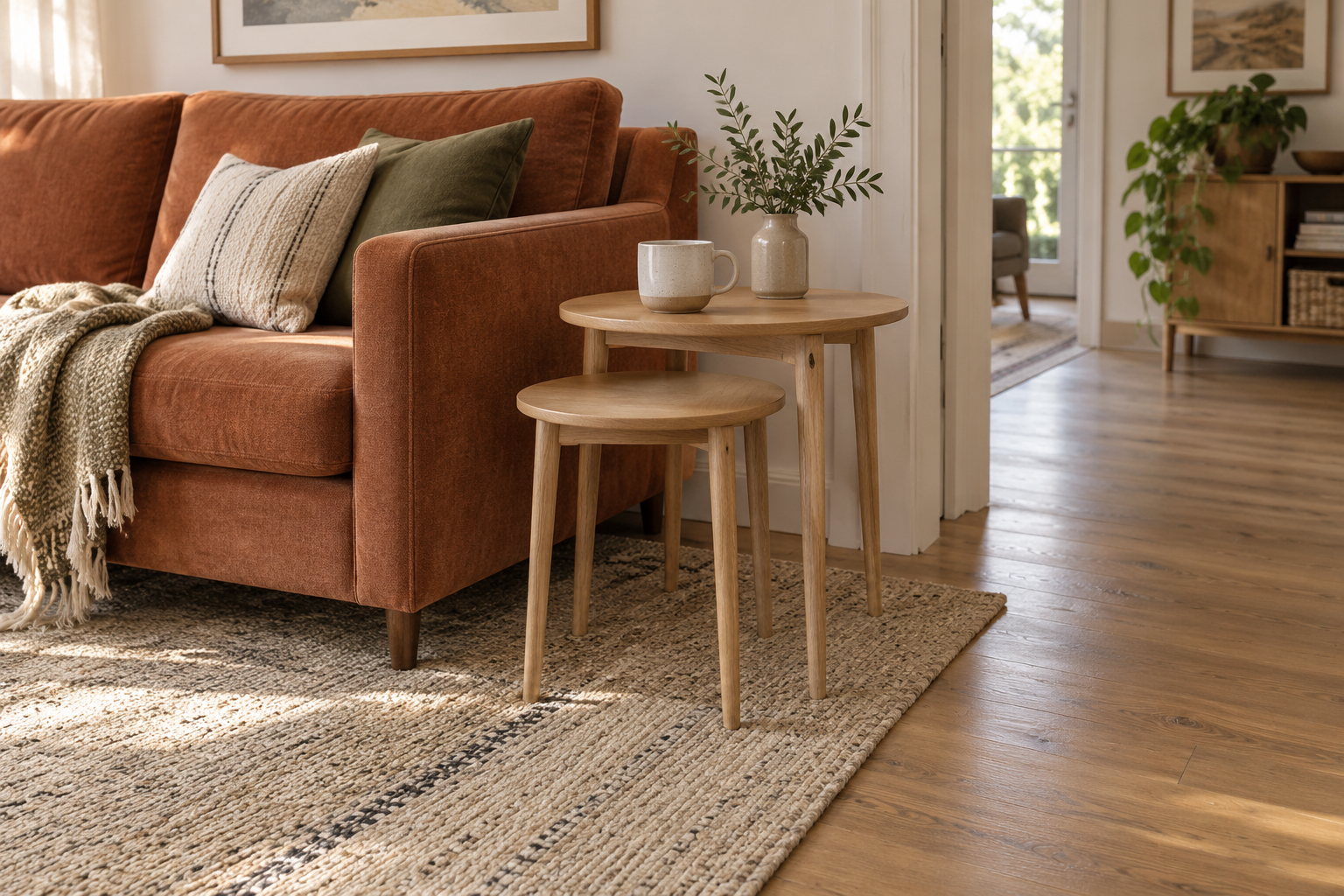
Nesting tables let you distribute useful surfaces and gather them again afterwards. Their value depends on easy movement and whether you genuinely use them in more than one position.
Small spaces
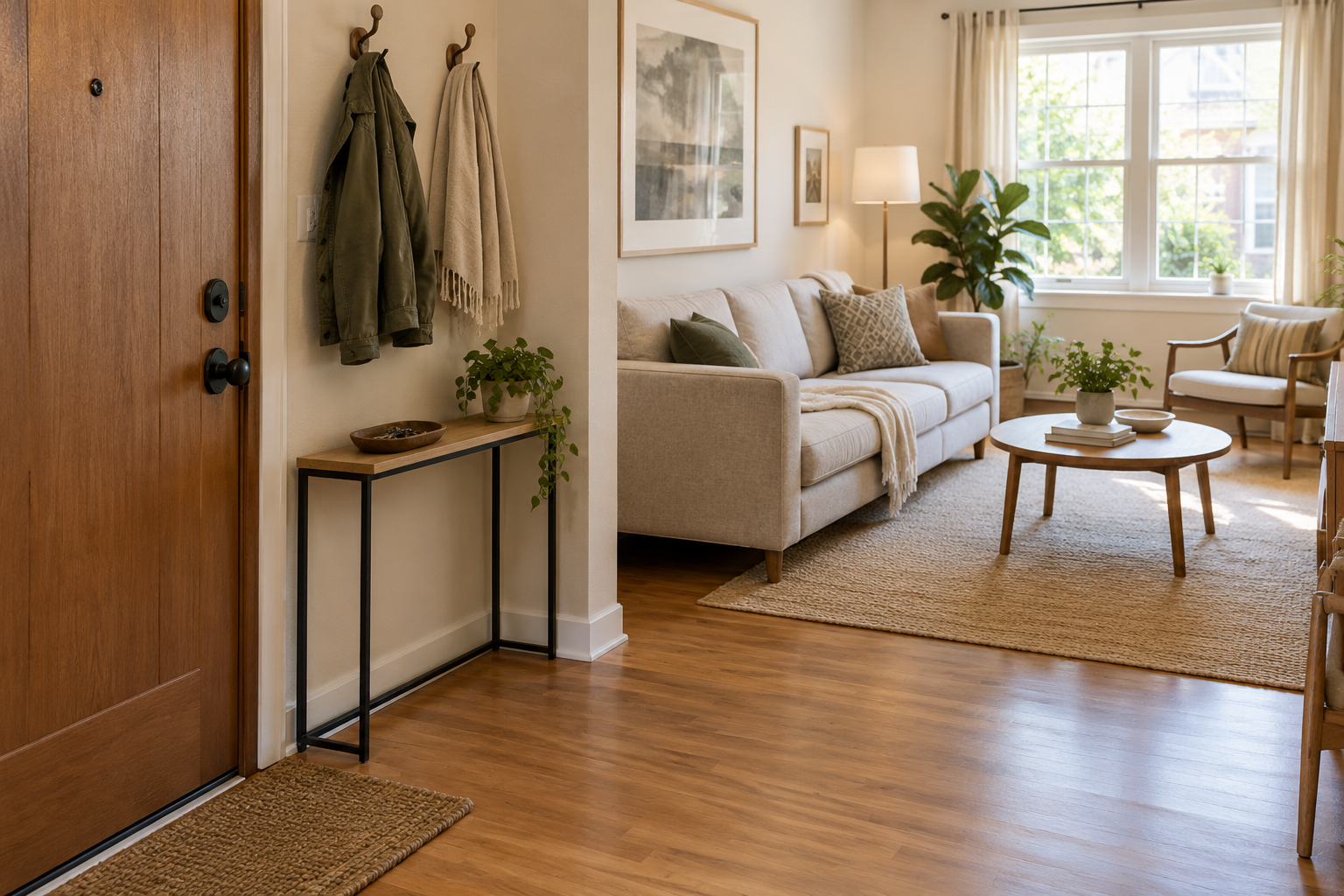
When the front door opens straight into the living room, a few deliberate choices can define an entrance. You do not need to construct a complete hallway inside a room with other jobs.
Small spaces
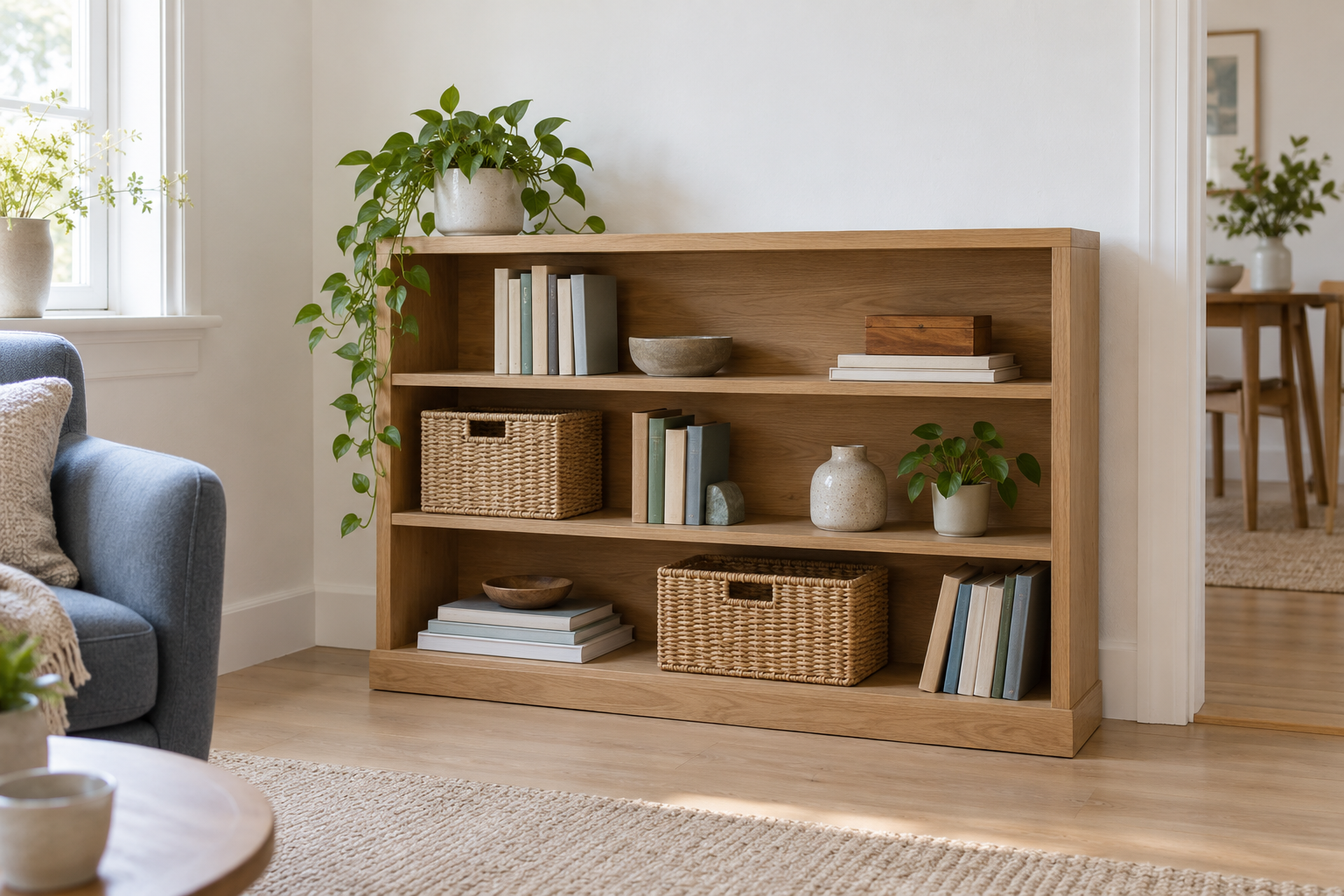
Adding storage in a rented home starts with understanding which installations are permitted. A no-drill solution is only suitable when it also meets load and stability requirements.
Small spaces
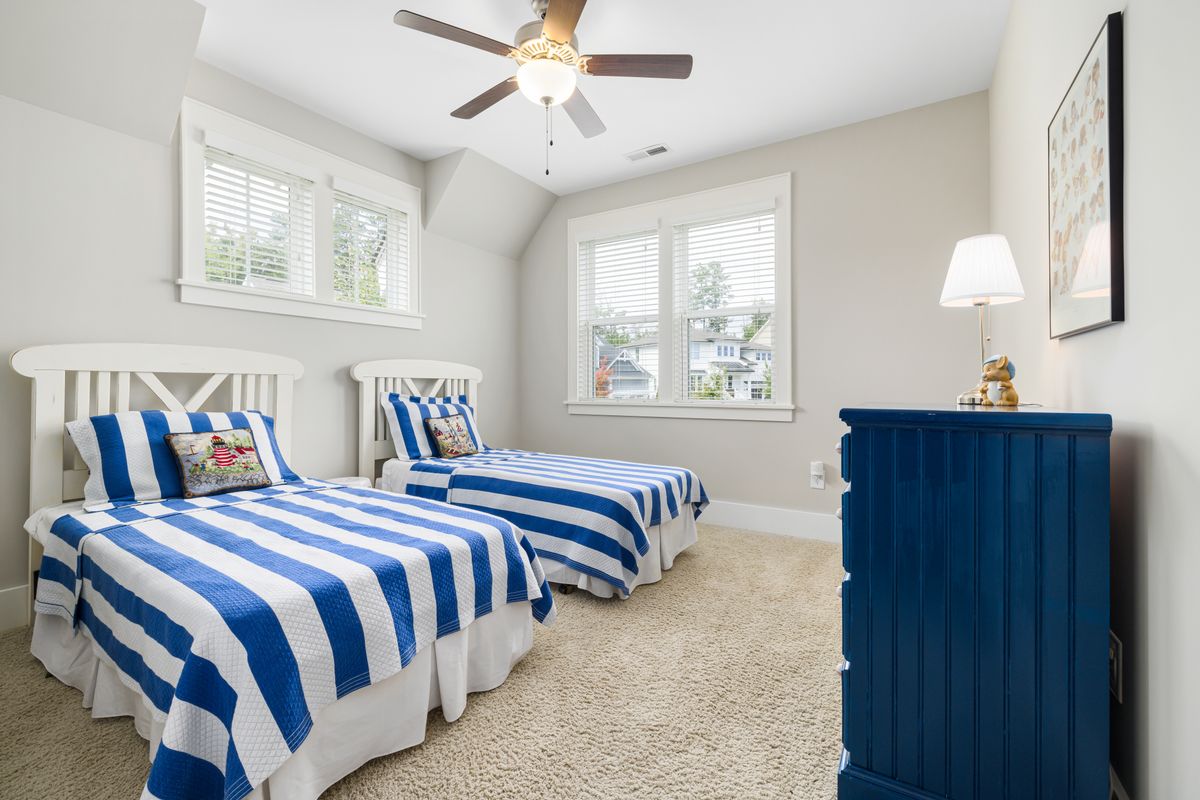
Sharing a bedroom does not require two identical halves. Allocate space around routines, ages and storage needs while keeping access and safety central to the arrangement.
Small spaces
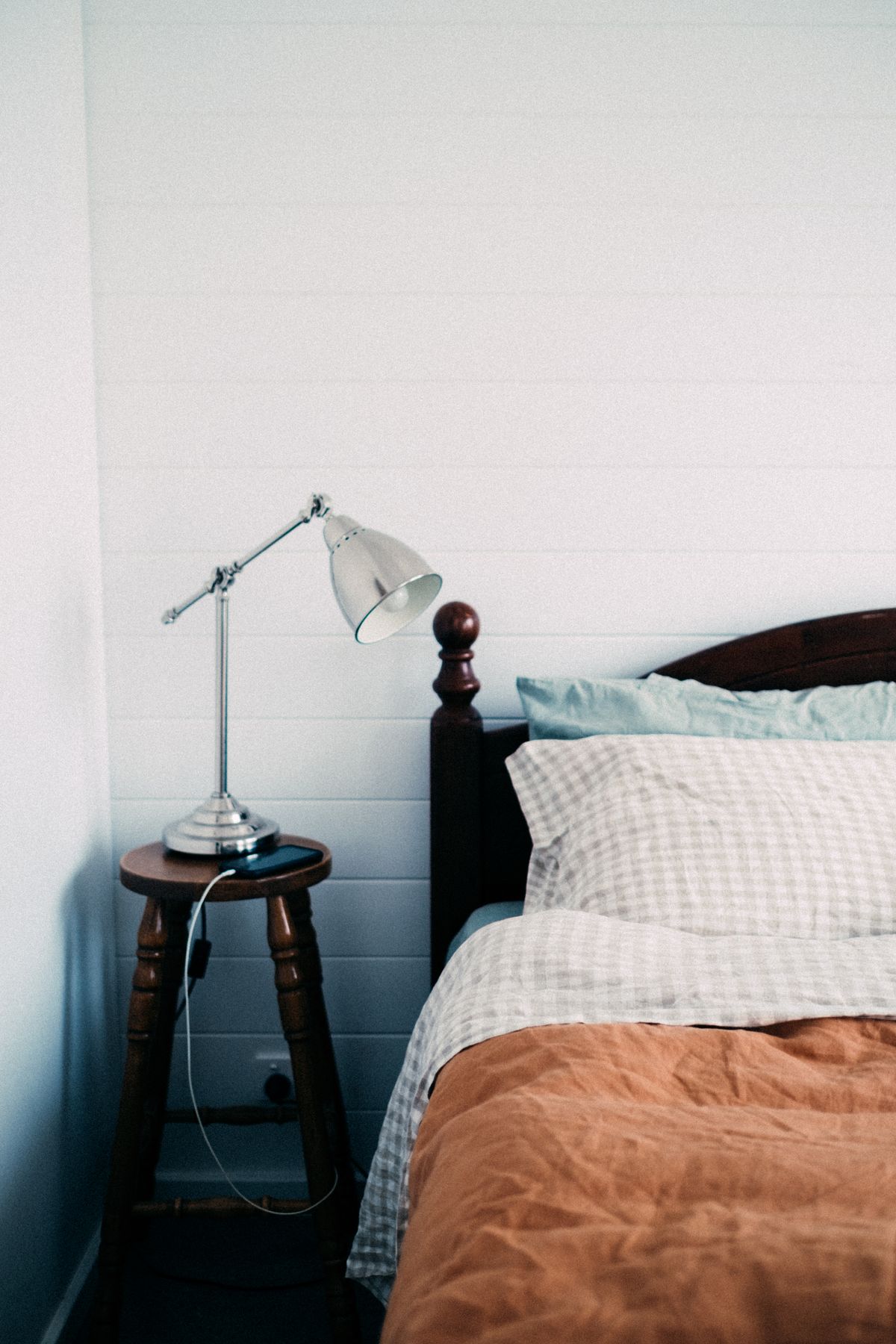
A large bedside table is optional, but a comfortable place for bedside essentials is not. Test alternatives against the mattress height and the room’s actual use.
Small spaces
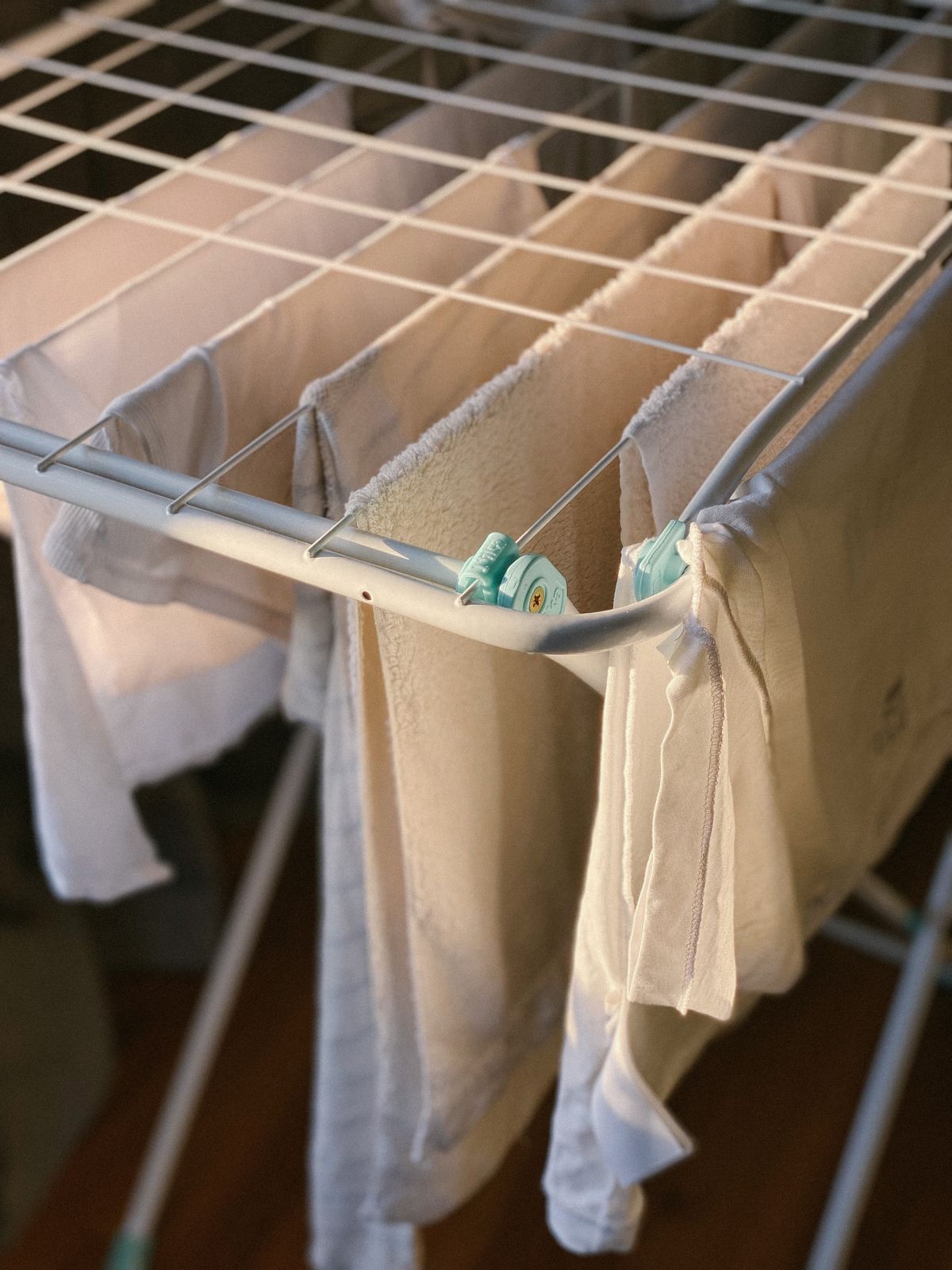
Drying laundry in a small home means planning for air and time, not simply finding a gap for an airer. A load that stays damp too long may occupy the room for days.
Small spaces
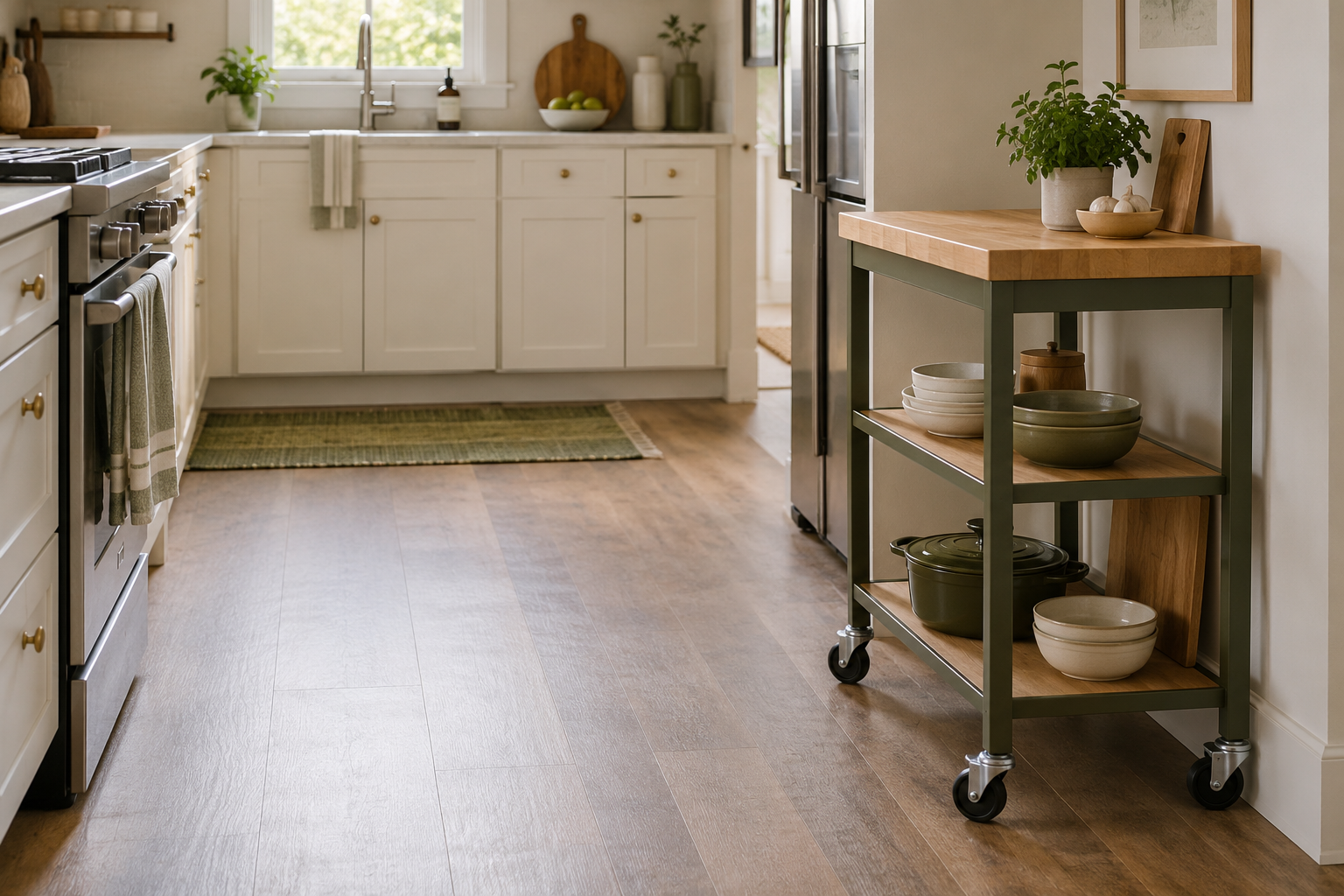
A kitchen trolley can bring tools close to the work area and move away afterwards. To be useful, it needs a parking place and a route that does not interfere with the kitchen.
Small spaces
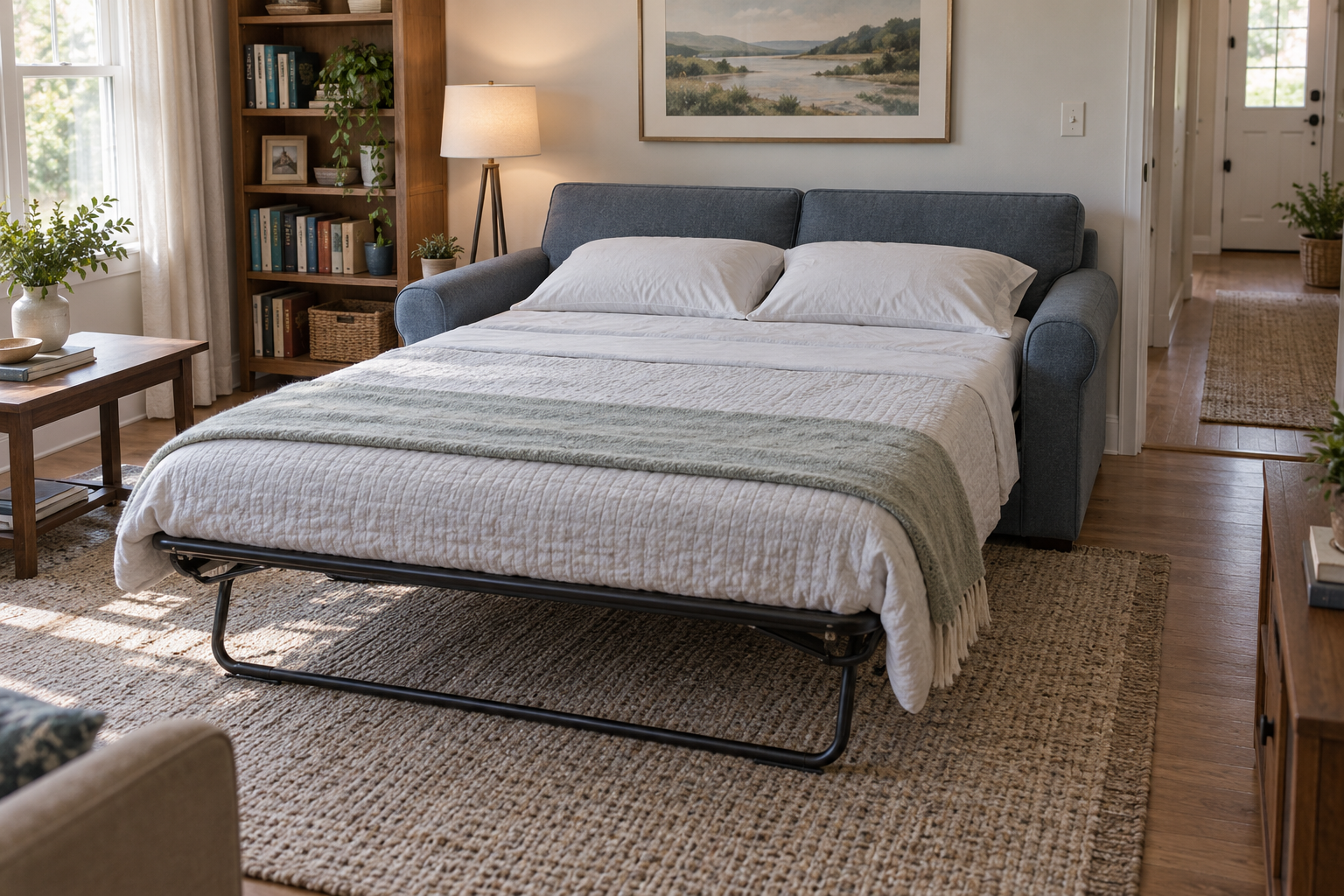
A bed for occasional visitors needs to work on the night it is used and disappear sensibly afterwards. Consider both situations before buying a sofa bed or an additional mattress.
Small spaces
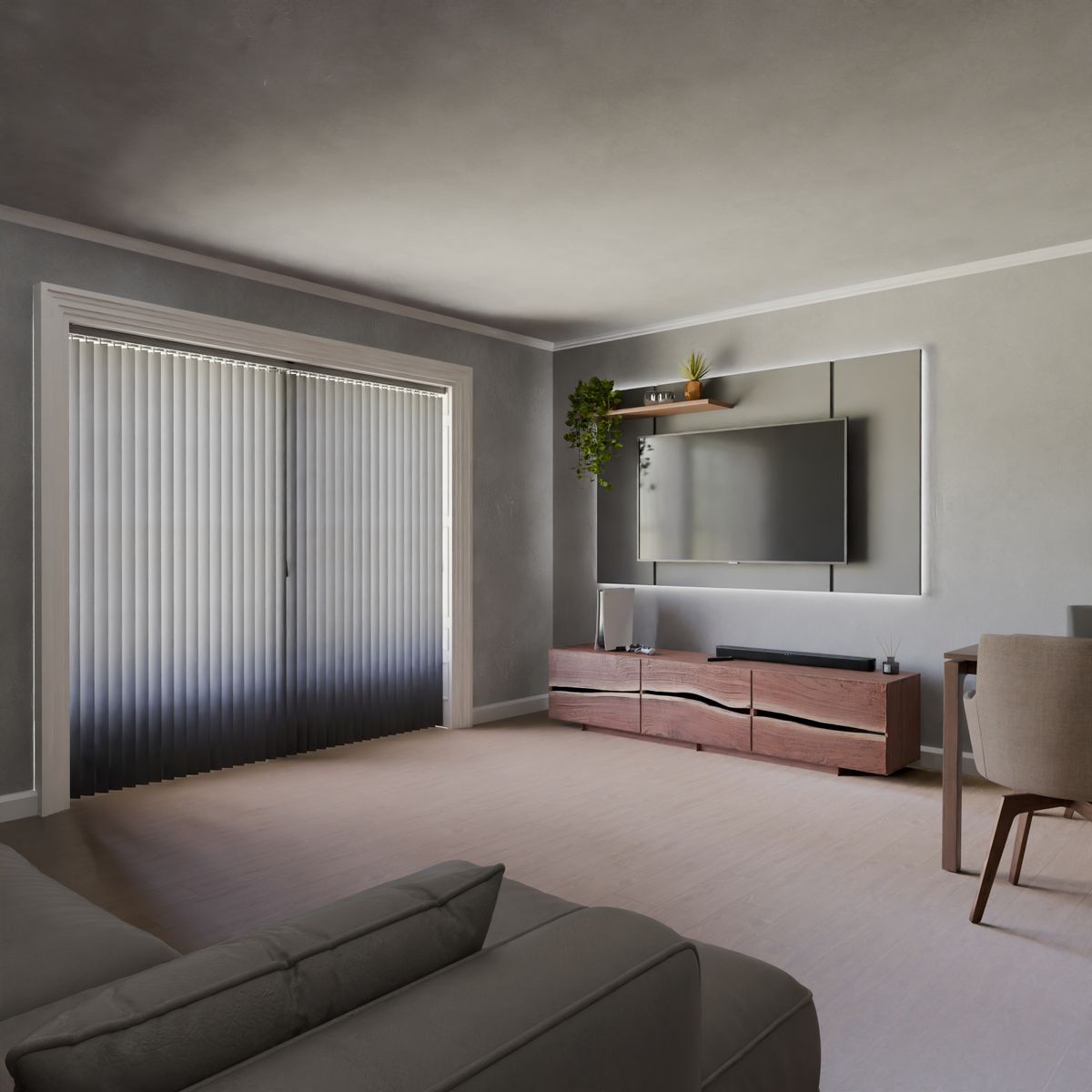
A room can feel crowded without containing too much furniture. Scattered objects, cables and surfaces without a clear purpose often make it difficult for the eye to settle.
Small spaces
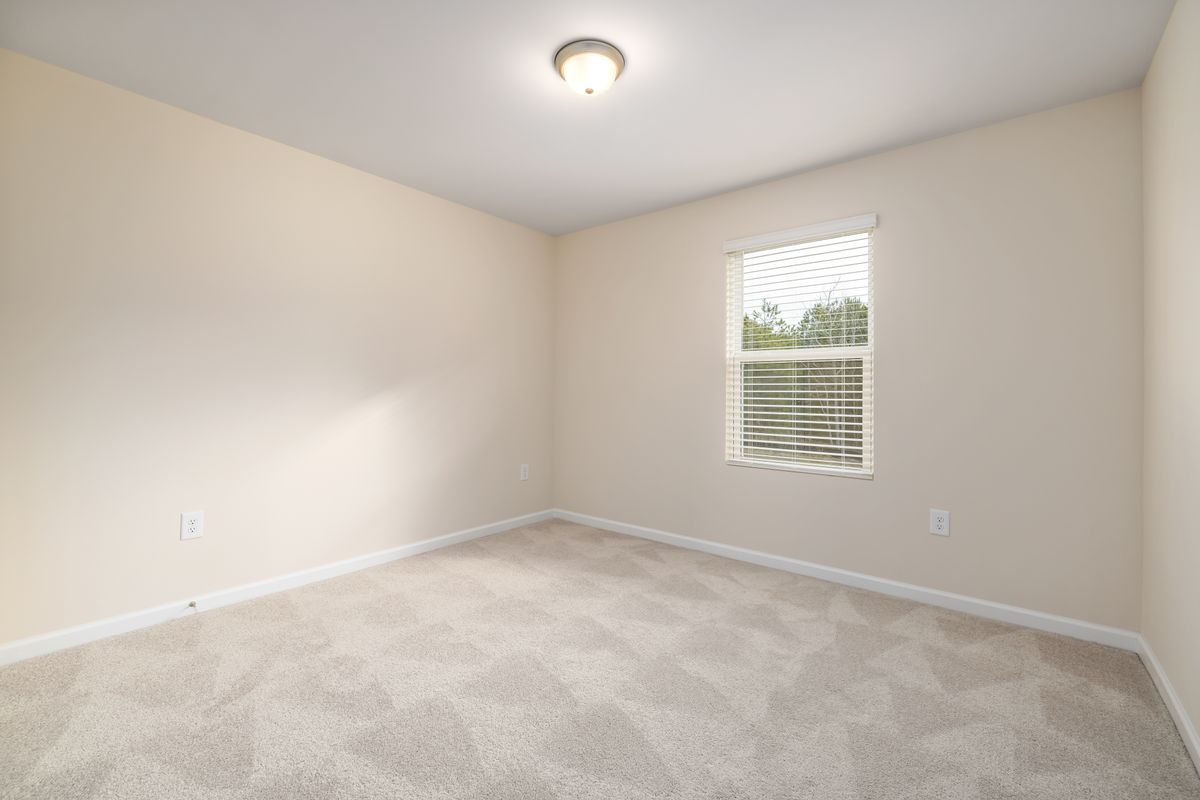
In a small room, the window often competes with storage space. Keeping it clear helps the opening remain usable and prevents a temporary arrangement from becoming a permanent obstacle.
Small spaces
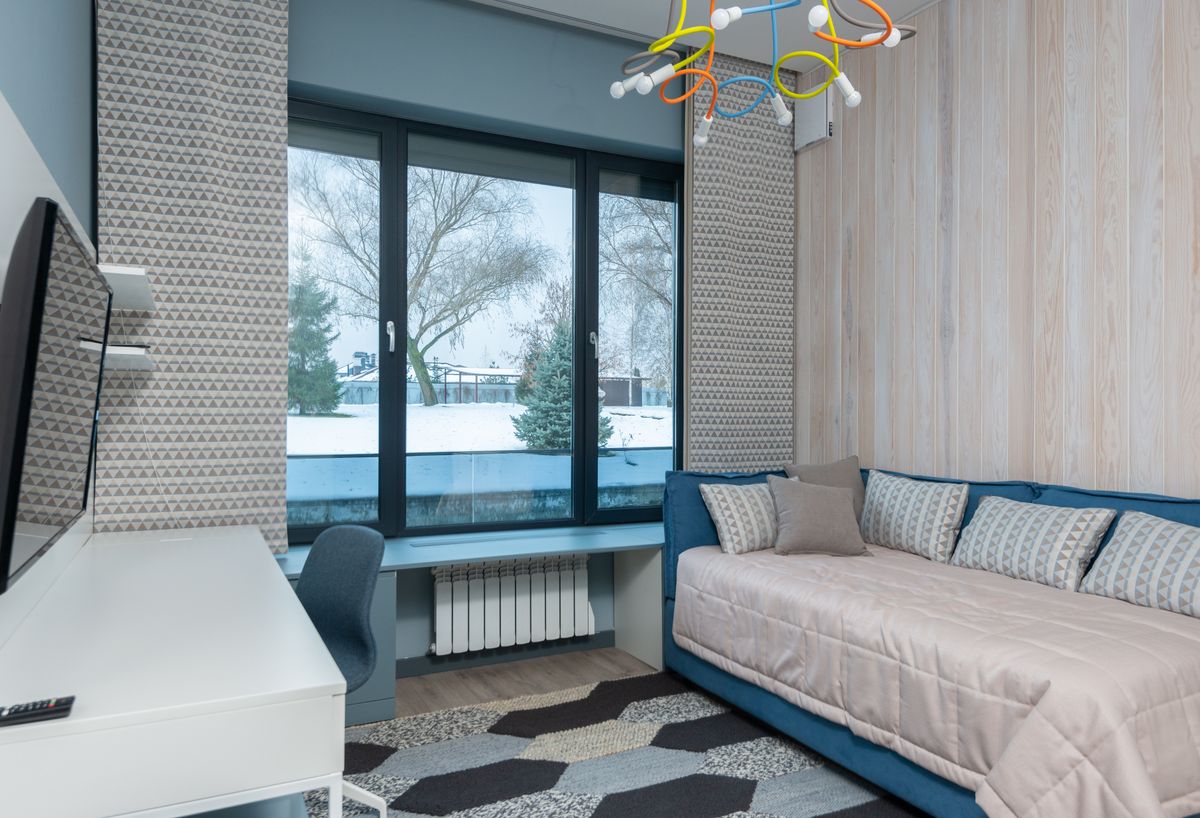
One room can support work, relaxation and visiting guests when changing activities does not require dismantling everything. Design the transitions as carefully as the furniture layout.
Small spaces
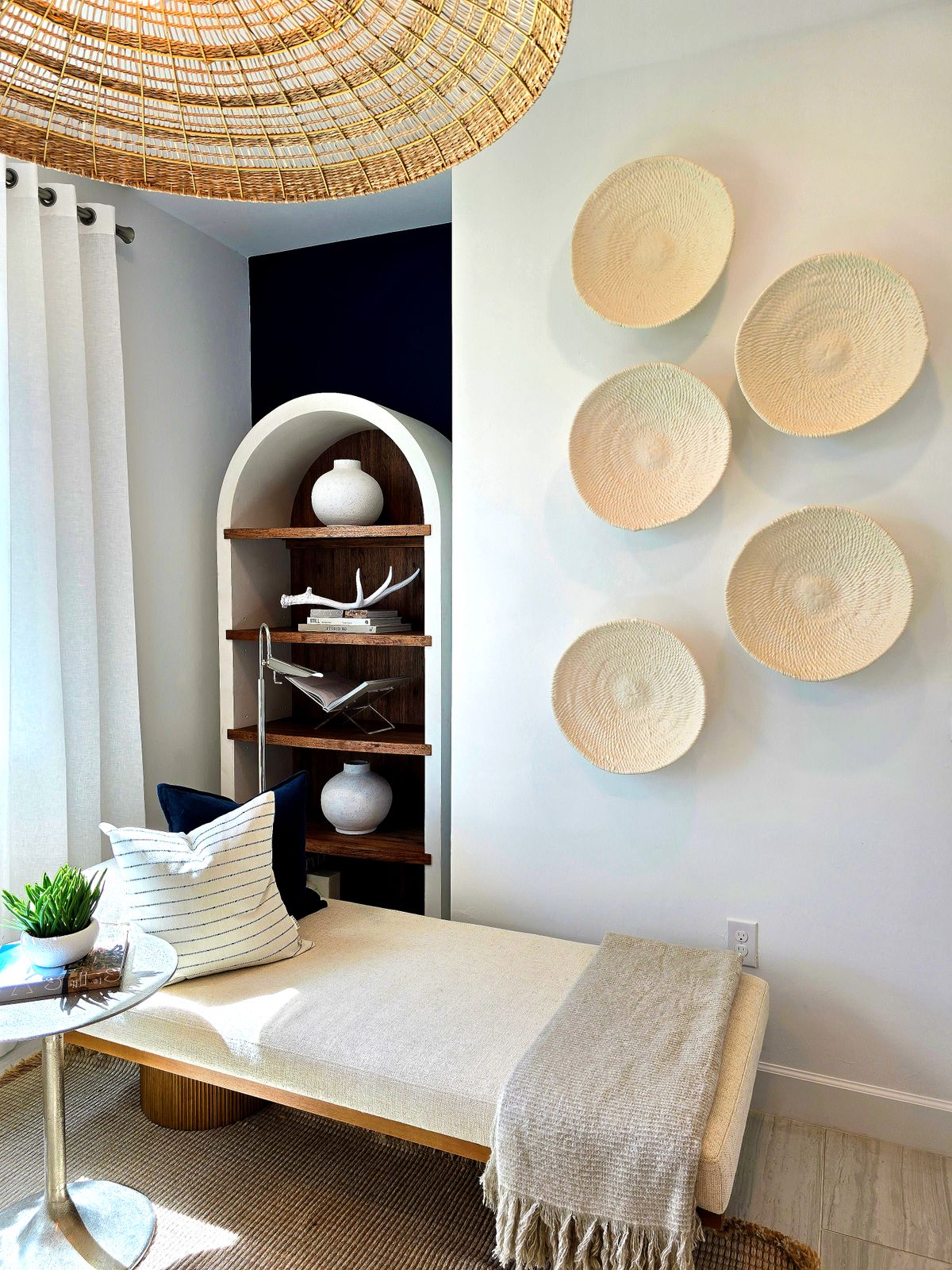
In a small living room, counting seats is not enough. Consider how people sit, which routes cross the room and how much space the arms and backs occupy.
Small spaces
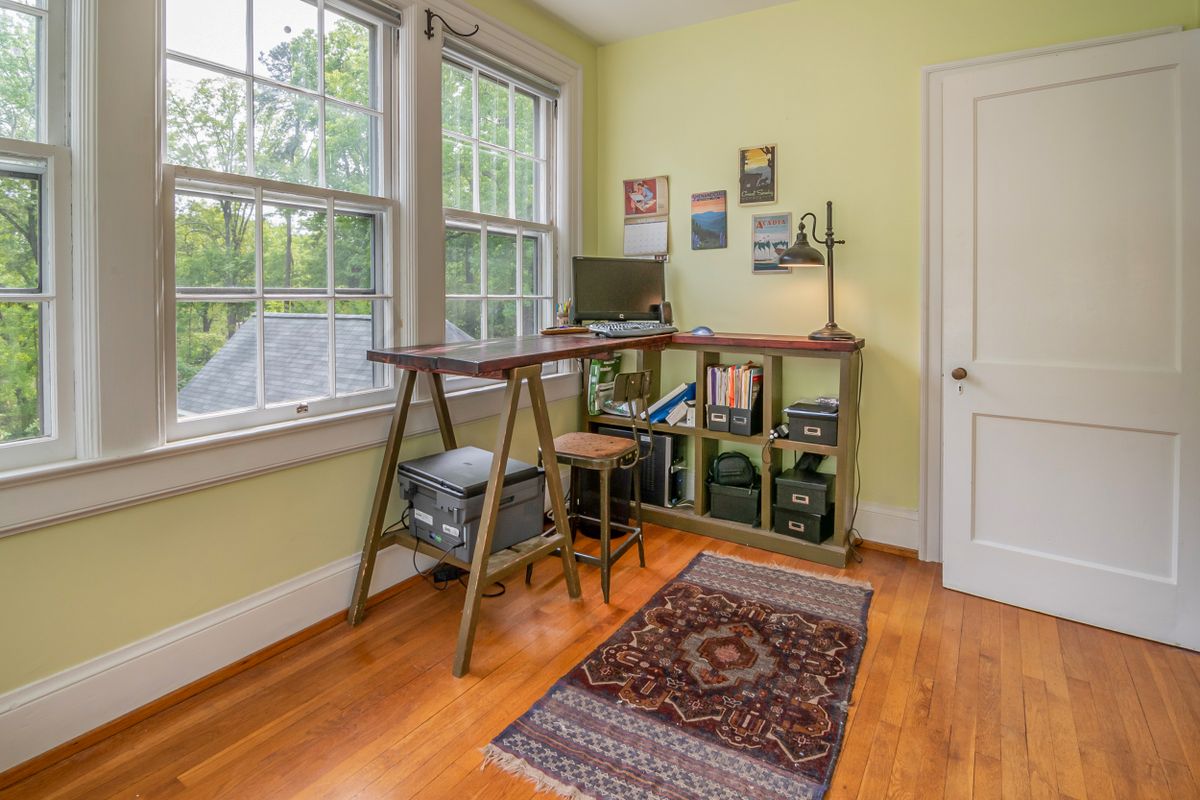
A corner can hold a useful desk if it lets you face your work and move the chair. Making use of an awkward space should not require working twisted between two walls.
Small spaces
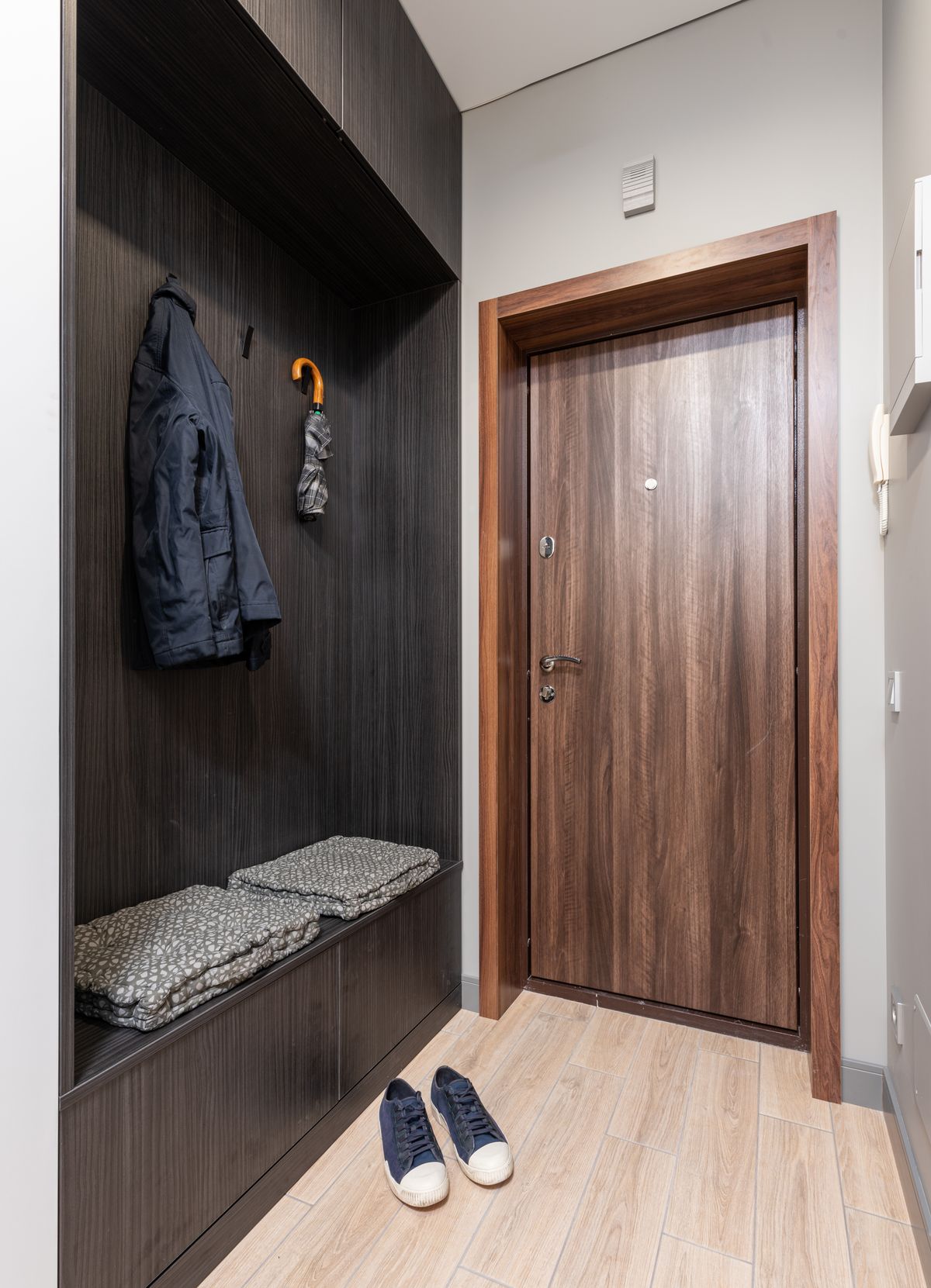
A storage bench can provide both a seat and somewhere for belongings, but it needs room for both functions. Inspect the opening method before deciding a narrow piece will fit your entrance.