Decorating
Arrange a living room around the way you move
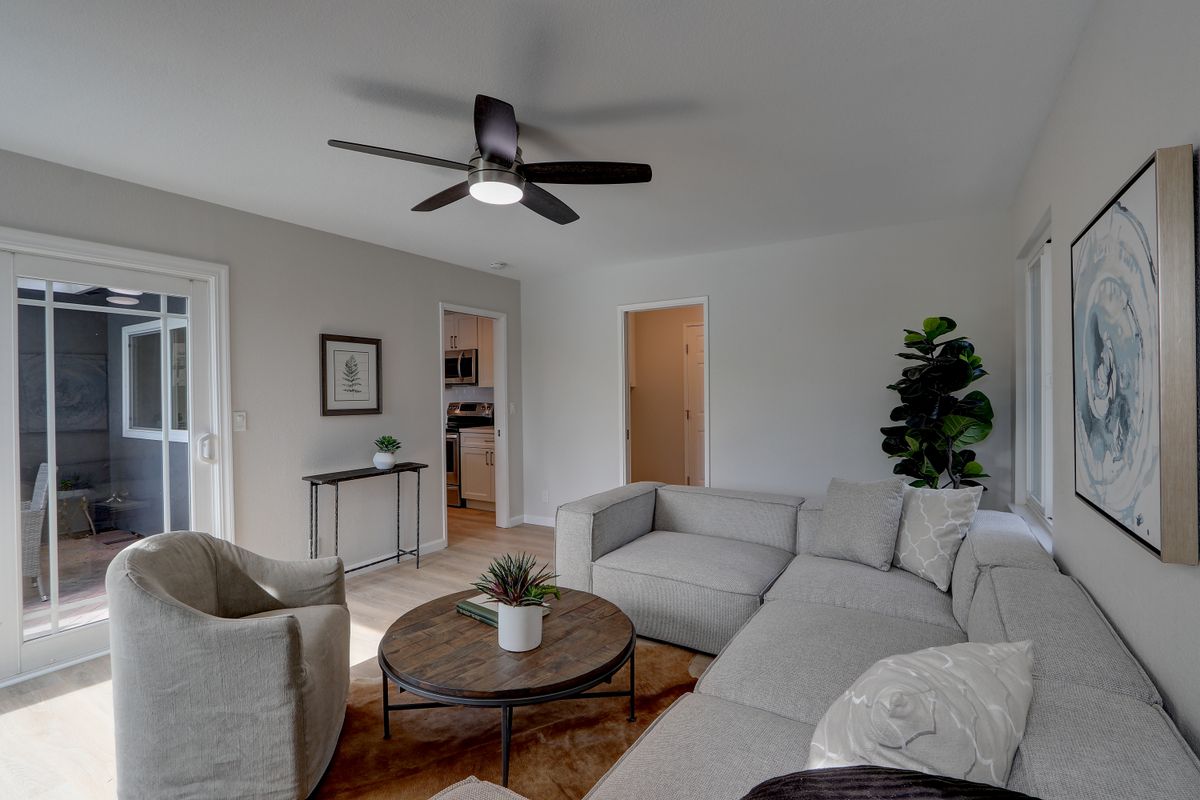
Before shopping for another sofa, notice the routes through your room. A comfortable layout starts with fewer things to walk around.
The journal
Search for a topic or browse by category.
No matches. Try another word or choose a different category.
Decorating
Before shopping for another sofa, notice the routes through your room. A comfortable layout starts with fewer things to walk around.

Decorating
Curtain length changes the appearance of a window, but it also affects cleaning and everyday access. Decide what needs to happen beneath the glass before choosing how the fabric should finish.
Decorating
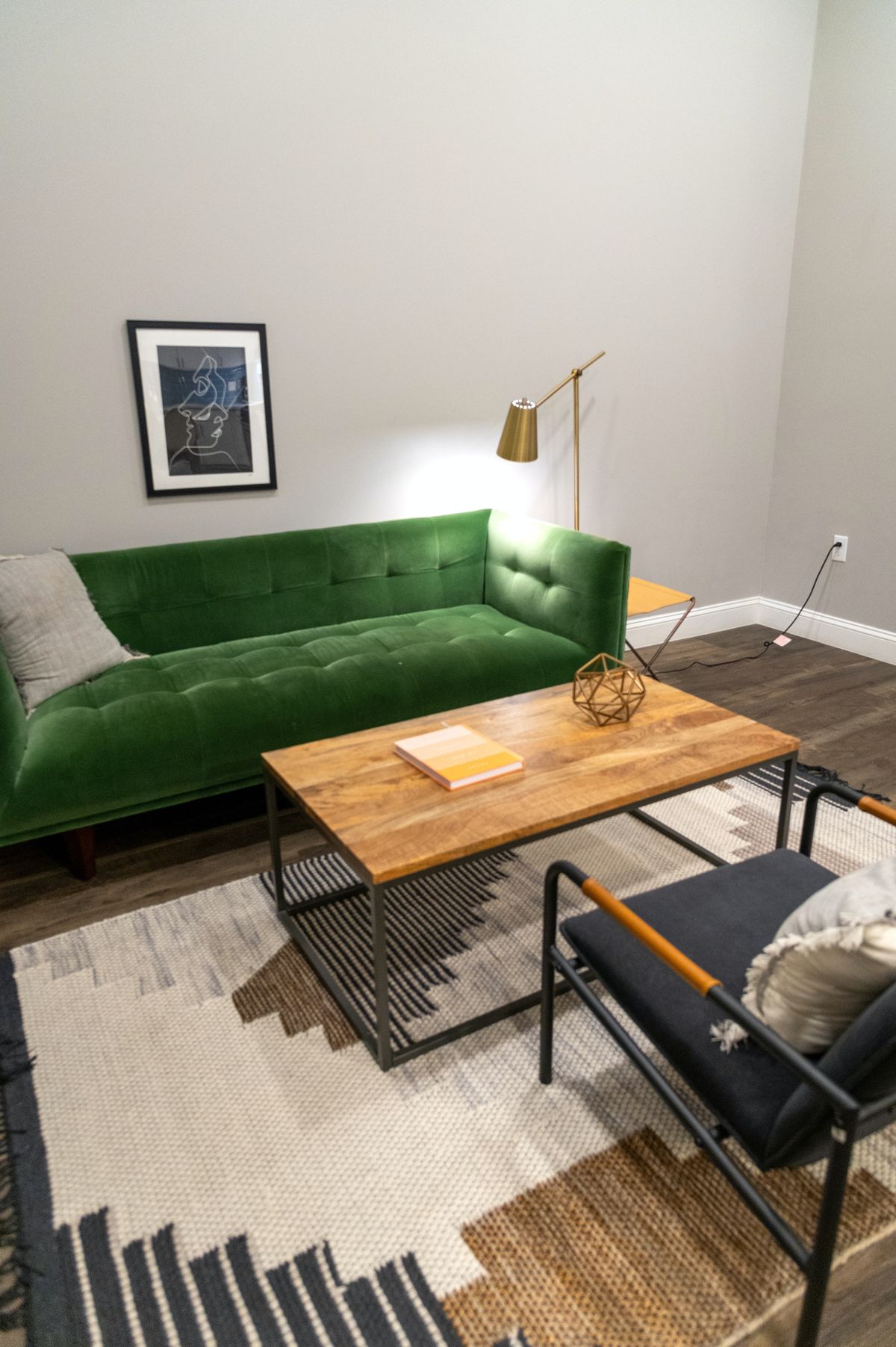
A small rug can look like an island between the sofa and coffee table. An oversized one may interfere with doors or cover flooring you enjoy. Start by mapping the seating area rather than choosing a pattern.
Decorating
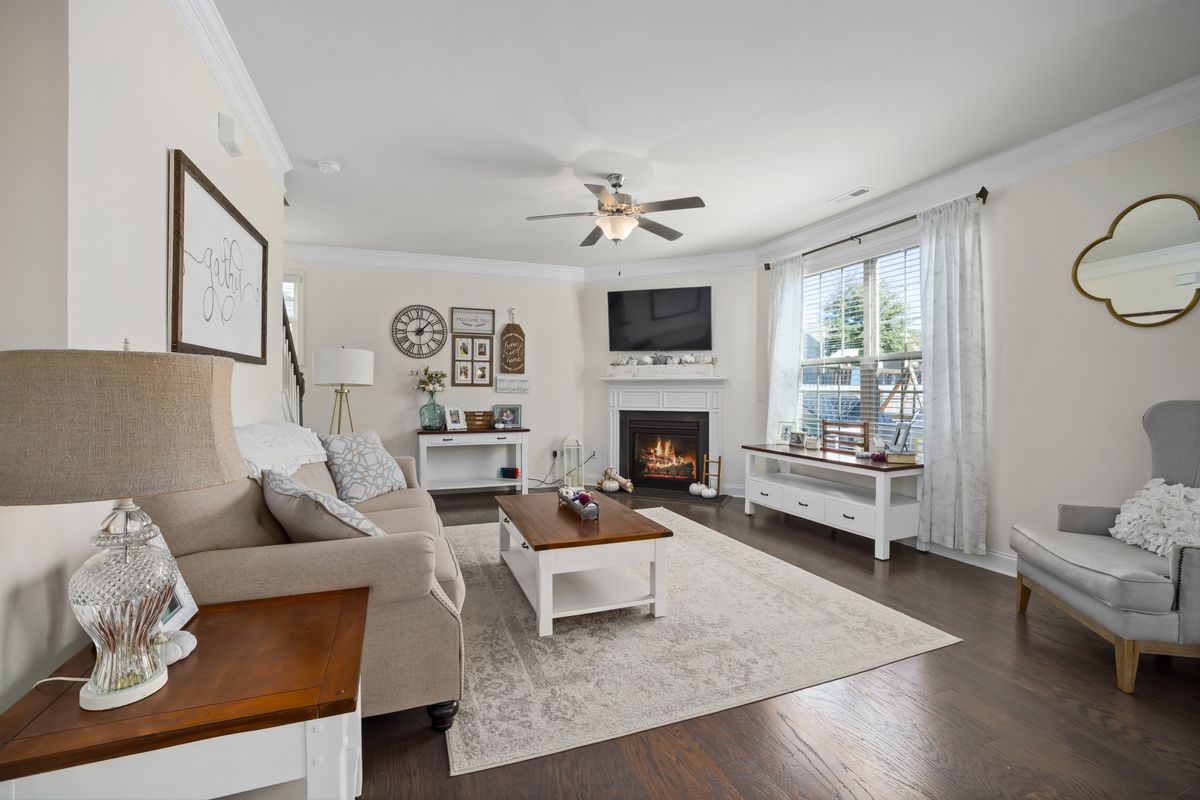
Warm whites, linen and sandy colours can create a calm room without dissolving into one indistinct shade. The difference usually comes from contrast, light and texture rather than adding more things.
Decorating
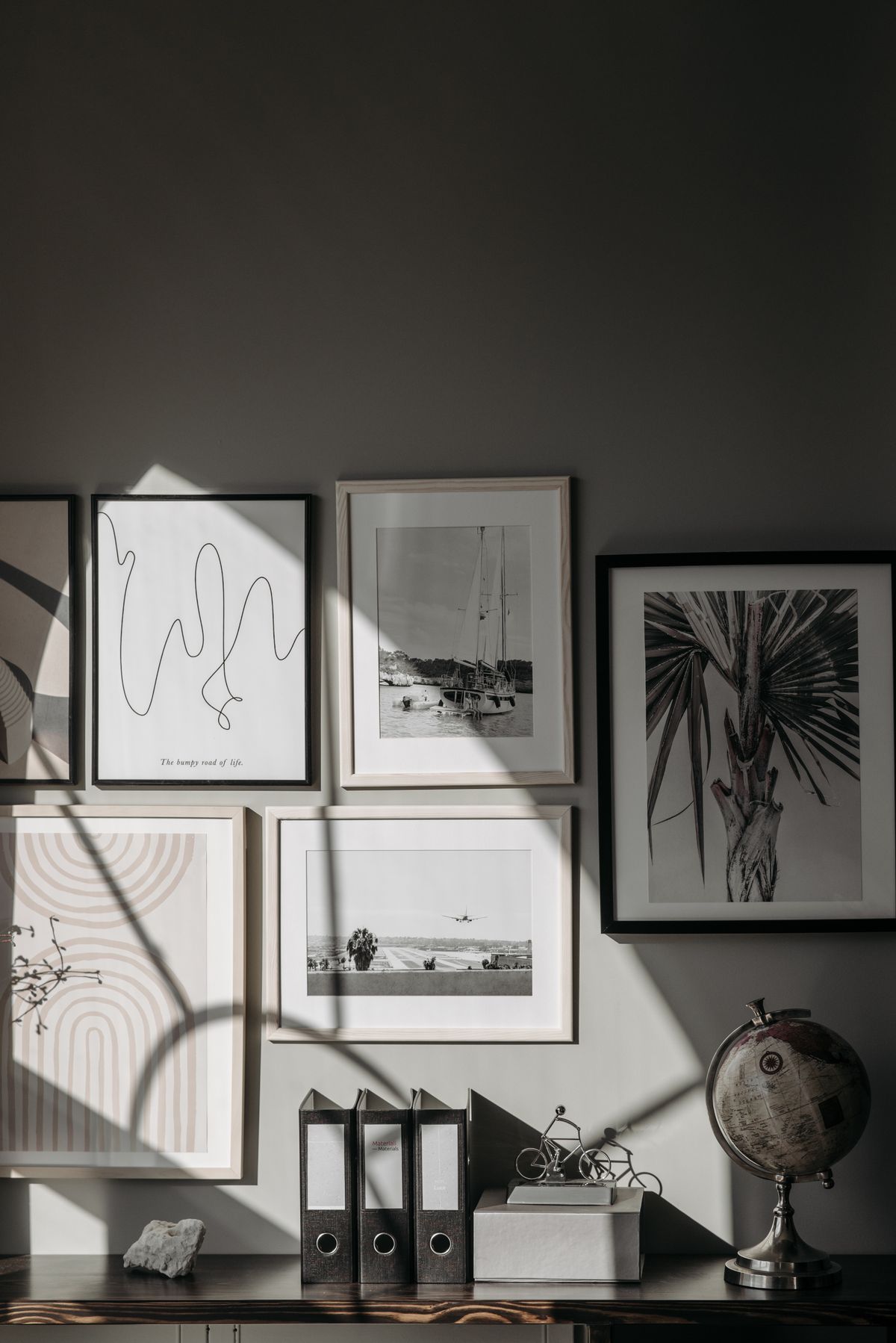
A gallery wall can grow gradually without looking accidental. Before making holes, test how frames, furniture and empty space relate using pieces you can easily move.
Decorating
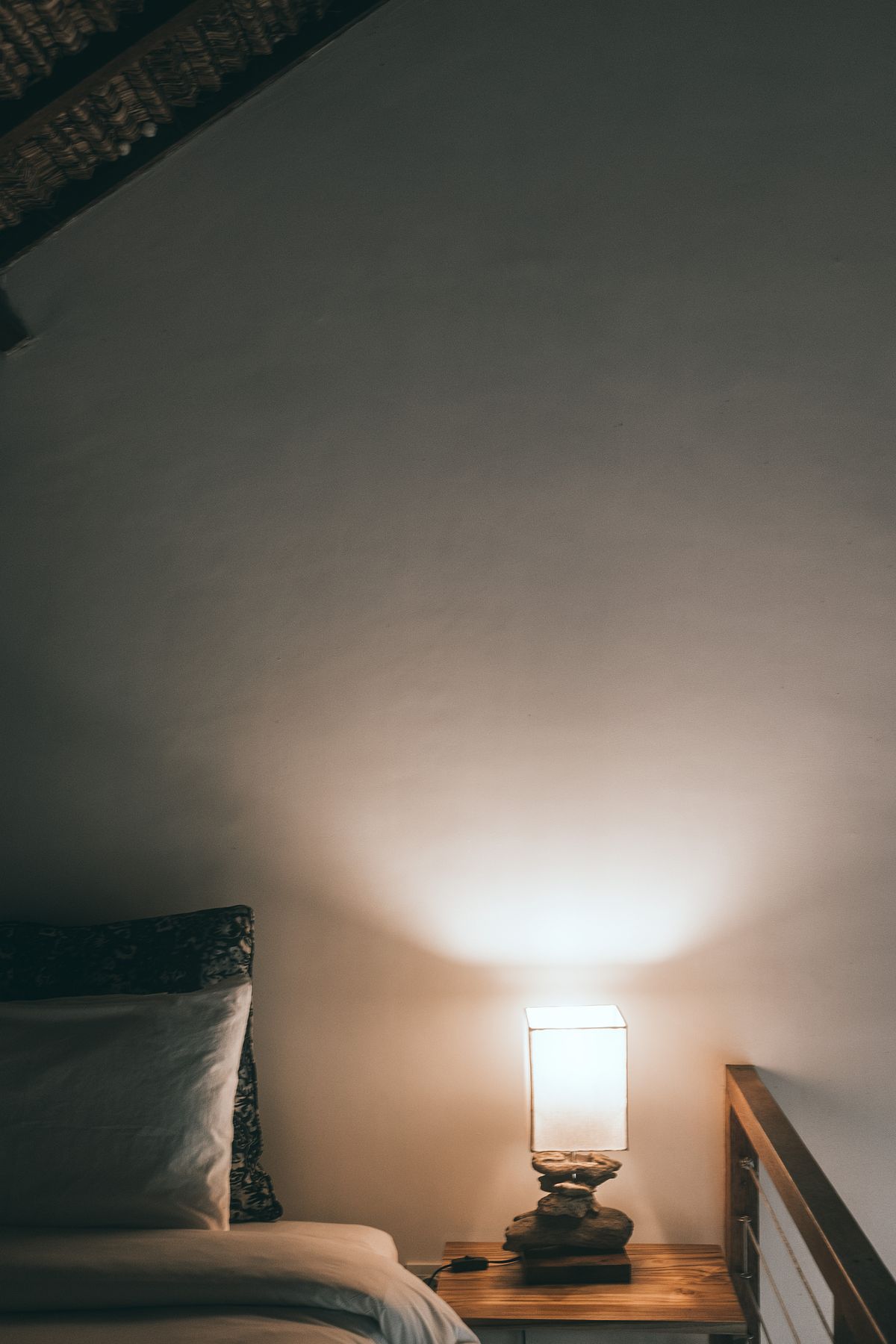
Bedroom lighting needs to support what you are doing without becoming intrusive when you stop. Reading, getting up and sharing a room create different needs that a single ceiling light rarely handles equally well.
Decorating
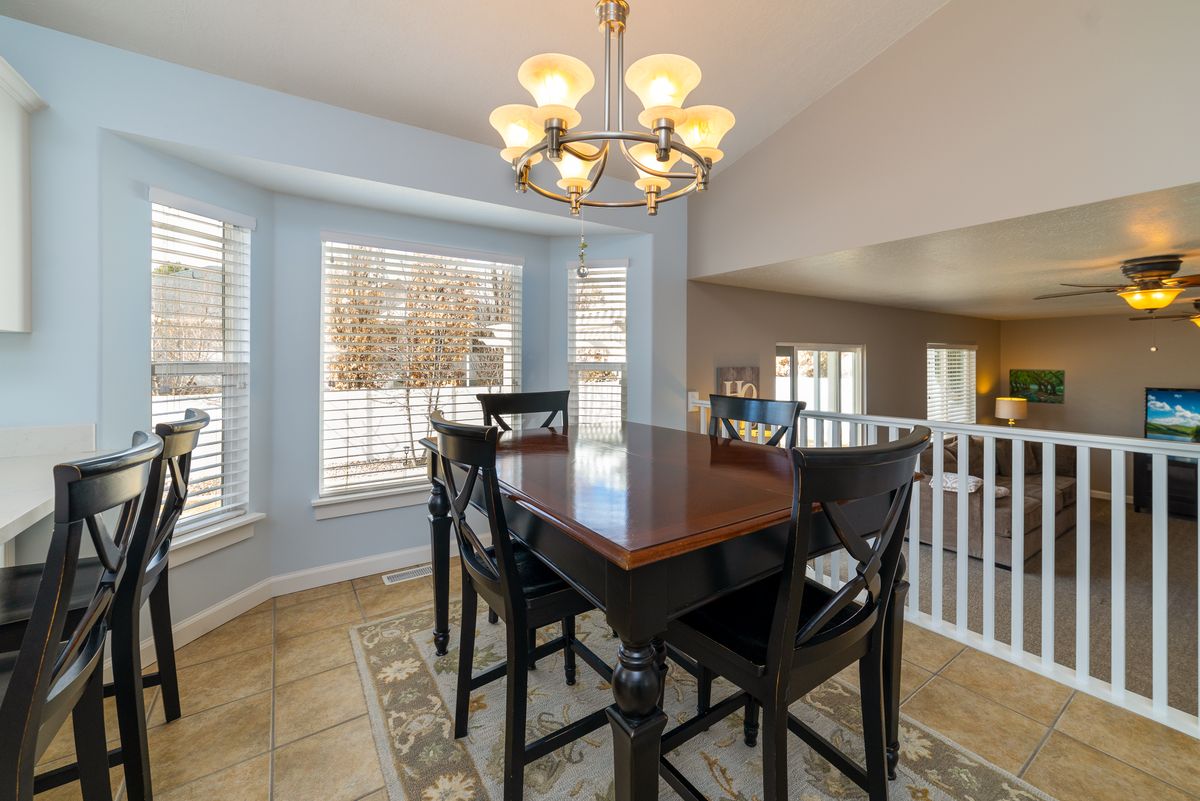
A room can contain several woods without looking like an accidental collection. The aim is not to find almost identical finishes, but to understand what dominates and give the differences some space.
Decorating
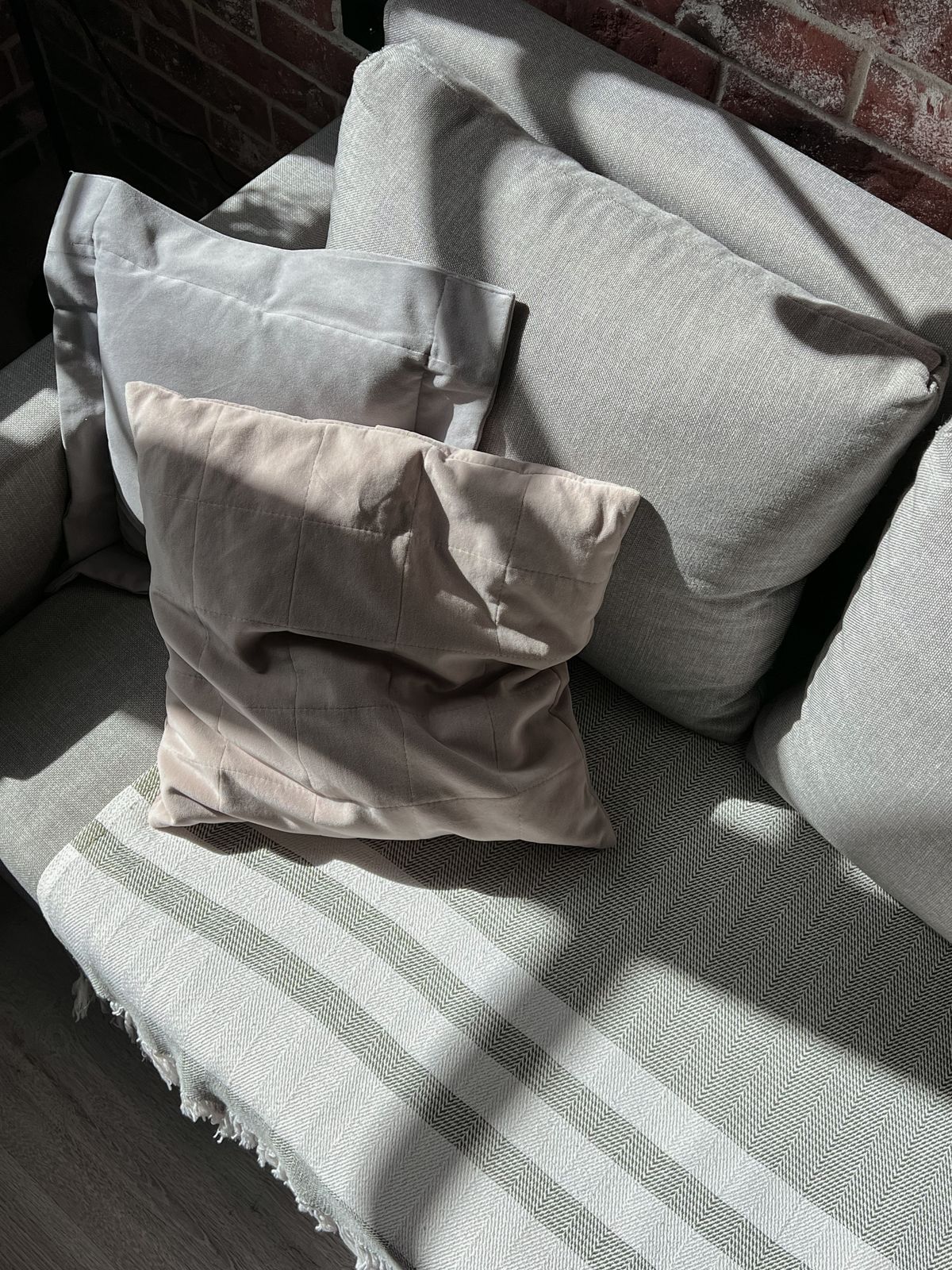
Cushions should help you sit comfortably rather than make you clear the sofa every time. Choose their number, shape and fabric around the seating you use, then work on colour.
Decorating
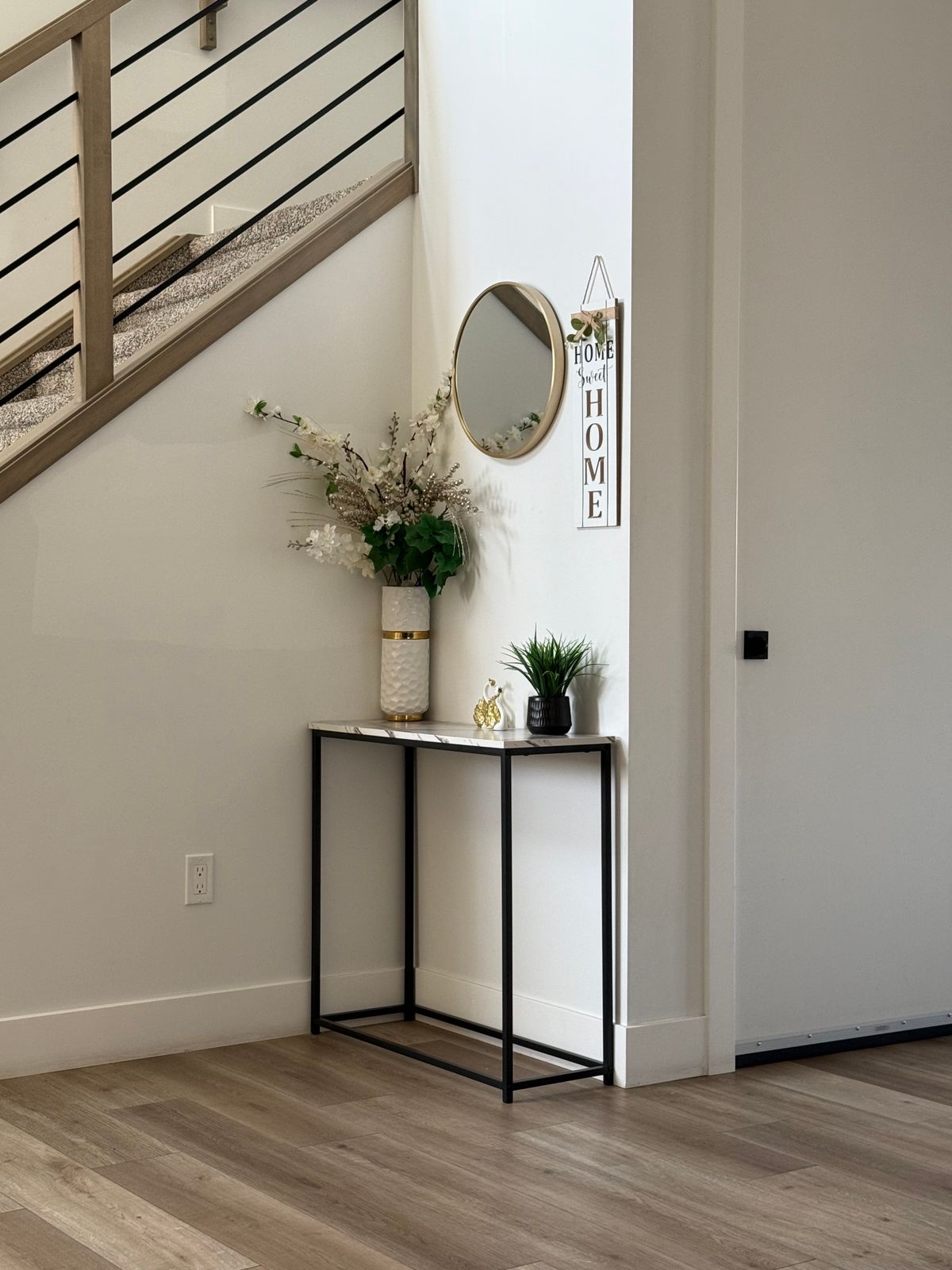
A welcoming entrance does not need a complete hallway furniture set. It needs somewhere to arrive, put down essentials and move inside without negotiating an oversized console.
Decorating
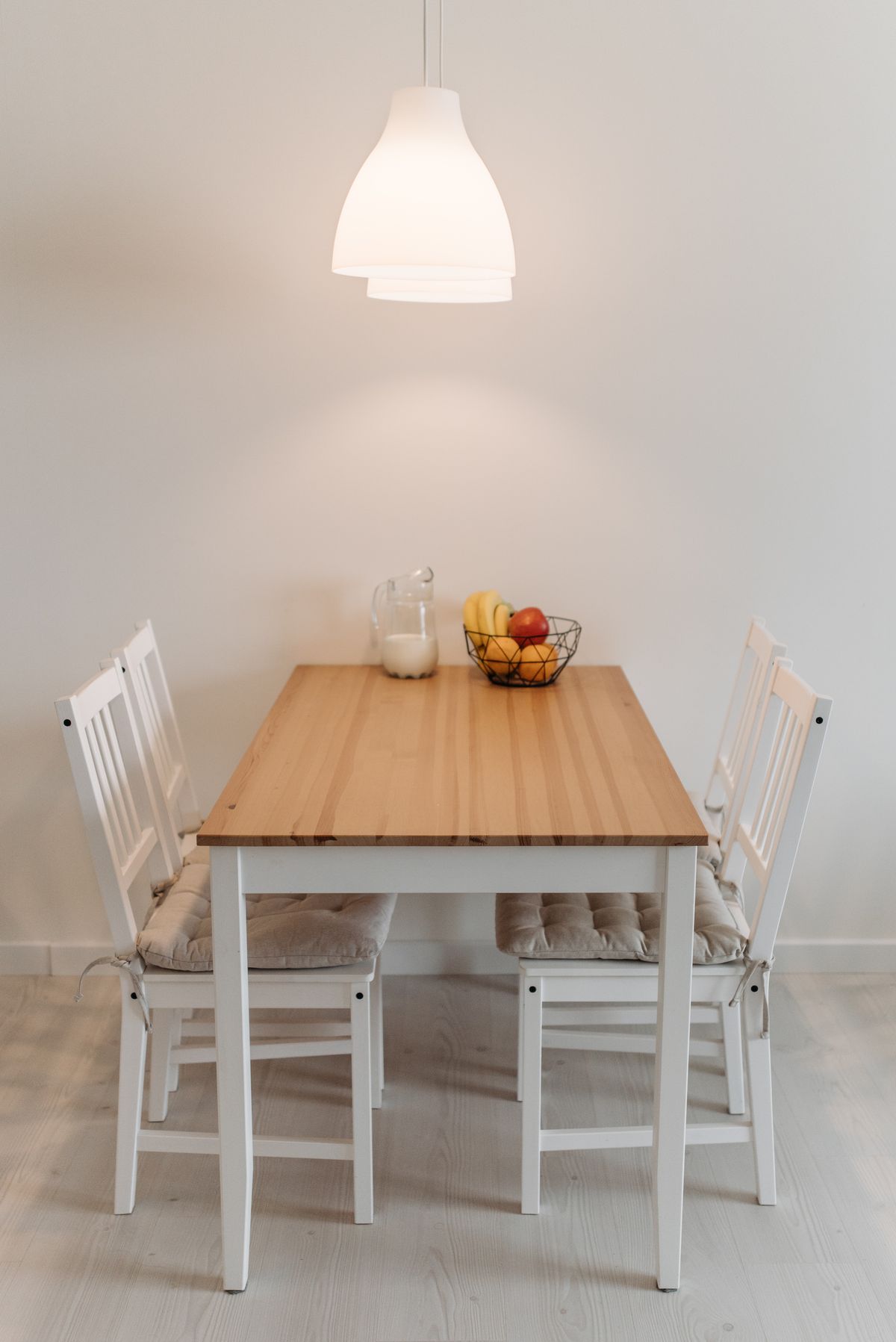
A pendant above the table can give a dining area a clear centre. Its position should respond to the table, the people sitting around it and how you use the room, rather than simply following the ceiling connection.

Decorating
A colour that looks lovely on a card can change substantially across a whole wall. A useful test means watching it live with your lighting and furniture rather than studying it for five minutes in a shop.
Decorating
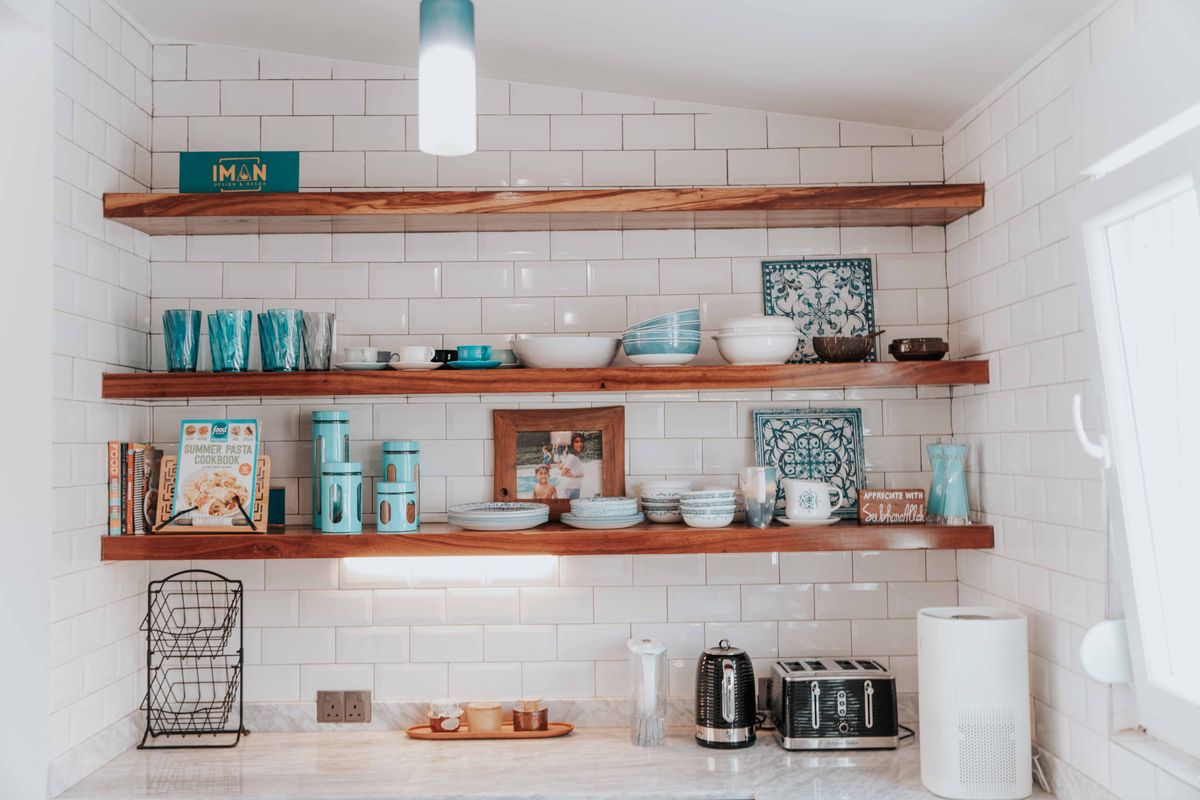
Open shelving can look attractive while still earning its place as storage. Trouble starts when every use dismantles an arrangement or everyday belongings are not allowed to remain visible.

Decorating
Texture can give a bedroom depth even with very few colours. For a pleasant result, consider what you see, what touches your skin and what you will need to wash.
Decorating
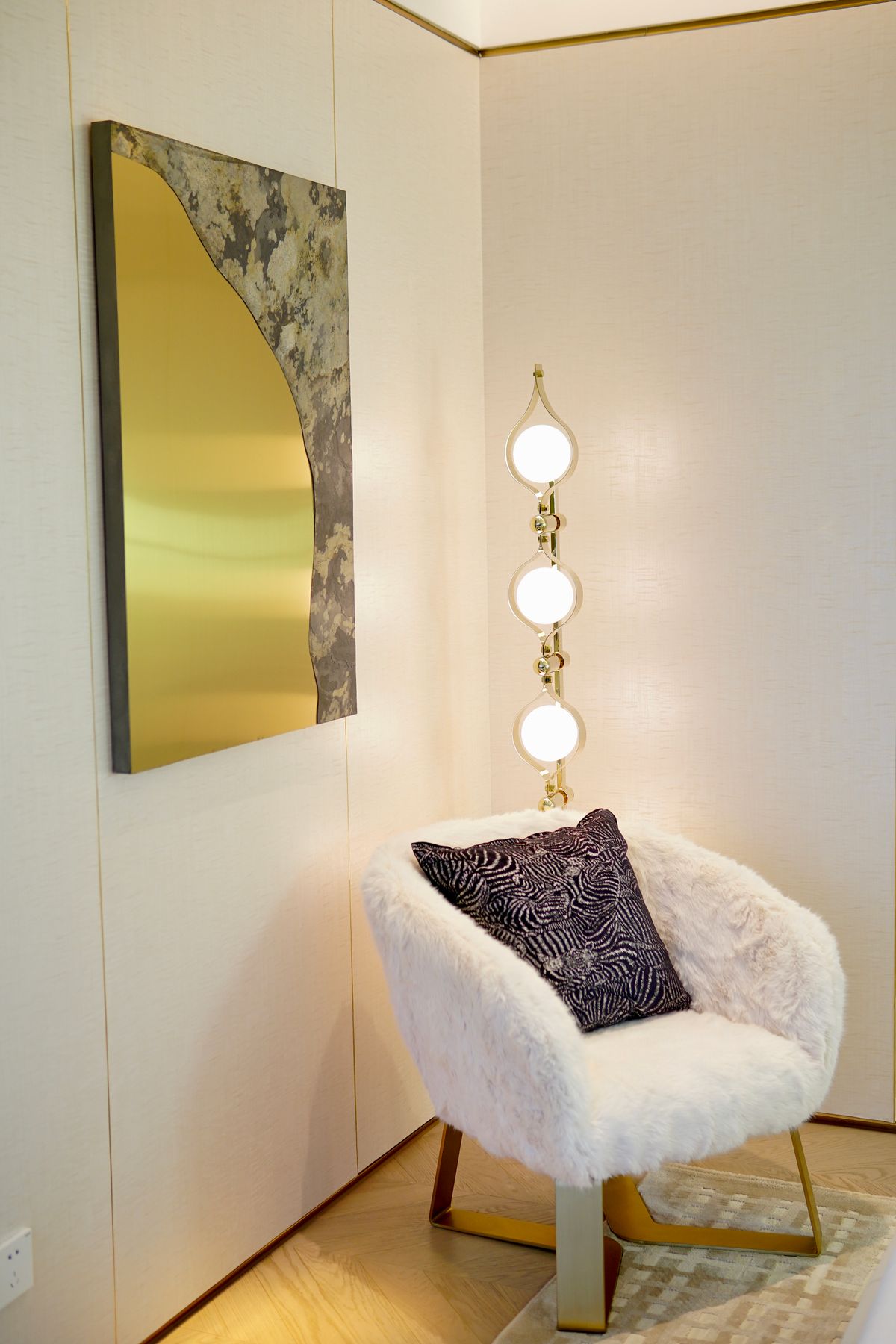
An empty corner is not automatically a problem to solve. Before filling it, find out whether the space allows a door to open, provides window access or simply gives the eye a rest.
Decorating
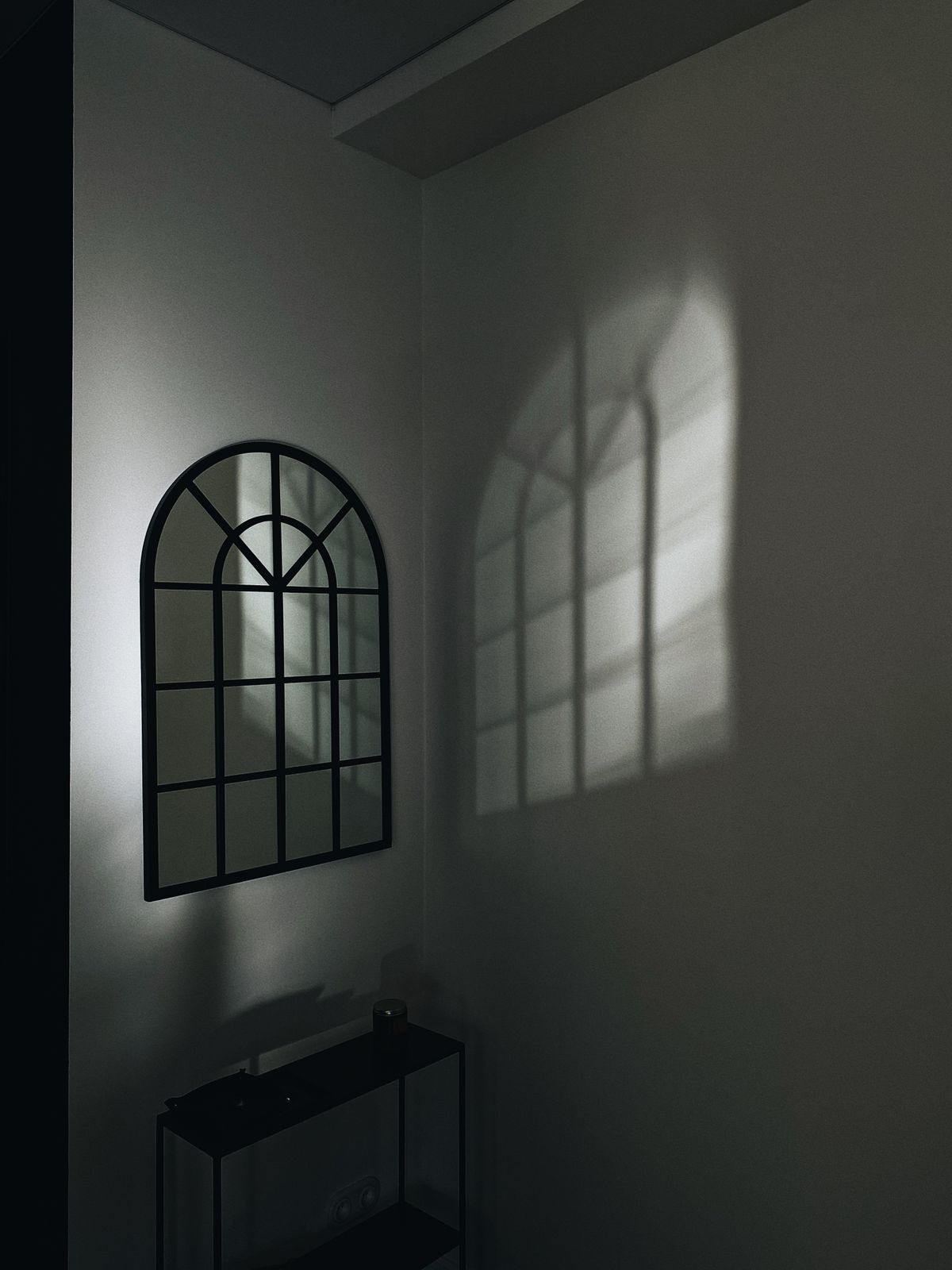
A mirror reflects whatever is in front of it, including light, but it does not replace a window. Choosing its position means looking at the view it returns and how people move through the room.
Decorating
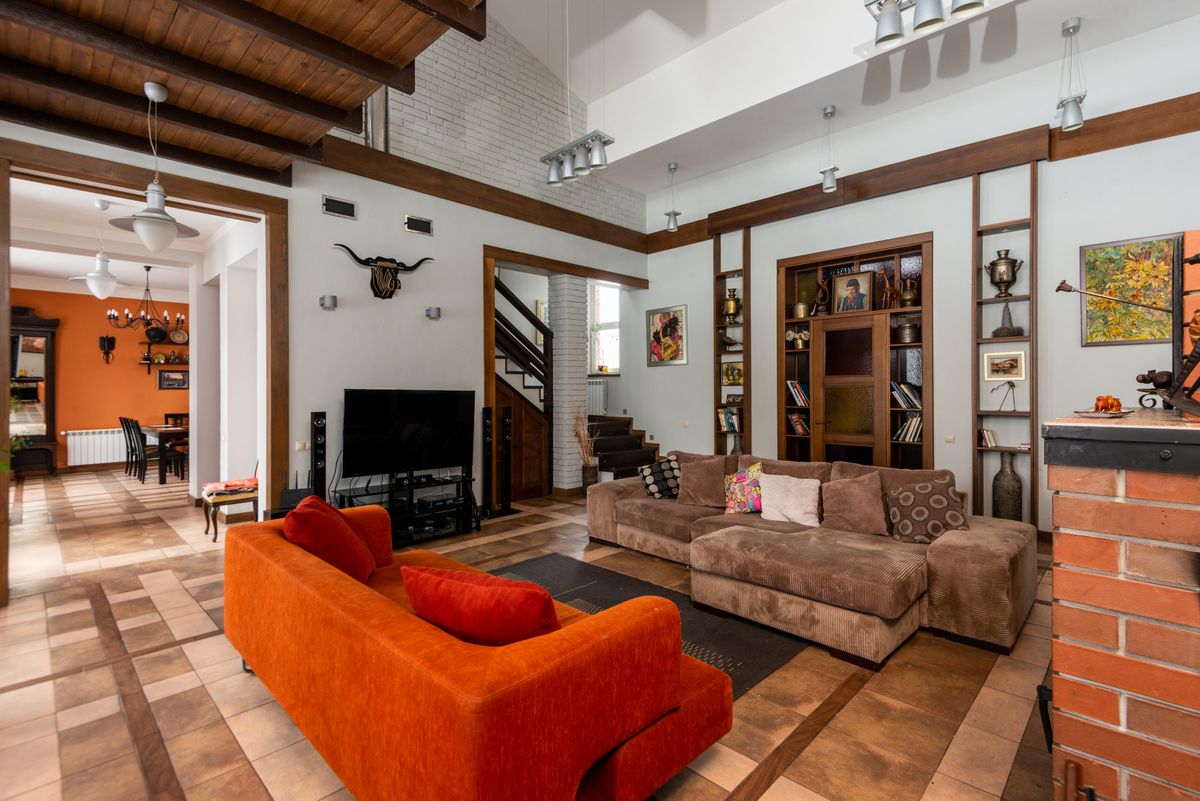
Renting does not mean giving up colour. The easiest changes are often those you can maintain, move and reuse, within your tenancy conditions and the home’s safety requirements.
Decorating
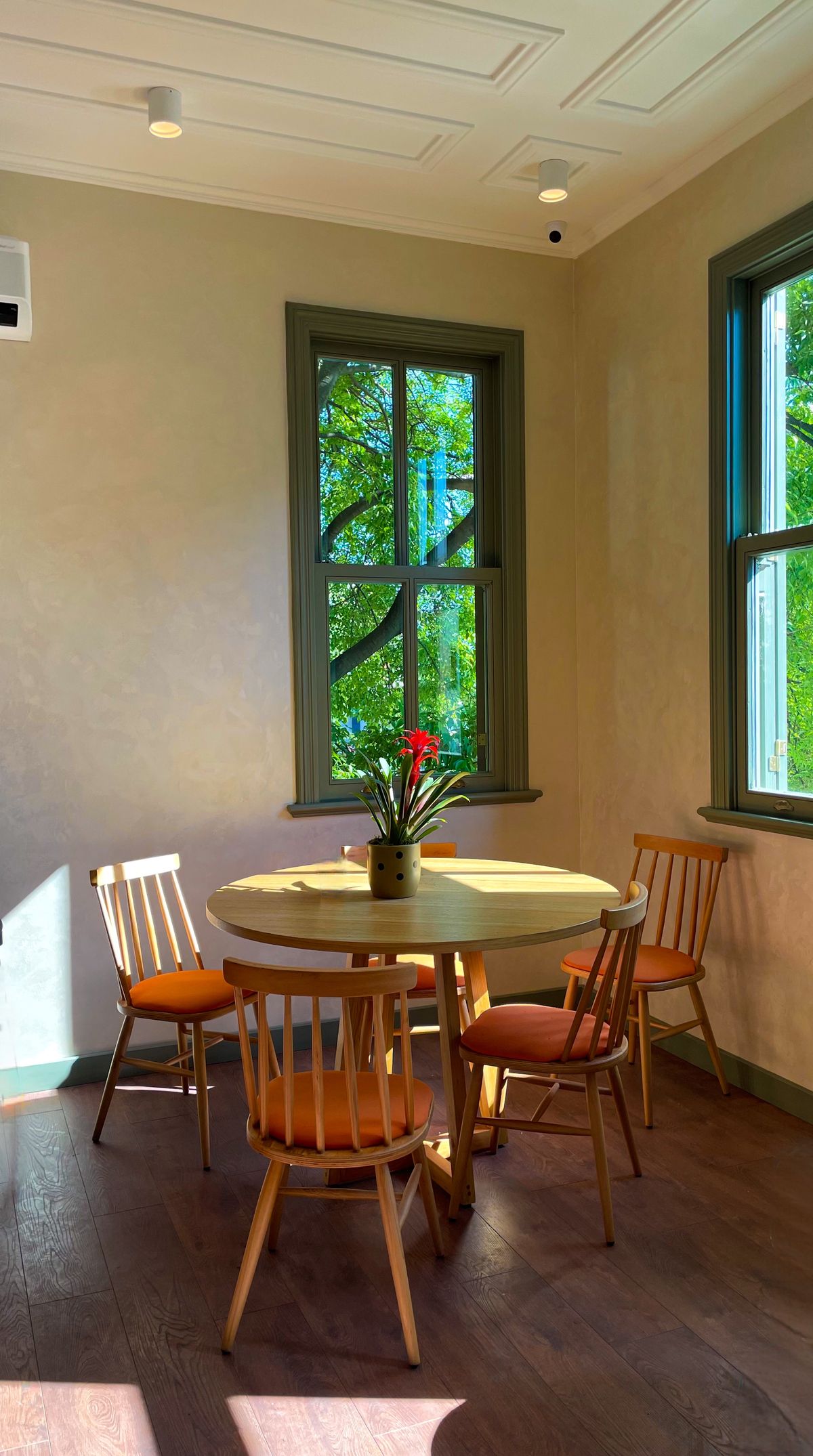
A round table suits some layouts particularly well, but it does not magically take up less space. Compare its full diameter, base arrangement and the room chairs need when people get up.
Decorating
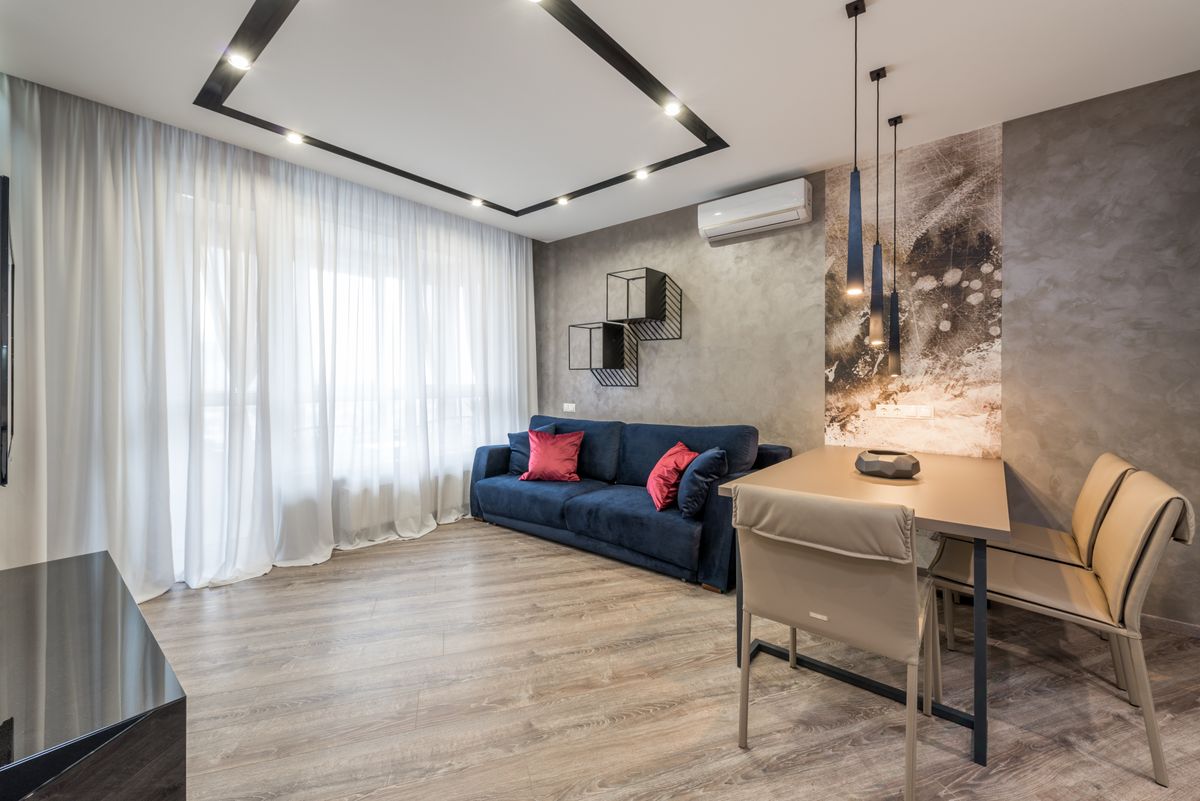
A long living room often improves when it stops acting like a corridor lined with furniture. Dividing it into areas can help, provided the route between them remains clear.
Decorating
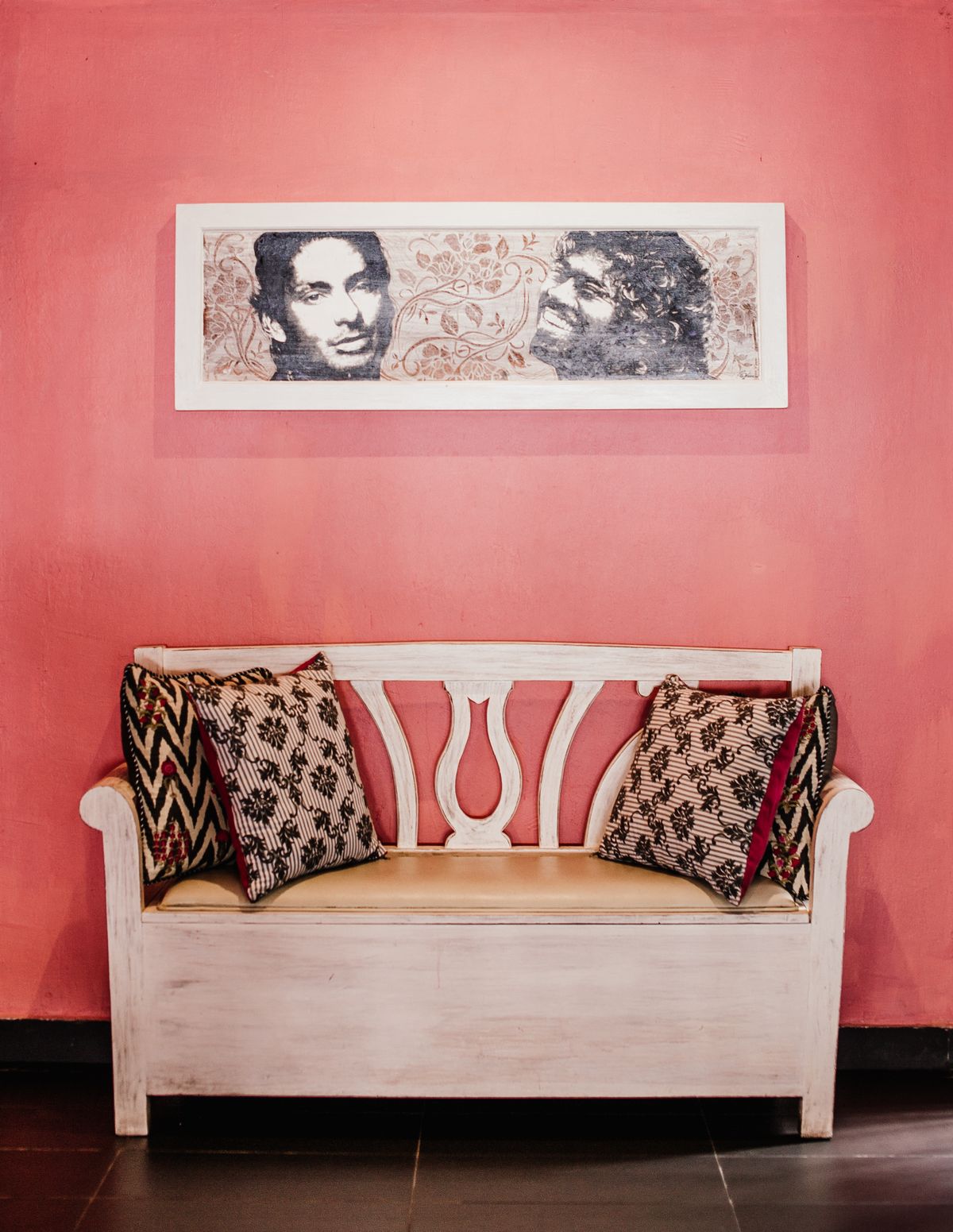
Picture height depends on where you view it and what surrounds it. A commonly repeated measurement can be a starting point, but it cannot replace checking the wall from within your own room.
Decorating
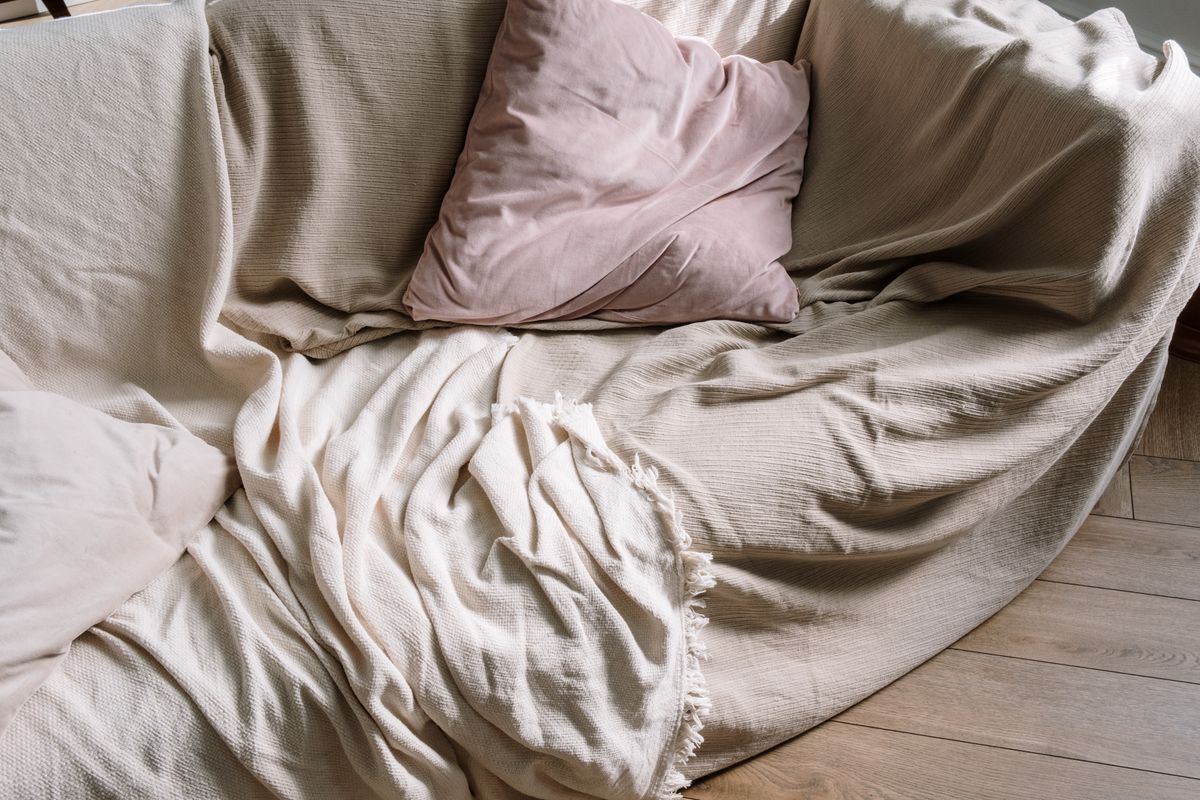
Changing a few textiles can refresh a room without starting again. The useful distinction is between a change that responds to the weather and one that simply adds washing and storage work.
Decorating
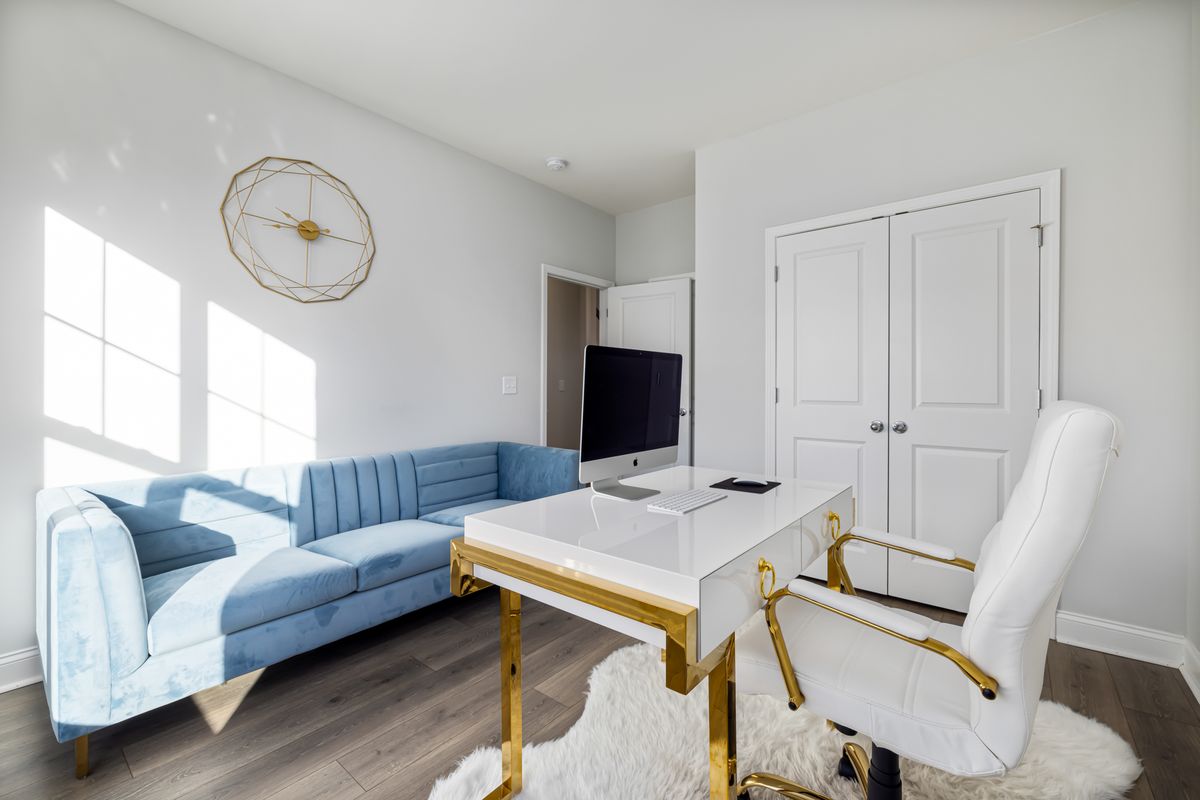
A desk in the living room needs to work during the day and when work finishes. Integrating it does not mean hiding it at any cost; it means giving it a comfortable position and a clear boundary.
Decorating
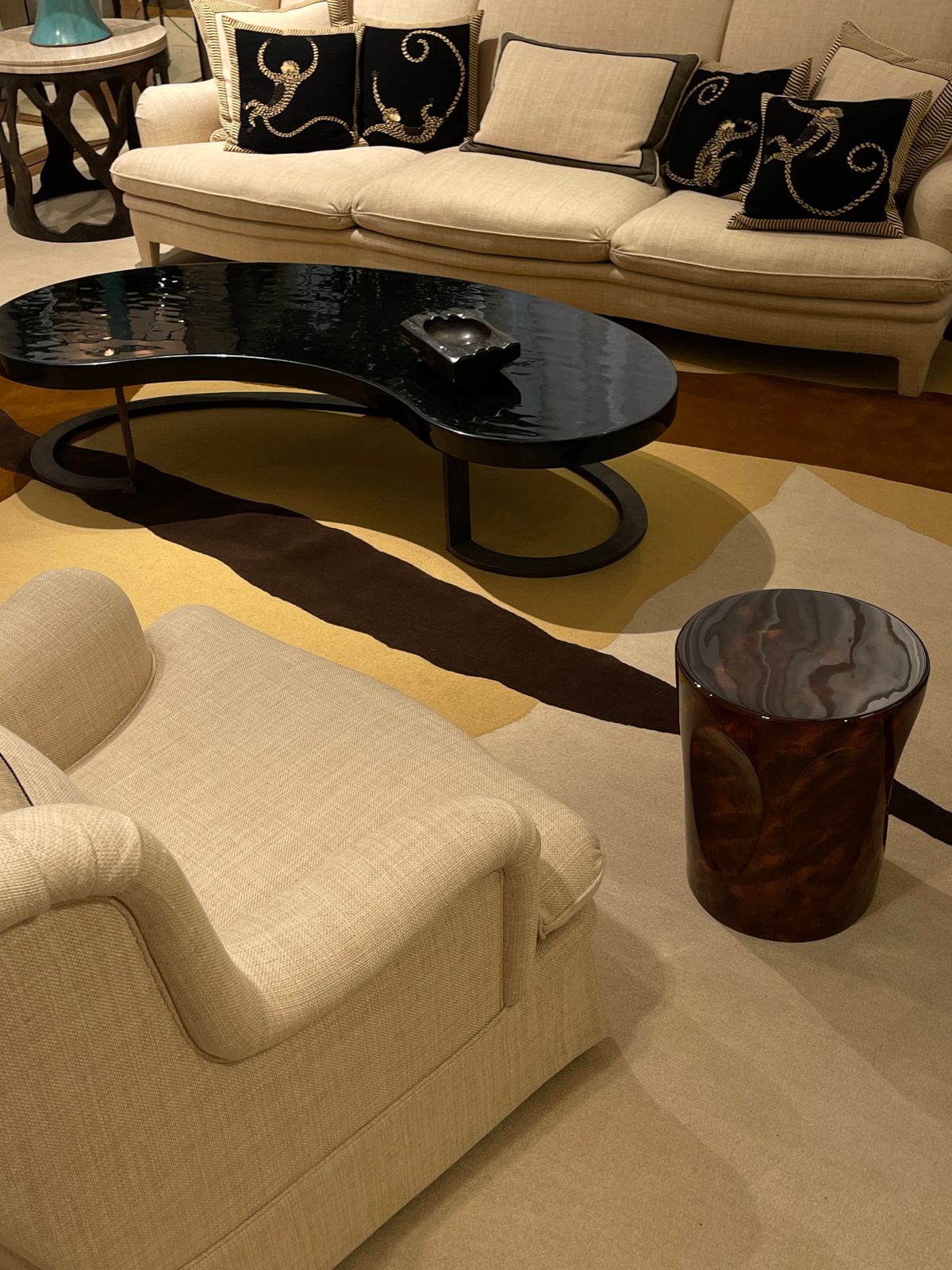
A black detail can define a light room without making it dark. Its effect depends on quantity, size and placement rather than repeating it across every object.
Decorating
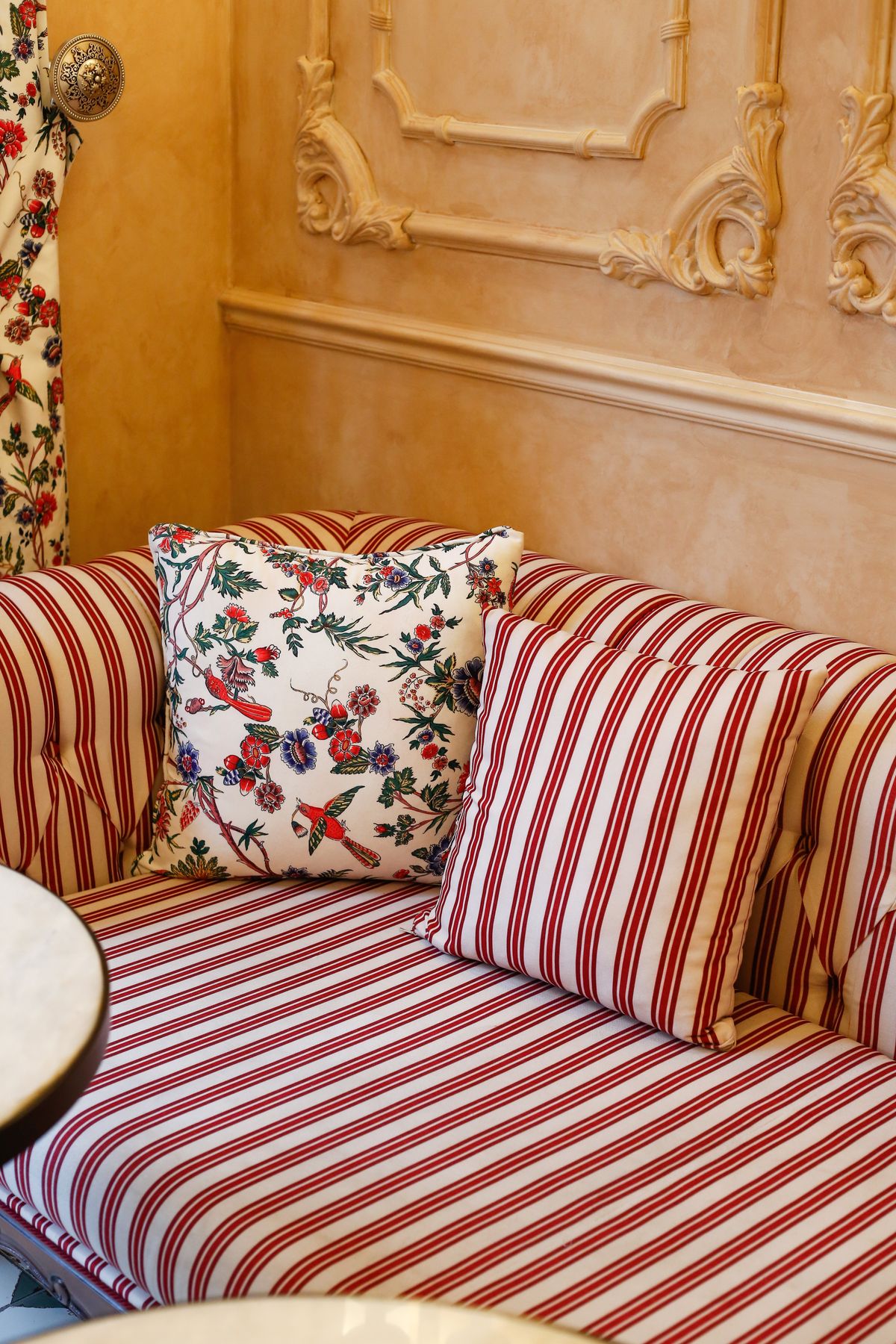
Mixing patterns becomes easier when they are not all trying to do the same job. One can lead, another can support it and a plain surface can give the eye somewhere to rest.
Decorating
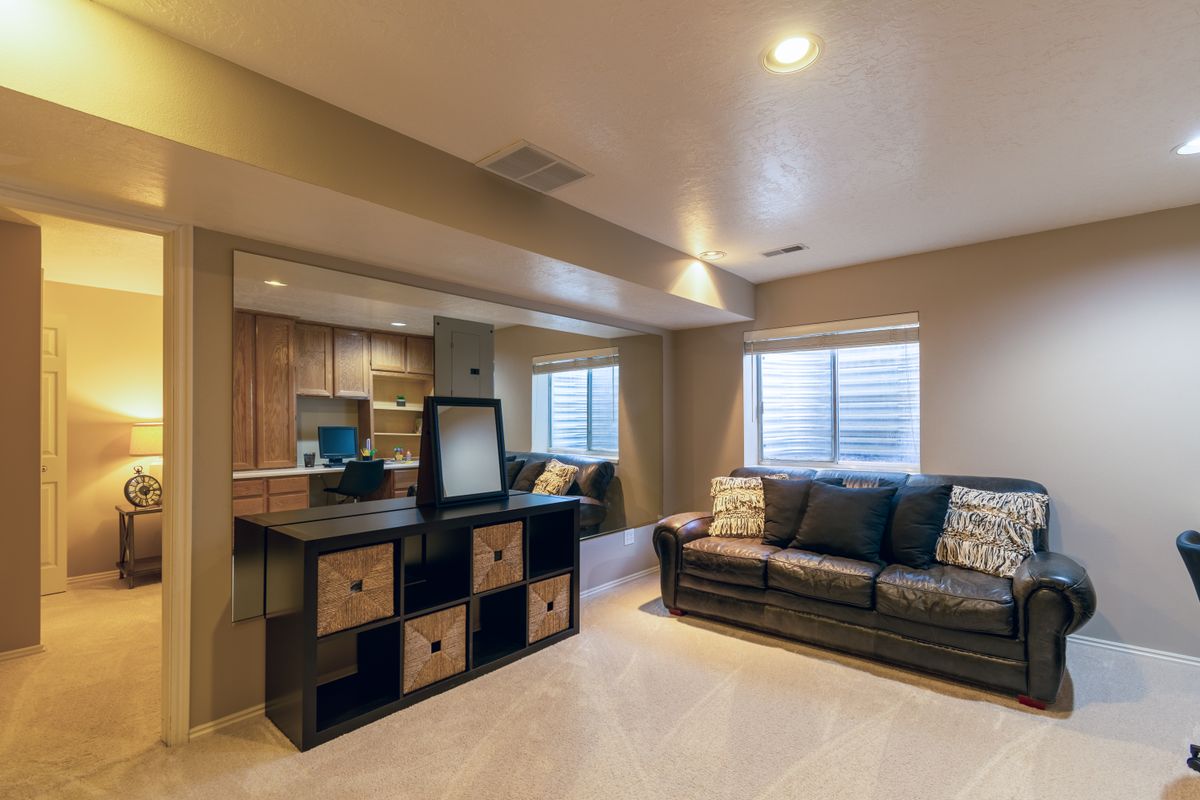
A low ceiling does not require an entirely white room or characterless furniture. Start by reducing real obstructions and deciding where you want attention to settle.
Decorating
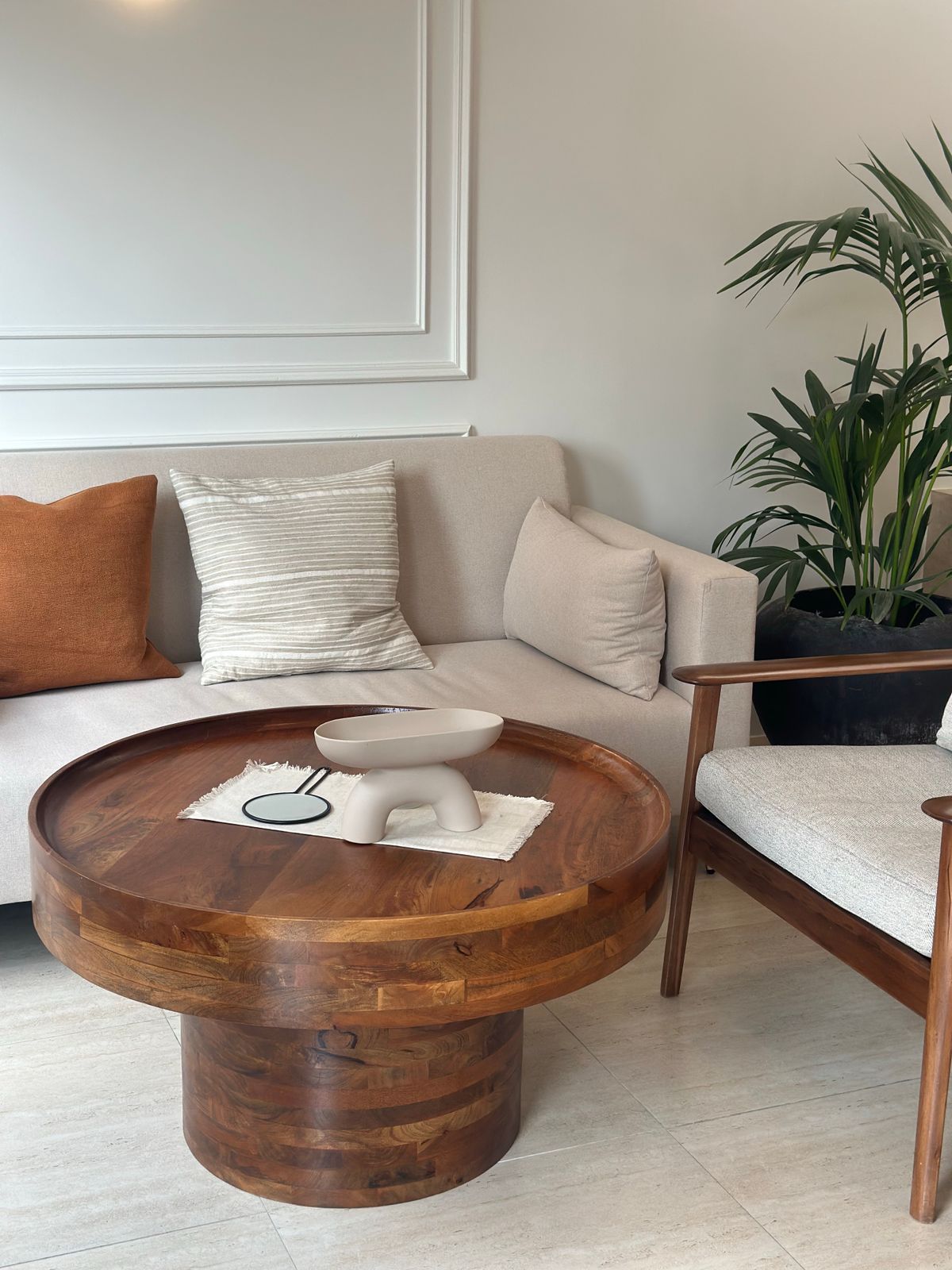
A coffee table sits at the centre of a busy area. If decoration prevents you putting down a cup, opening a book or approaching the sofa, start by giving the surface some space back.
Decorating
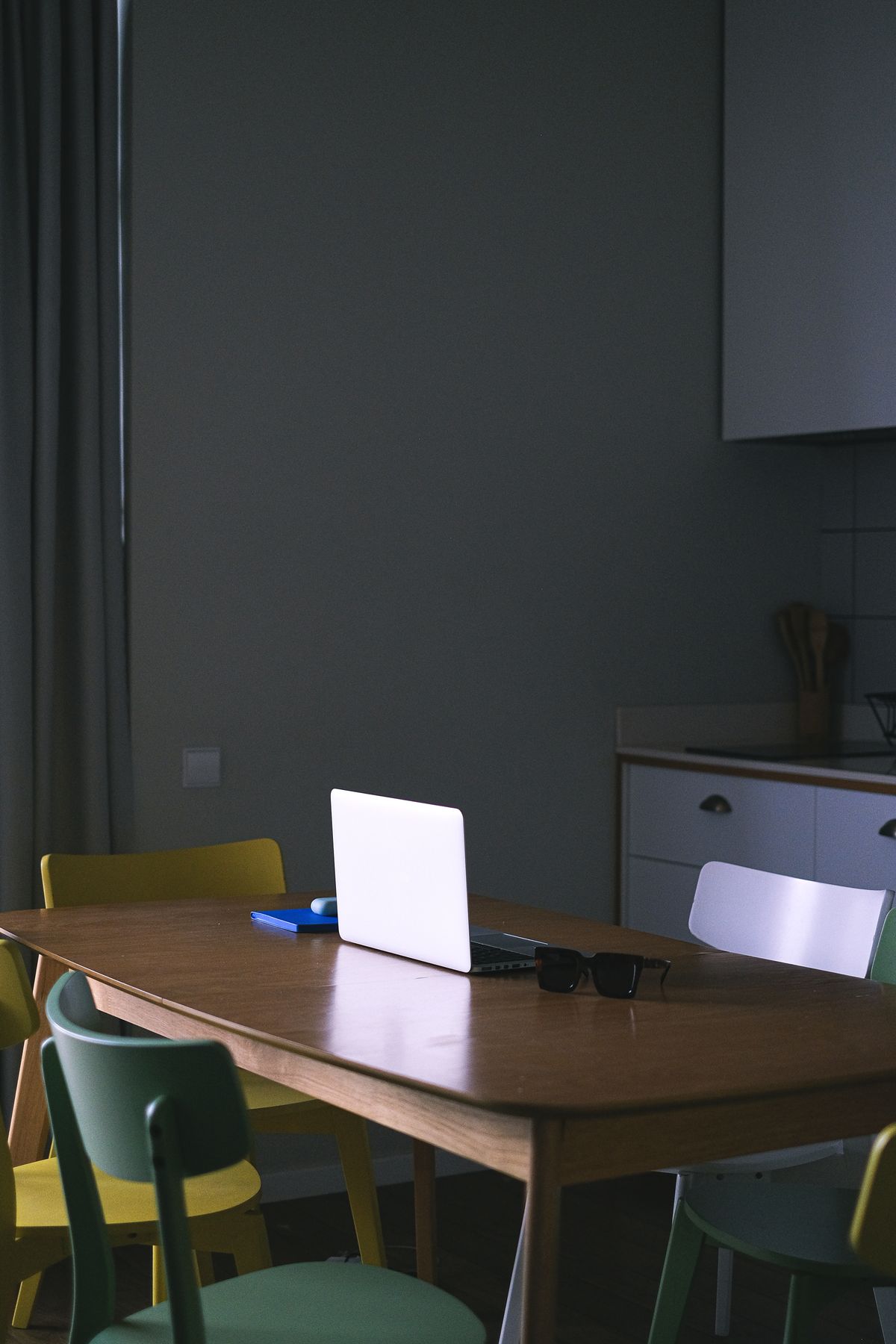
Different dining chairs can give a room character, provided they still work together around the table. Check their physical relationship first and think about colour afterwards.
Decorating
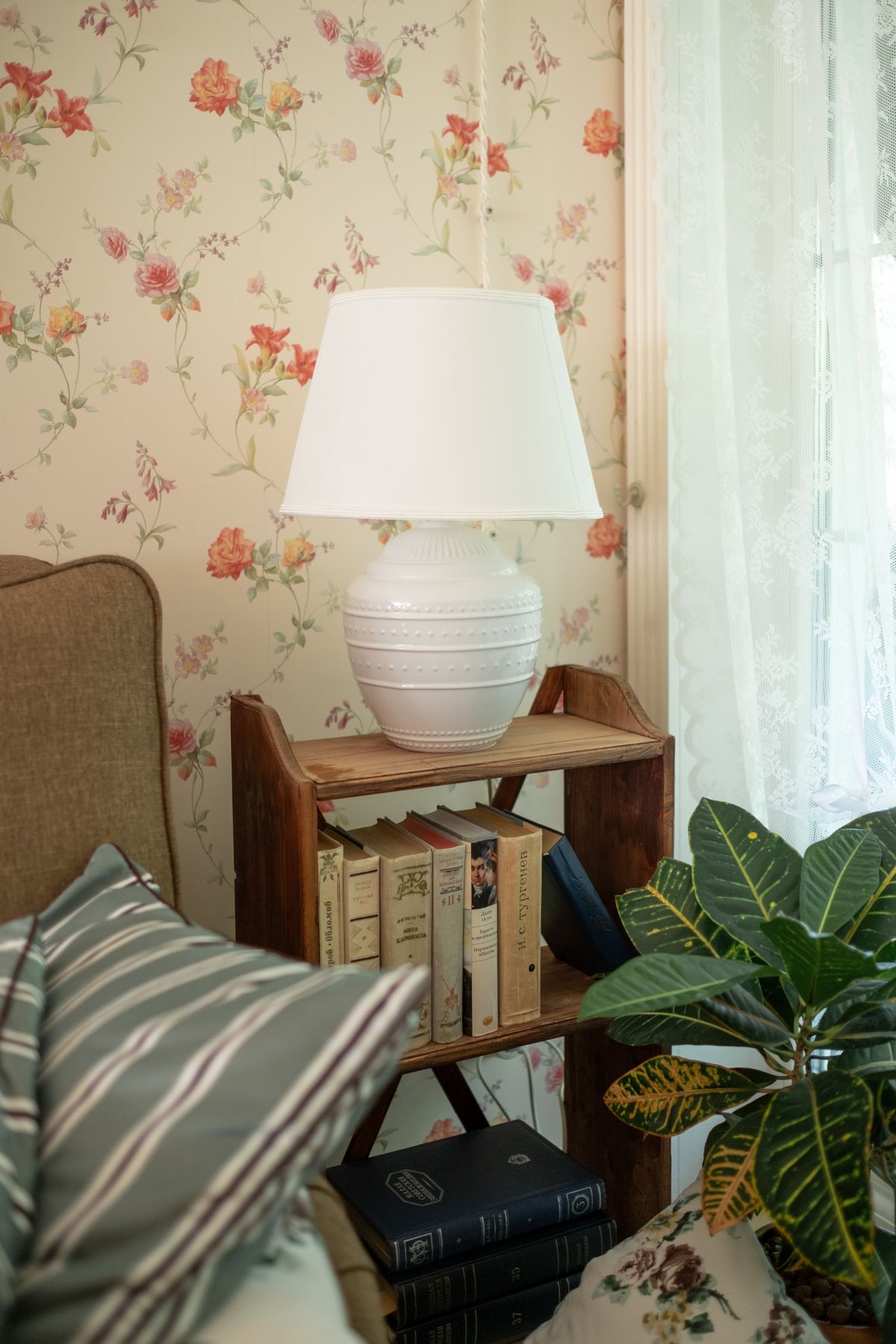
A small area lets you enjoy a distinctive wallpaper without covering the whole home. The pattern, edges and wall preparation still need a complete plan.
Decorating
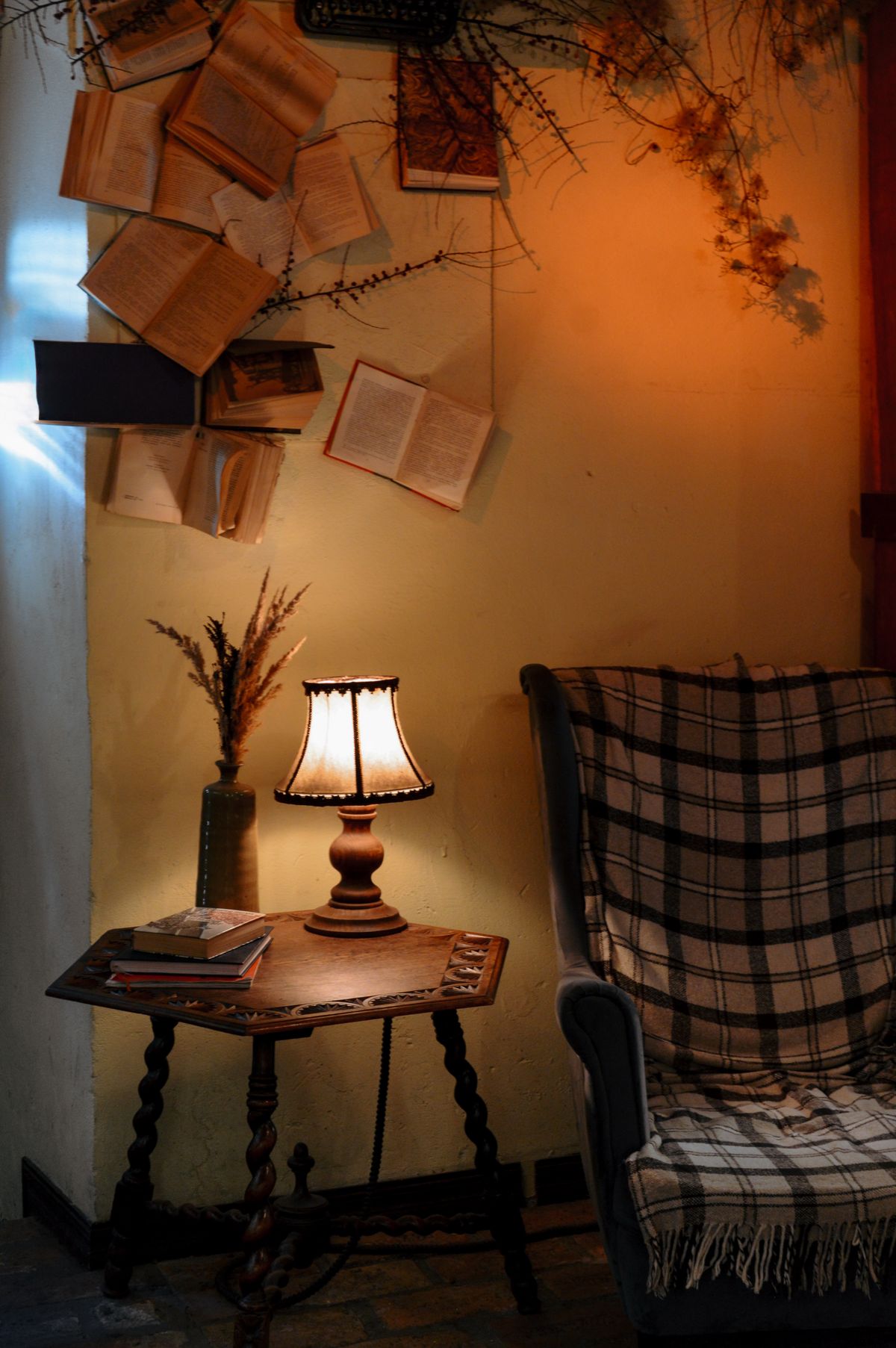
A reading corner works when you want to sit down and can comfortably stay. The chair matters, but so do lighting, foot support and somewhere to leave the book when you get up.
Decorating
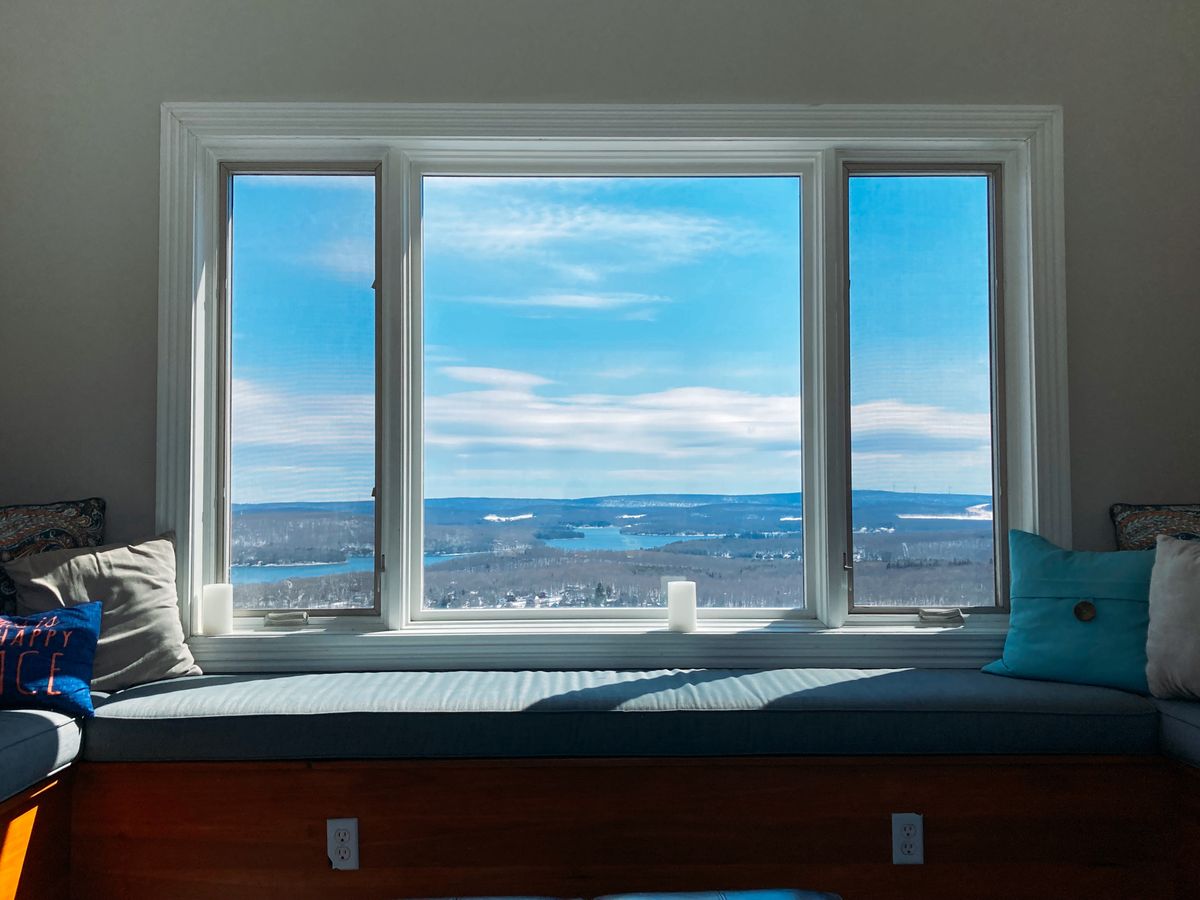
The area beside a window might support sitting, plants or occasional work. Before choosing a function, check how the window opens and what must remain clear around it.
Organising
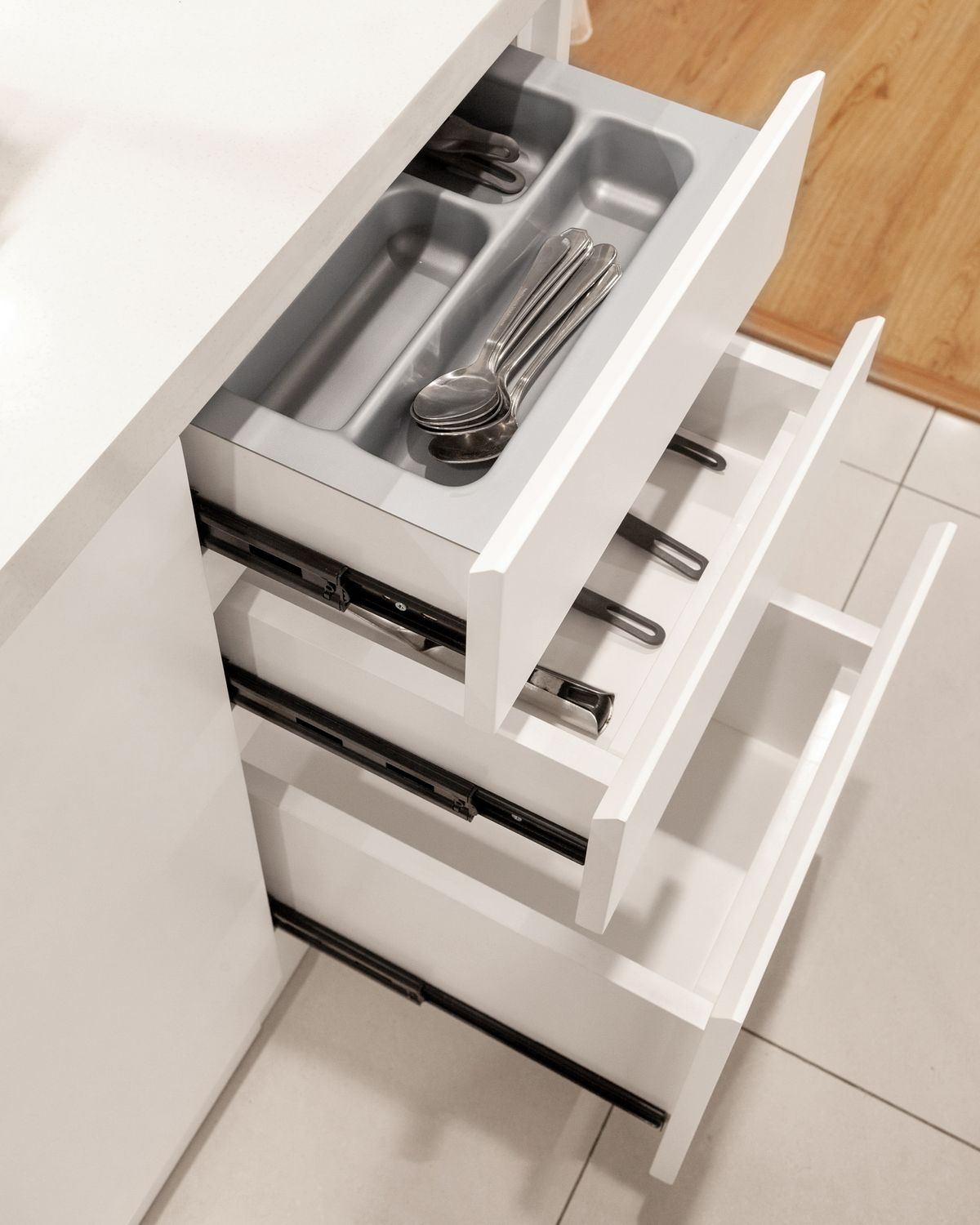
A useful kitchen drawer lets you prepare dinner without digging through ladles. Its arrangement improves when it follows everyday tasks and makes putting things away straightforward.
Organising
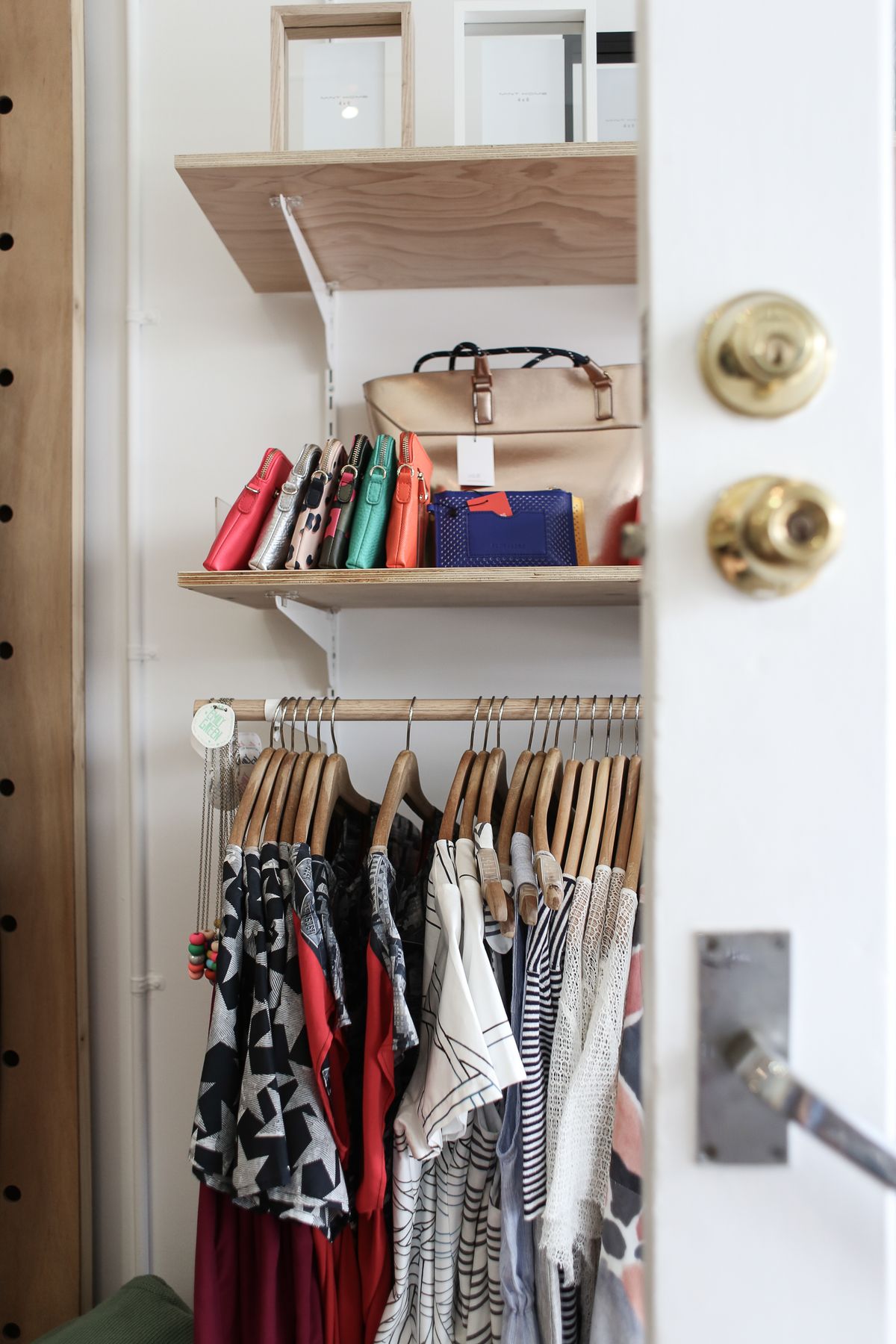
Resetting a wardrobe does not require covering the bed with every piece of clothing you own. Working in small areas lets you finish something useful even during a short afternoon.
Organising
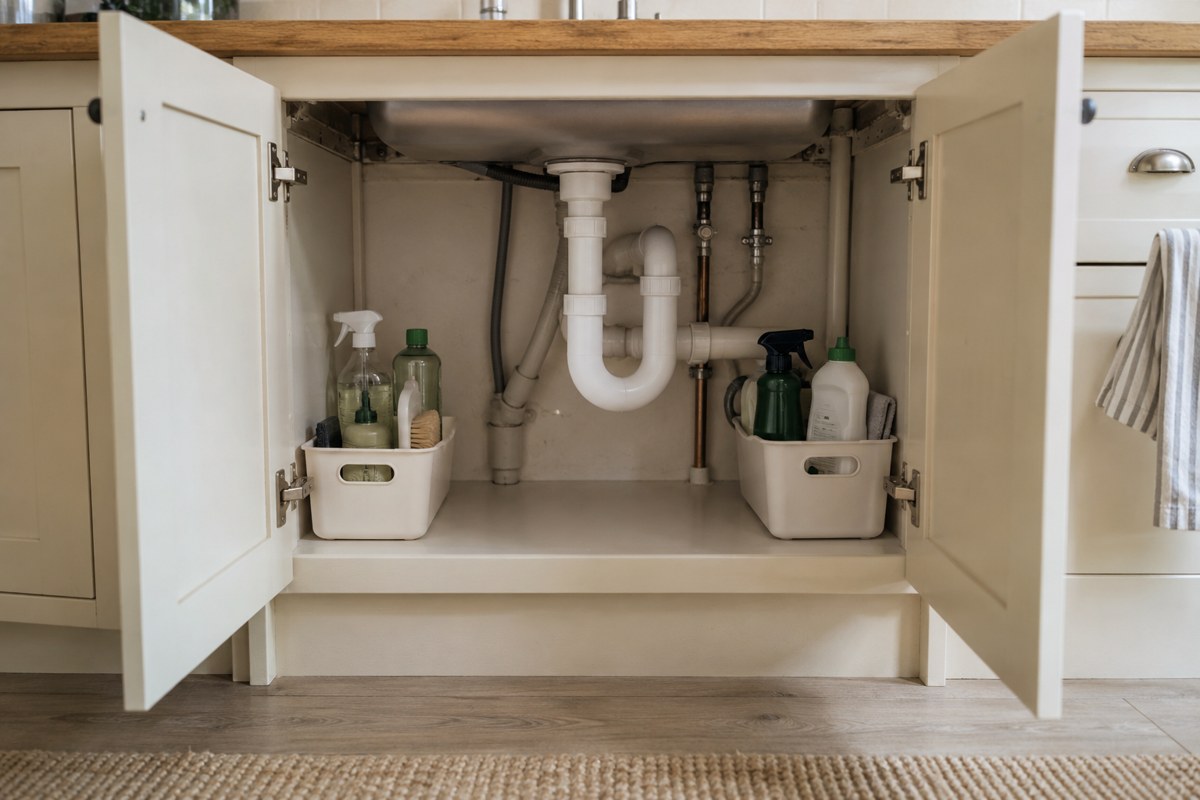
The space beneath a kitchen sink looks generous until the trap, shut-off valves and door hinges come into view. Organising it well means respecting those obstacles instead of hiding them behind more boxes.
Organising
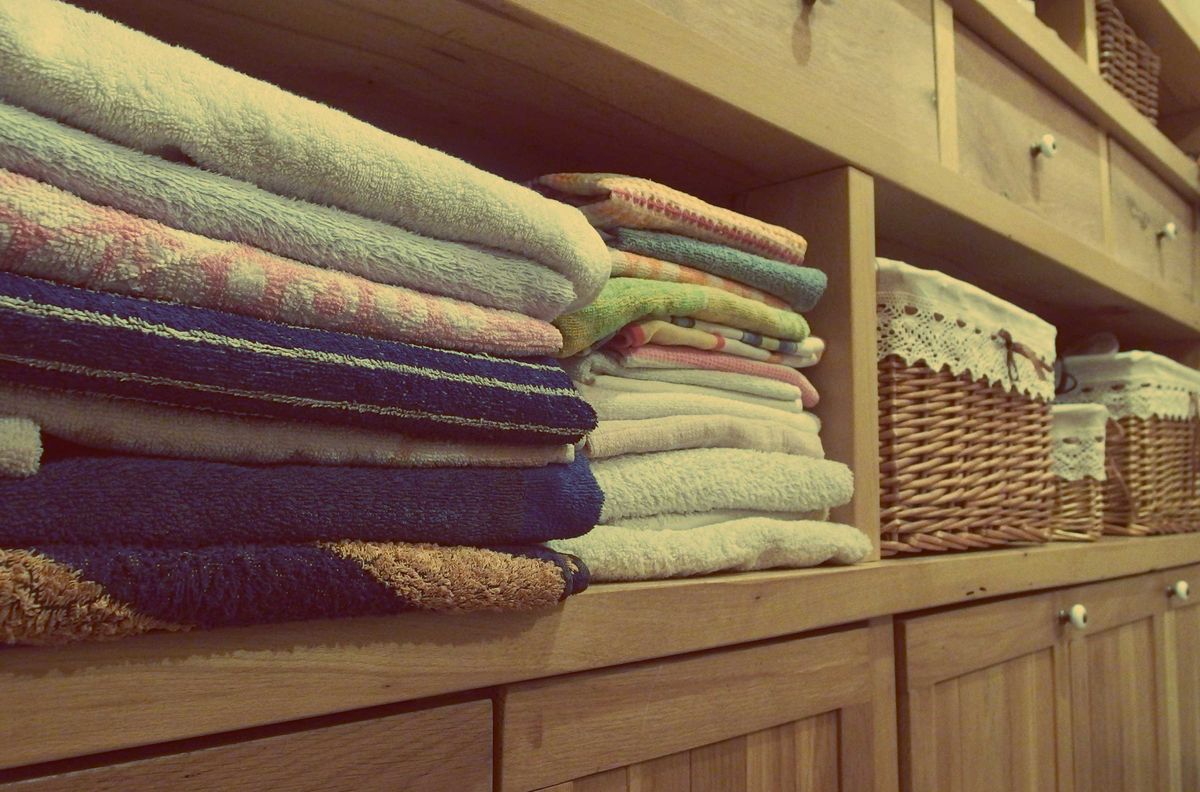
A useful linen cupboard does not need identical stacks. It needs to offer the right-sized sheets without disturbing the rest, and somewhere to return towels without pushing them into a gap.
Organising
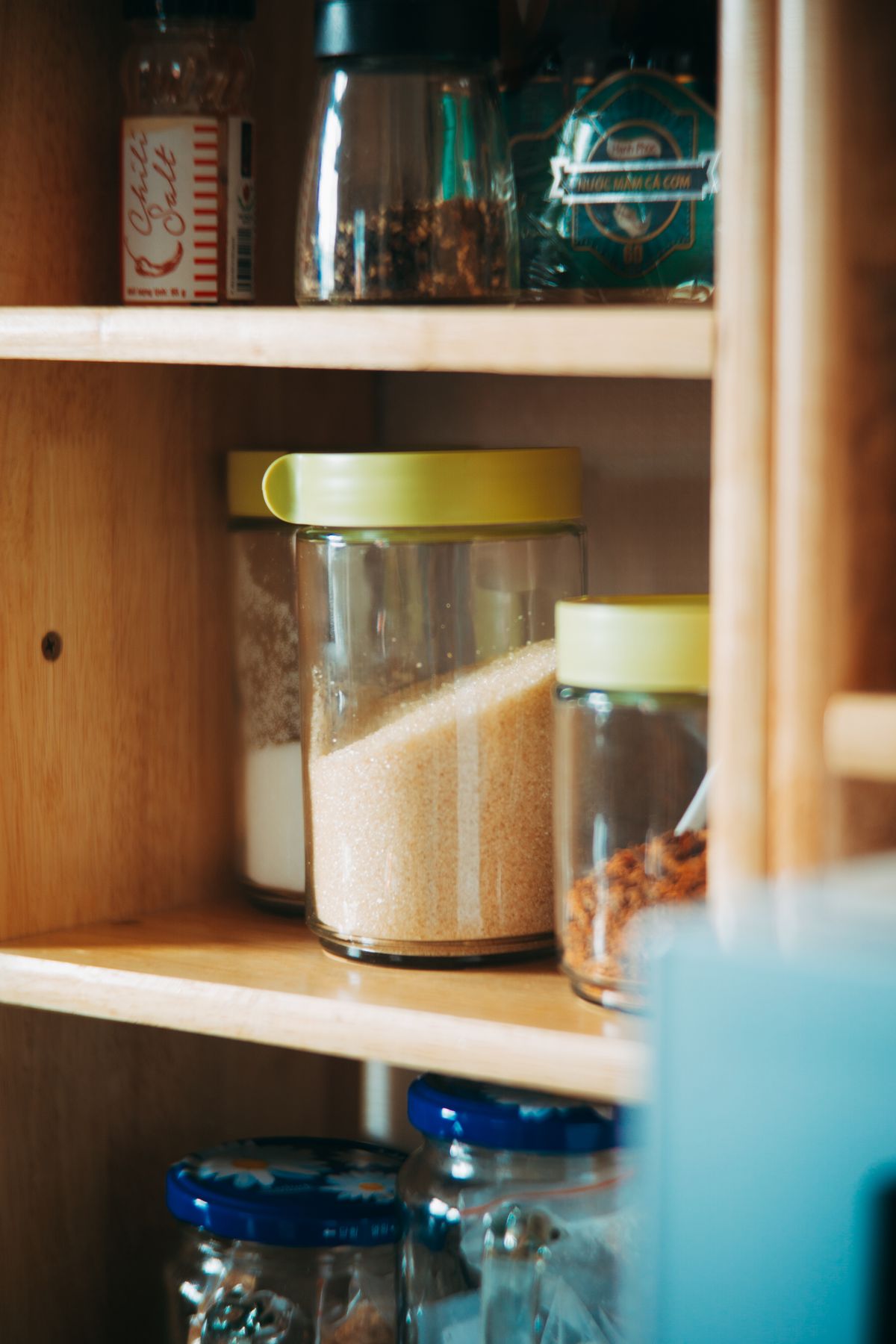
Buying another packet of rice because you cannot see the one you own is a visibility problem. An organised pantry should help you make a shopping list, as well as look pleasant when opened.
Organising
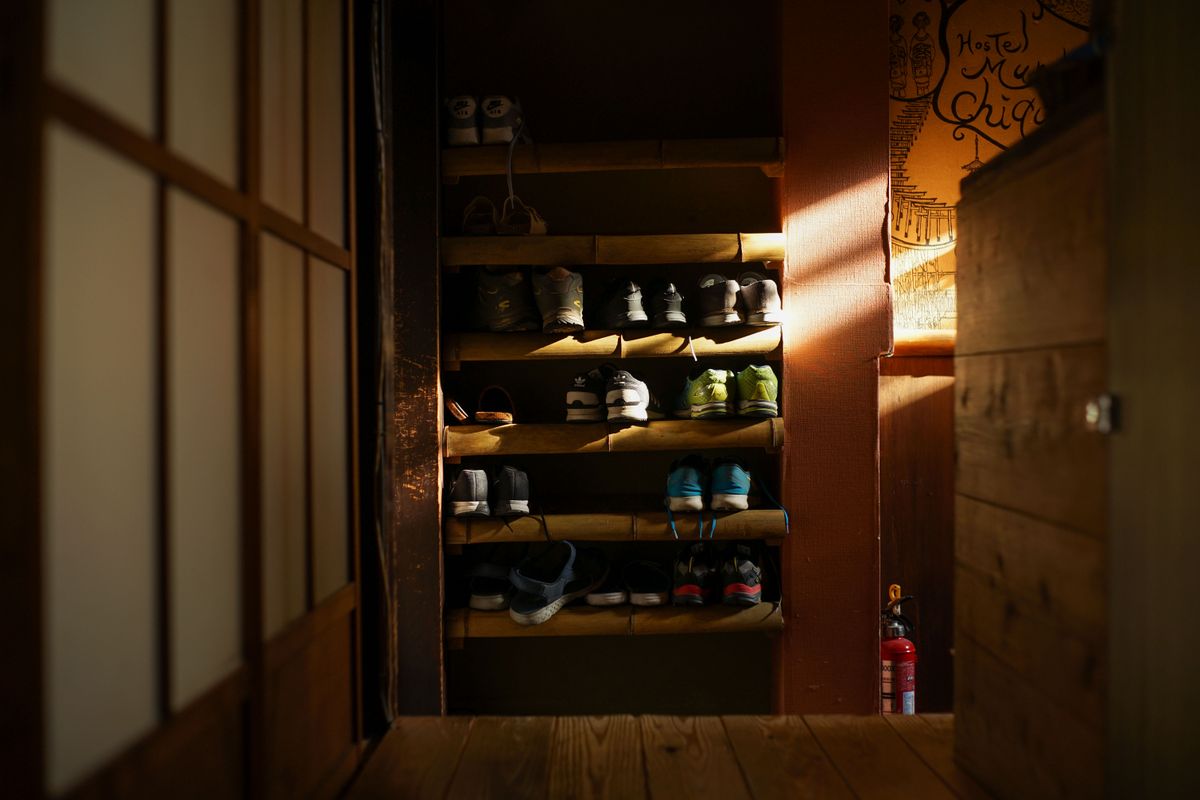
If shoes collect beside the front door, their storage needs to begin there. Moving them to a distant wardrobe every evening may be less practical than creating a small, well-planned place in the entrance.
Organising
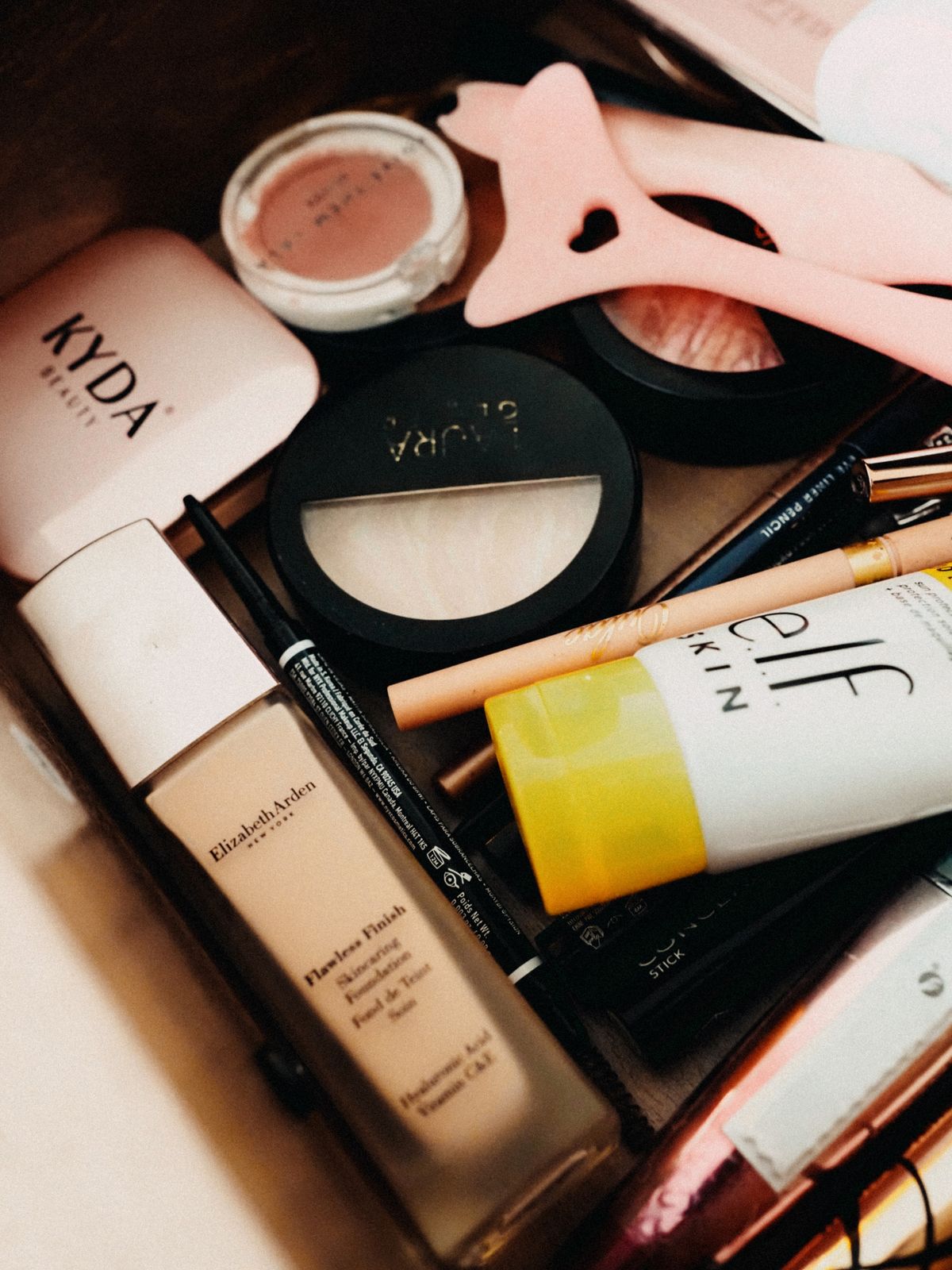
A bathroom drawer fills up when this morning's essentials share space with three replacements and products you have forgotten. Separating those jobs often helps more than adding tiny compartments.
Organising
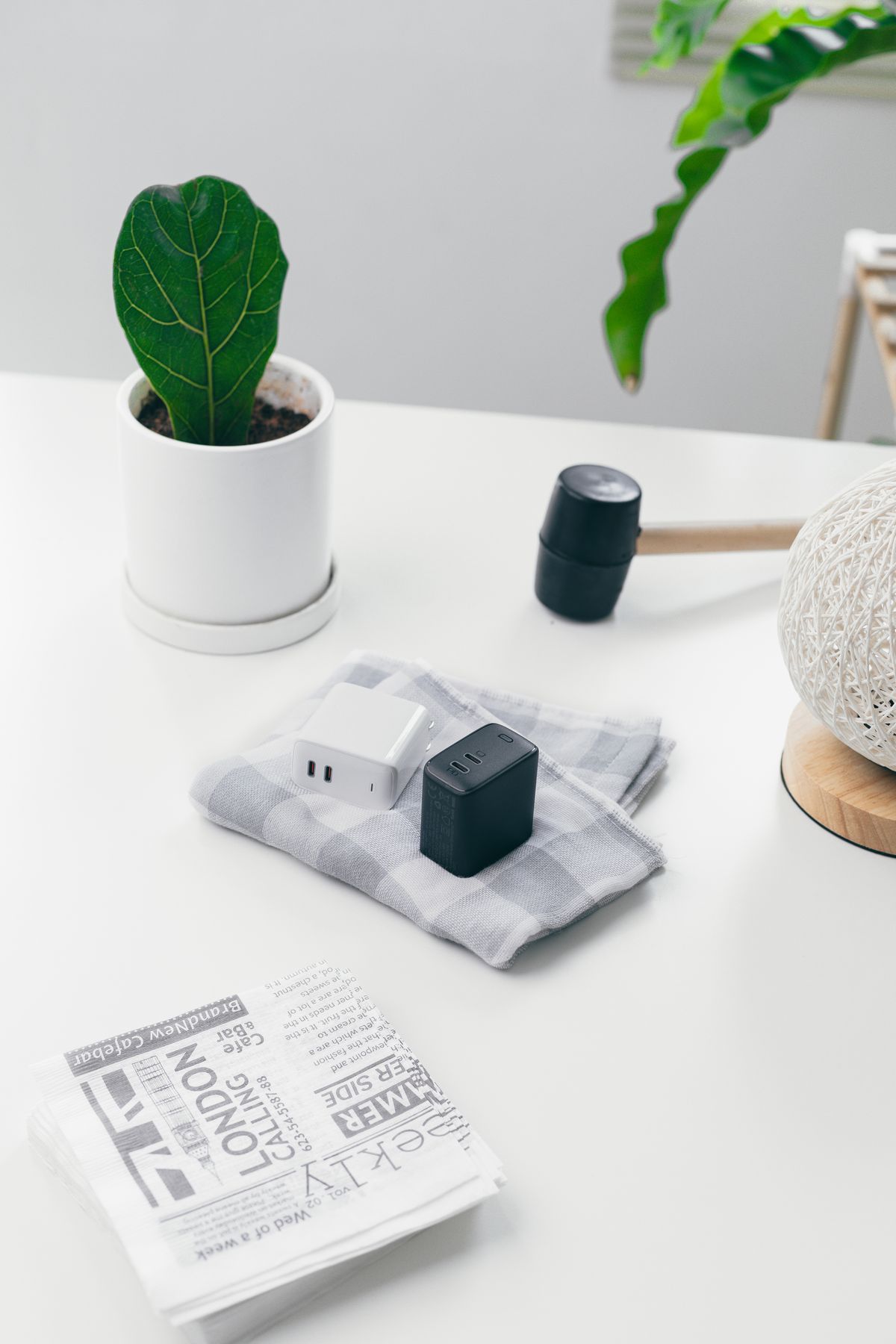
A box can organise stored cables, but it cannot turn every corner into a suitable charging place. Separate unplugged spares from equipment that produces heat while it operates.

Organising
Paperwork becomes difficult when an unpaid bill disappears beneath old warranties. Separating documents that need action from those you only need to keep simplifies the system without multiplying folders.
Organising
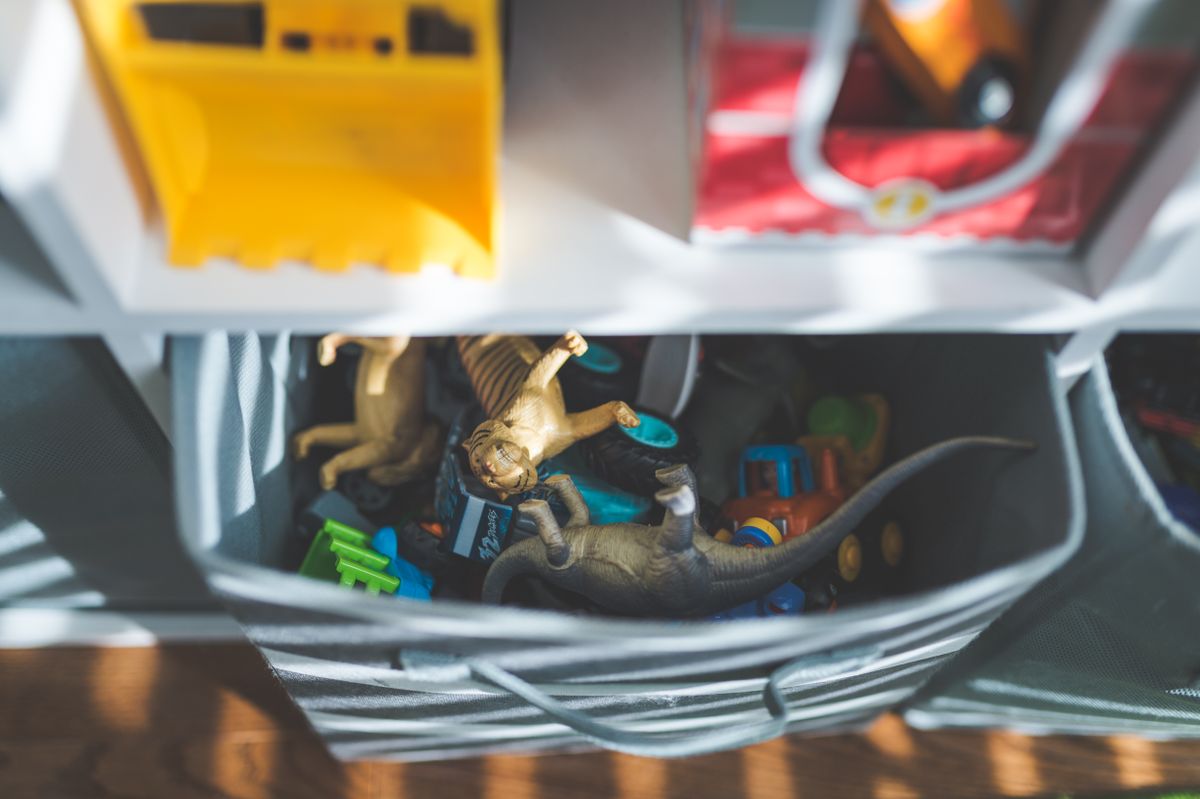
Toy rotation means putting some toys away while leaving others available for a period. It can make pieces easier to find and put back, without turning play into a strict timetable or suddenly removing favourite toys.
Organising
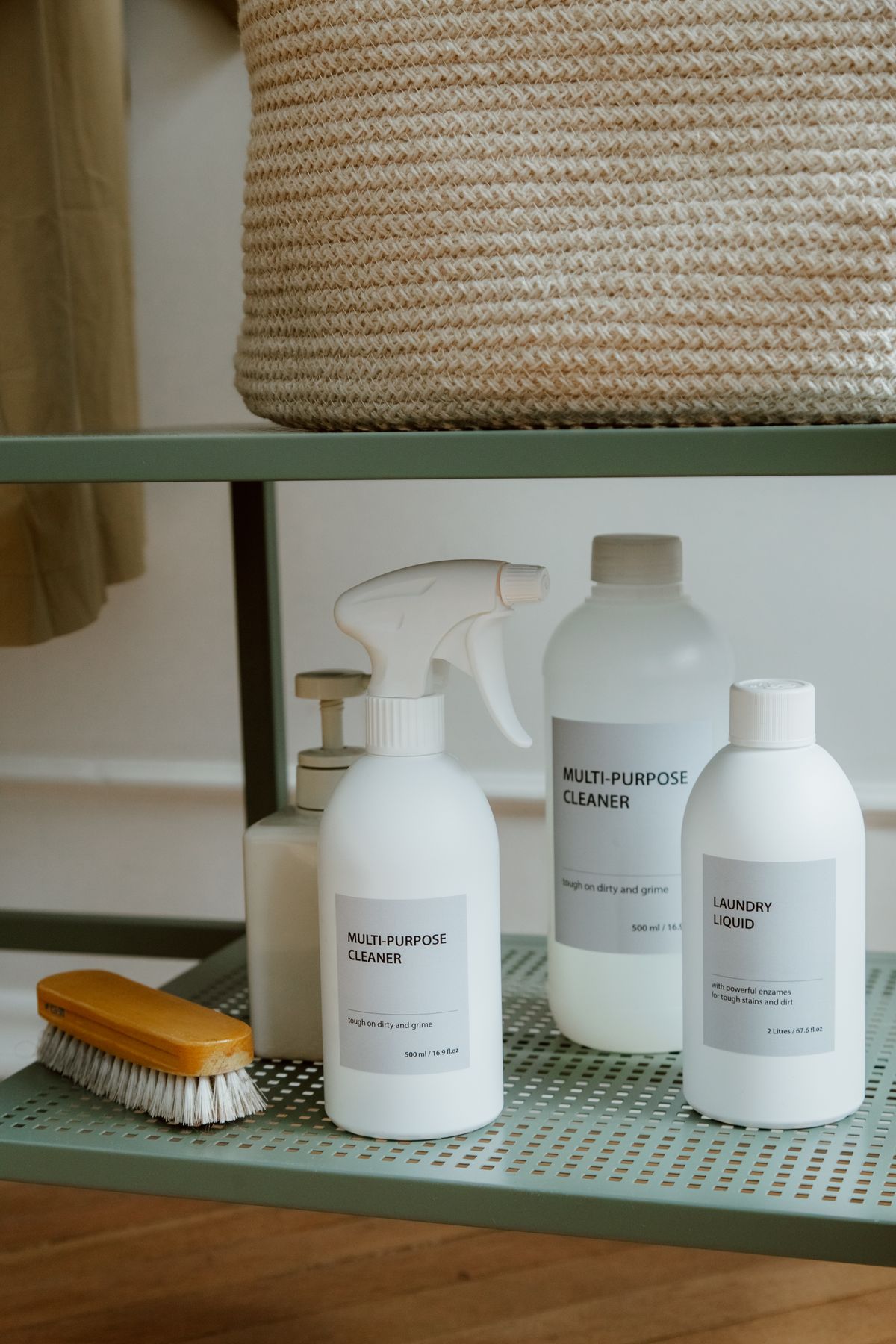
Organising cleaning supplies begins with knowing what each container holds and where it can be stored. The space should support everyday use without hiding labels or leaving hazardous products within children's reach.
Organising
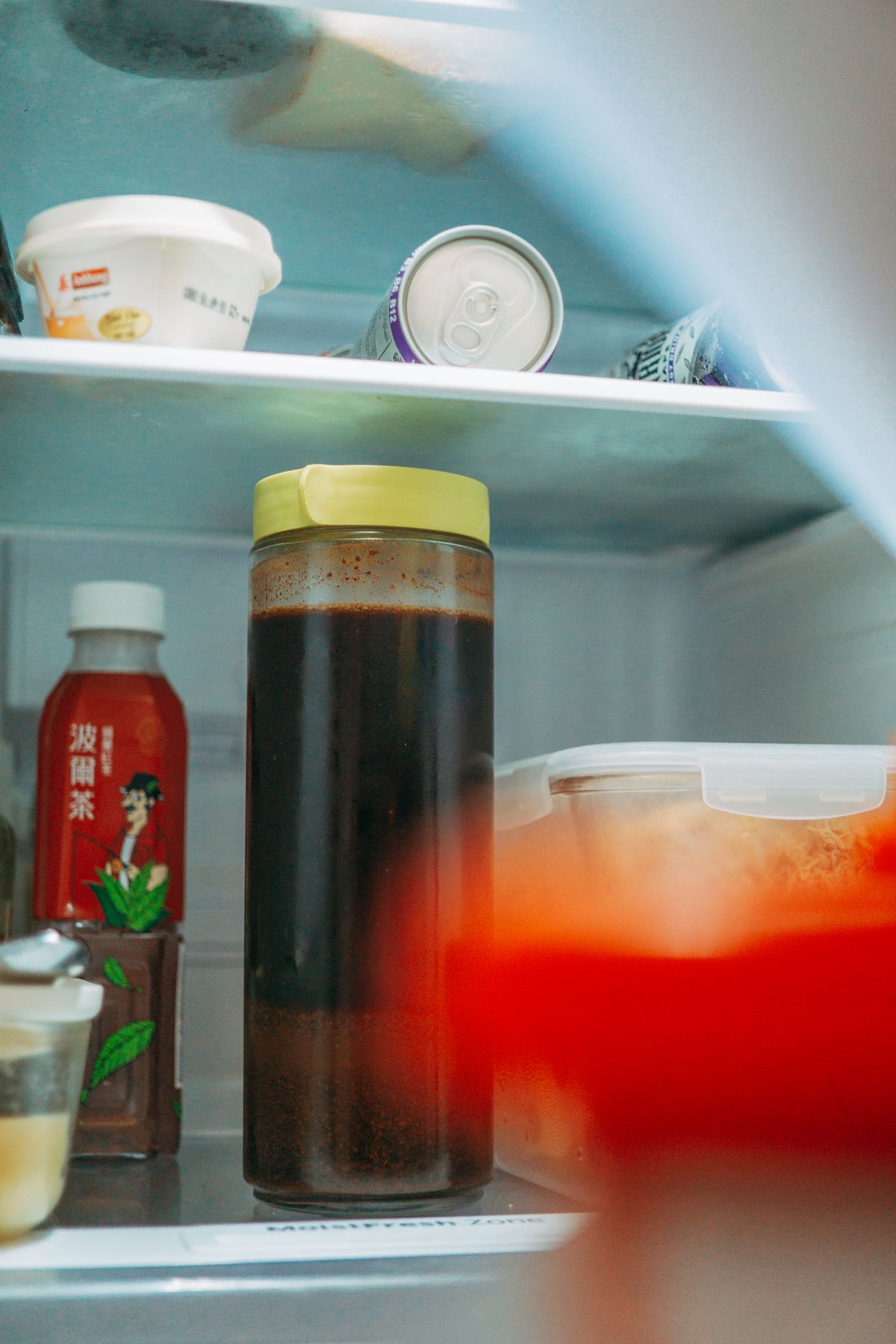
A fridge where you can see the food makes meals easier to plan and prevents opening duplicate packets. Its arrangement should follow the appliance instructions and each product's storage needs before any aesthetic preference.
Organising
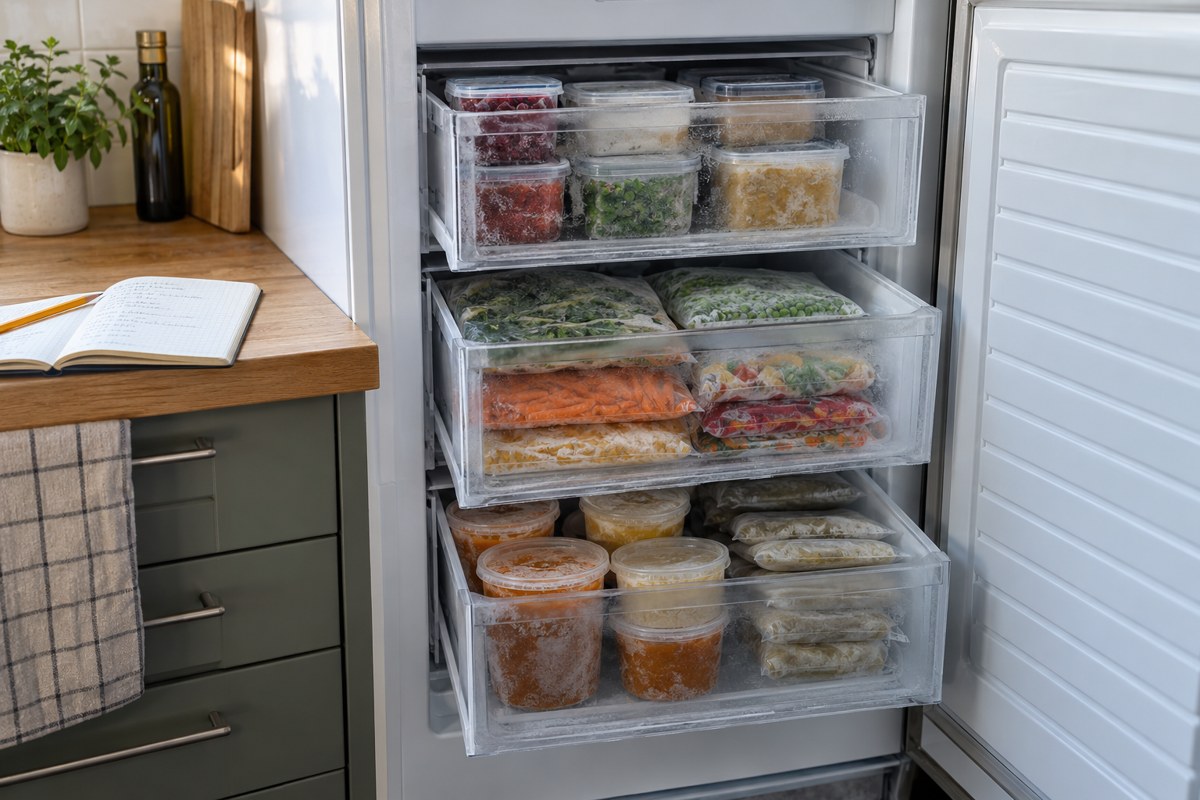
A freezer inventory can be a simple sheet of paper. Its usefulness depends on updating it when a portion comes out, rather than turning every drawer into a complicated database.
Organising
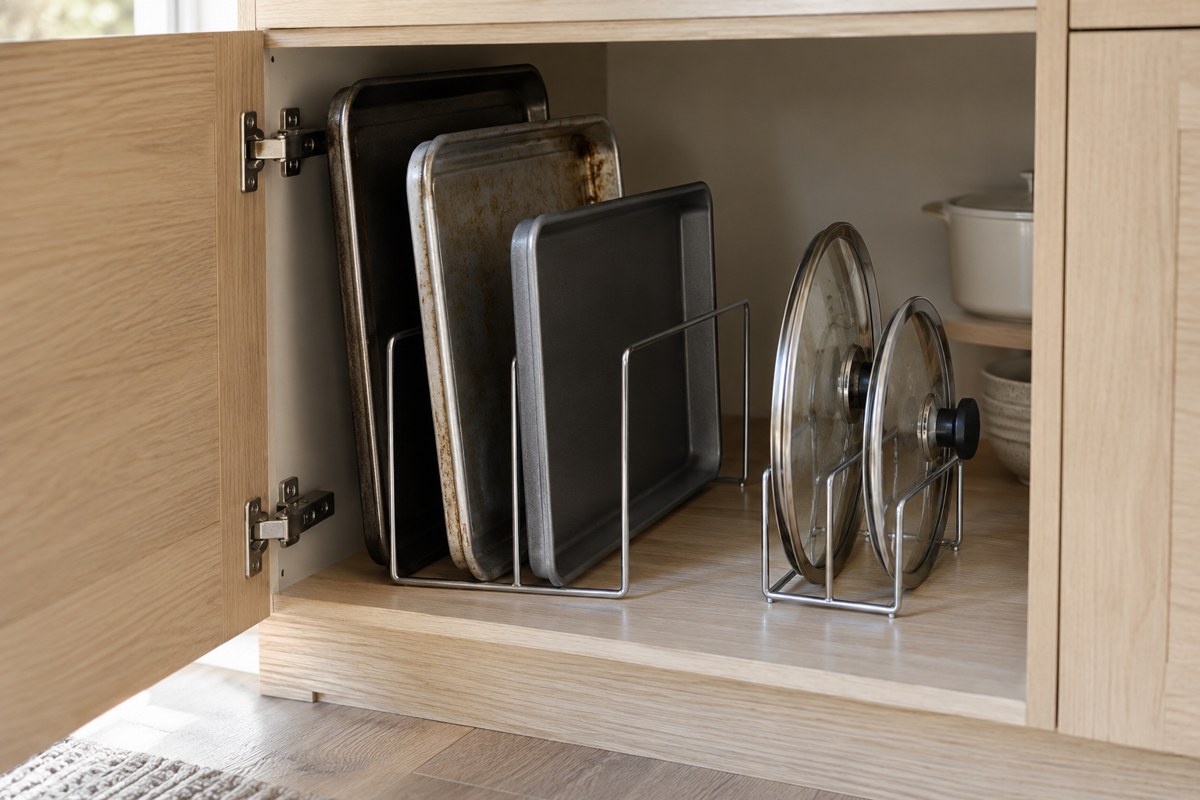
Flat baking trays seem easy to stack until you need the bottom one. Standing them on edge can solve that problem, provided the cupboard lets you remove them without catching hinges or dropping lids.

Organising
Reusable bags stop being useful when they accumulate at home but never come shopping. A short cycle of use, cleaning and return usually works better than one enormous bag stuffed with other bags.
Organising
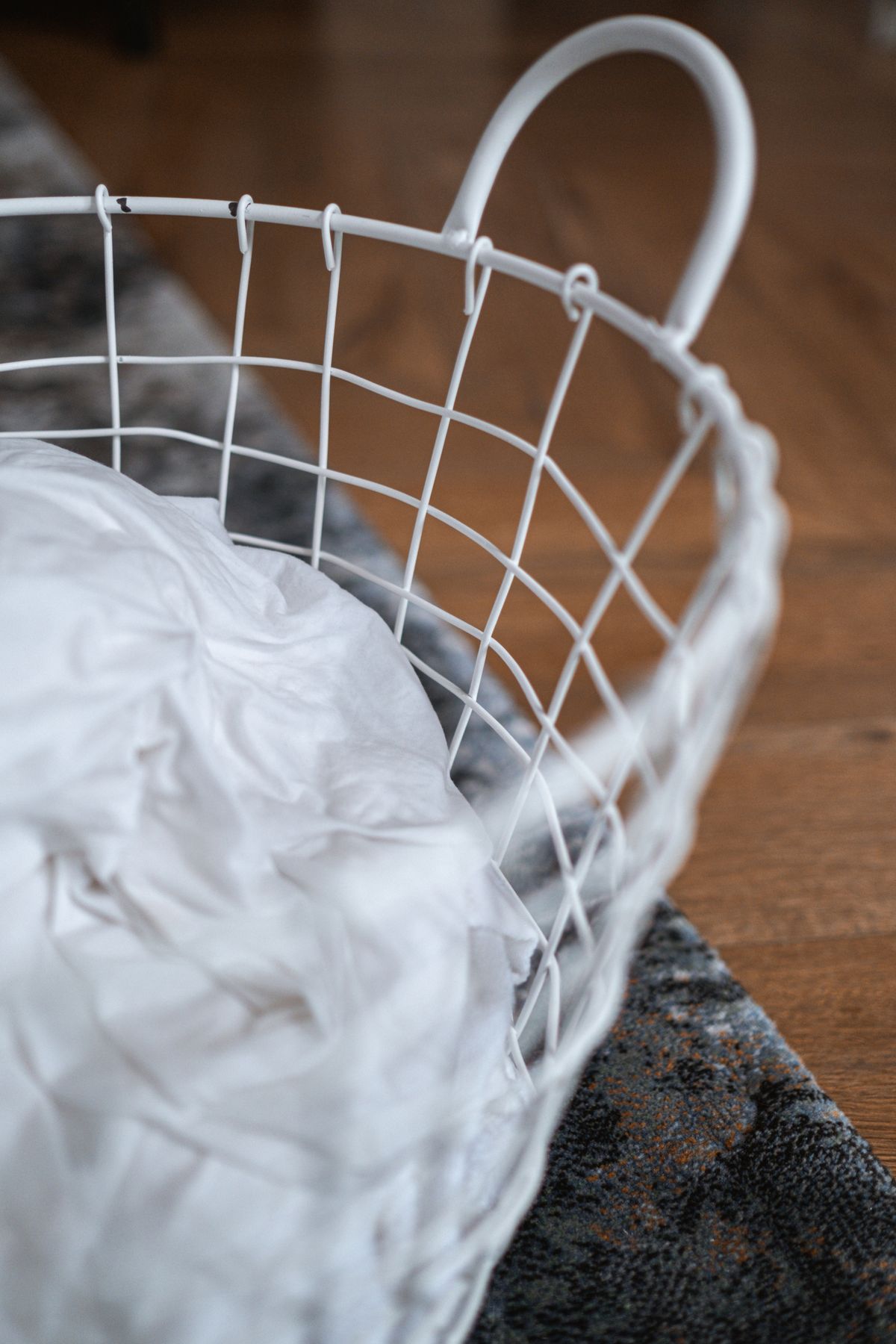
Laundry does not end when the washing machine beeps. The real blockage may be a drying rack, a basket of clean clothes or the journey back to the wardrobe. Organise the entire route.

Organising
A fine necklace can tangle despite taking up very little room. Separating chains and supporting delicate pieces usually works better than gathering every item of jewellery in a single bowl.

Organising
Putting away out-of-season clothes can free wardrobe space, but only if you remember what is stored and can retrieve it without opening every box. Preparation matters as much as the container.
Organising
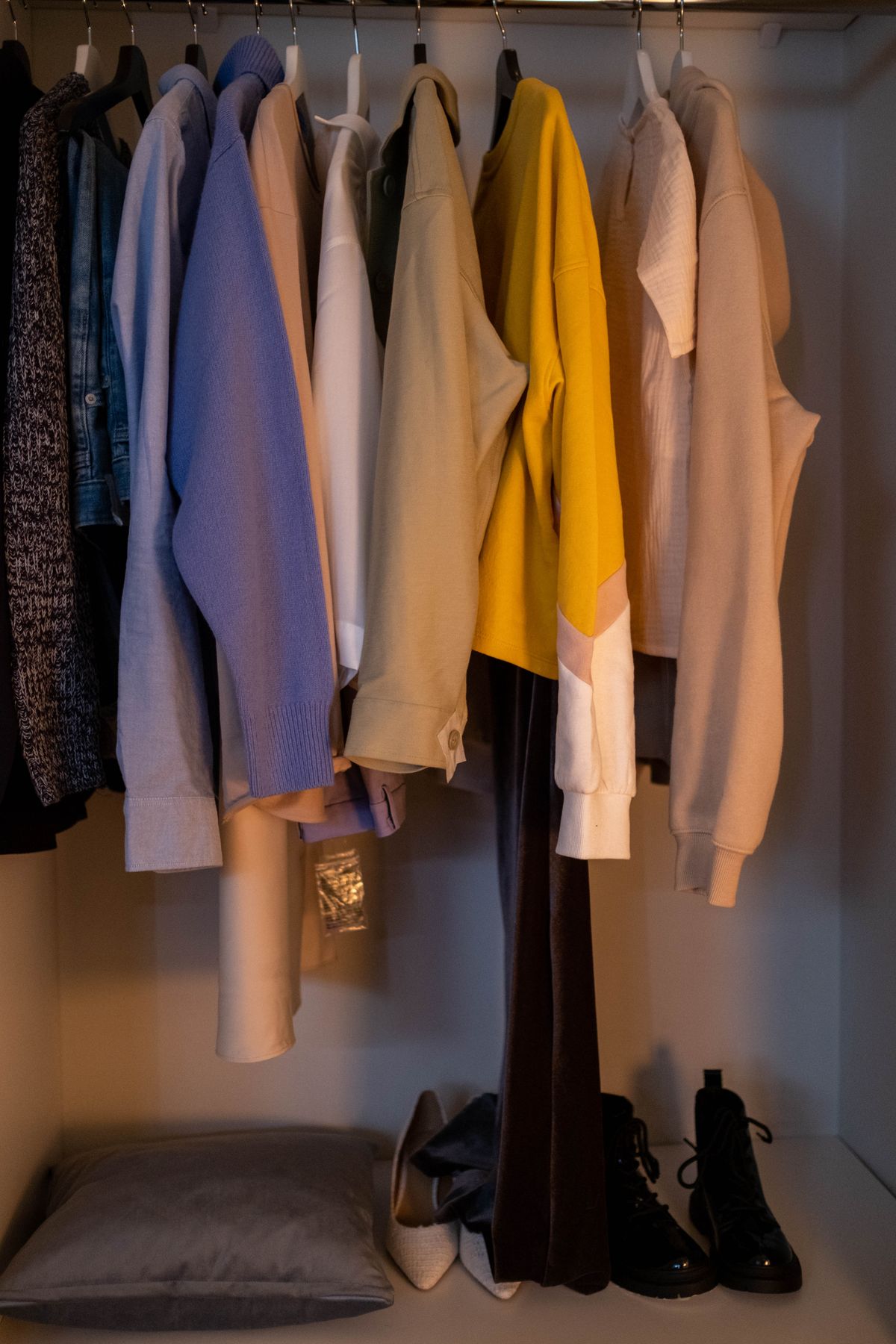
Sharing a wardrobe does not require splitting it exactly in half. A fair arrangement considers clothing types, each person's reach and who needs access to particular items during the week.
Organising
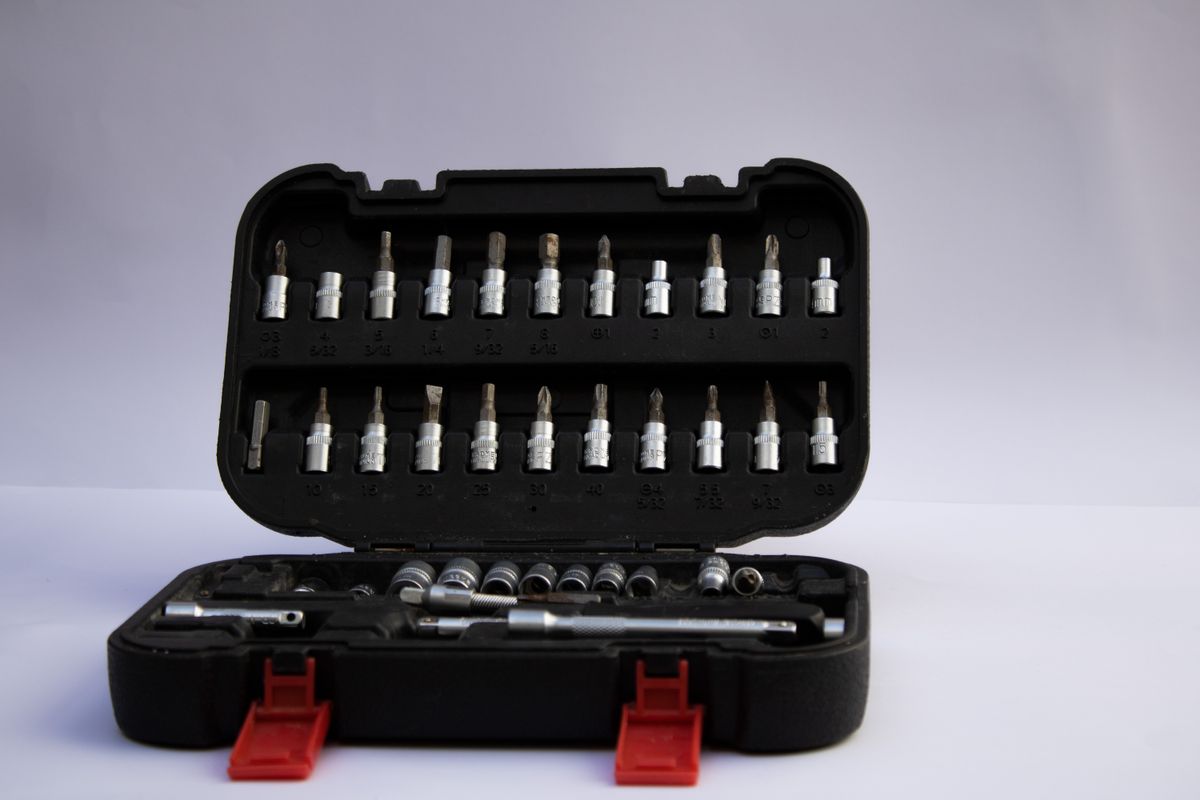
Tightening a screw should not require searching three drawers. A small household toolkit works best when it is complete, recognisable and separate from loose pieces whose original purpose nobody remembers.
Organising
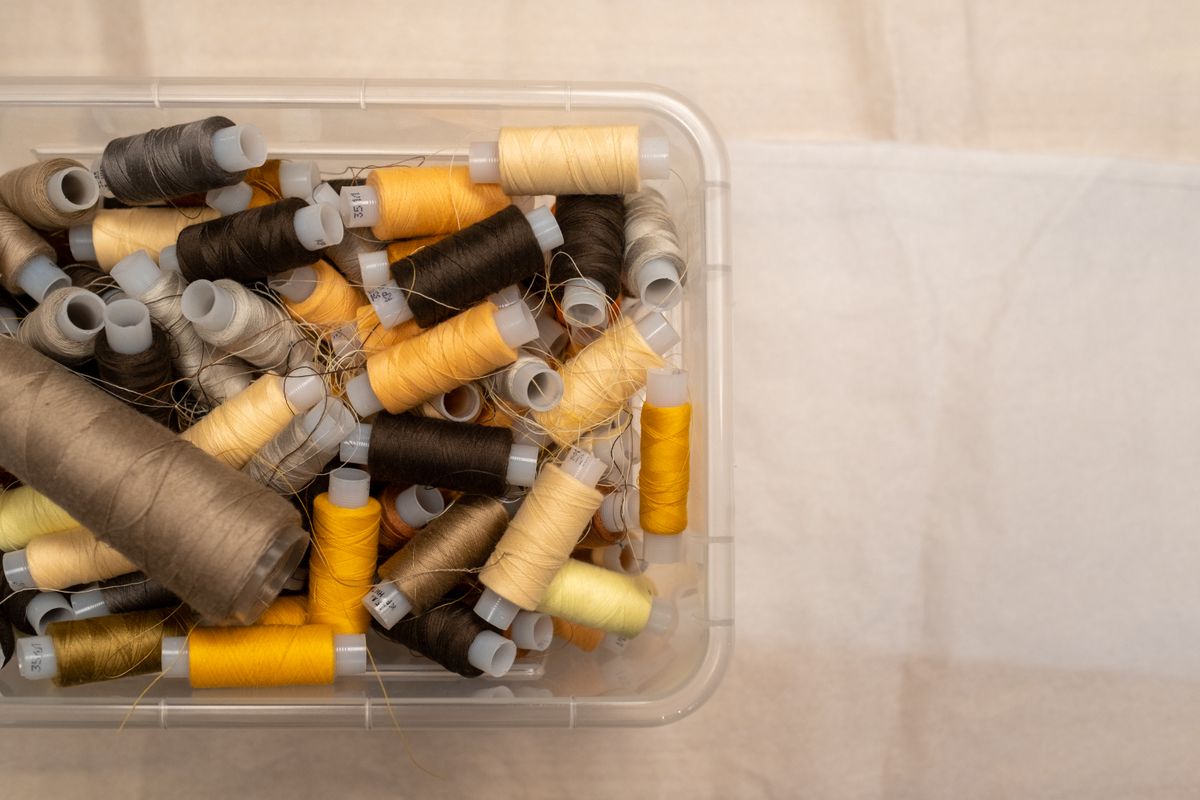
Hobby supplies work best when they let you start a project without clearing half the room. Separating active work from reserve materials prevents every session beginning with a search for scissors or missing pieces.
Organising
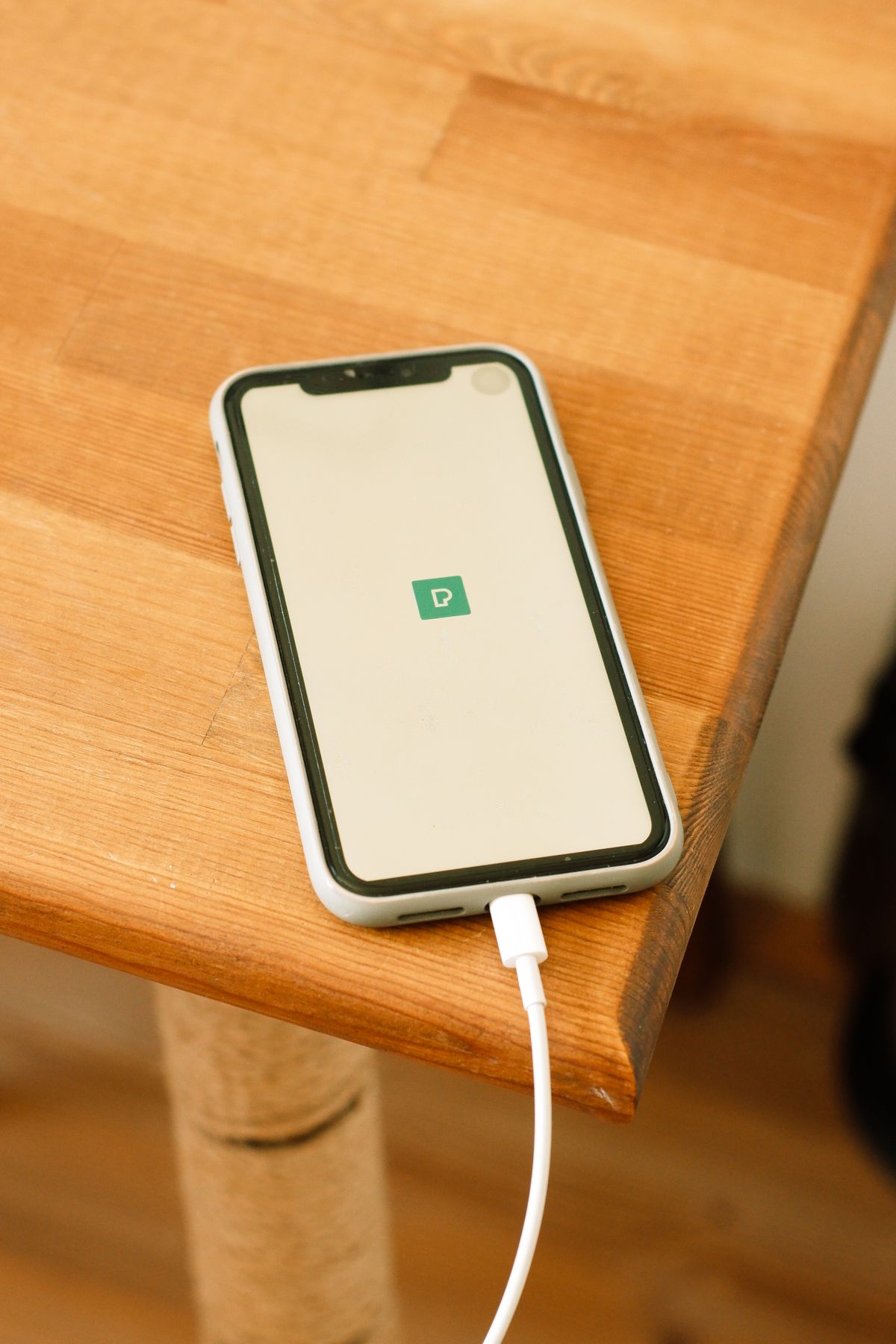
A shared charging spot prevents searching for sockets around the house, but needs more than an attractive tray. It should provide space, ventilation and comfortable access to every device.
Organising
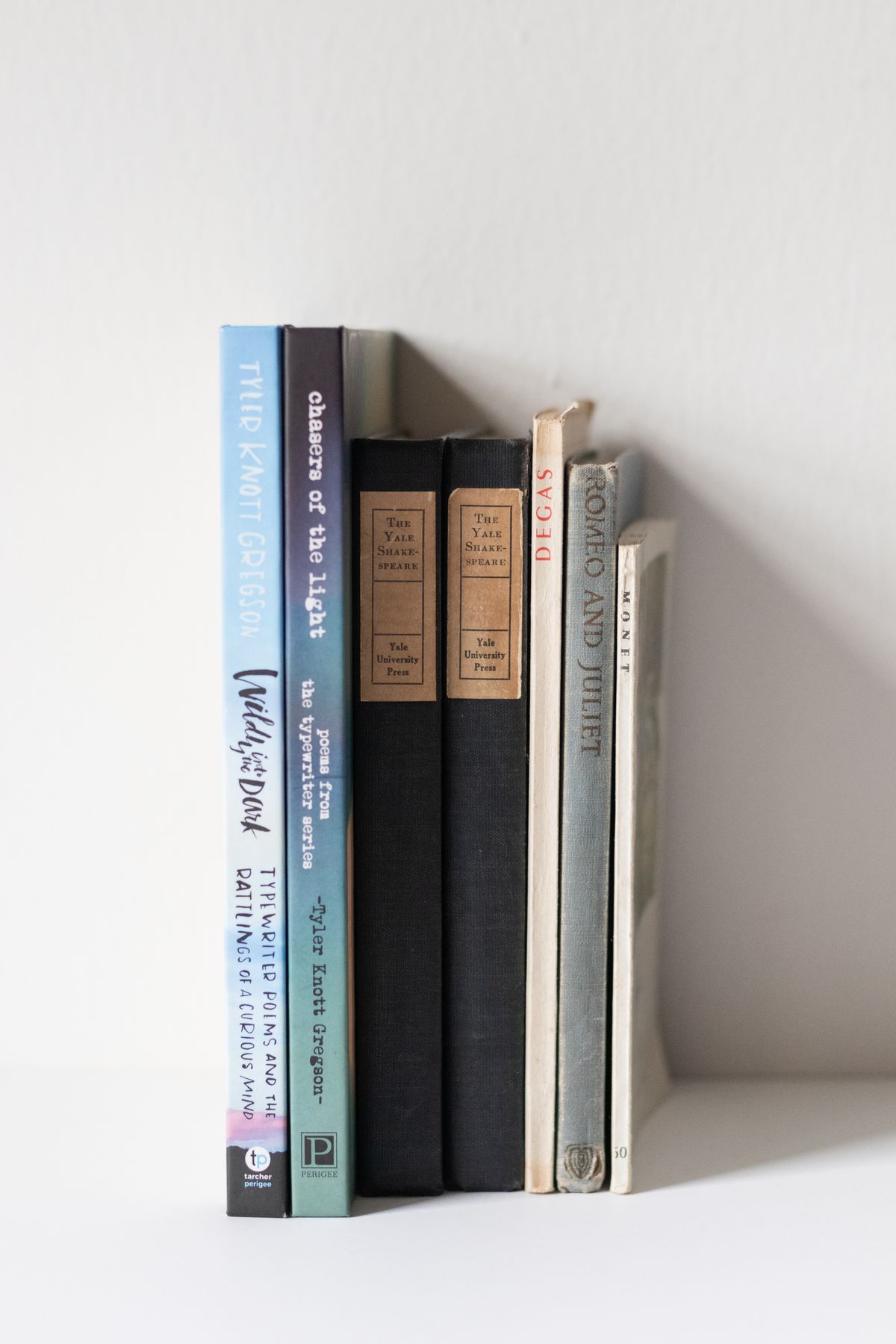
A bookshelf can look attractive and remain difficult to use. If finding a book requires remembering its cover colour, the decorative arrangement may have displaced the reading one.
Organising
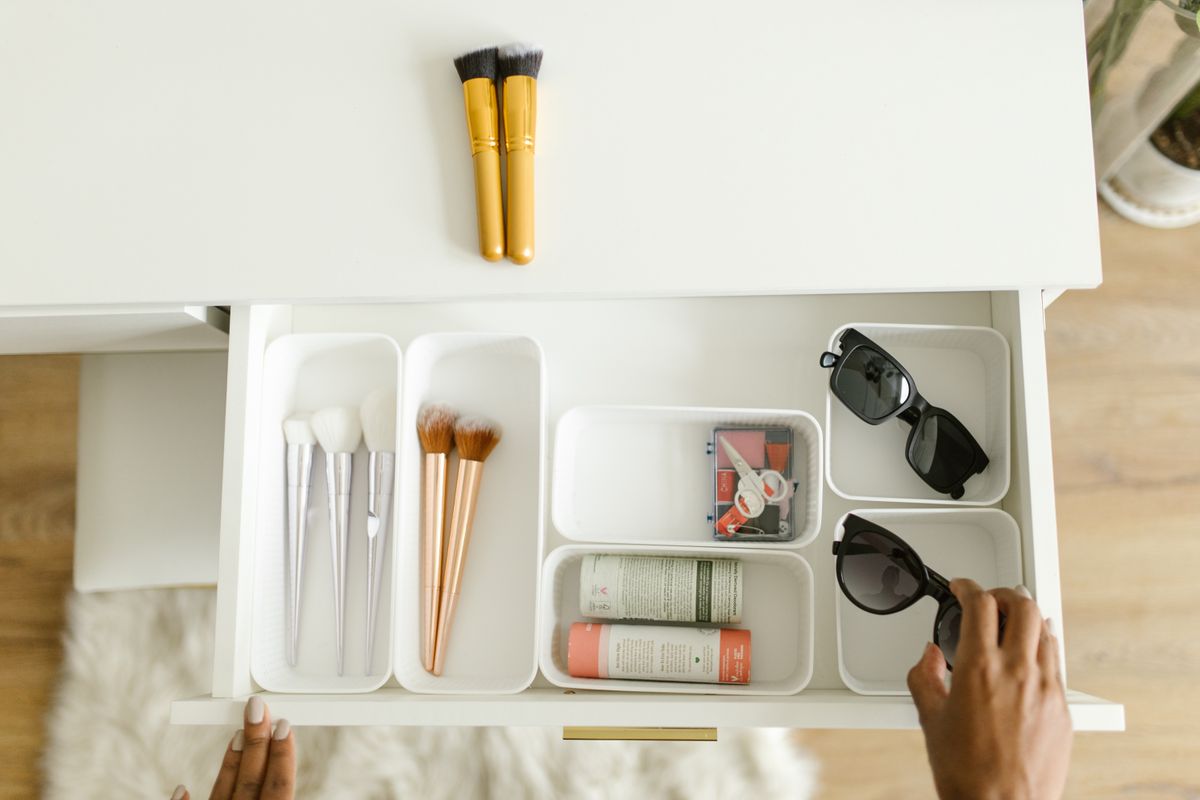
A small drawer lets you finish a useful improvement without spending the whole day organising. Keep the task limited to its contents and give everything you remove a definite destination.
Organising
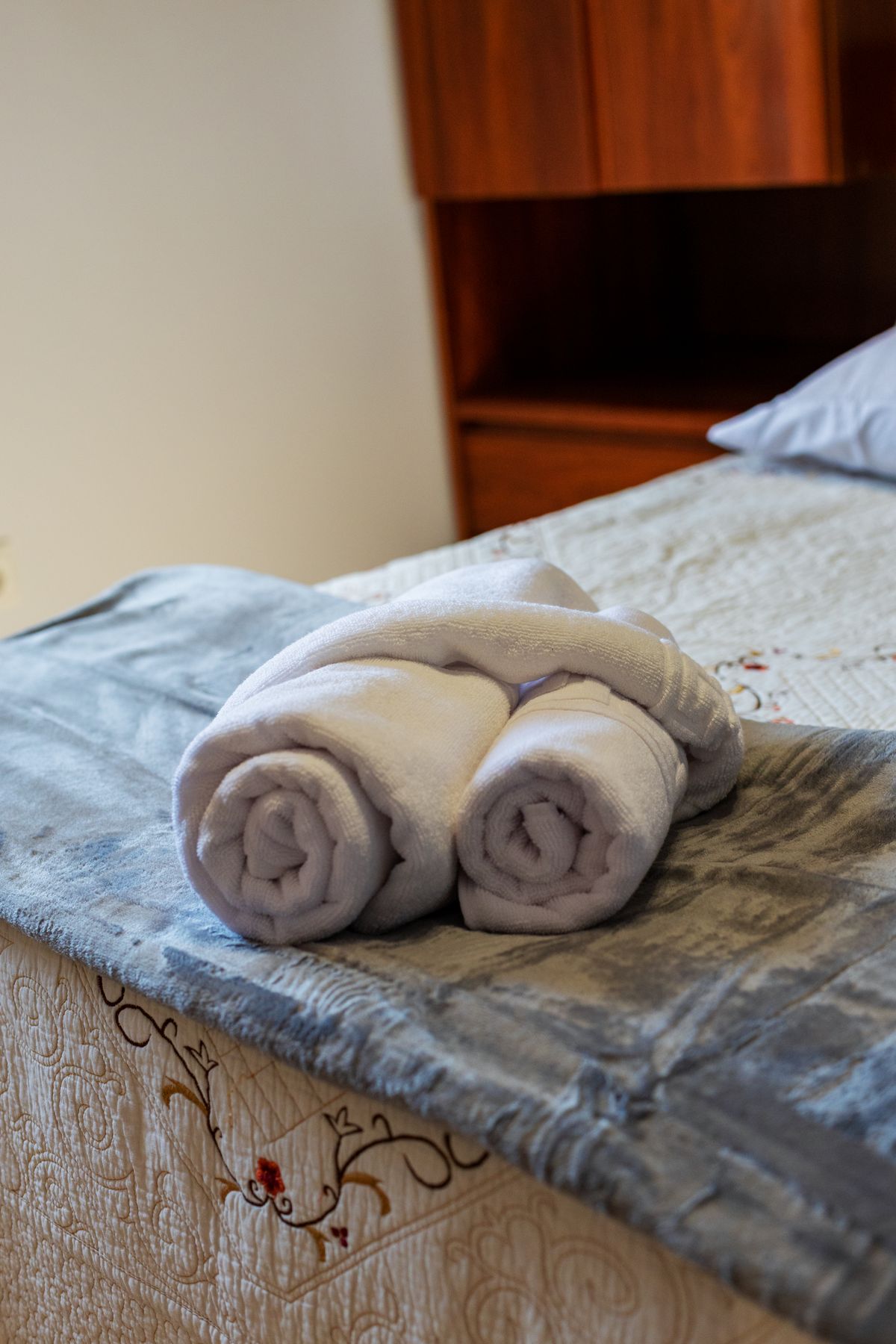
Keeping guest essentials together prevents a last-minute search for a pillowcase. You do not need to maintain a hotel-style room: gather what you actually offer and leave space for the person arriving.

Organising
Sorting household waste is easier when containers sit near the place packaging is emptied. Before buying a matching set of bins, check local collection rules and how much room your household needs between collections.
Organising
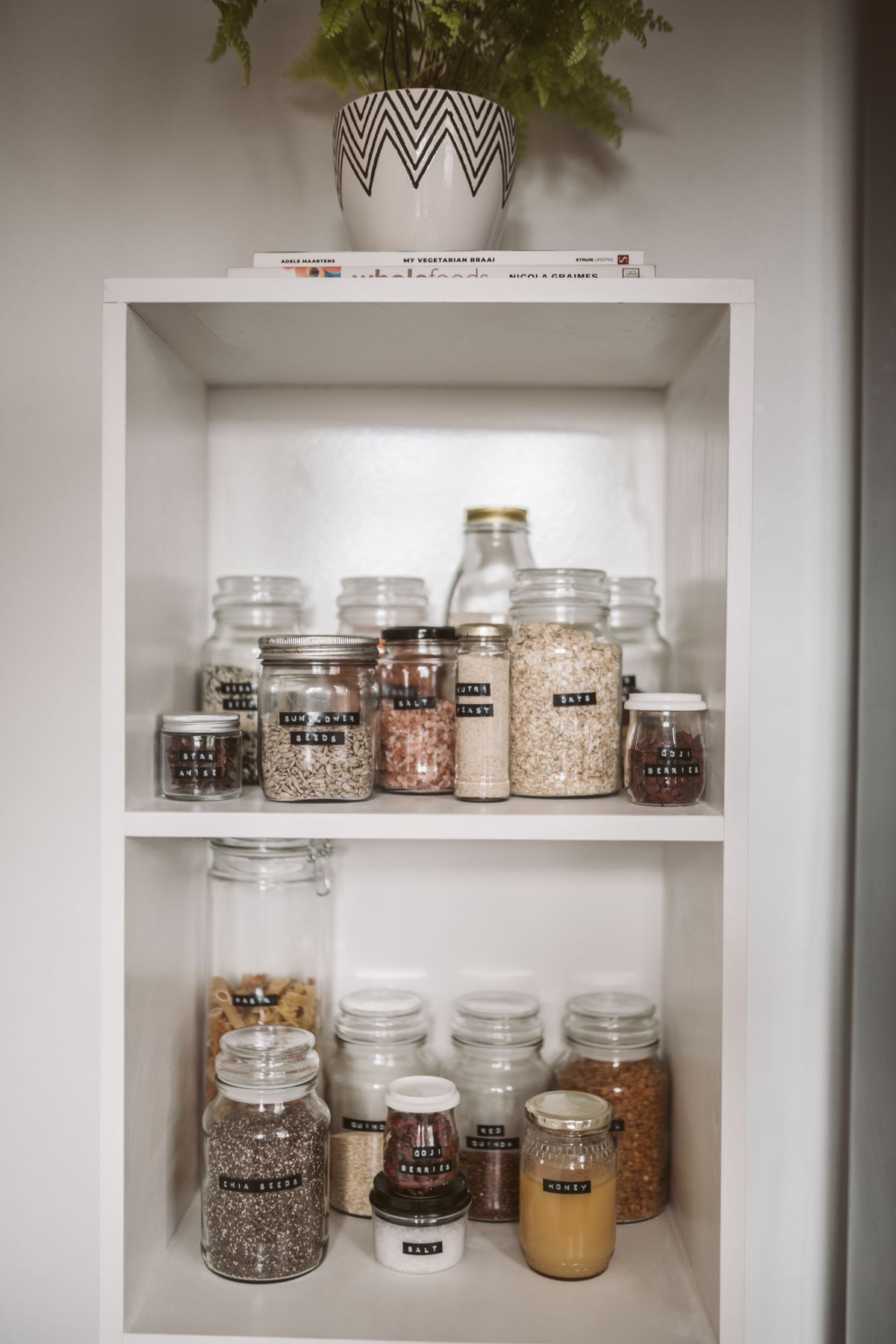
A useful label answers a question: what is inside, whose it is or what needs to happen next. If it merely repeats the obvious, it may add work without helping anyone find anything.
Home care
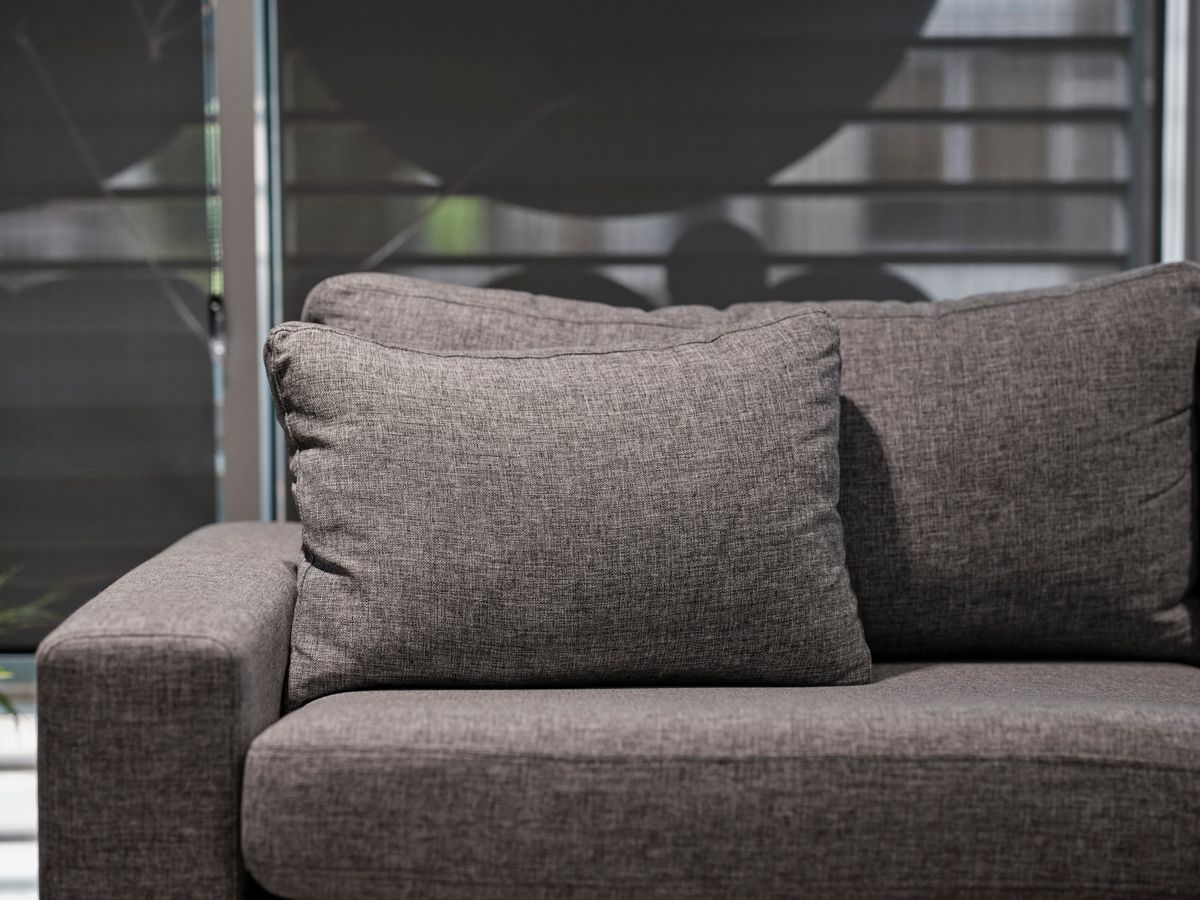
A zip does not make a cushion cover machine washable. Identify the upholstery and its care instructions before reaching for water or stain remover.
Home care
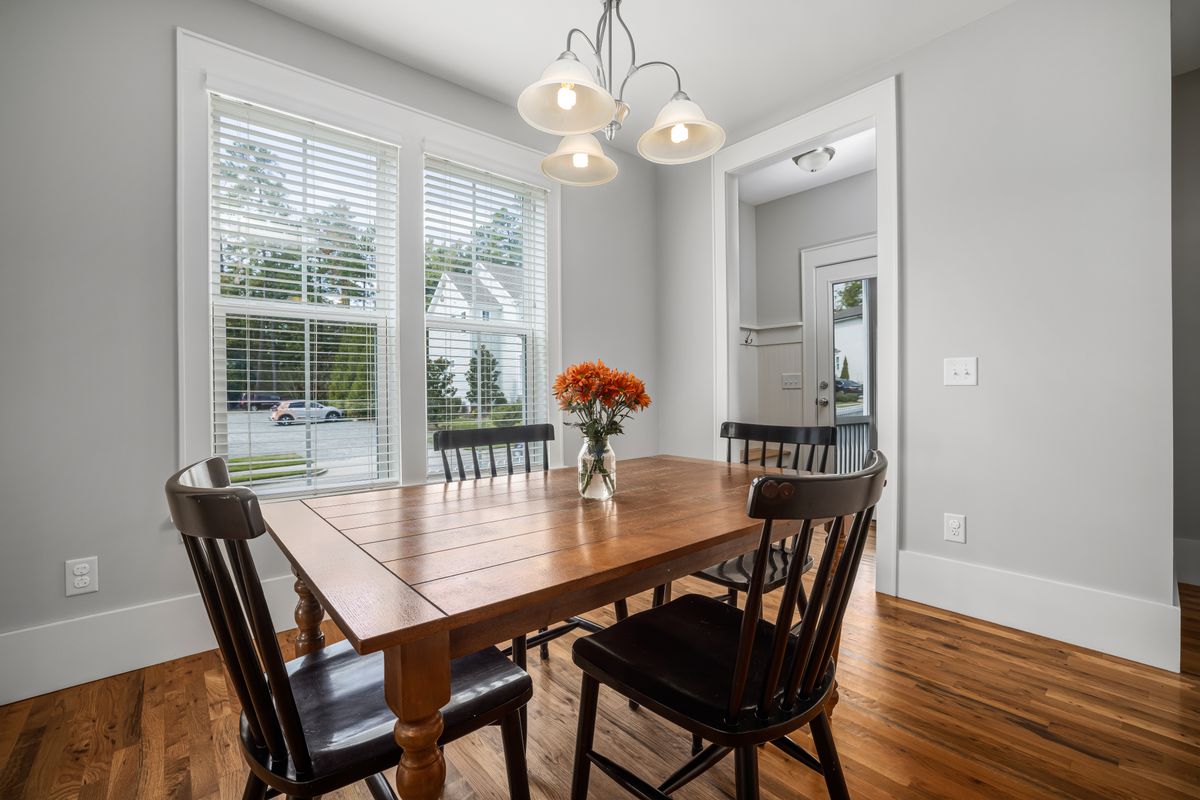
A wooden dining table usually needs fewer products than the cupboard suggests. Identify its finish, deal with spills promptly and protect the places where everyday use leaves marks.
Home care
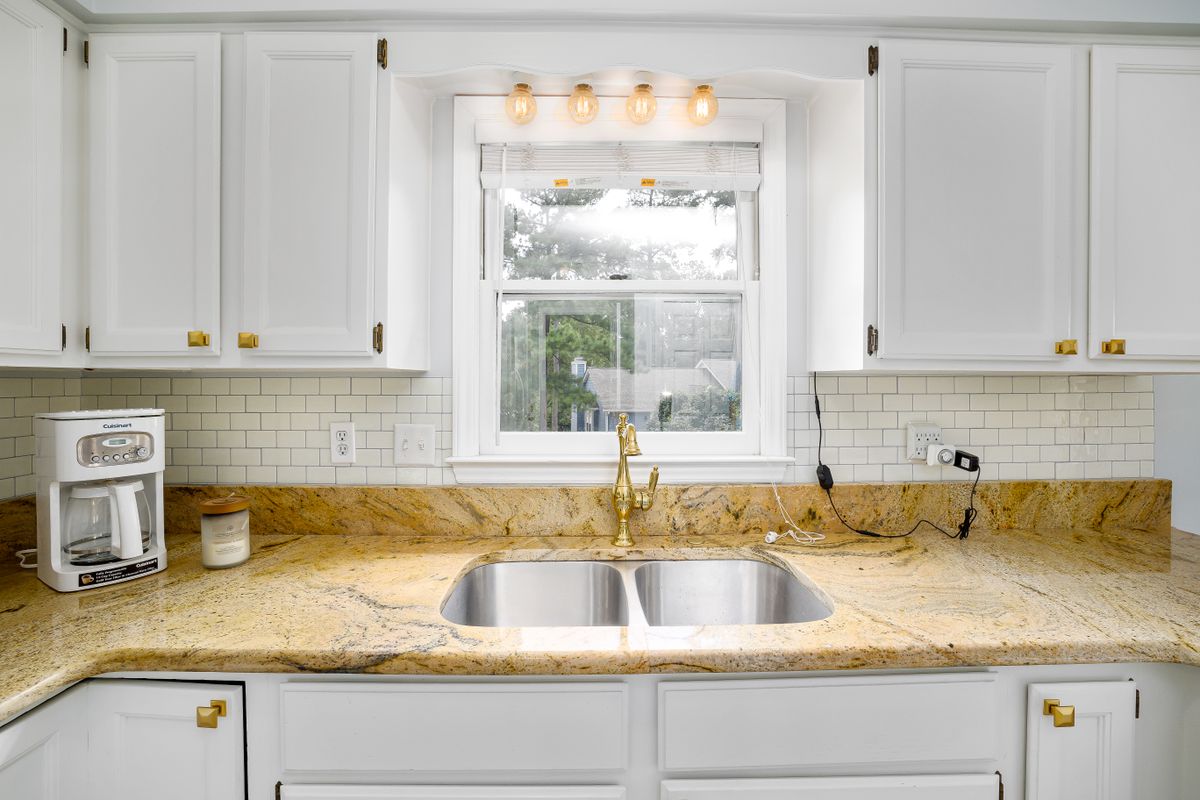
Marble and limestone do not need a stronger cleaner to look good. They need a compatible one: an acid can leave a dull mark that rinsing cannot remove.
Home care
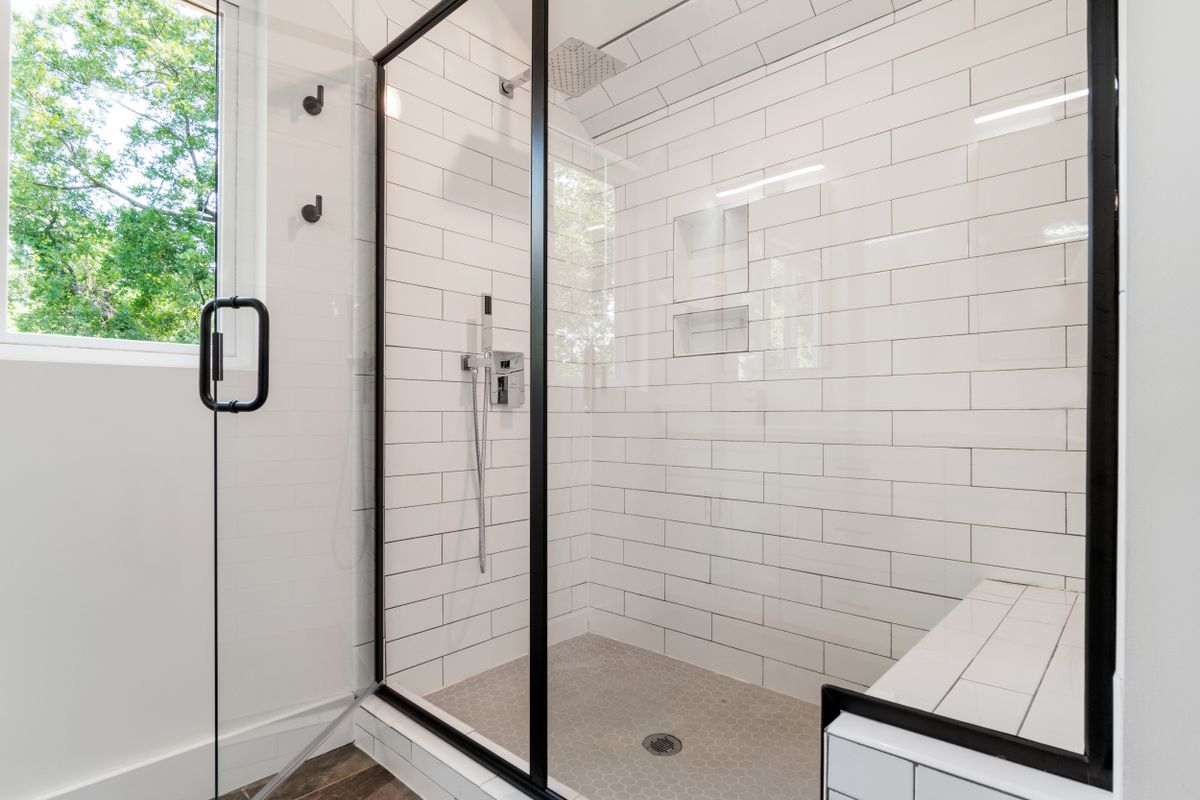
Drops that dry on a shower screen can leave deposits behind. Removing some water after showering makes later cleaning easier, but the glass treatment and surrounding materials still matter.
Home care
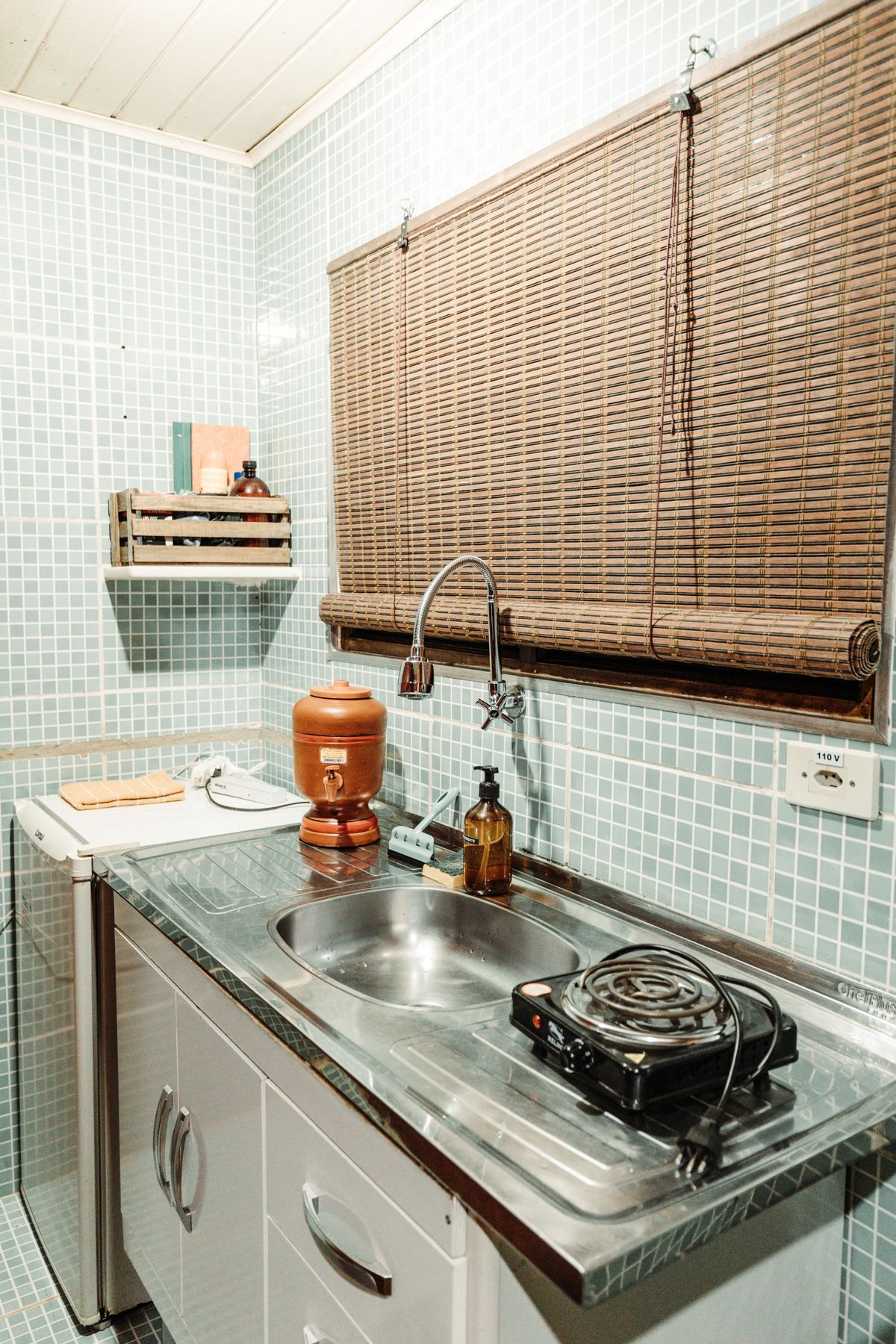
Fingerprints show quickly on stainless steel, but an aggressive scourer can leave a much longer-lasting mark. Identify the finish first and start with a genuinely clean cloth.
Home care
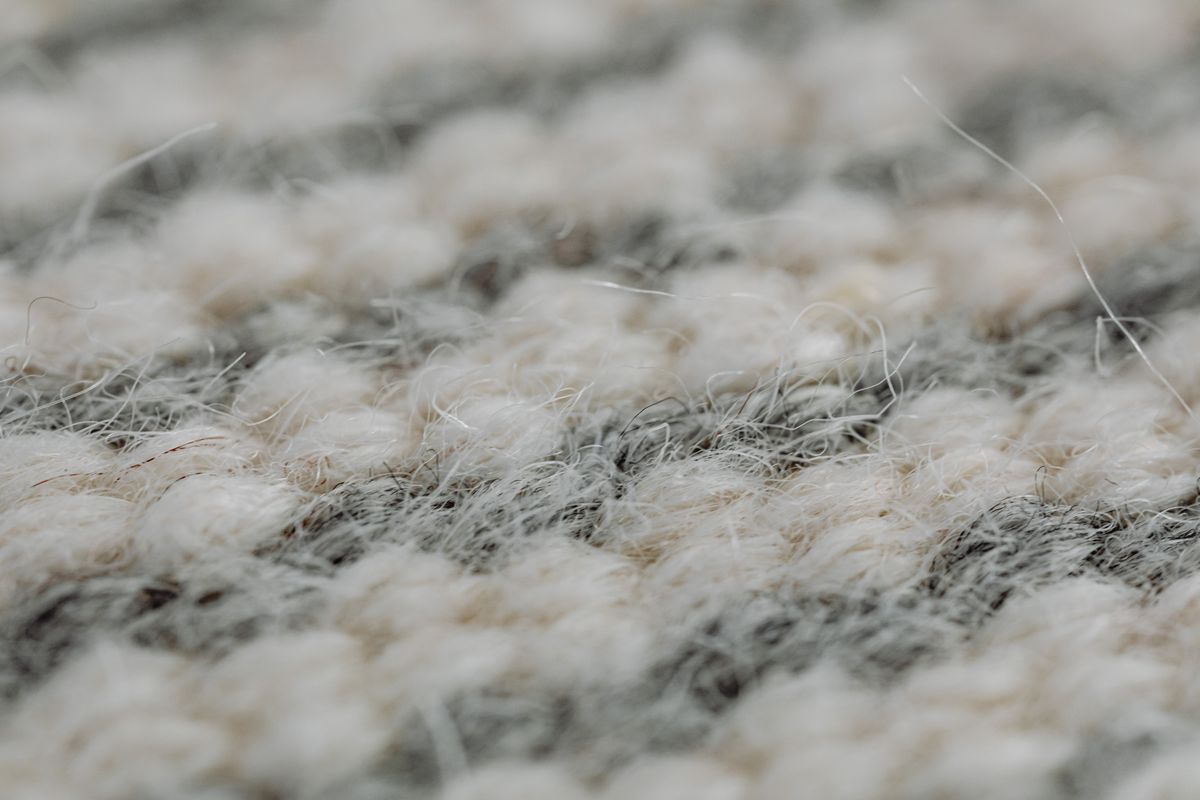
Wool benefits from having loose dirt removed before it settles deep into the pile. Careful vacuuming and a calm response to spills do more than vigorous scrubbing.

Home care
Taking curtains down is enough work without discovering afterwards that the chosen wash is unsuitable. Plan the whole process before removing the first hook.
Home care
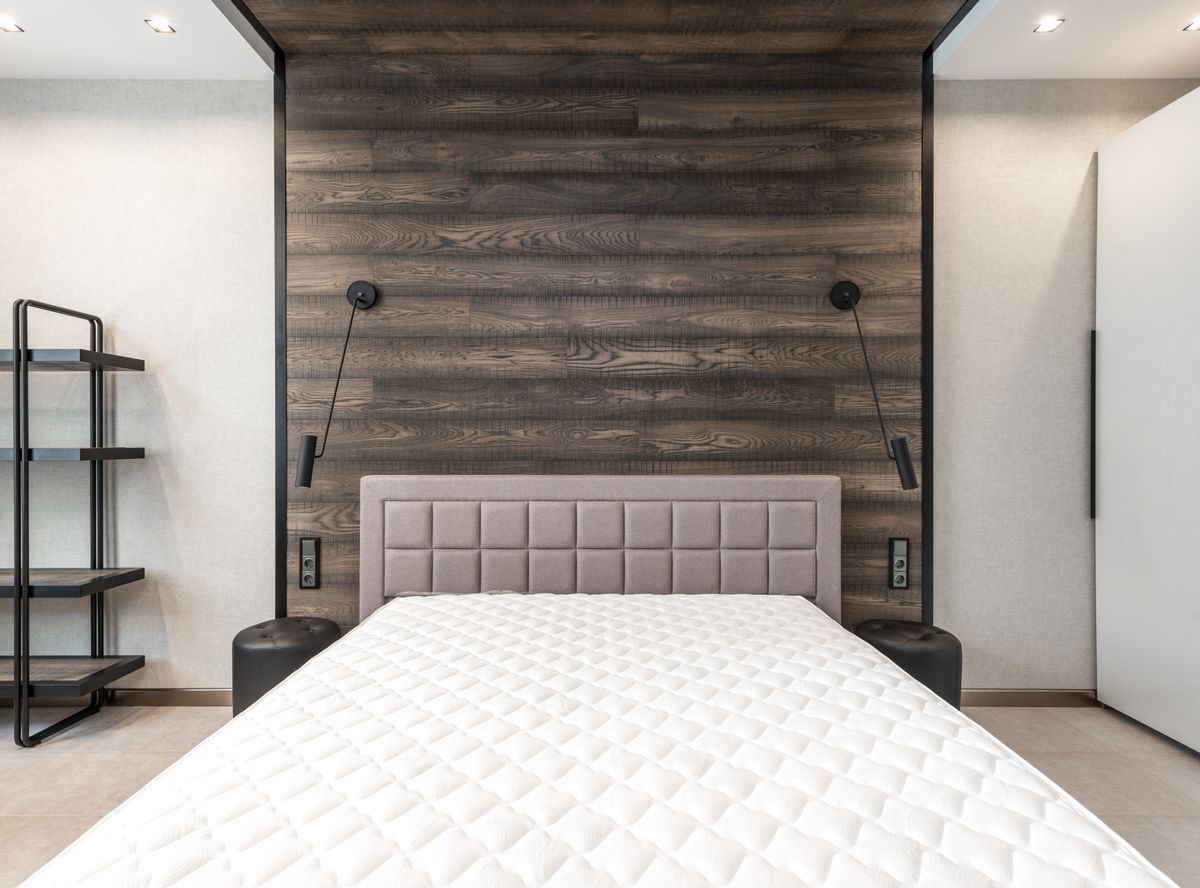
Cleaning a mattress is not a matter of wetting it until it looks new. Protection, prompt attention to spills and avoiding trapped moisture are more useful starting points.
Home care
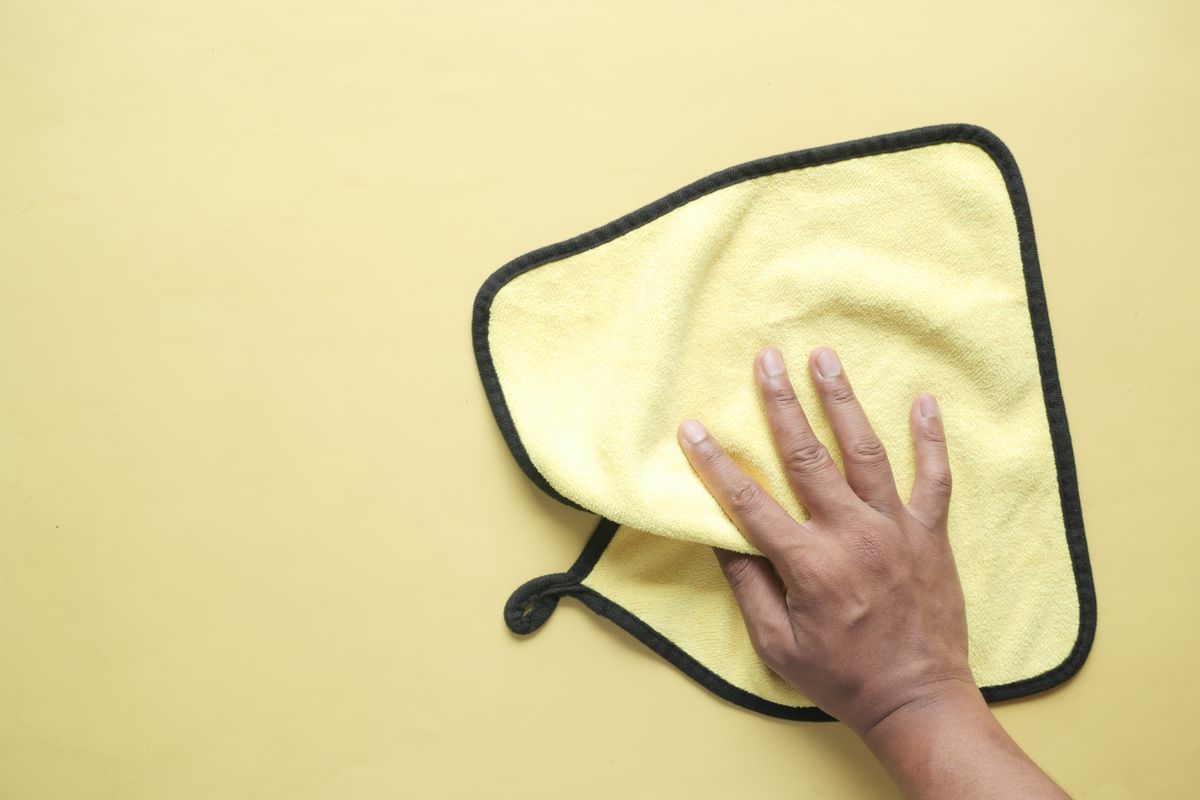
A cloth that spreads grease instead of lifting it may need better washing or a different job. Separating uses and drying cloths properly keeps the system manageable.
Home care
Combining two cleaners does not create a better one. It can produce dangerous fumes or damage a surface, even when both bottles are sold for household use.
Home care
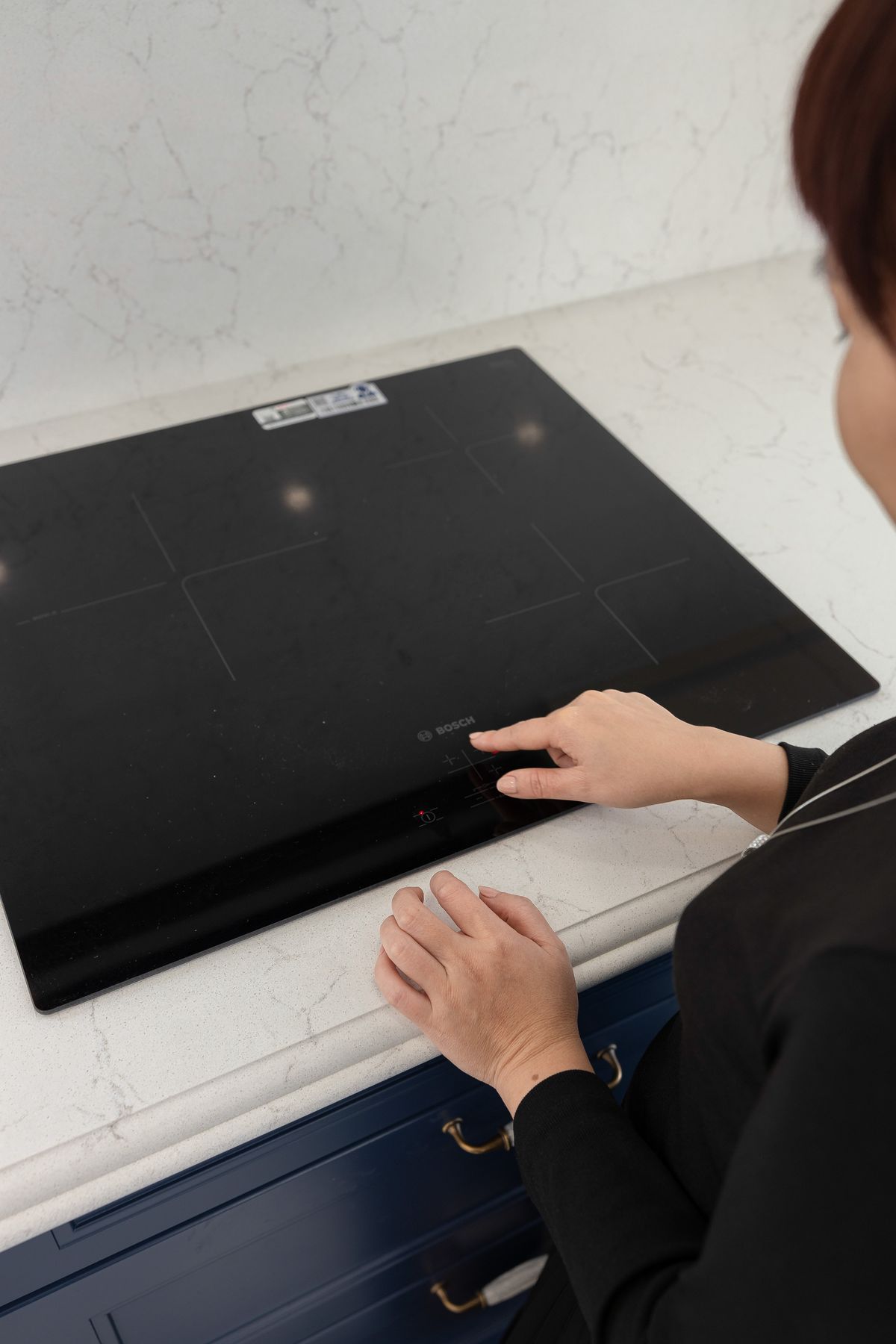
For ordinary ceramic-hob cleaning, wait until the surface is cool. Removing grease and food calls for a compatible method rather than pressure or generous amounts of water.
Home care
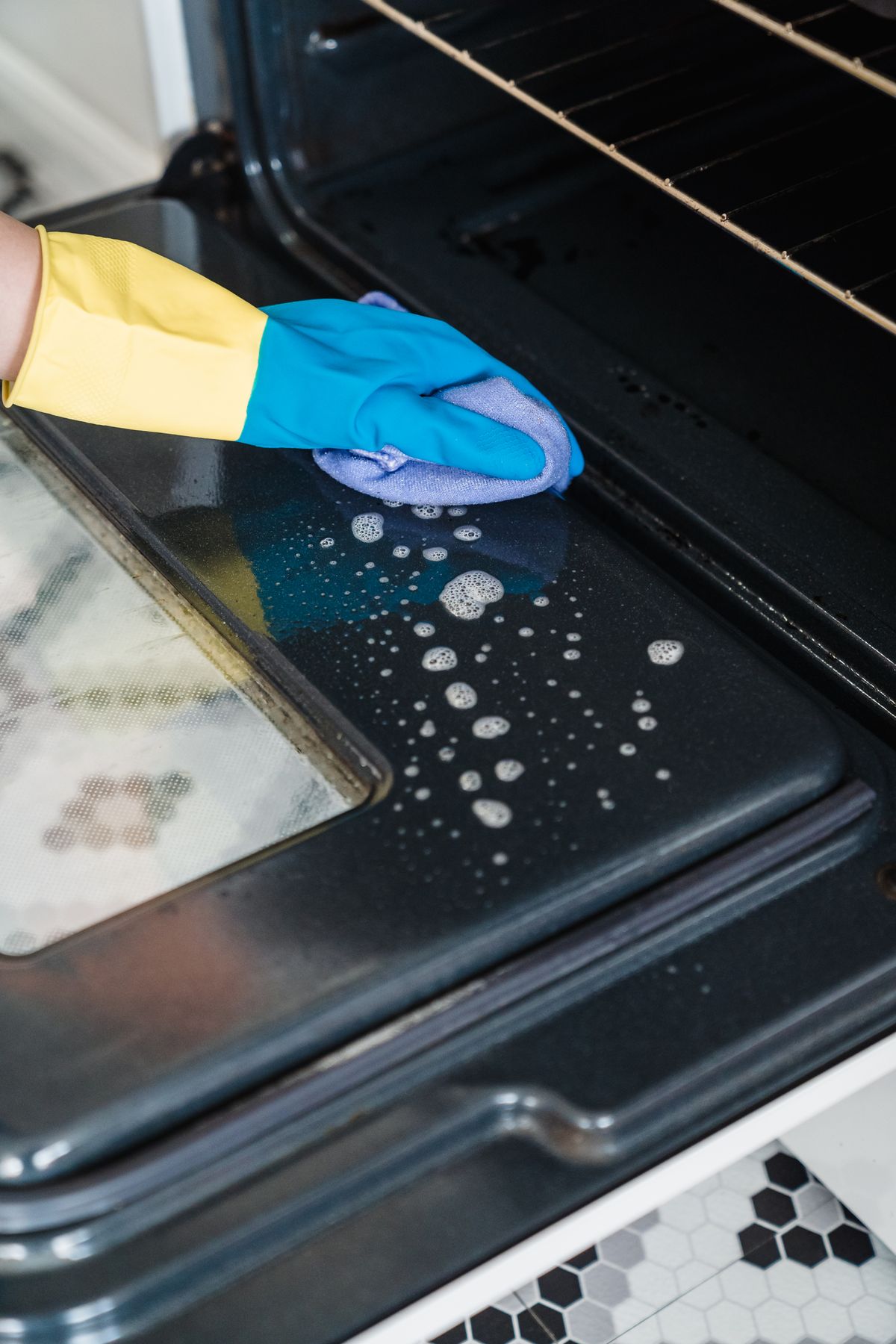
An oven spill is easier to manage when you know which surface lies underneath it. Cooling the appliance and identifying its parts helps avoid damaging specialised coatings.
Home care
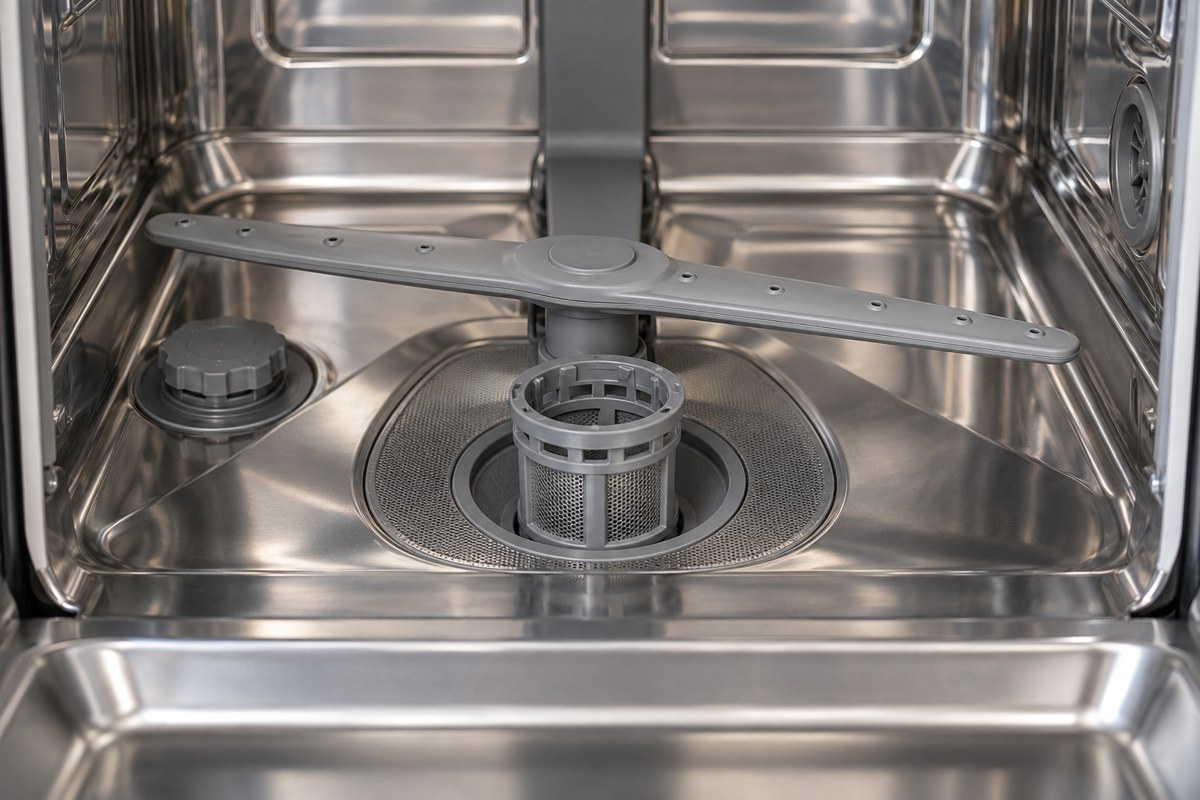
A dishwasher filter catches debris that should not keep circulating through a wash. Checking it is a small job, provided it is removed and refitted as the model requires.

Home care
A front-loading washing machine seal can hold lint and water within its folds. Gentle inspection keeps it manageable without turning routine cleaning into dismantling the appliance.
Home care
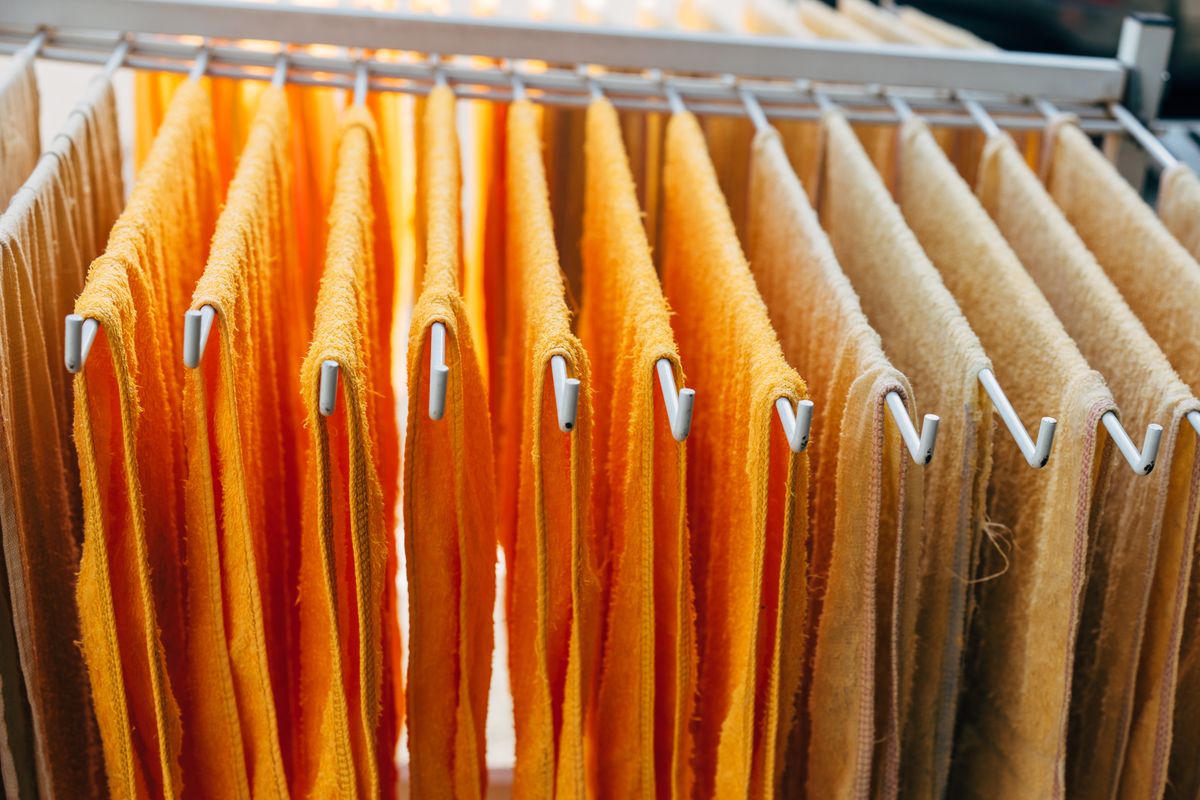
A thick towel is not always the best choice if it takes too long to dry. Washing and hanging habits matter as much as how soft it felt in the shop.
Home care
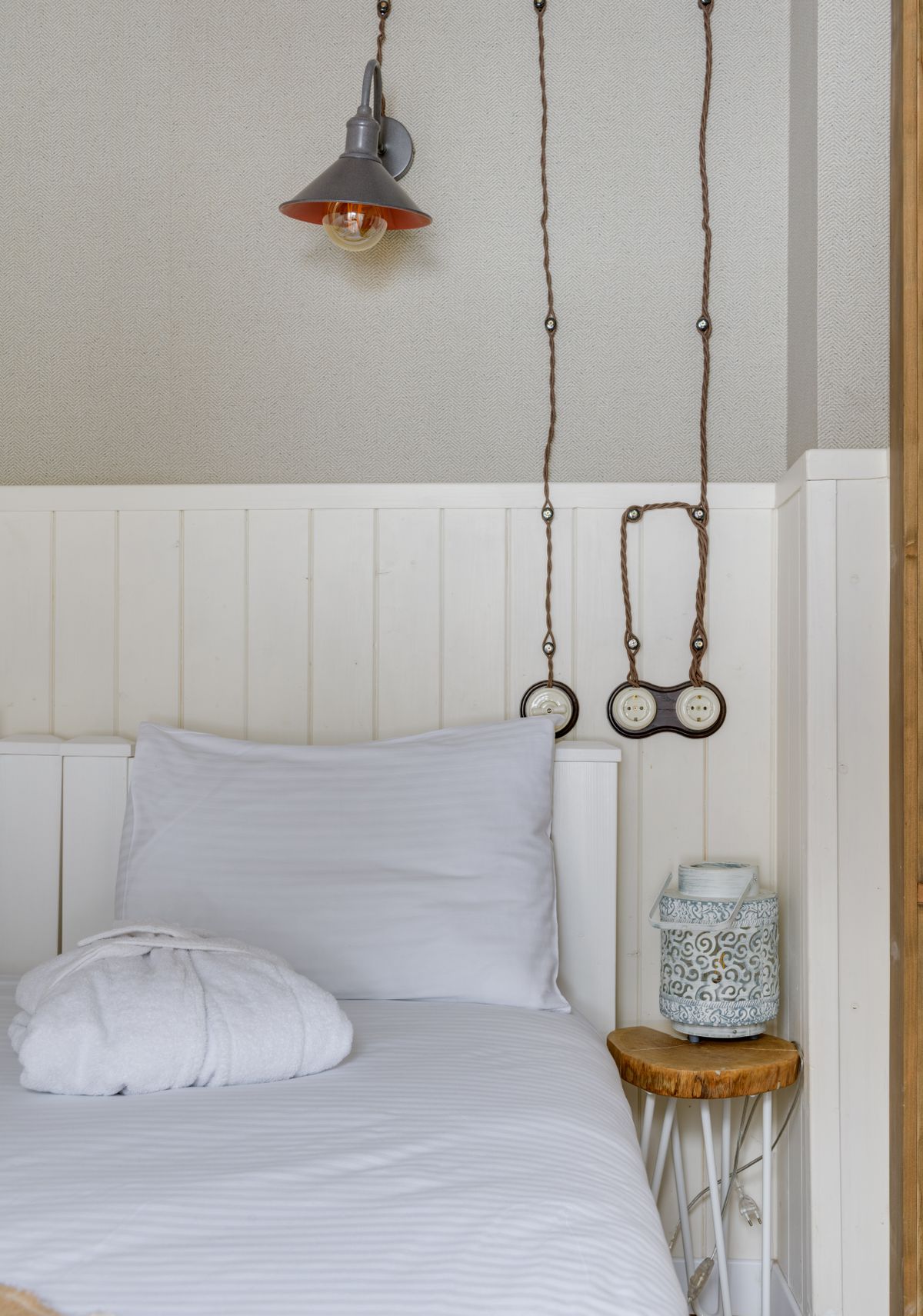
A pillowcase and a pillow's filling can require completely different care. Before using the washing machine, establish which component tolerates water and how it must be dried.
Home care
Laminate flooring is not maintained like a tiled surface. Removing grit and controlling water helps clean it without leaving moisture around joints and edges.

Home care
Grout is not an isolated surface: its cleaner also reaches tiles, sealants and nearby metal. Choose a method for the whole assembly rather than improving one line while harming its surroundings.
Home care
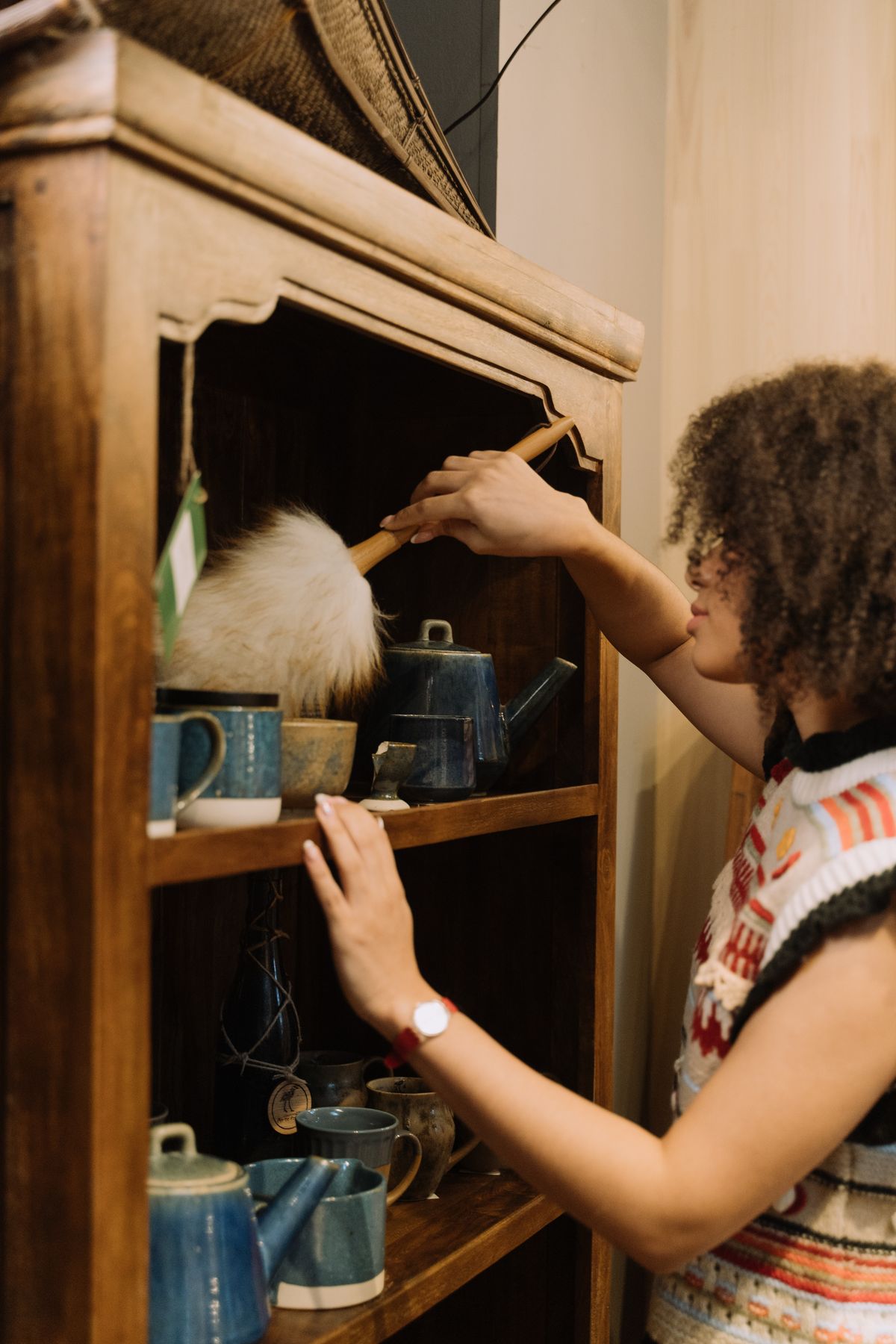
Dusting becomes less repetitive when loose dust does not fall onto areas you have just finished. Work from higher surfaces downwards and match the tool to the material.

Home care
Pet hair grips a blanket, sofa and rug differently. Matching the tool to each textile is more useful than expecting one technique to work everywhere.
Home care
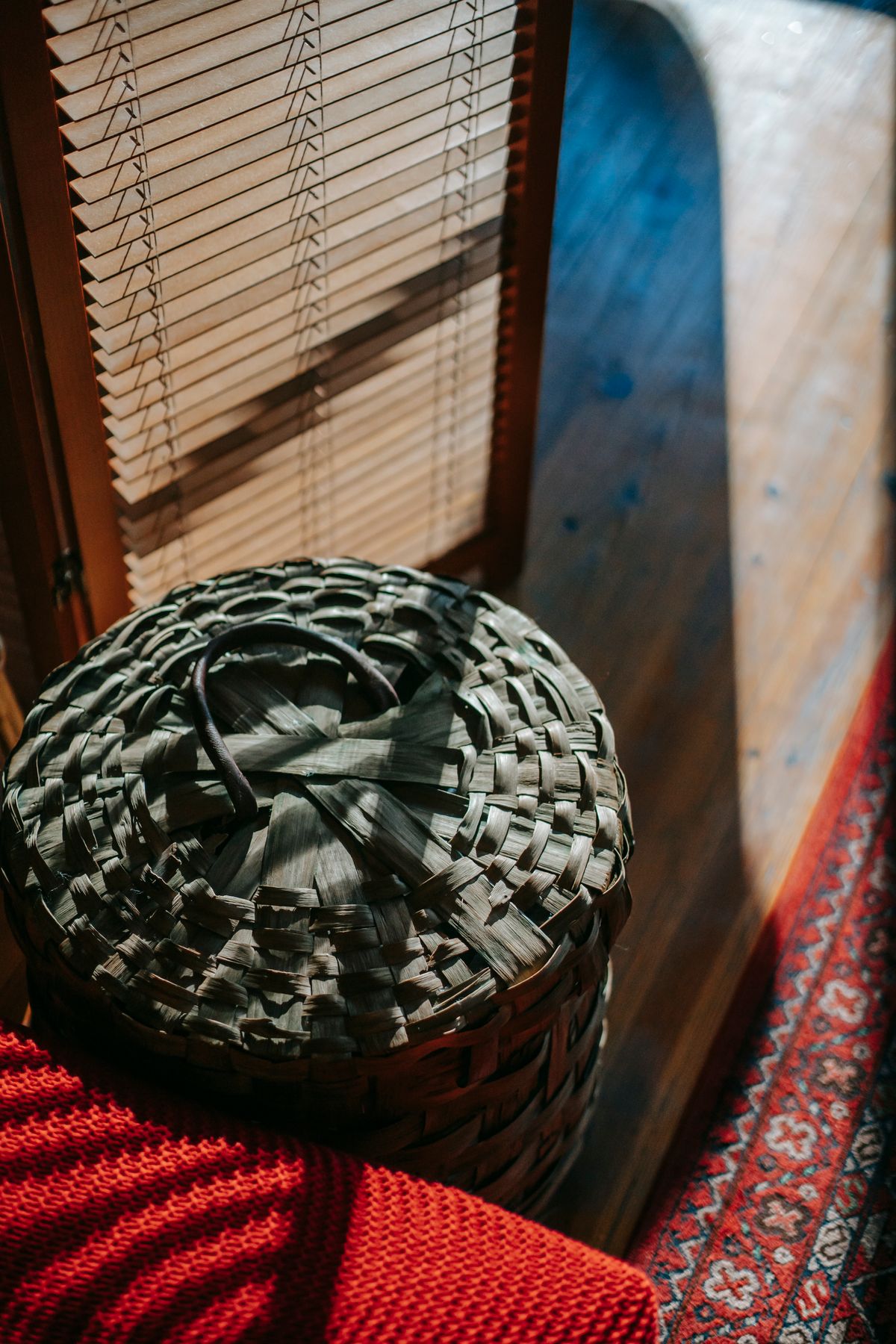
Natural-fibre baskets hold blankets and belongings, but their woven surfaces also collect dust. Cleaning without soaking helps preserve their shape and avoids trapped moisture.
Home care
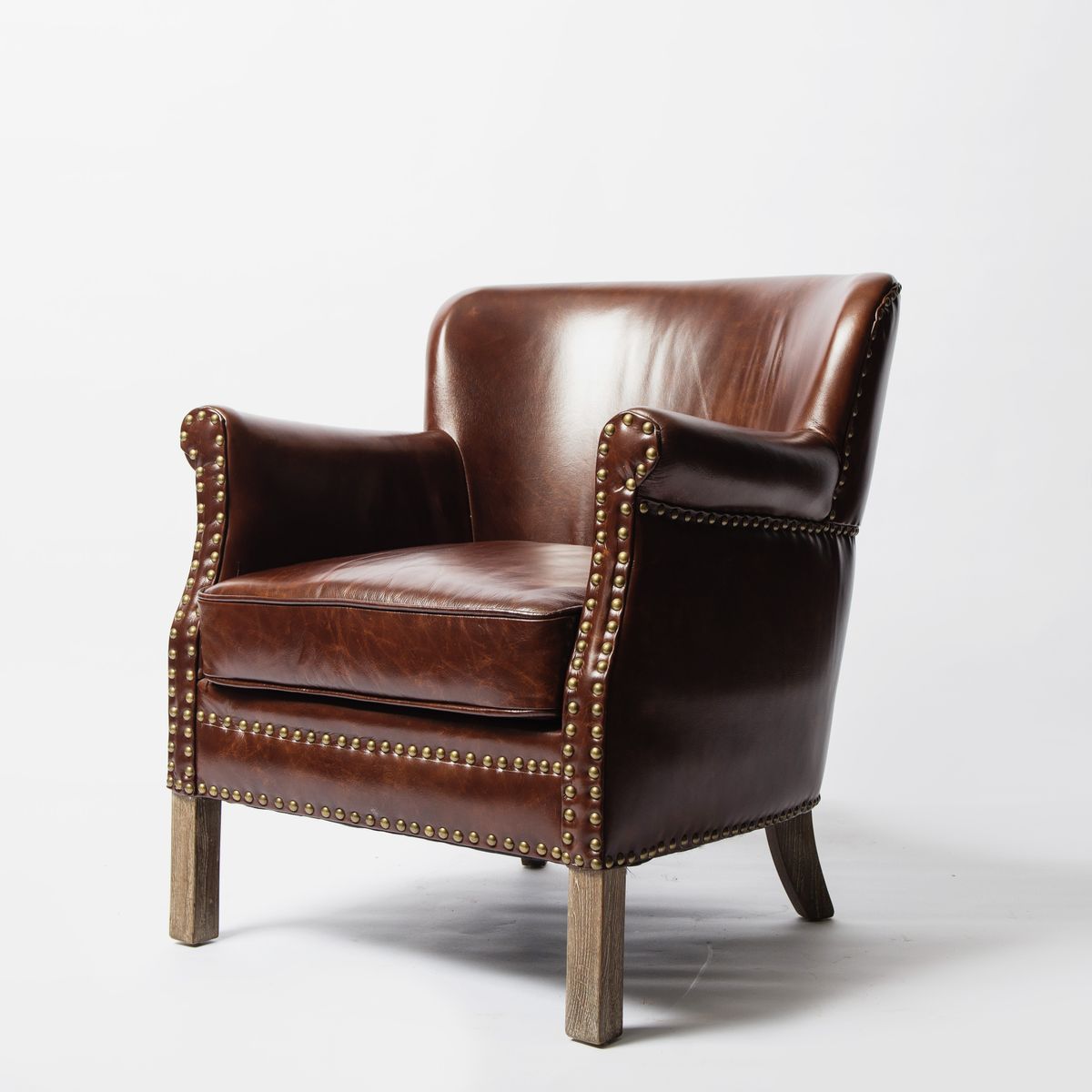
Leather comes in different finishes, and a chair may combine it with synthetic upholstery. Knowing the difference prevents applying a conditioner where it does not belong.
Home care
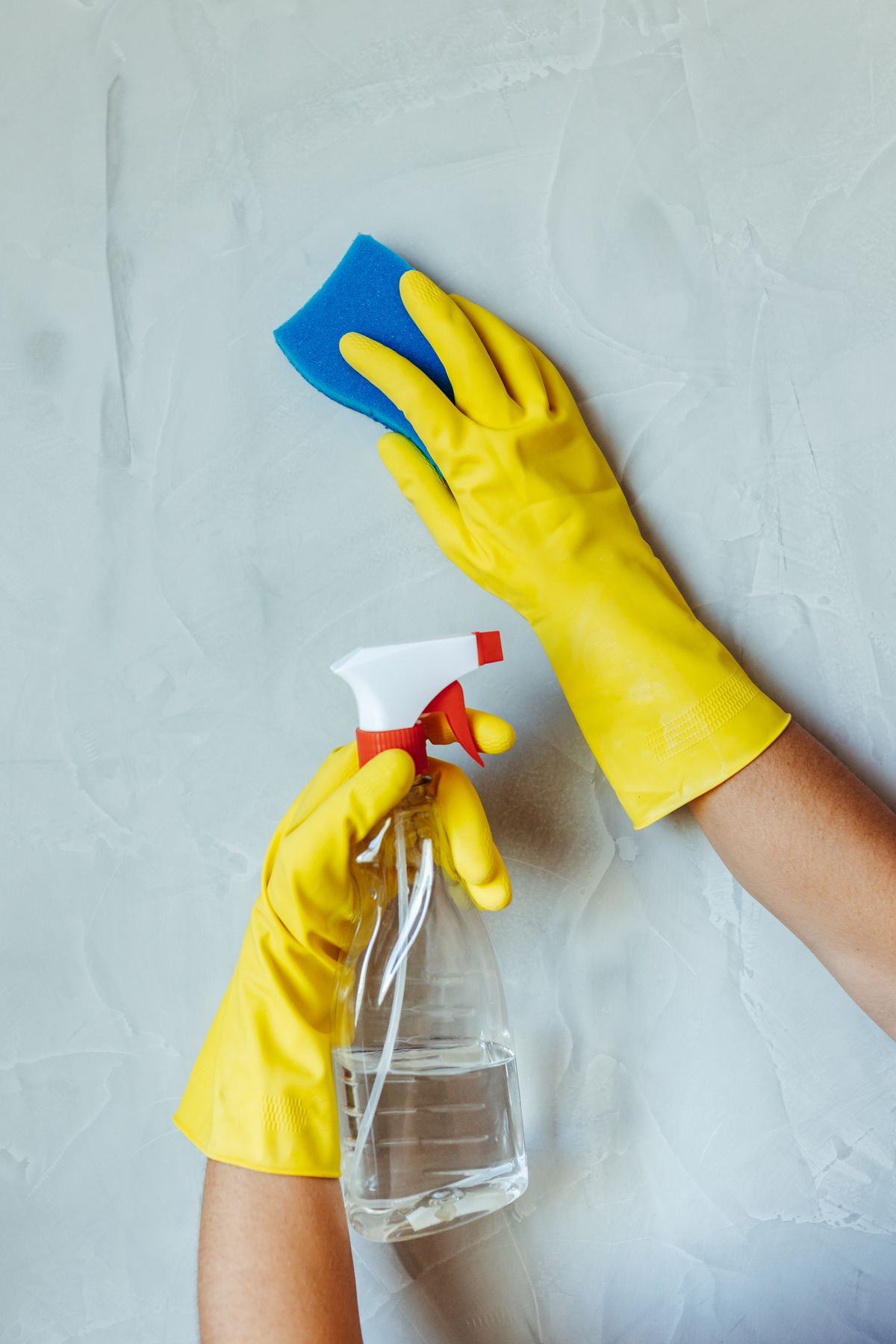
A mark beside a light switch may be dirt, but excessive rubbing can leave a shiny patch even when the mark disappears. Test the gentlest permitted method and judge it dry.
Home care
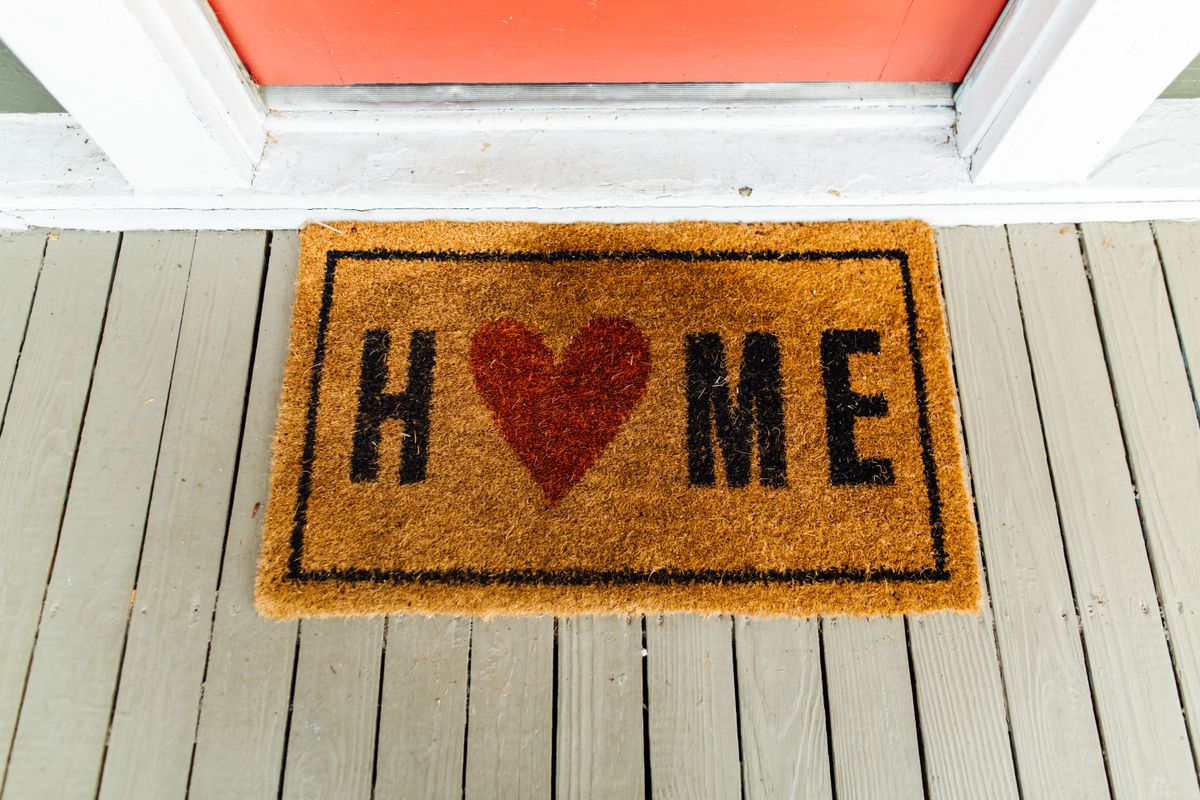
A doormat full of grit cannot collect new dirt effectively. Cleaning both sides and checking its backing keeps this small, heavily used part of the home useful.
Home care
A useful weekly clean begins with the time and energy available, not an endless checklist. Divide tasks around how rooms are actually used and leave space for the unexpected.
Small spaces
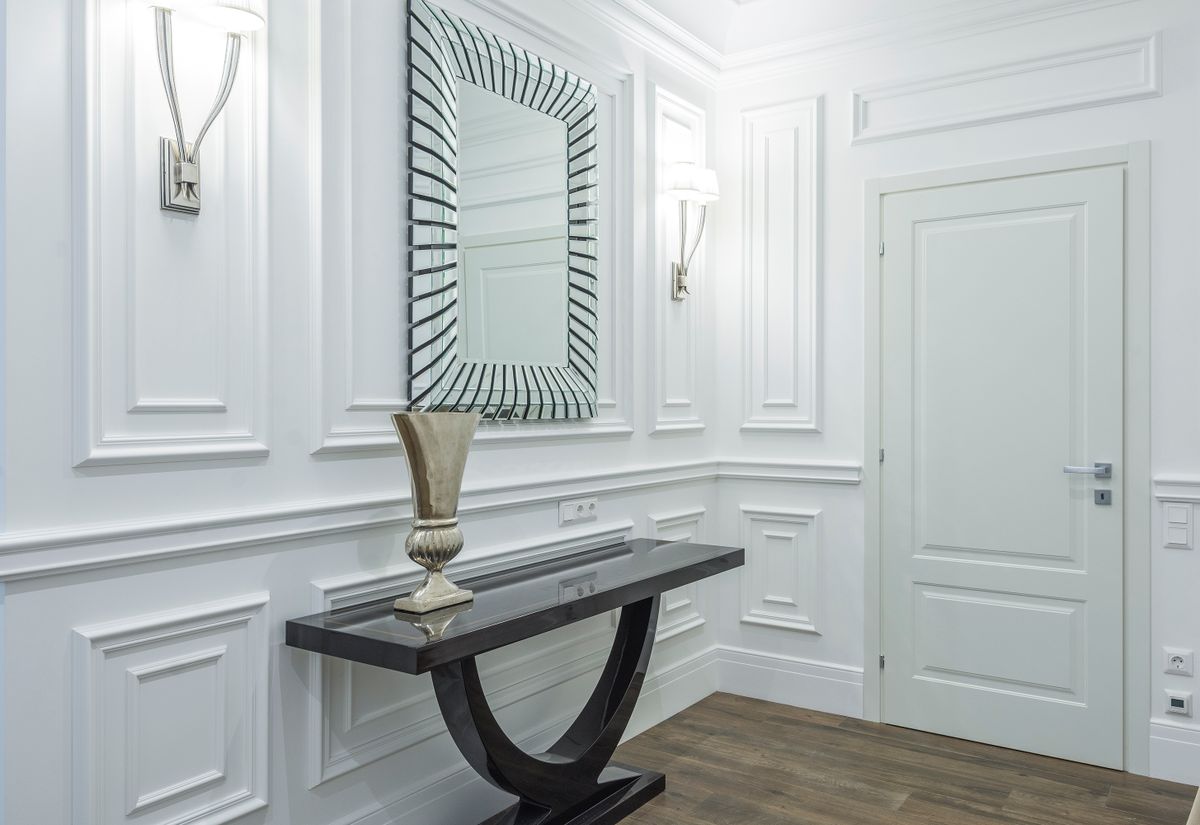
In a narrow hallway, gaining storage does not always mean gaining comfort. The first aim is a clear route, including when you carry a bag or open a side door.
Small spaces
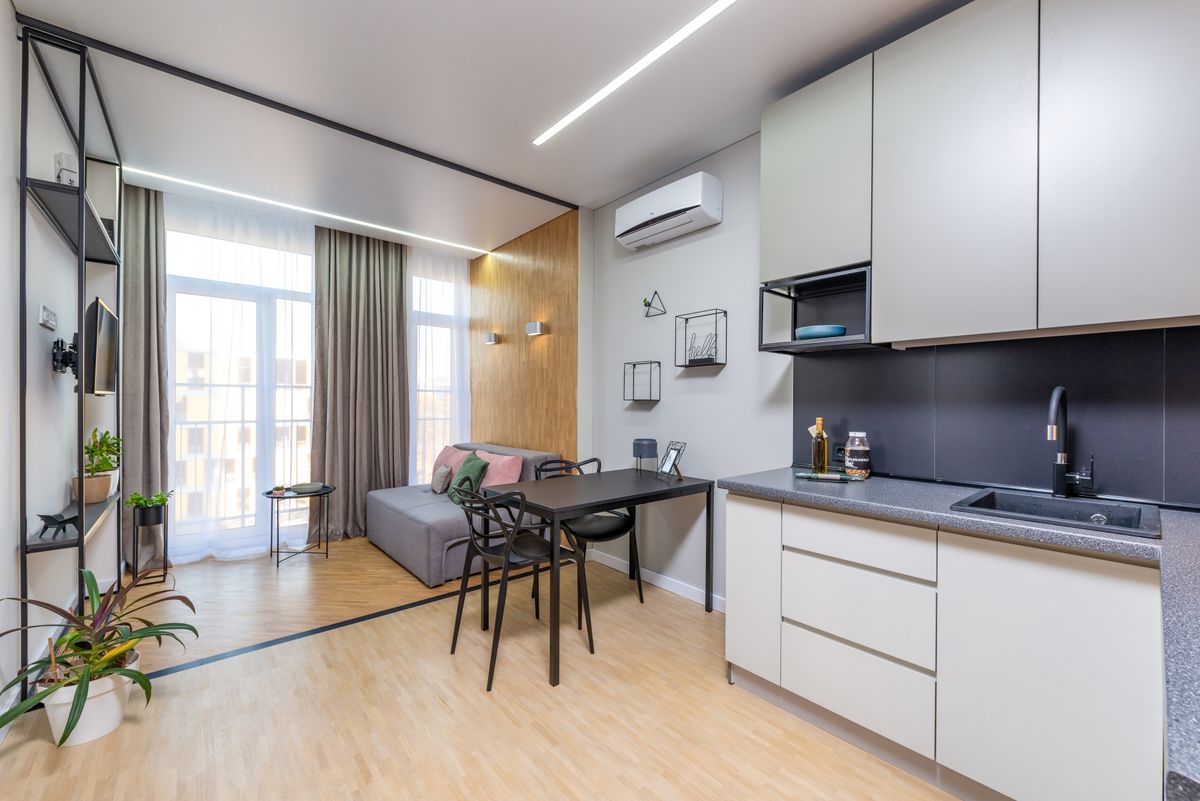
A studio can have recognisable places for sleeping, eating and relaxing without becoming a collection of dark compartments. Define the activities before shopping for screens or divider shelving.
Small spaces
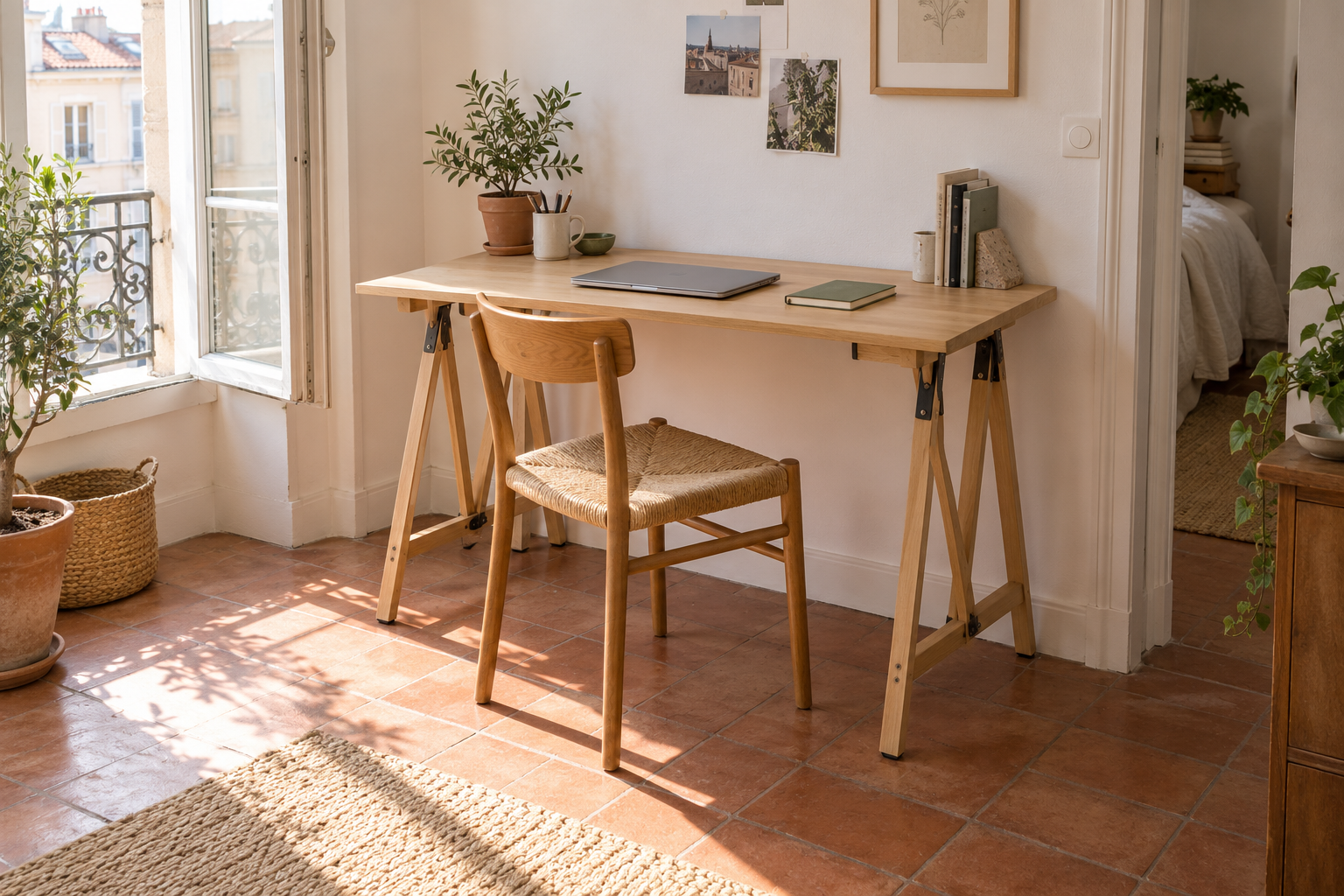
A folding desk saves space when closed, but it needs assessing while open. Allow for the chair, work materials and the act of putting it away, as well as suitable support.
Small spaces
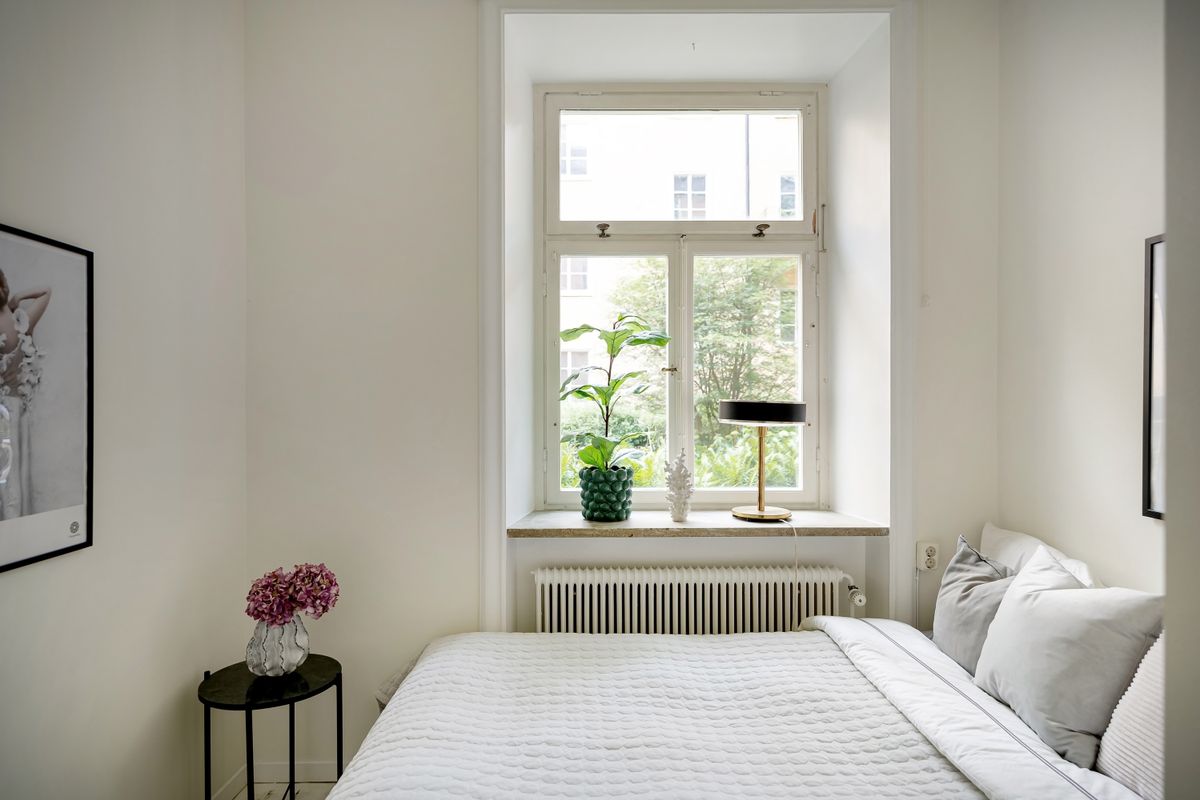
In a small bedroom, the bed usually determines almost everything else. Choosing by mattress width alone, without the whole frame, can leave less access than expected.
Small spaces
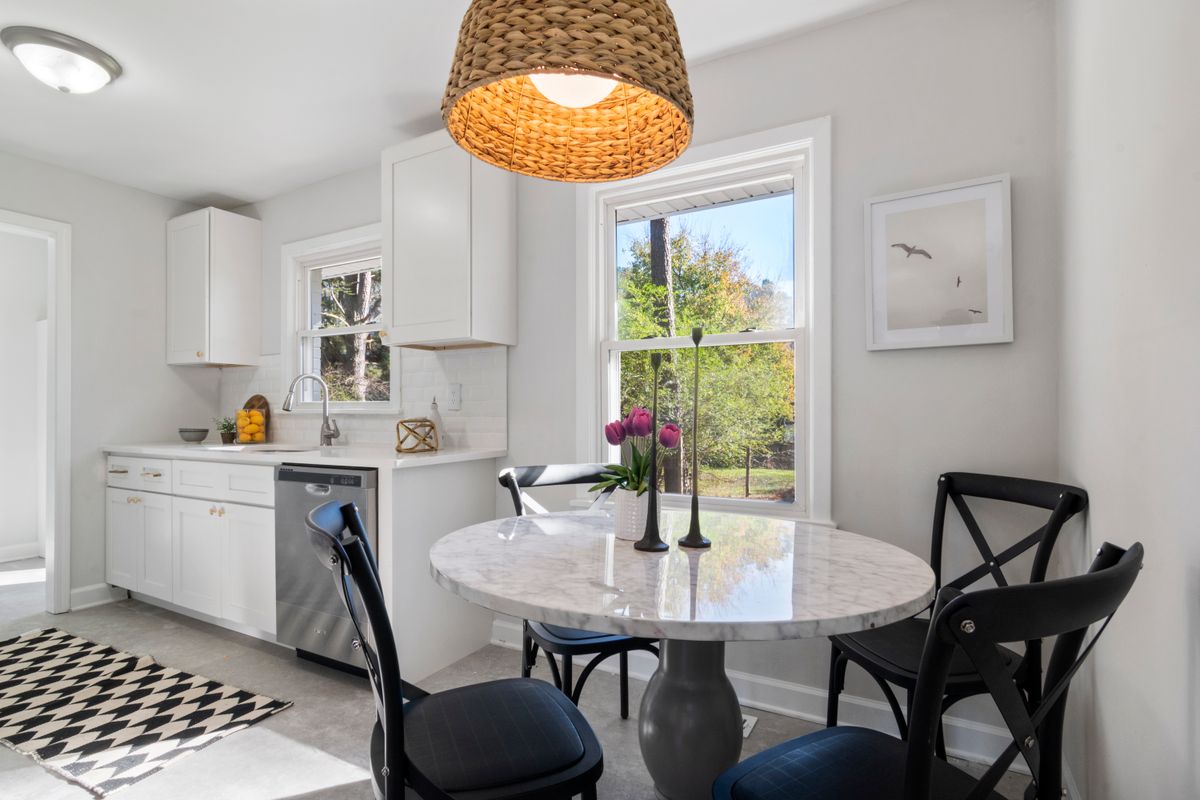
Eating in a small kitchen can be comfortable when the table does not compete with every drawer. Decide how many people normally use it and what must remain operational during a meal.
Small spaces
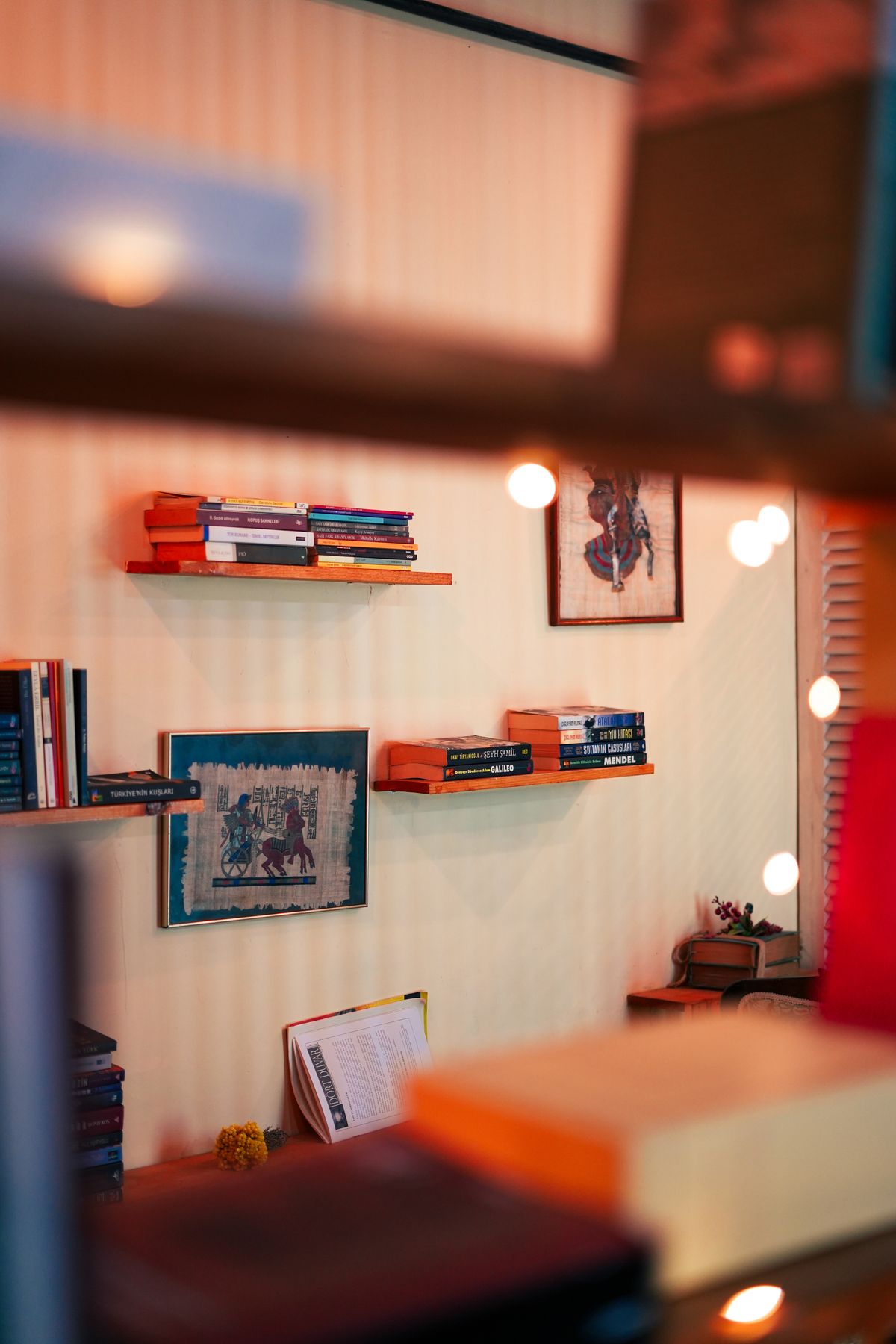
Using height can free floor space, but the gain is useful only when you can access it without improvising. Frequency of use and weight should determine what belongs on each shelf.
Small spaces
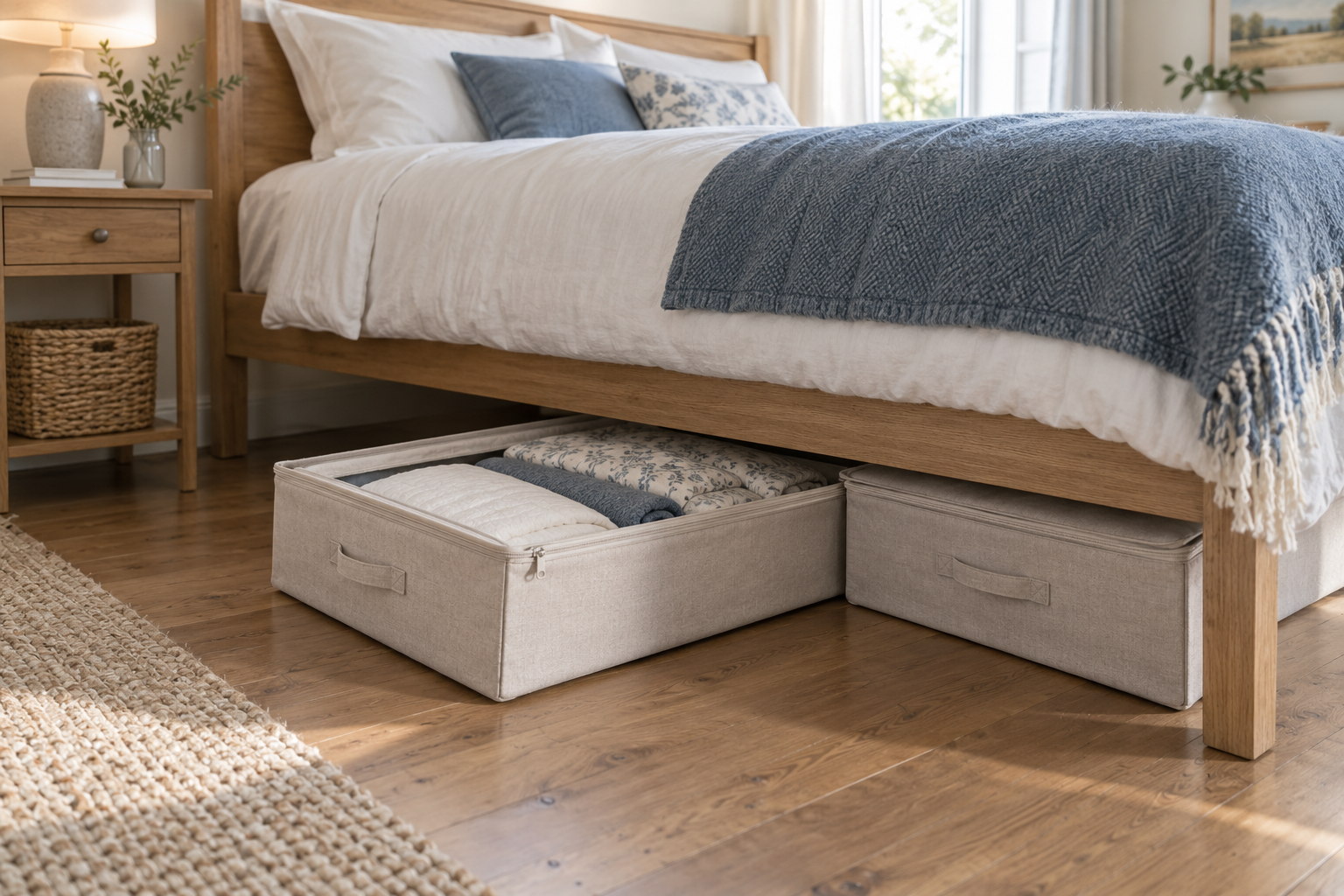
The space beneath a bed can hold plenty, but it can also collect dust and forgotten belongings. It works best with a defined purpose and containers that pull out easily.
Small spaces
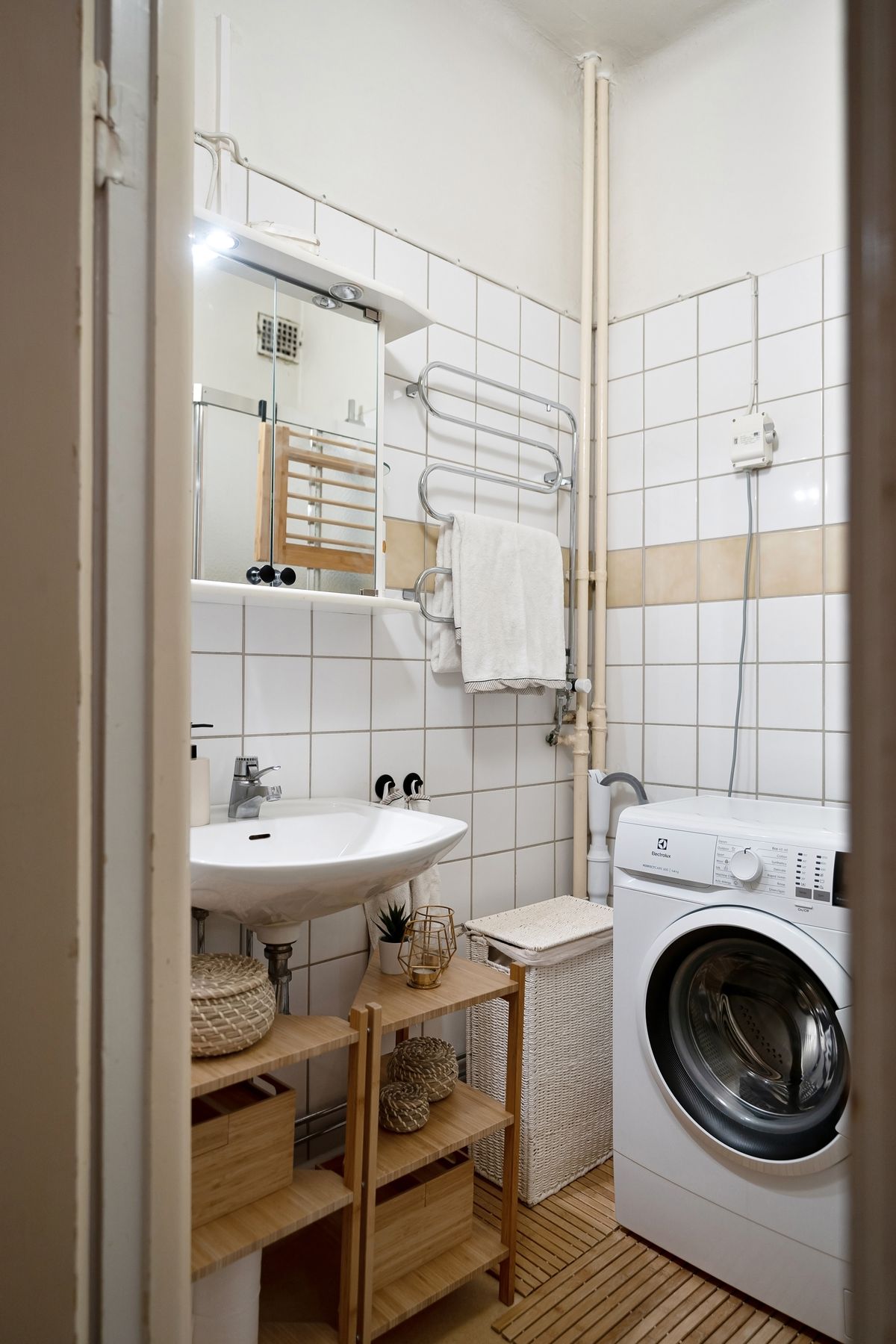
A compact bathroom can improve substantially when daily products are separated from reserves. Before adding a tall cabinet or trolley, check what occupies the surfaces and what genuinely needs to stay close.

Small spaces
Doors occupy space even when a floor plan represents them with a single line. Before buying furniture, measure their full movement and the actions that happen around them.
Small spaces
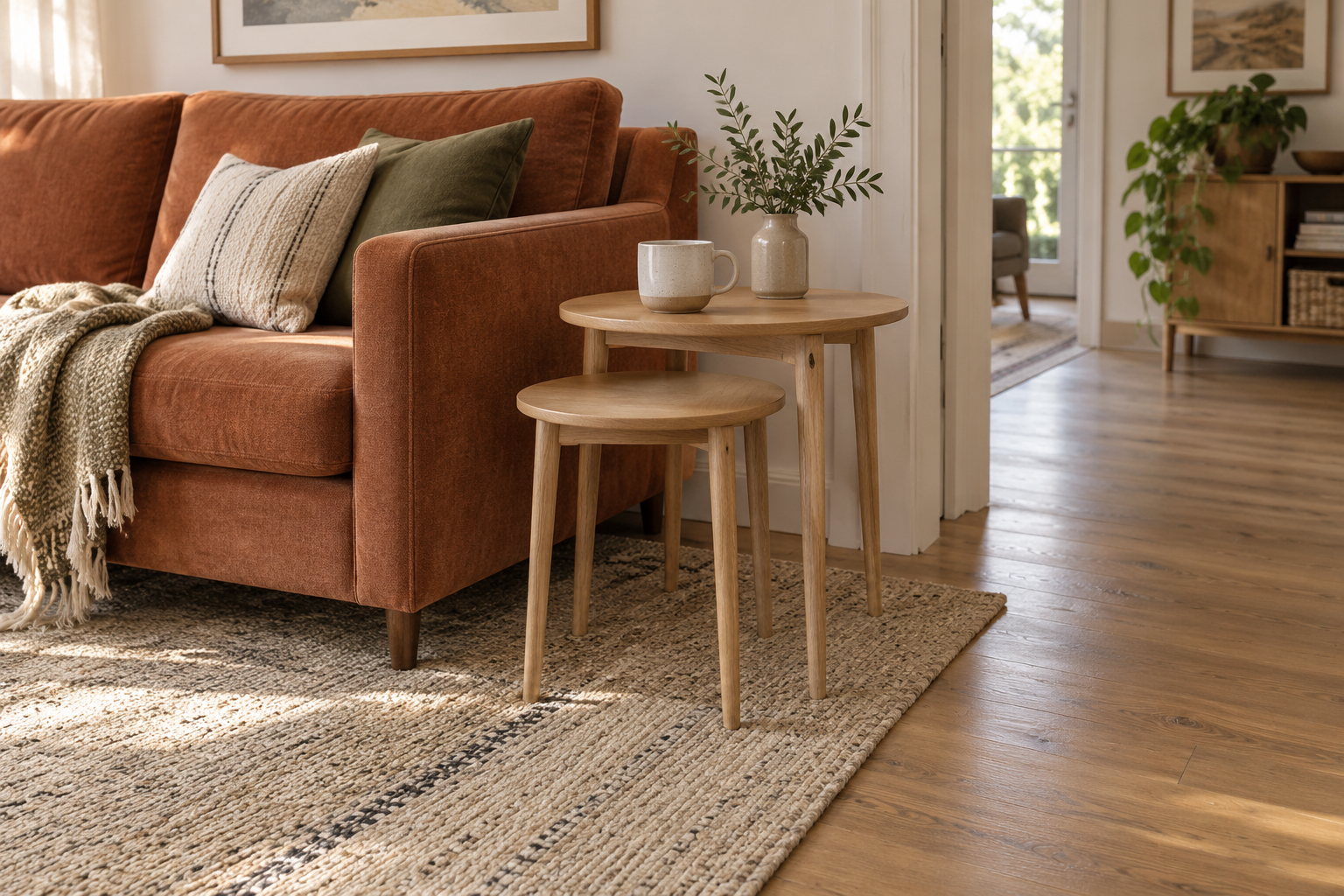
Nesting tables let you distribute useful surfaces and gather them again afterwards. Their value depends on easy movement and whether you genuinely use them in more than one position.
Small spaces
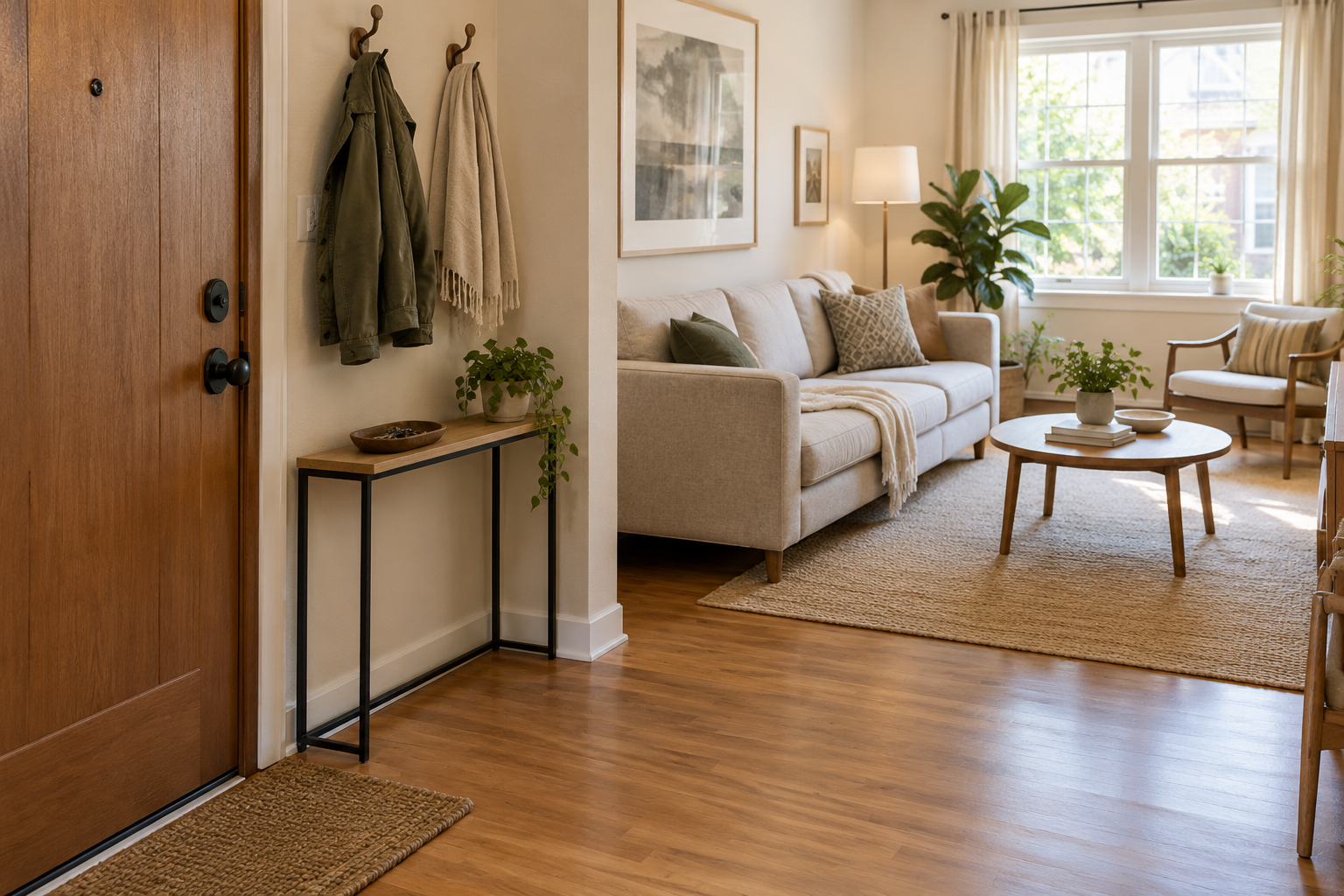
When the front door opens straight into the living room, a few deliberate choices can define an entrance. You do not need to construct a complete hallway inside a room with other jobs.
Small spaces
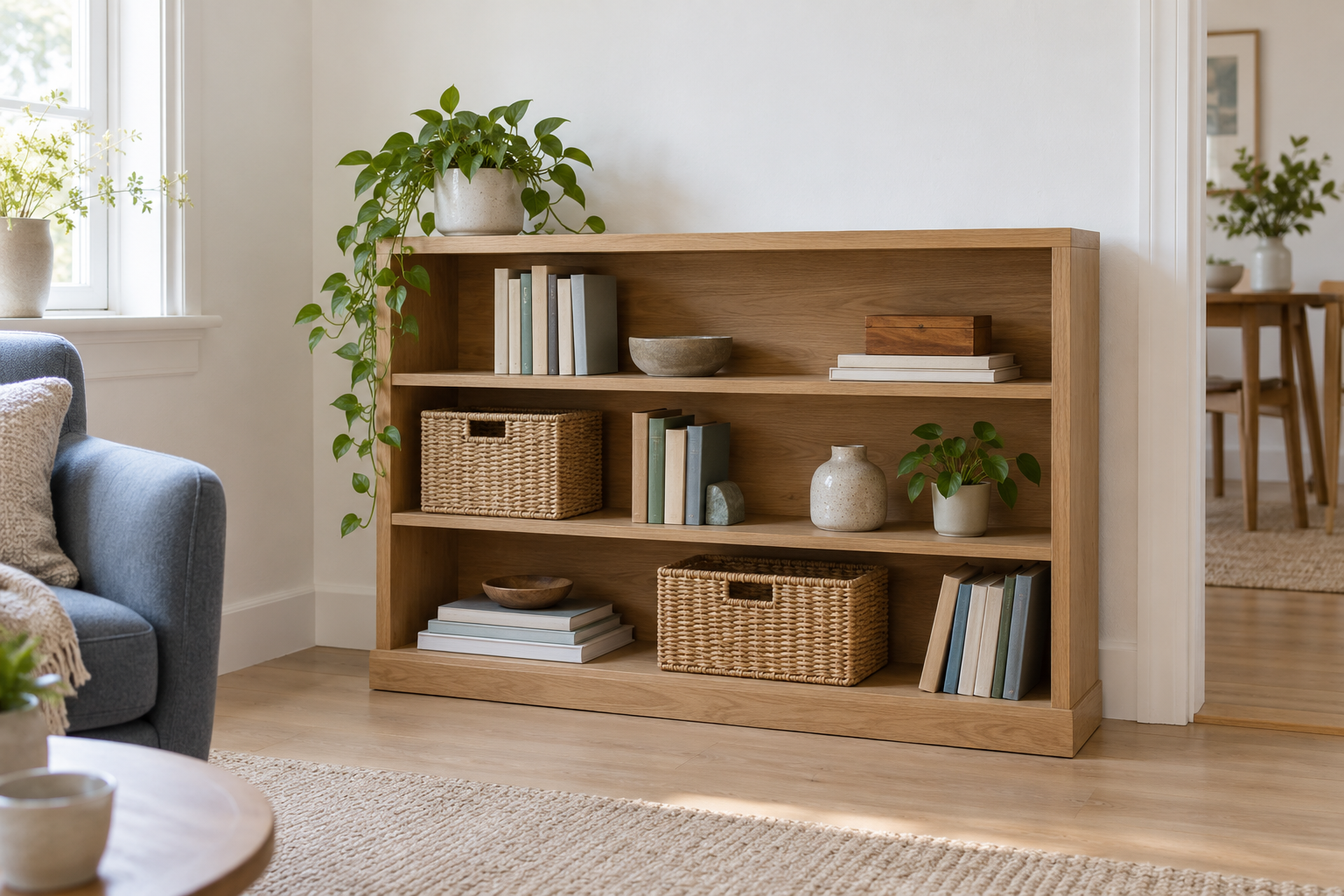
Adding storage in a rented home starts with understanding which installations are permitted. A no-drill solution is only suitable when it also meets load and stability requirements.
Small spaces
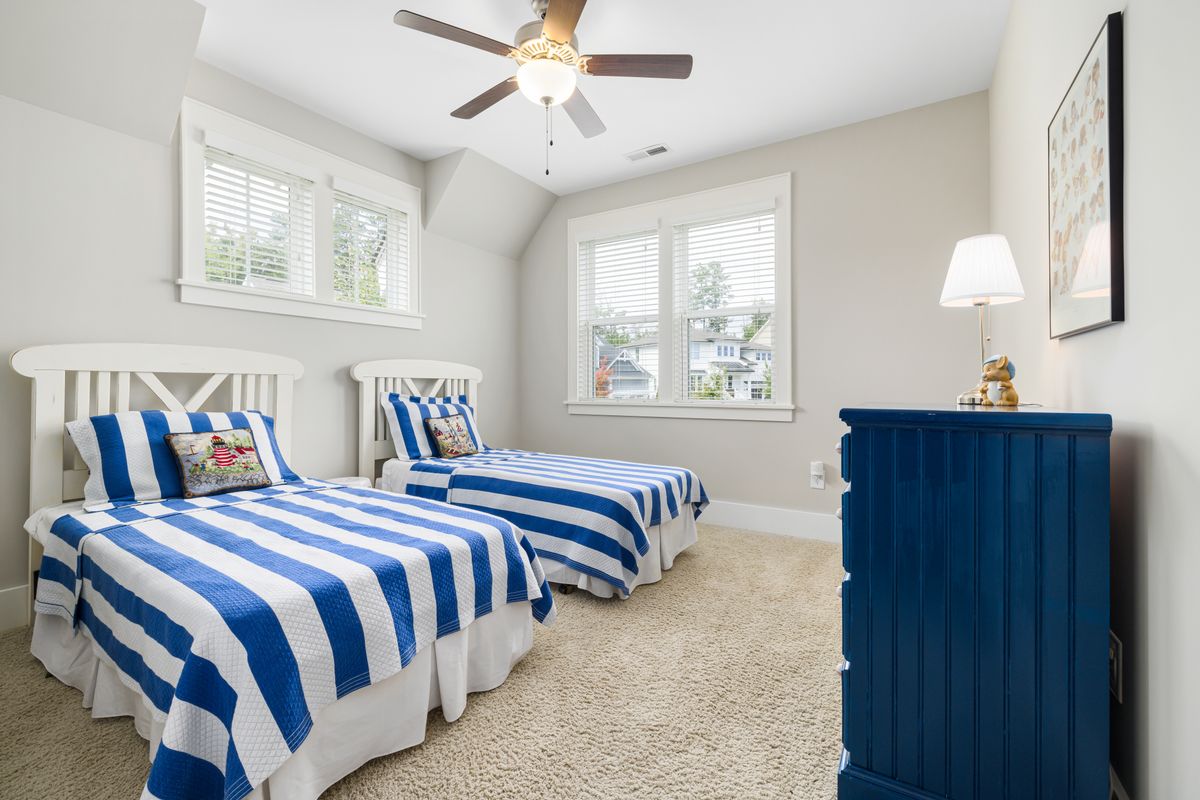
Sharing a bedroom does not require two identical halves. Allocate space around routines, ages and storage needs while keeping access and safety central to the arrangement.
Small spaces
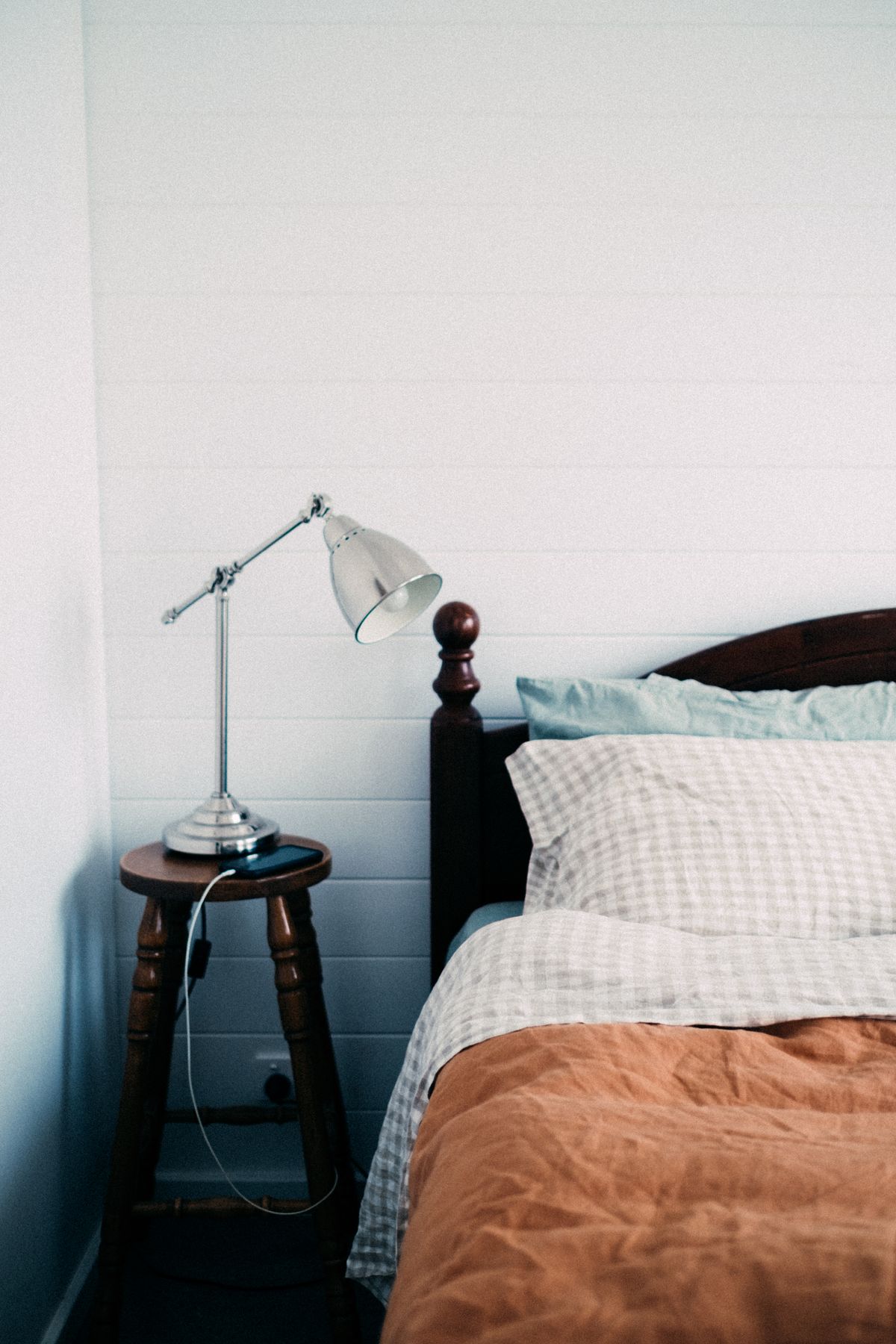
A large bedside table is optional, but a comfortable place for bedside essentials is not. Test alternatives against the mattress height and the room’s actual use.
Small spaces
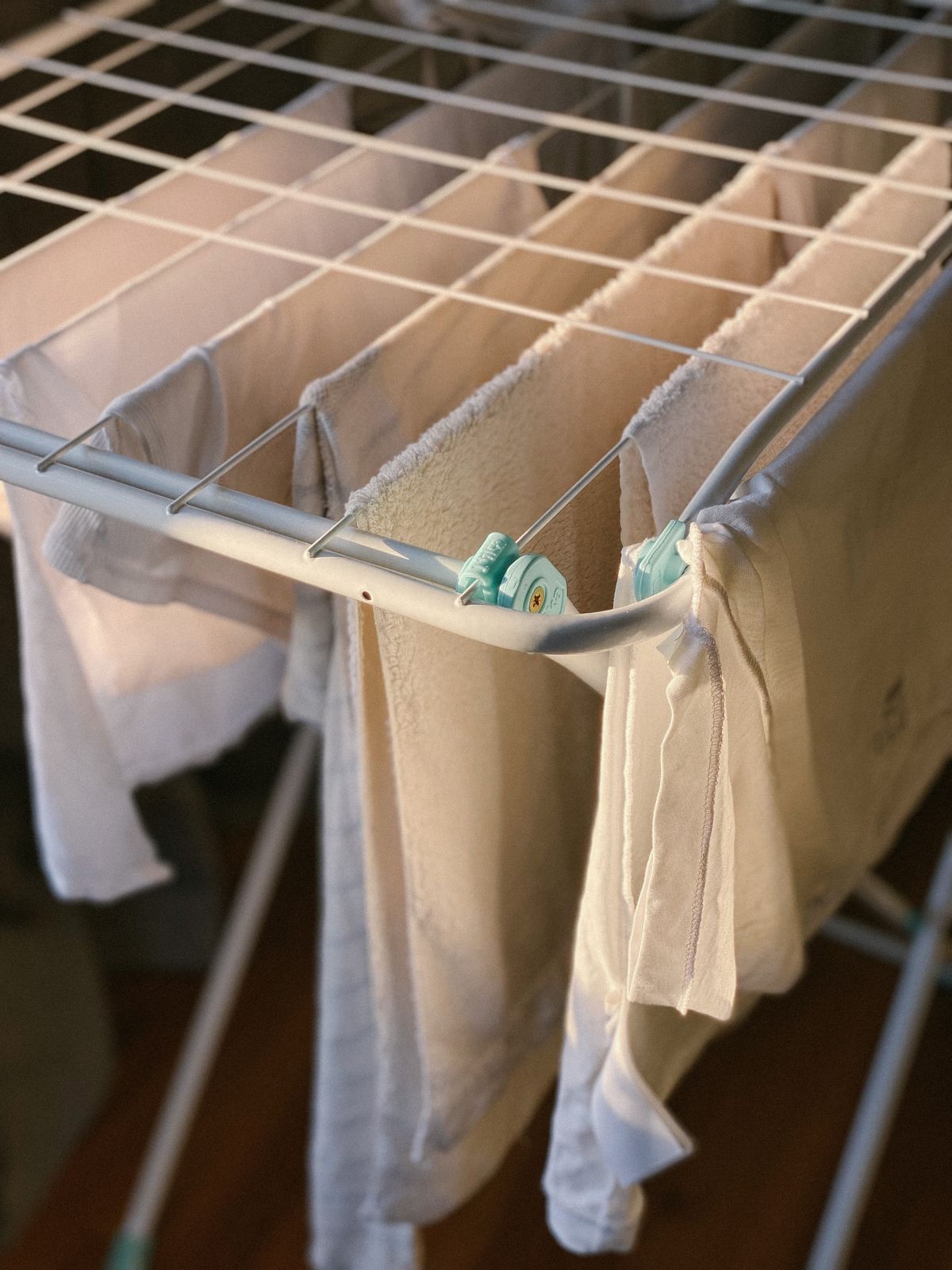
Drying laundry in a small home means planning for air and time, not simply finding a gap for an airer. A load that stays damp too long may occupy the room for days.
Small spaces
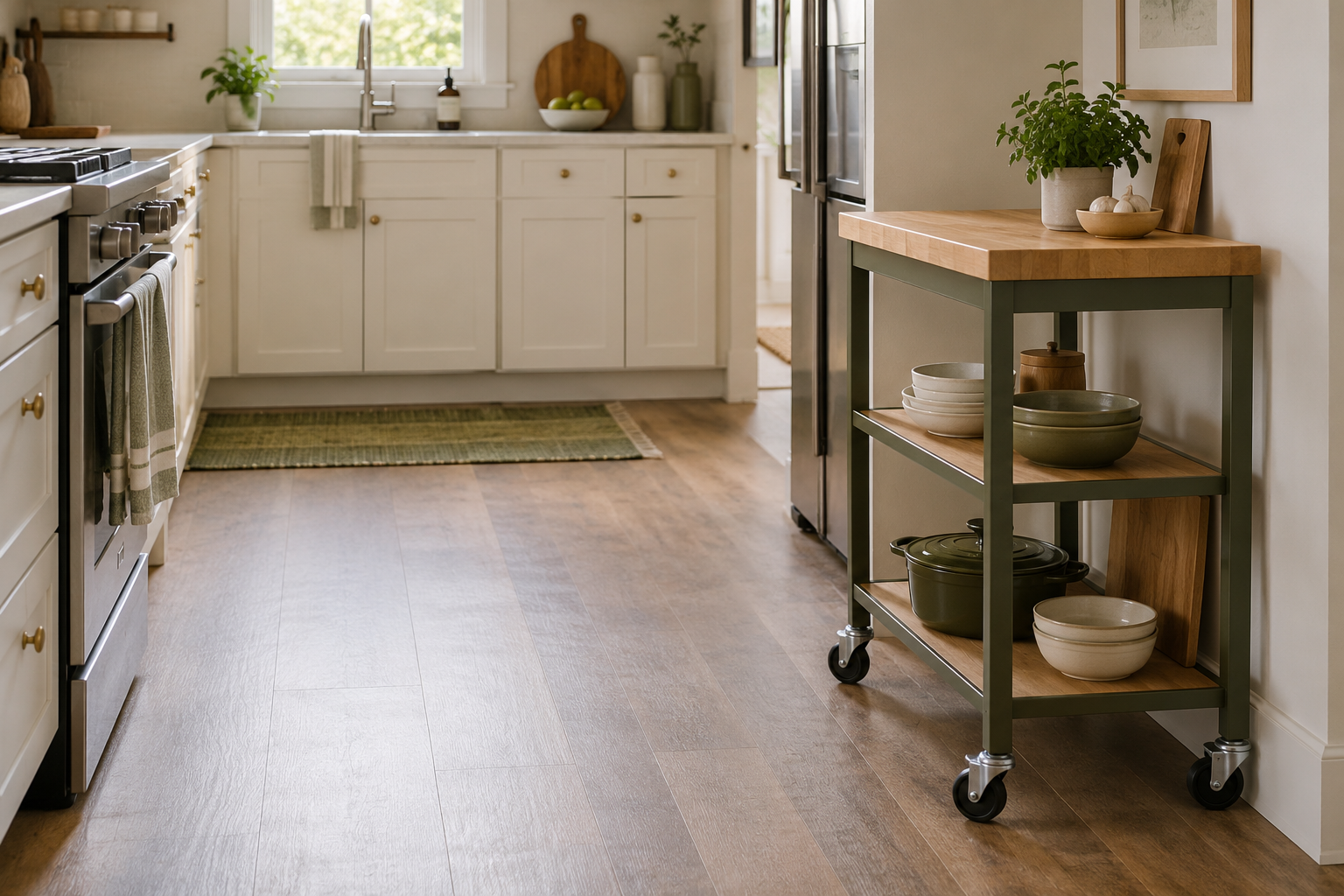
A kitchen trolley can bring tools close to the work area and move away afterwards. To be useful, it needs a parking place and a route that does not interfere with the kitchen.
Small spaces
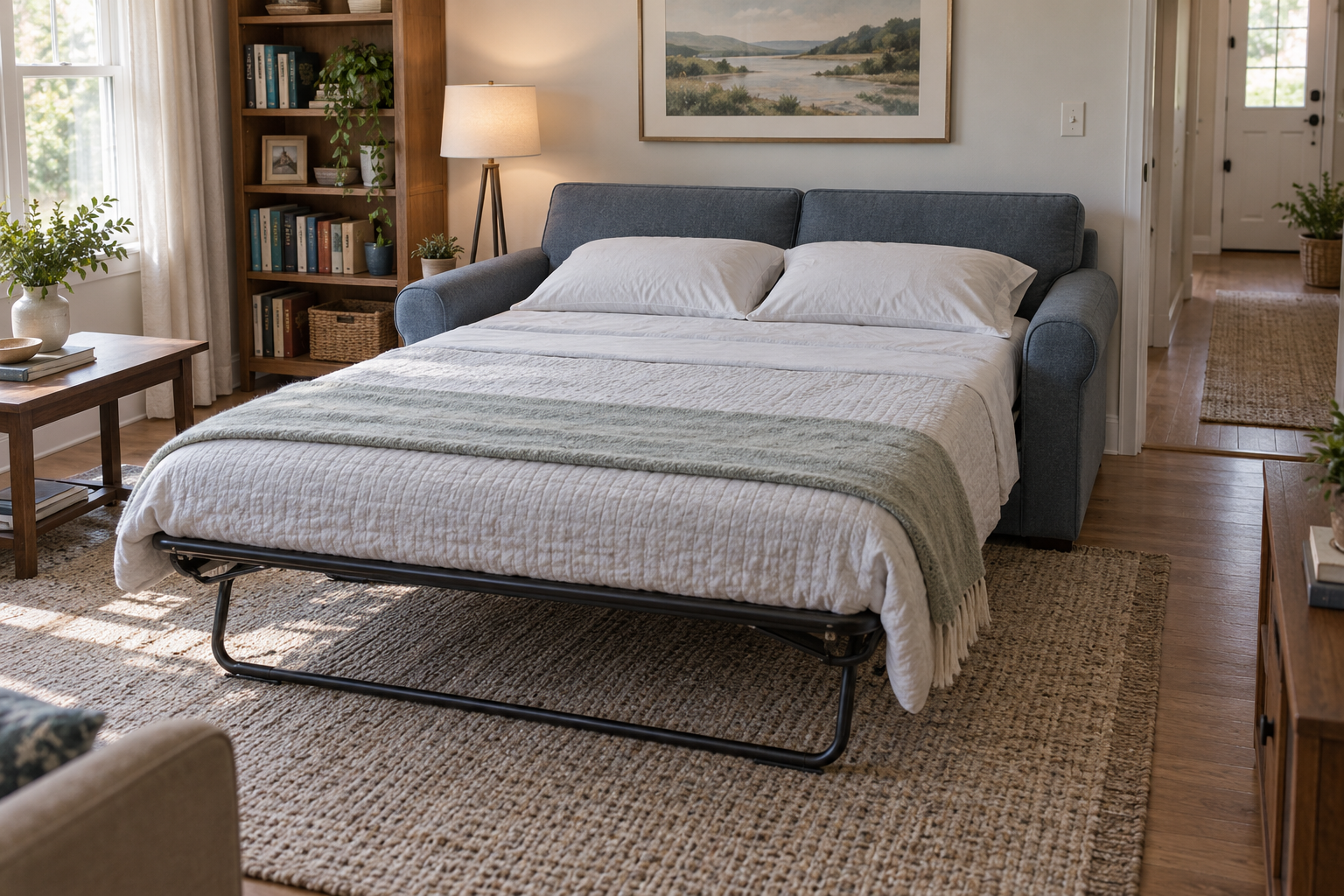
A bed for occasional visitors needs to work on the night it is used and disappear sensibly afterwards. Consider both situations before buying a sofa bed or an additional mattress.
Small spaces
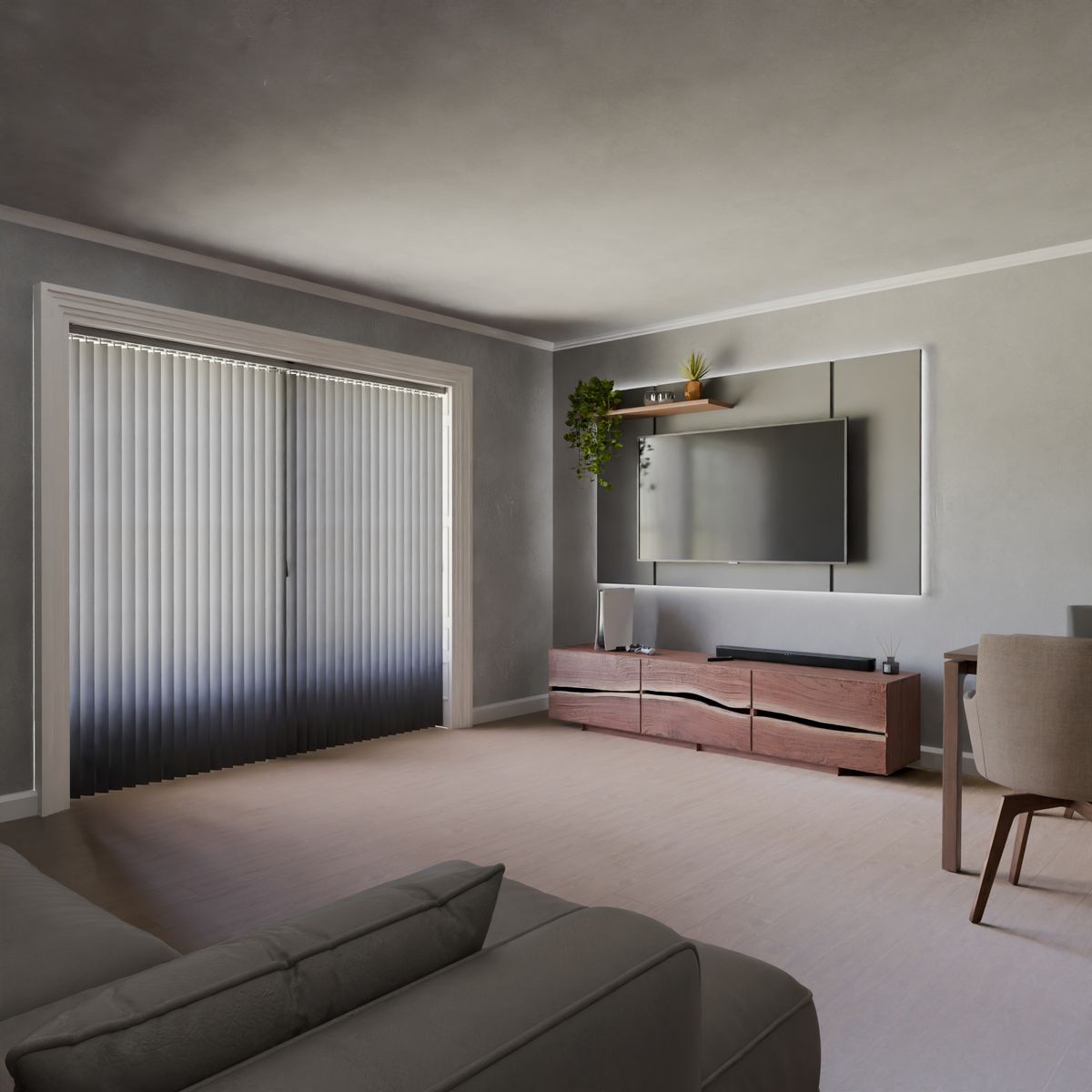
A room can feel crowded without containing too much furniture. Scattered objects, cables and surfaces without a clear purpose often make it difficult for the eye to settle.
Small spaces
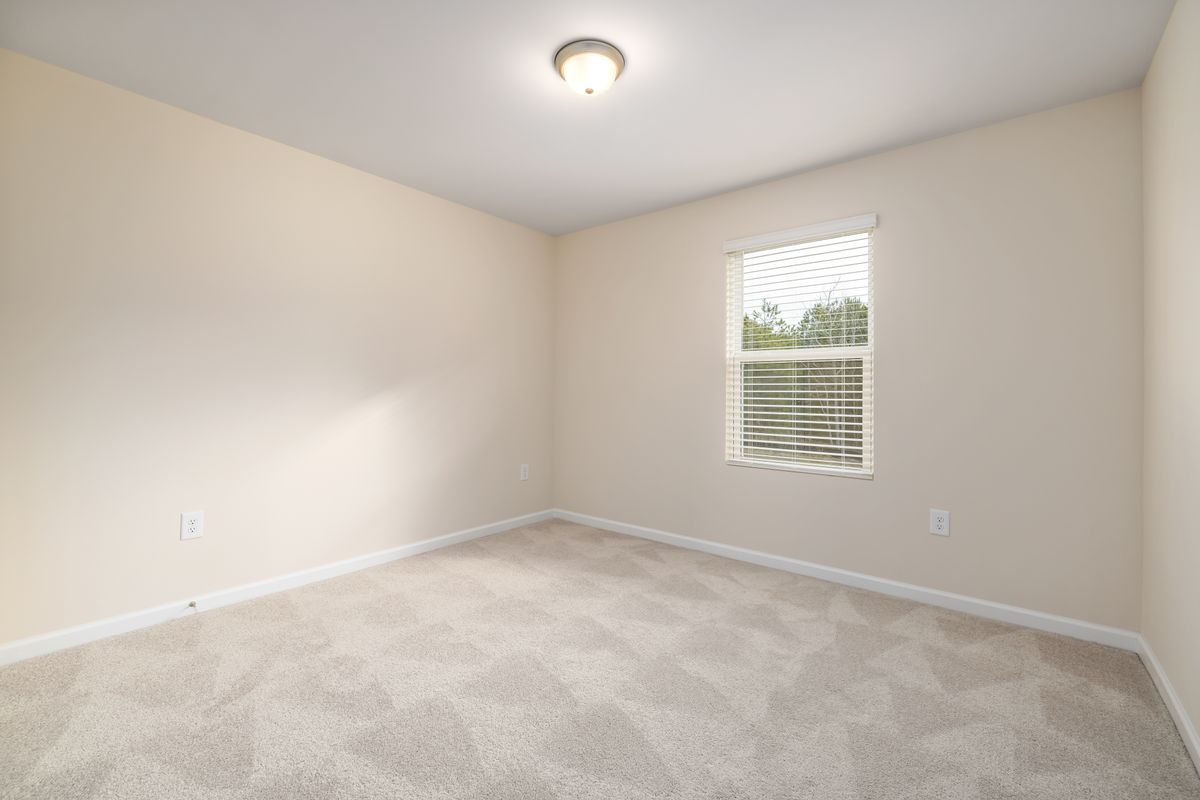
In a small room, the window often competes with storage space. Keeping it clear helps the opening remain usable and prevents a temporary arrangement from becoming a permanent obstacle.
Small spaces
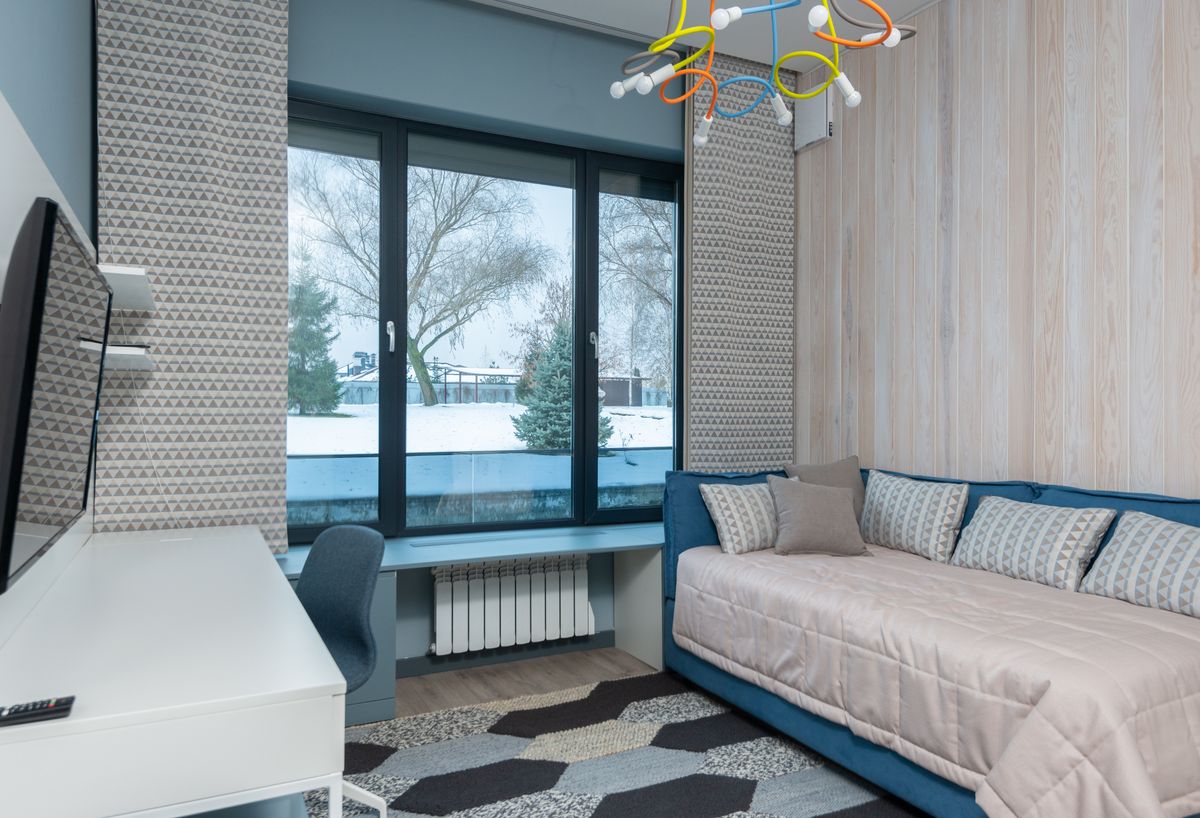
One room can support work, relaxation and visiting guests when changing activities does not require dismantling everything. Design the transitions as carefully as the furniture layout.
Small spaces
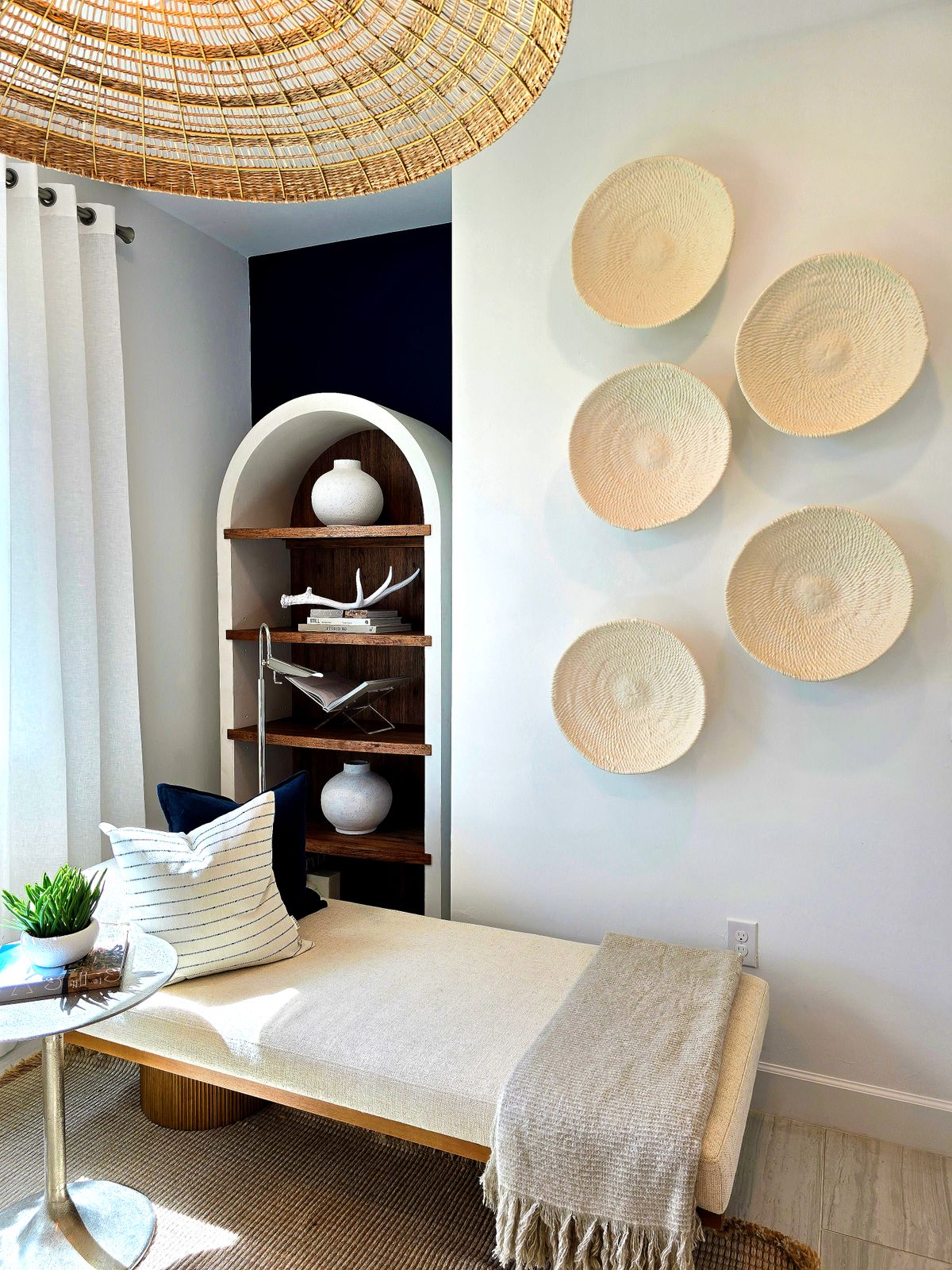
In a small living room, counting seats is not enough. Consider how people sit, which routes cross the room and how much space the arms and backs occupy.
Small spaces
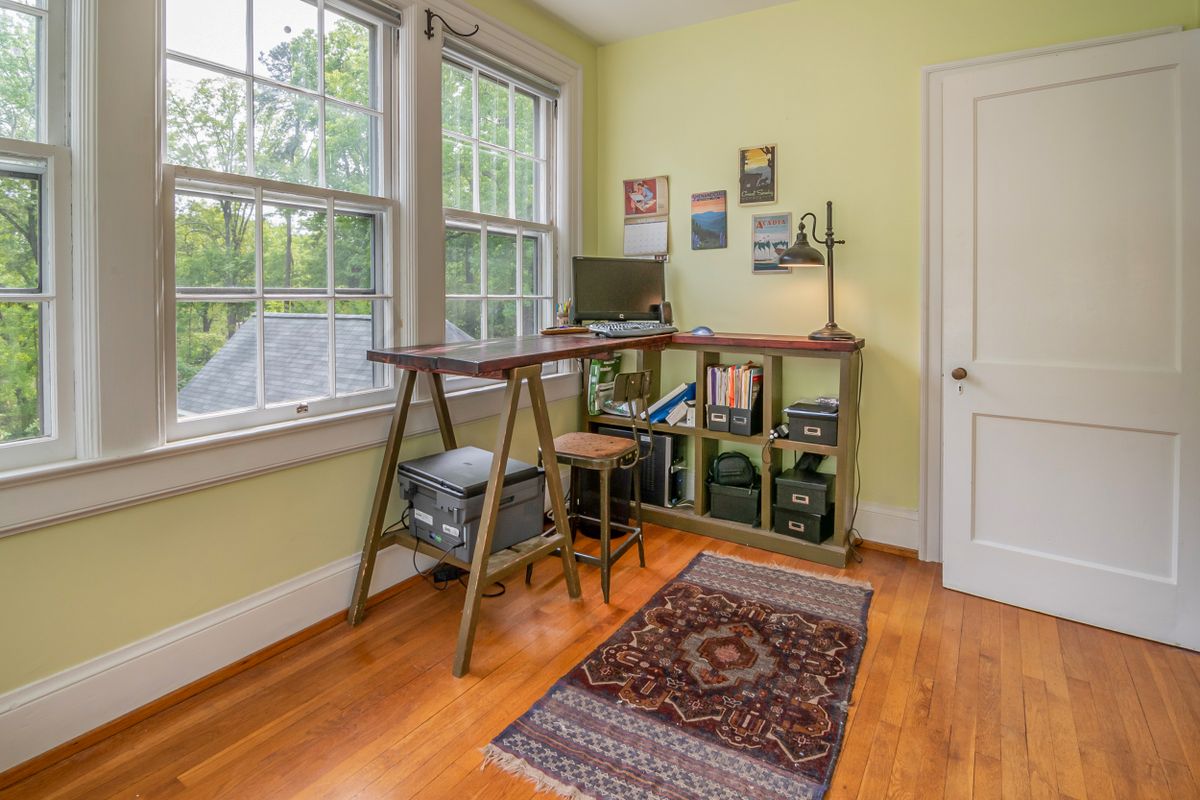
A corner can hold a useful desk if it lets you face your work and move the chair. Making use of an awkward space should not require working twisted between two walls.
Small spaces
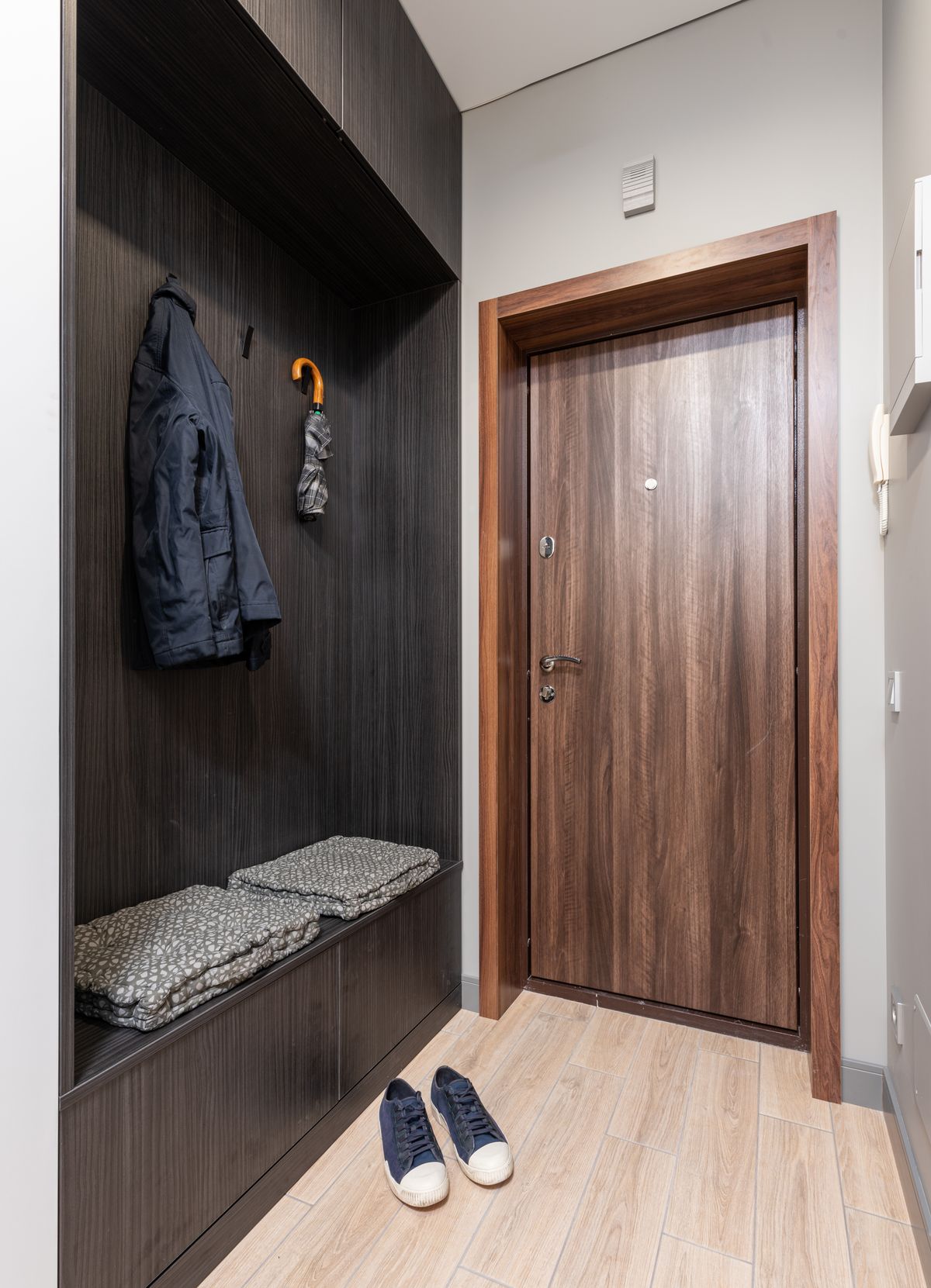
A storage bench can provide both a seat and somewhere for belongings, but it needs room for both functions. Inspect the opening method before deciding a narrow piece will fit your entrance.
Balconies & plants
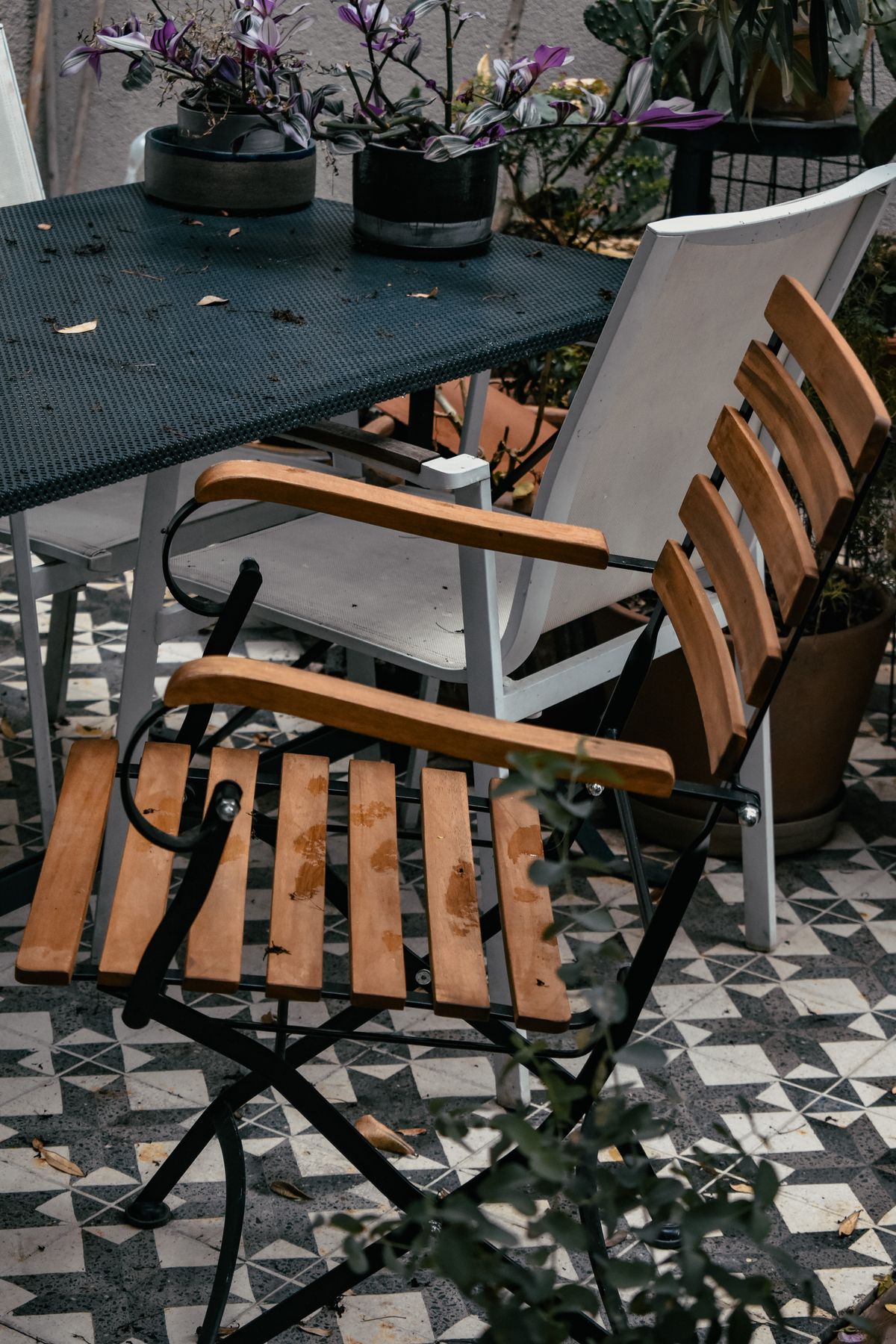
A small balcony can become a comfortable place to sit without acquiring a full set of outdoor furniture. Start with what you would actually do there on an ordinary afternoon, rather than everything a photograph manages to include.

Balconies & plants
The shade you need depends on when you use the balcony. Before choosing an awning or screen, watch the light from the actual seat at several points through the day.

Balconies & plants
Terracotta changes more than a plant's appearance. Its porosity, weight and behaviour outdoors affect watering and the places where a pot will work well.
Balconies & plants
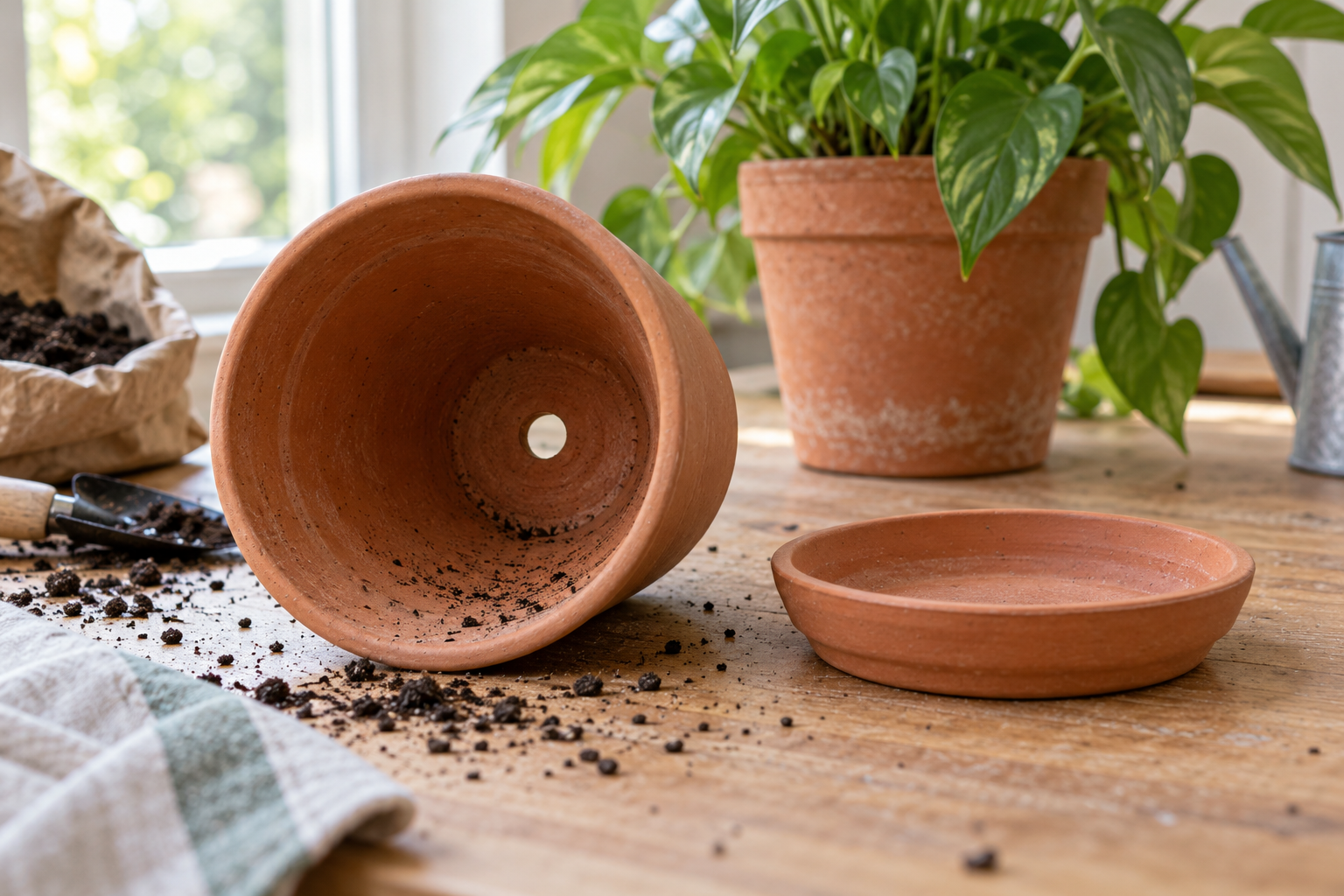
The hole in a pot's base and the saucer beneath it do different jobs. One allows excess water to leave; the other protects the supporting surface while you collect that water. Check both before planting.
Balconies & plants
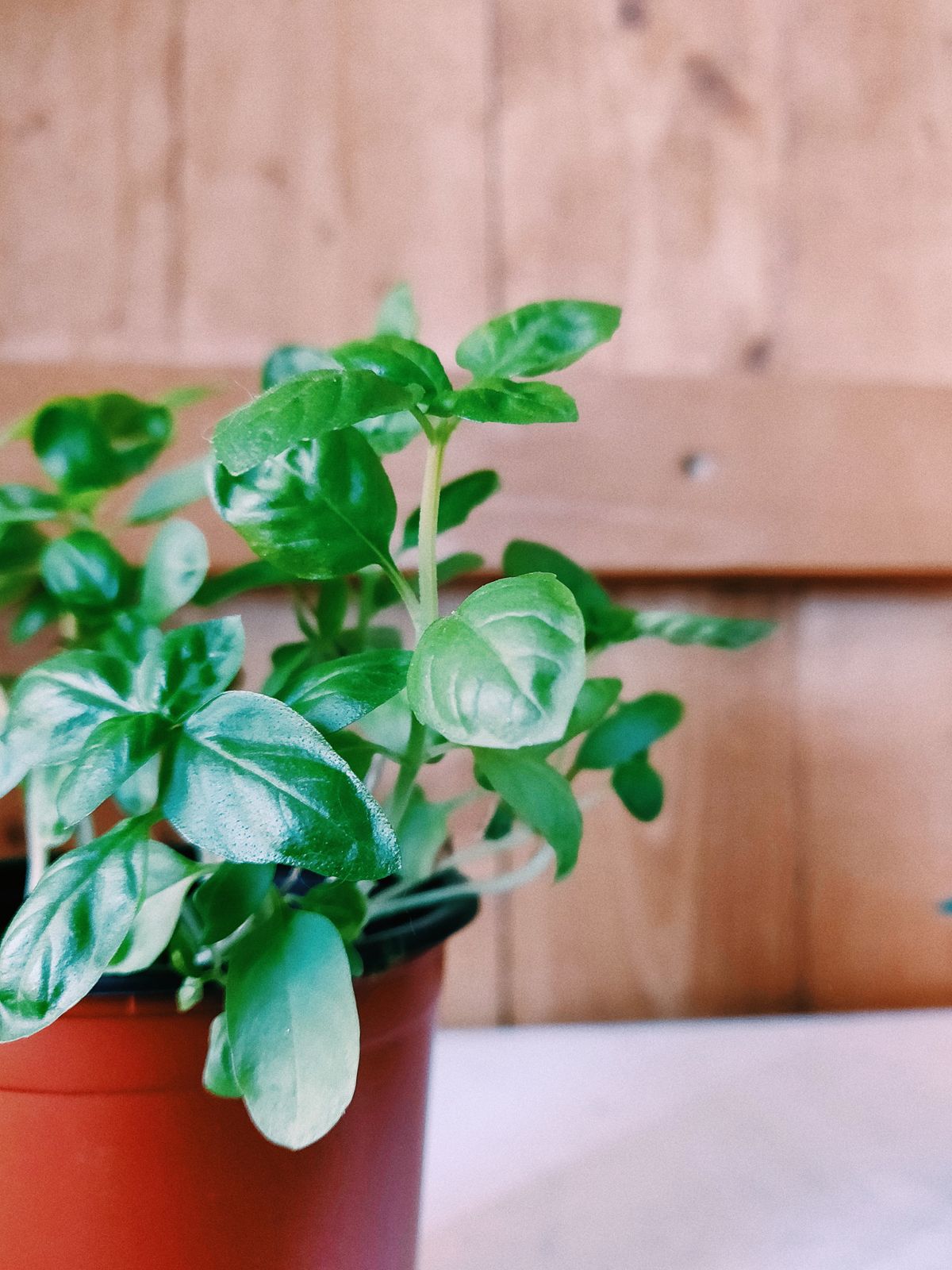
A small herb corner works better with two plants you use than six pots chosen for their appearance. Begin with the light available and the ingredients you regularly cook with.
Balconies & plants
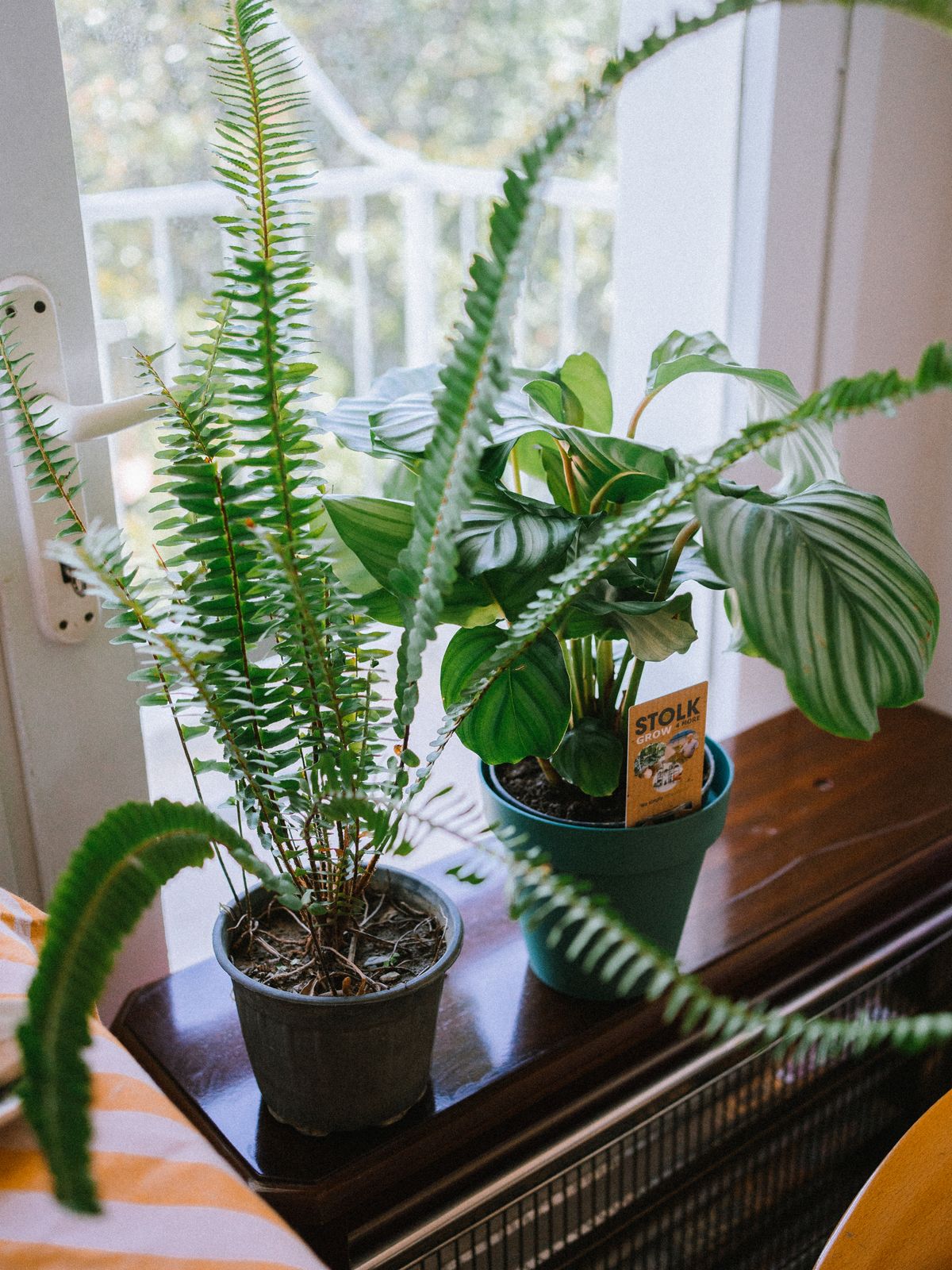
Choosing a plant to fill a gap on a shelf often reverses the useful order. Observe the light in that position first, then look for a species that can live there.

Balconies & plants
A date on the calendar cannot tell the whole watering story. Before adding water, inspect the growing medium and relate what you find to the needs of that particular plant.

Balconies & plants
Repotting is not a seasonal reward that every plant needs each spring. Look at the root ball and the growing medium's behaviour before choosing a larger container.
Balconies & plants
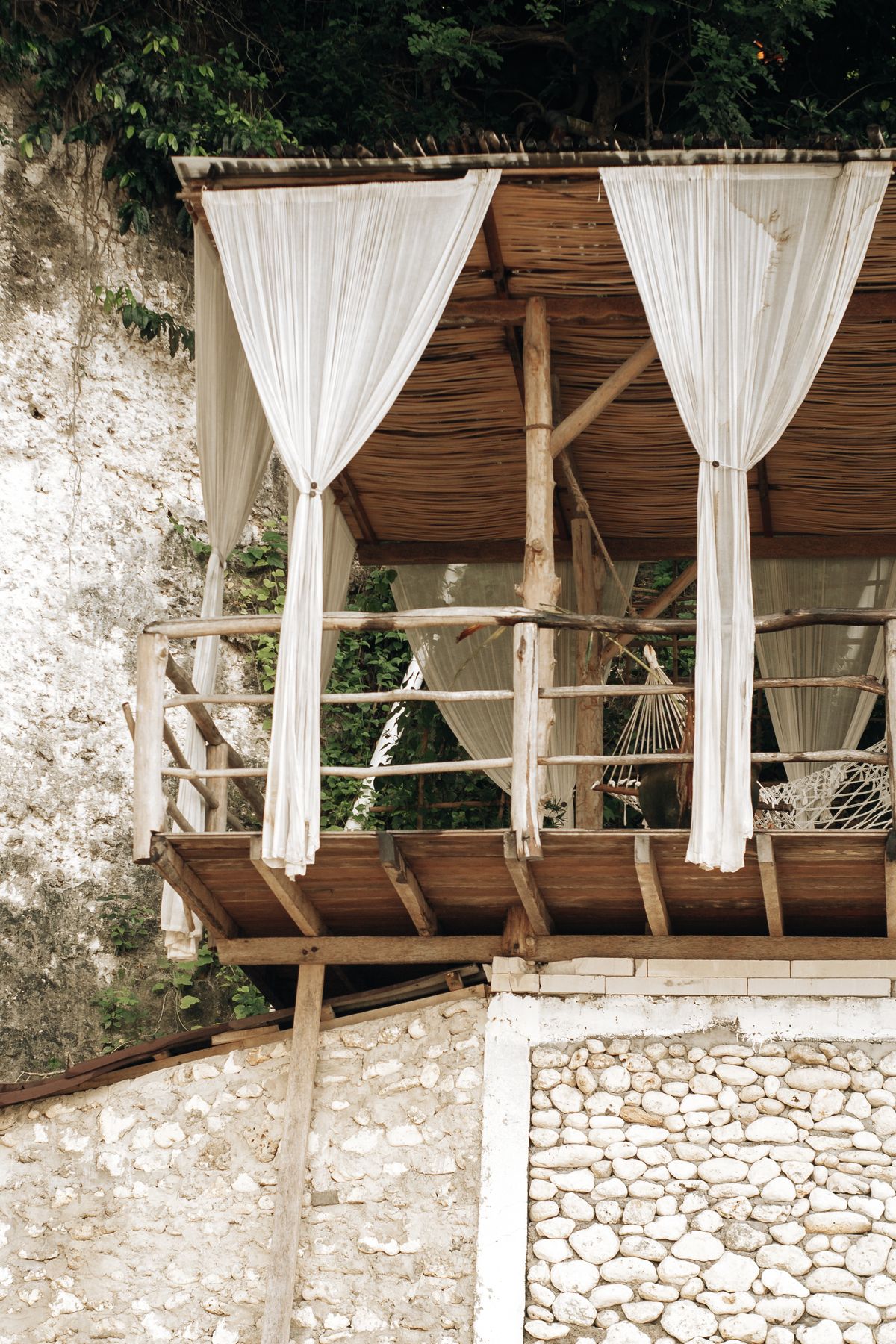
Balcony privacy does not always require covering the entire railing. First establish where people can see the seat from and which part of the space you actually want to screen.
Balconies & plants
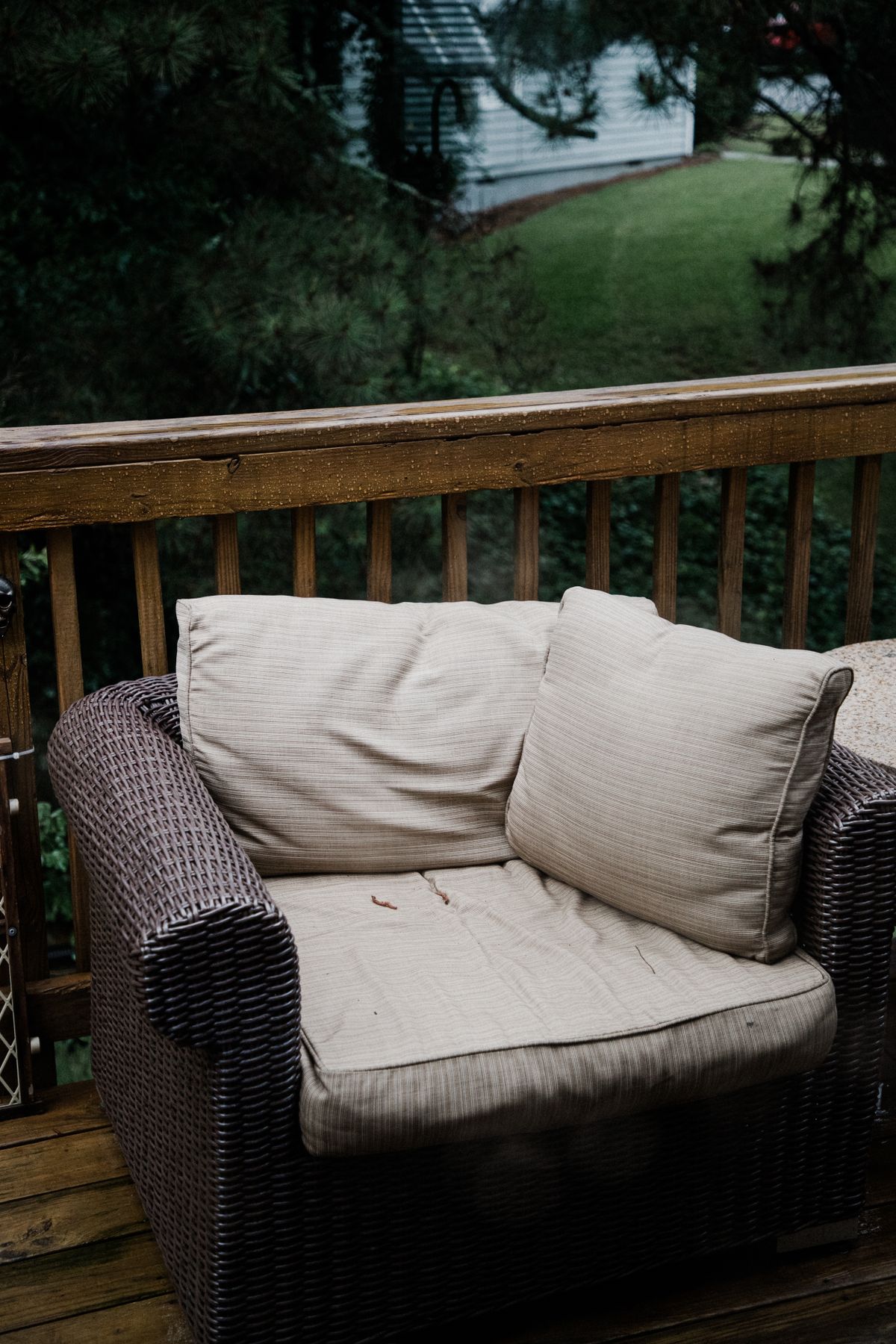
An outdoor cushion may tolerate some splashes without being designed to stay soaked. Sensible storage starts with its care label and a place where the whole cushion can dry thoroughly.

Balconies & plants
On a narrow balcony, a table must leave space for knees and for standing up. The tabletop dimensions tell only part of the story when you are trying to fit two chairs.

Balconies & plants
Dust is especially noticeable on large leaves, but cleaning should suit their surface. A soft cloth may work on a smooth leaf and be inappropriate for one covered in fine hairs.
Balconies & plants
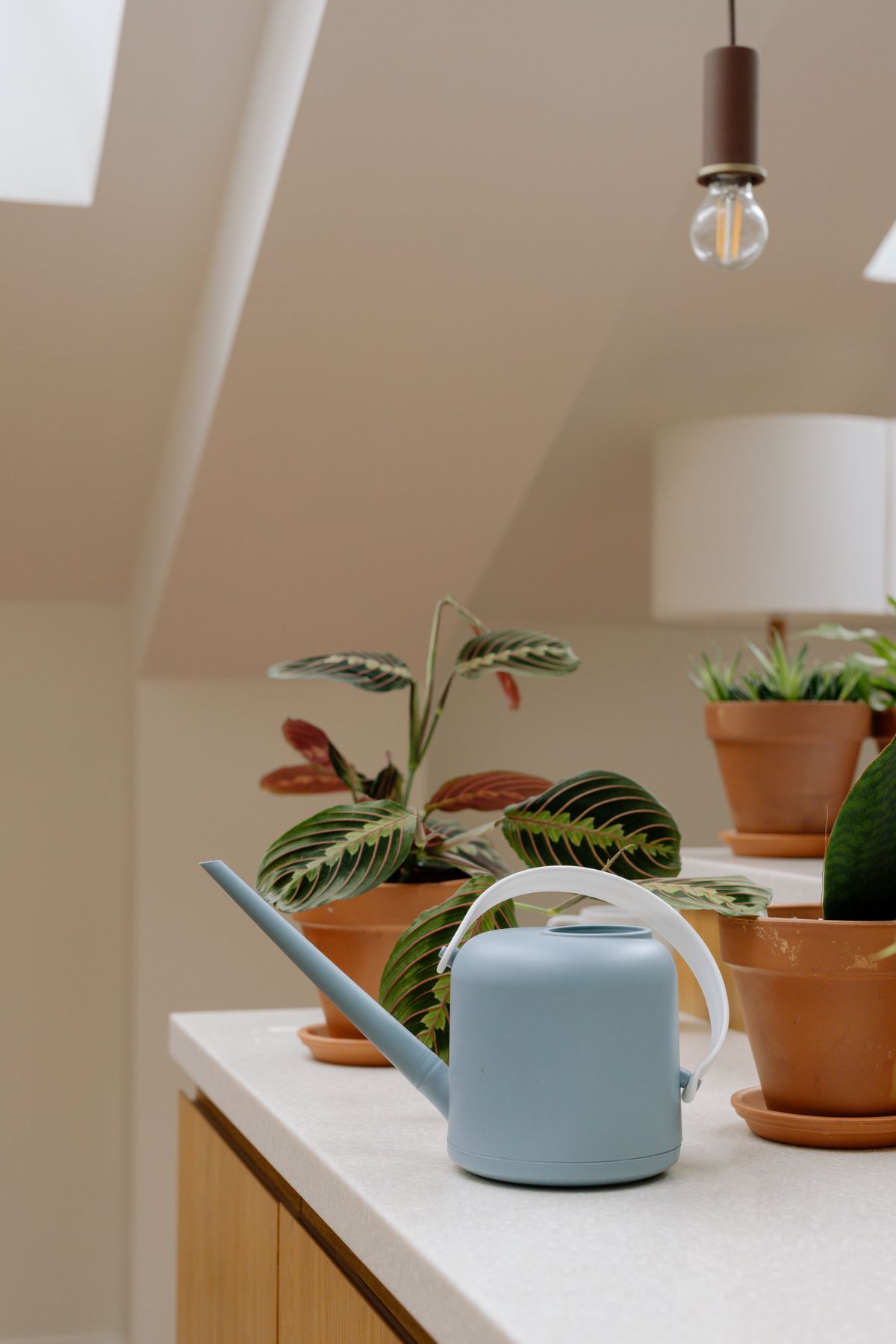
Before a short trip, the most useful task is establishing which pots will need attention. Not every plant requires a watering device or an extra dose of water on departure day.
Balconies & plants
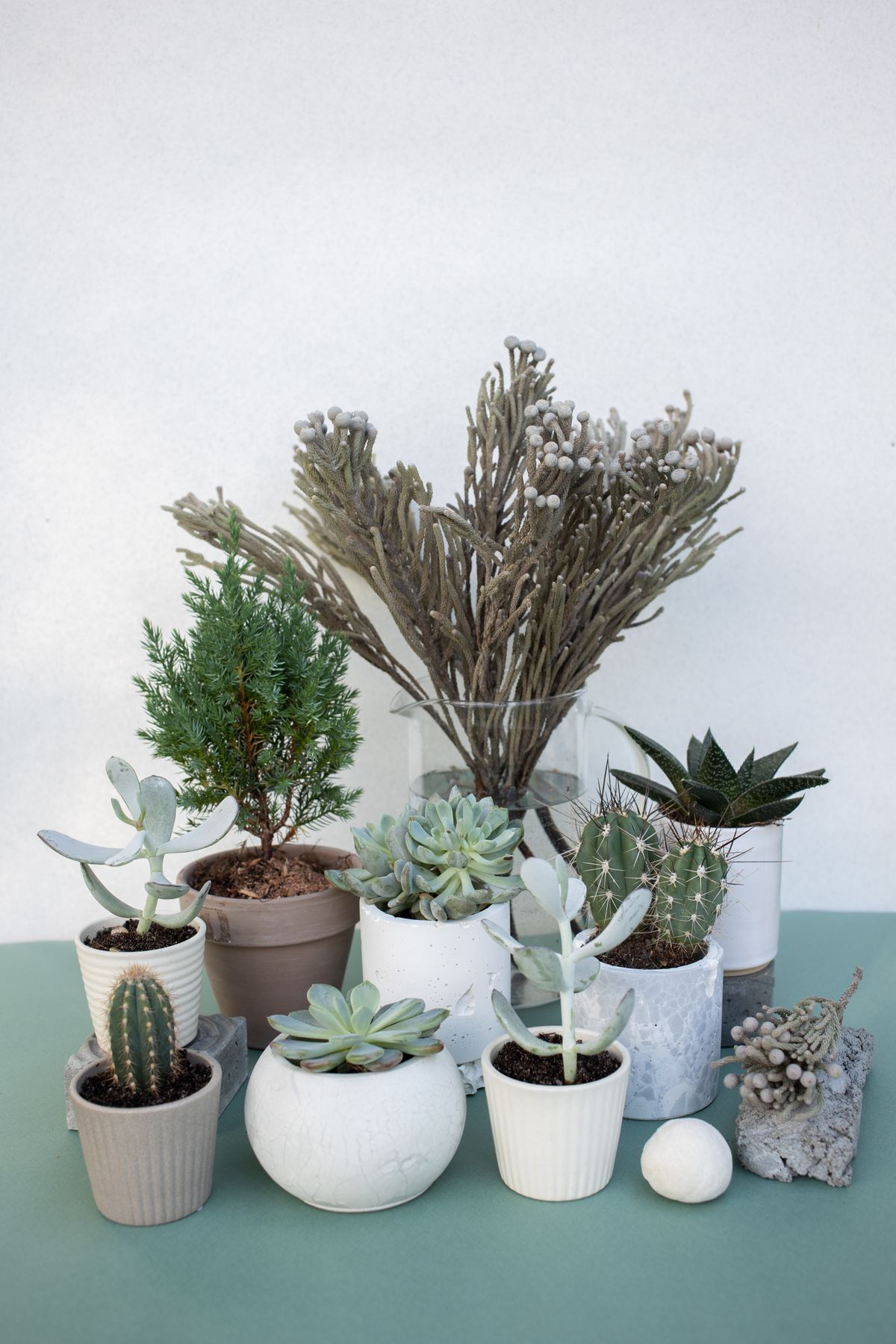
Grouping plants can give a corner a sense of unity, but every pot should remain accessible. The arrangement should make inspection and watering easier rather than turning them into a dismantling job.
Balconies & plants
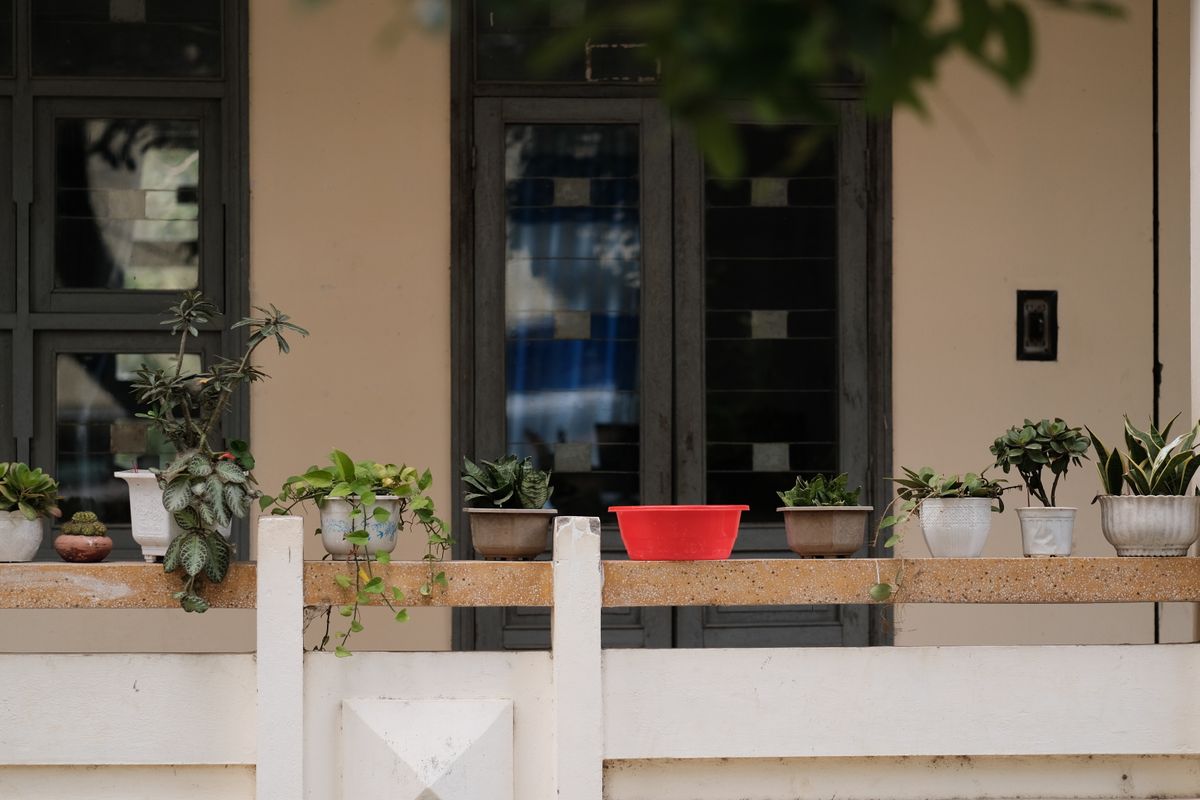
Wind affects both the stability of pots and how quickly their growing medium dries. A balcony that feels quiet when you step outside can receive different gusts as the hour and weather change.

Balconies & plants
A rug can make a balcony feel more welcoming, but it also adds a layer over a floor exposed to water. Before choosing pattern and colour, establish how the rug will dry and how you will clean it.
Balconies & plants
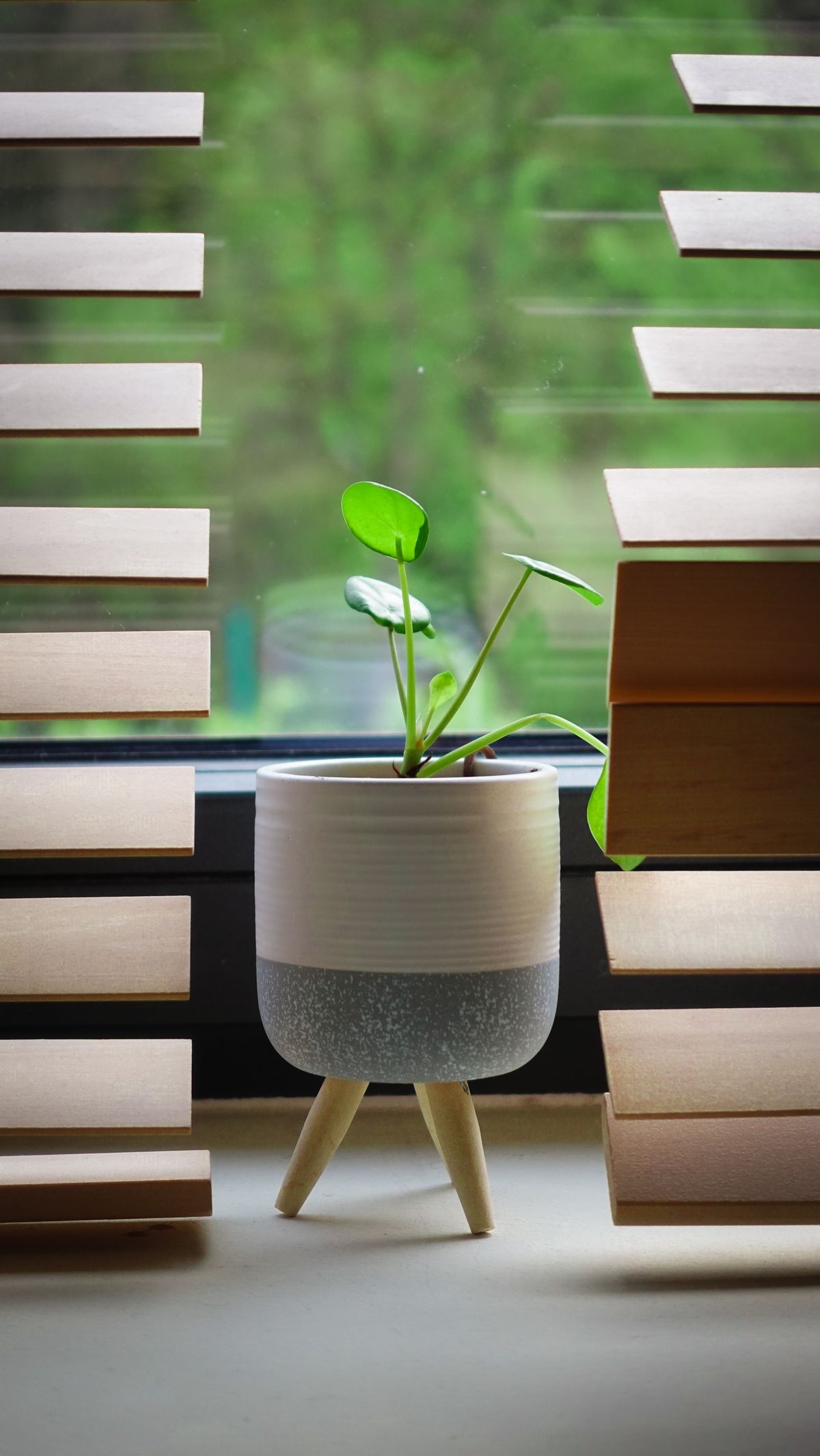
A new plant deserves a position where you can observe it before bringing it close to the others. That pause makes problems easier to notice and gives you time to learn its needs without disrupting the whole collection.

Balconies & plants
A pot's advertised diameter may be measured across the outside rim, which tells you little about whether the root ball will fit. Inspect the internal space before choosing by silhouette.

Balconies & plants
A soft light near the seat is often more pleasant than illuminating every corner of a balcony. Start by identifying where you need to see your way and where you simply want a welcoming atmosphere.
Balconies & plants
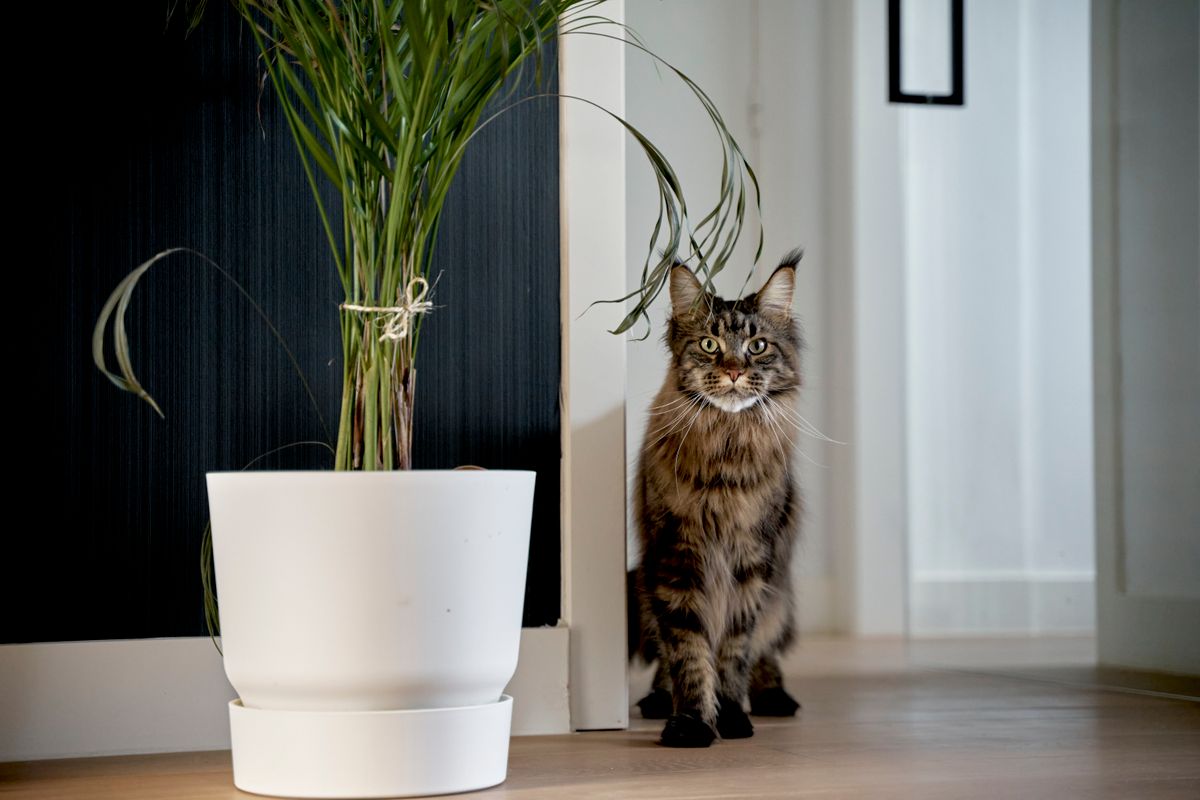
In a home with pets, choosing a plant starts with its botanical identity and the animal that will share the space. A pet-friendly phrase on a label does not replace that check.
Balconies & plants
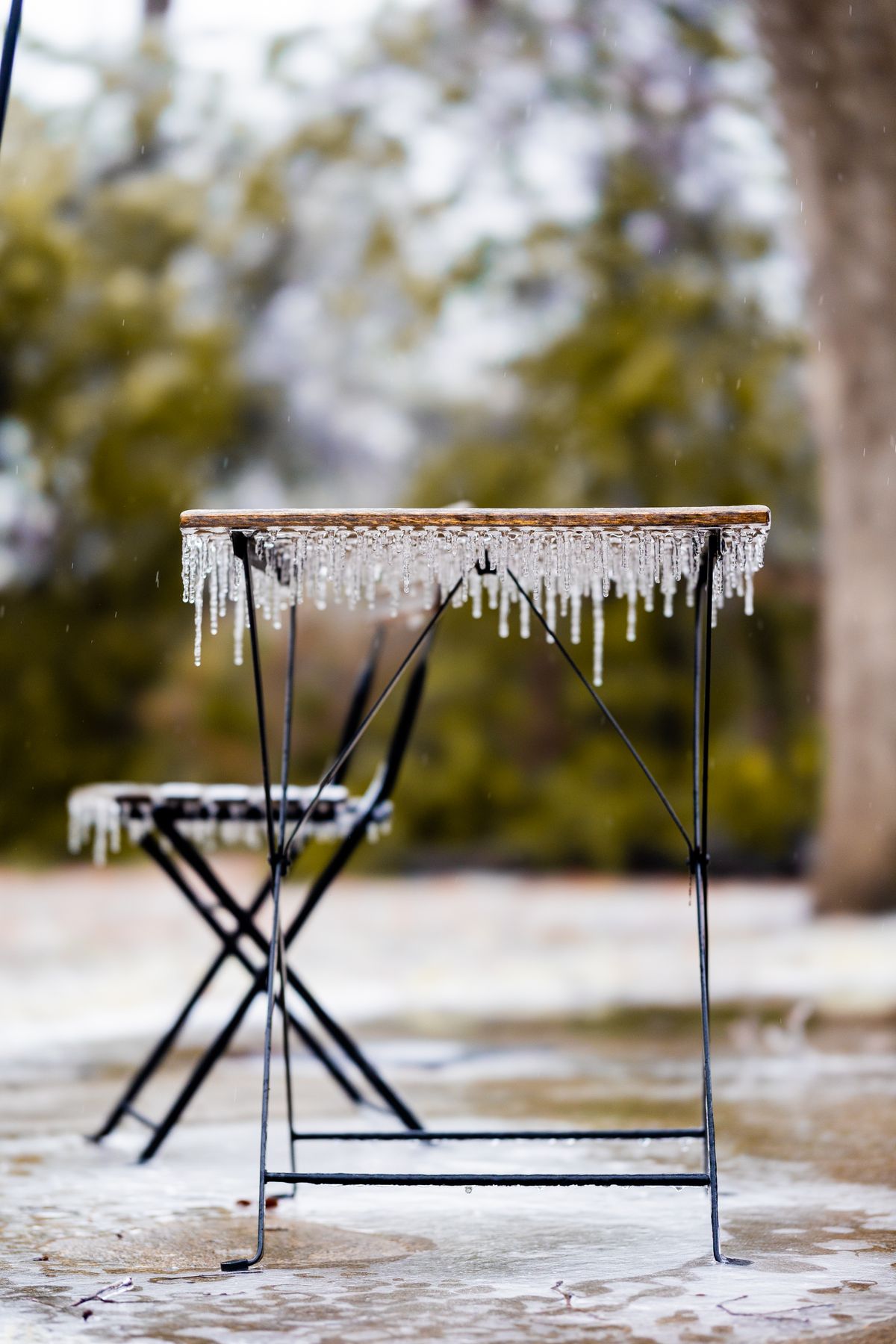
Preparing a balcony for winter means deciding what can remain outside and what needs shelter. Cold, rain and wind do not affect every material or plant in the same way.
Buying thoughtfully
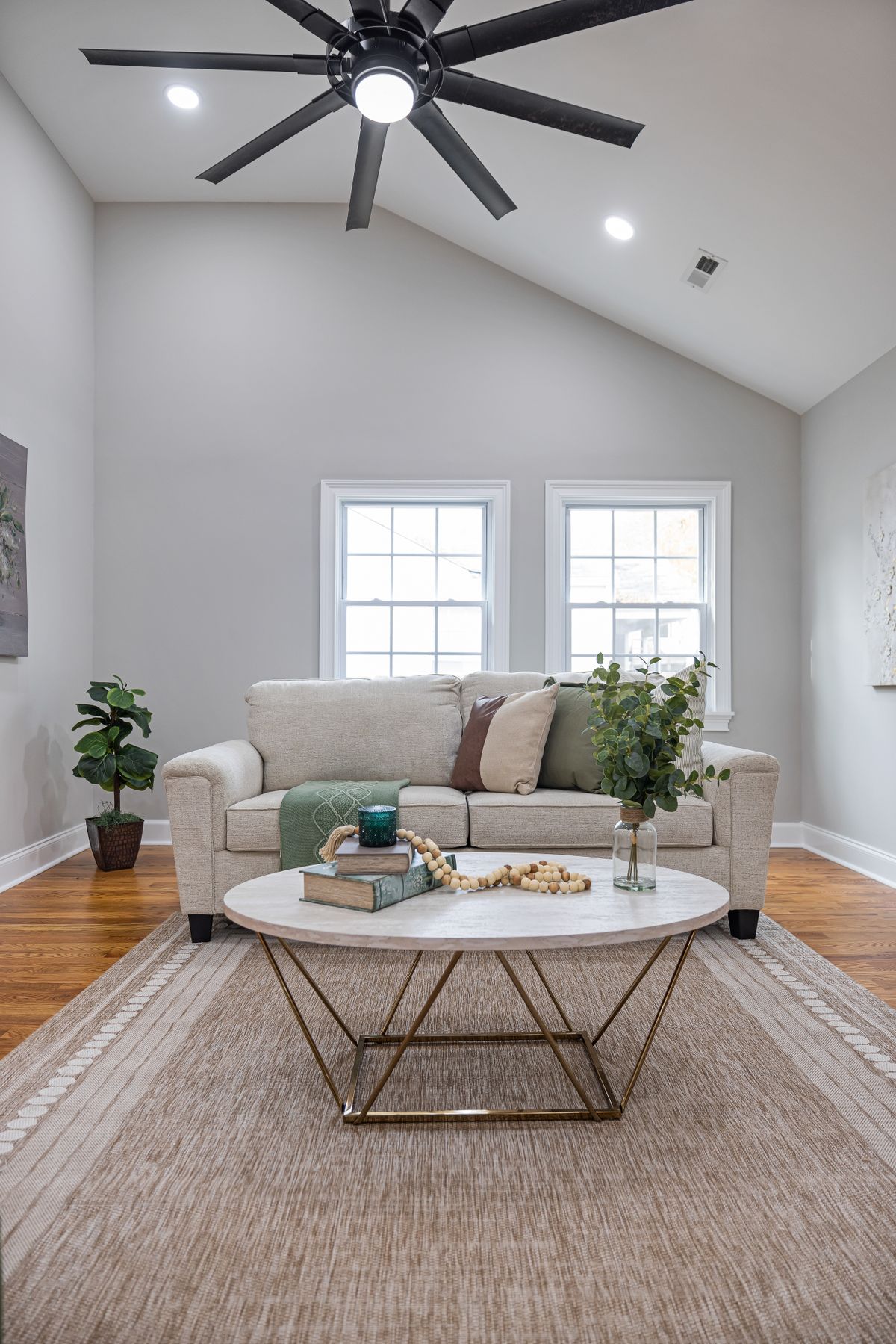
A sofa fitting the living room does not prove that it can reach it. Measure the piece, its packaging and the complete delivery route before confirming the order.

Buying thoughtfully
Thread count alone does not explain how sheets feel. Fibre composition, weave, finish and care give a more useful picture of what you will actually sleep in.
Buying thoughtfully
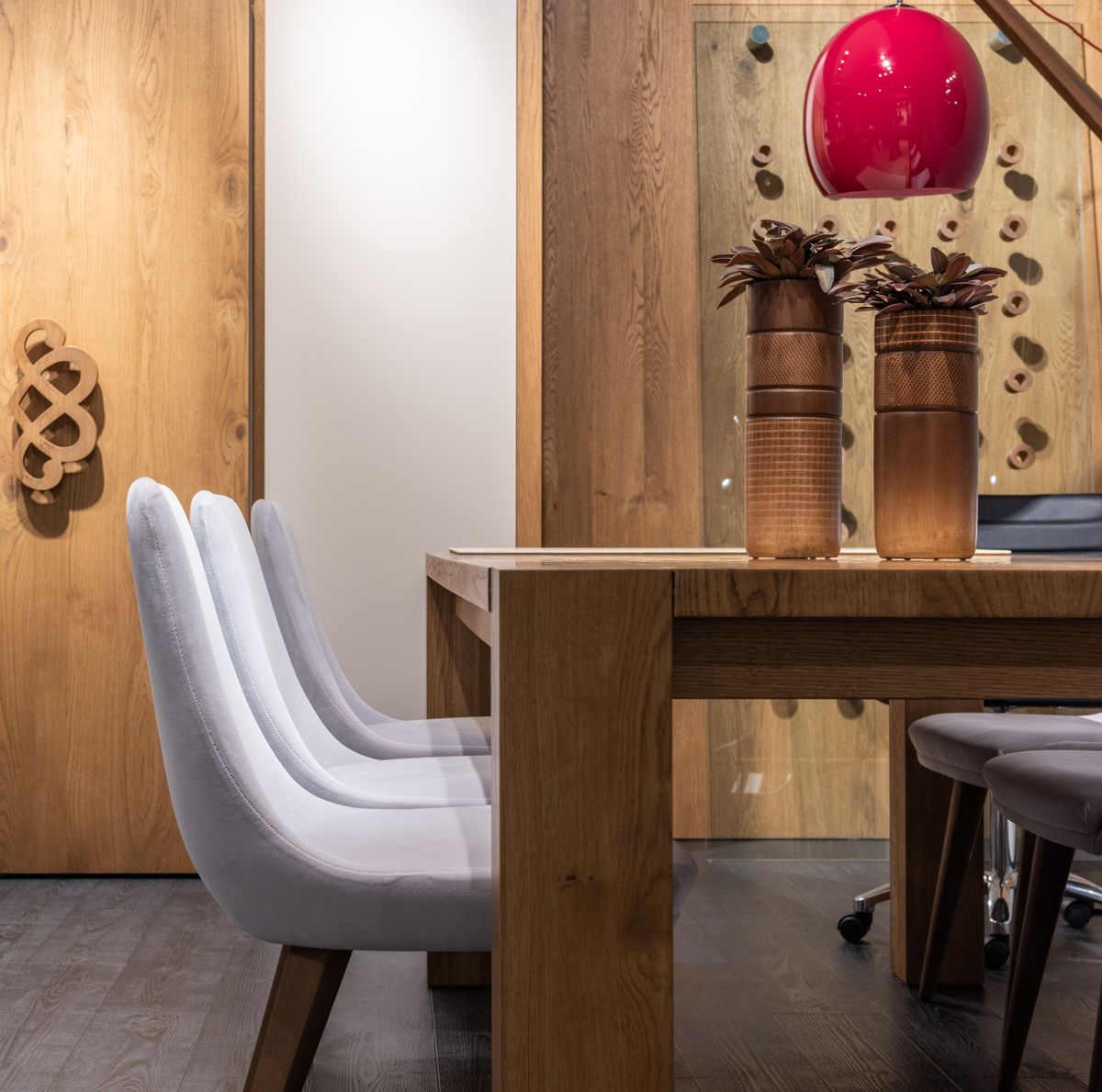
A dining table needs room for people, chairs and routes around it. Choosing only by the advertised seat count can produce a dining area that works only when empty.
Buying thoughtfully
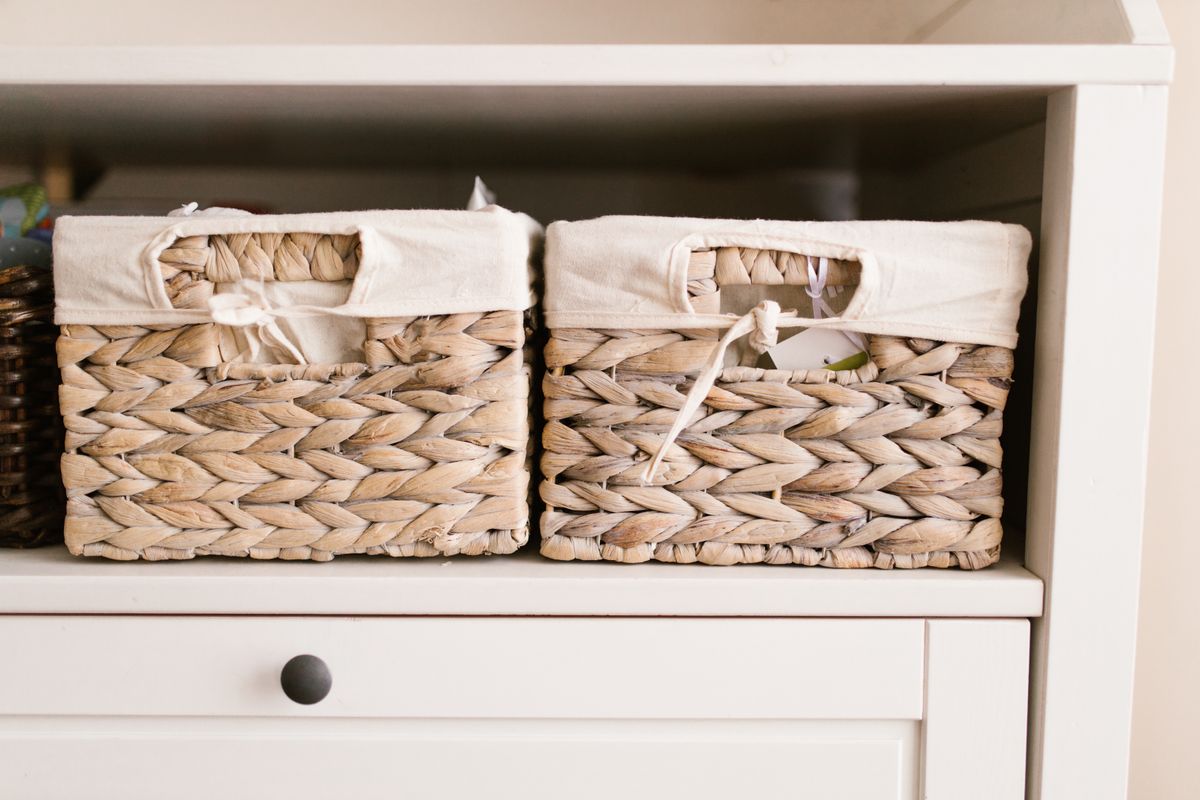
A box can fit a shelf and still be awkward to remove. Measure the opening, contents and hand space before buying several matching containers.

Buying thoughtfully
Darkening a room for sleep and filtering daylight are different needs. Compare the fabric and its installation, because light can also enter around the edges.
Buying thoughtfully
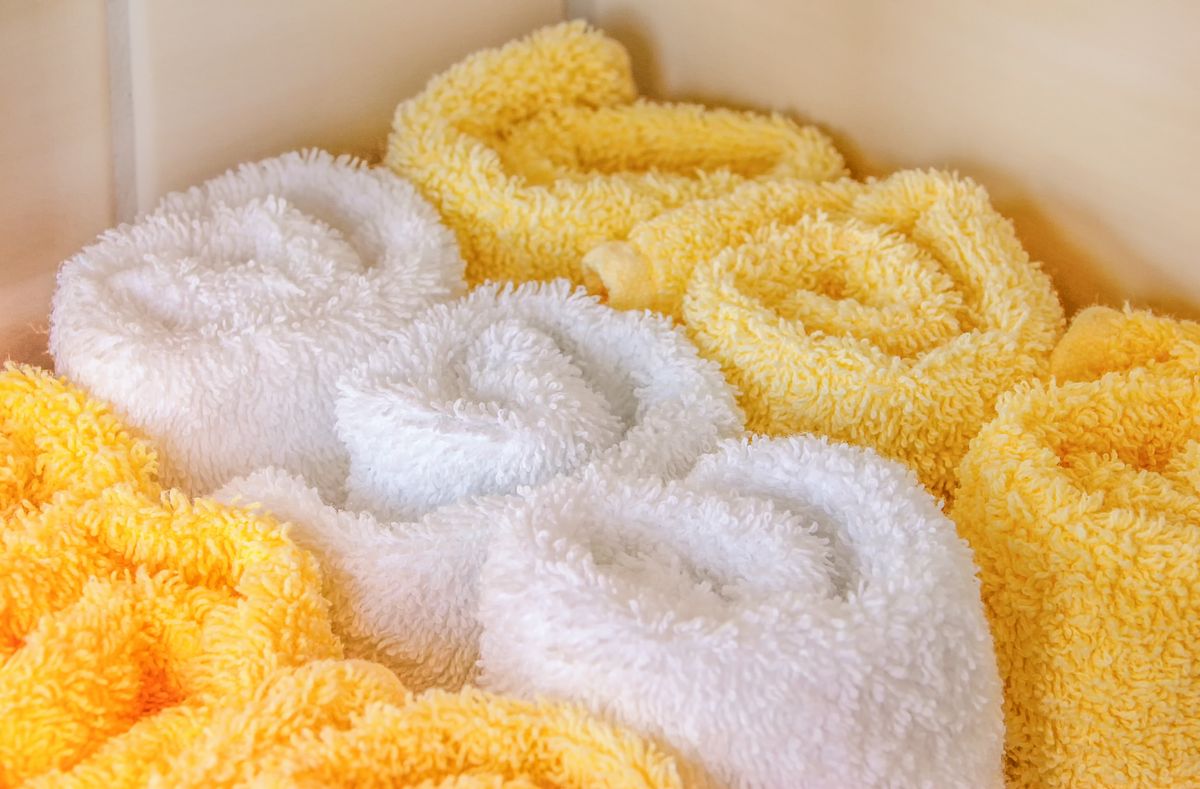
The thickest towel in the shop is not always the most practical at home. Consider its size, wet weight and the place where it will need to dry.
Buying thoughtfully
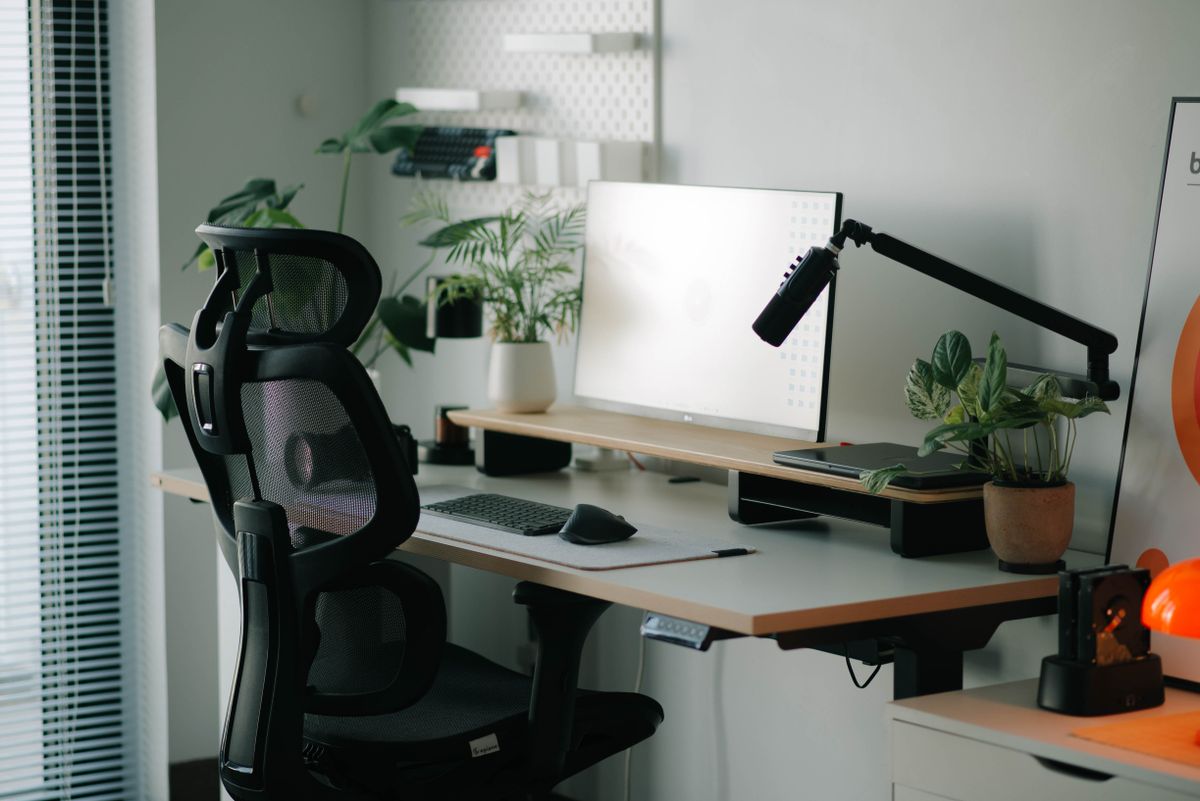
An adjustable chair can still be awkward if it does not work beneath the desk. Test the complete combination and identify useful adjustments before choosing by appearance.
Buying thoughtfully
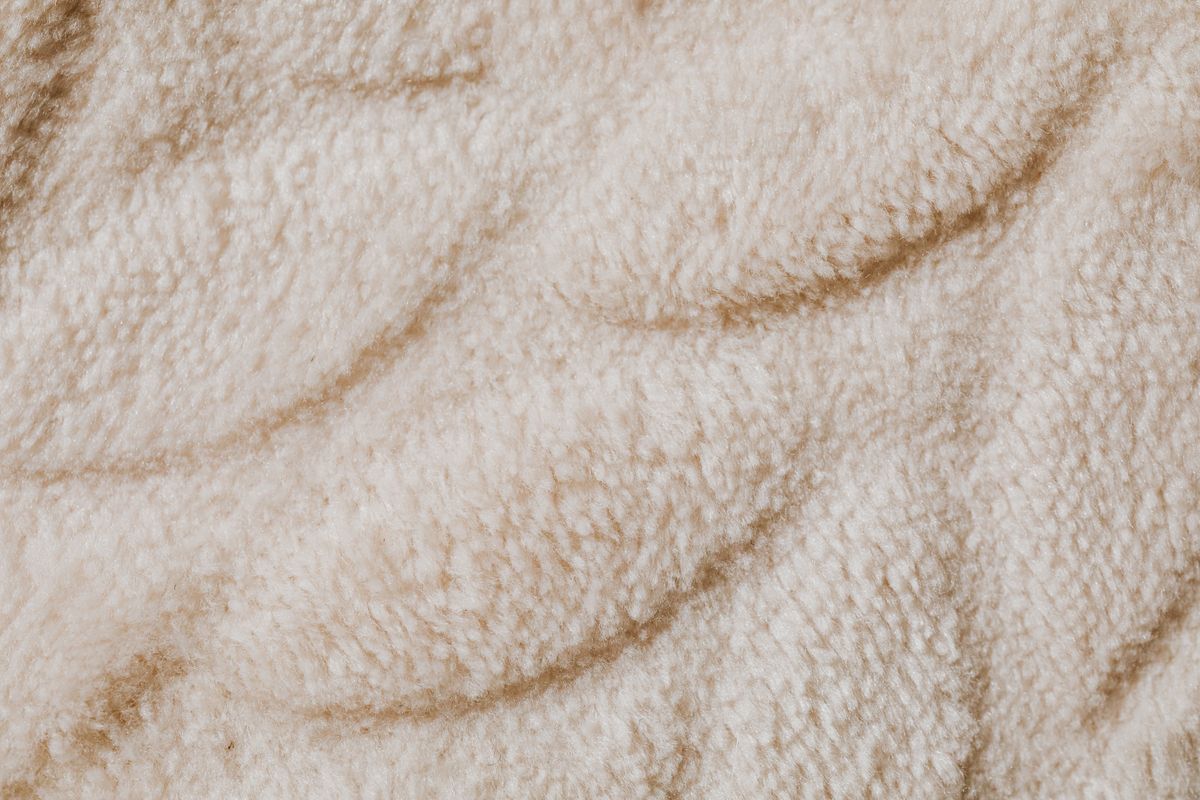
Rug material affects feel and care, but construction and backing matter too. Compare complete pieces for the room where they will actually be used.
Buying thoughtfully
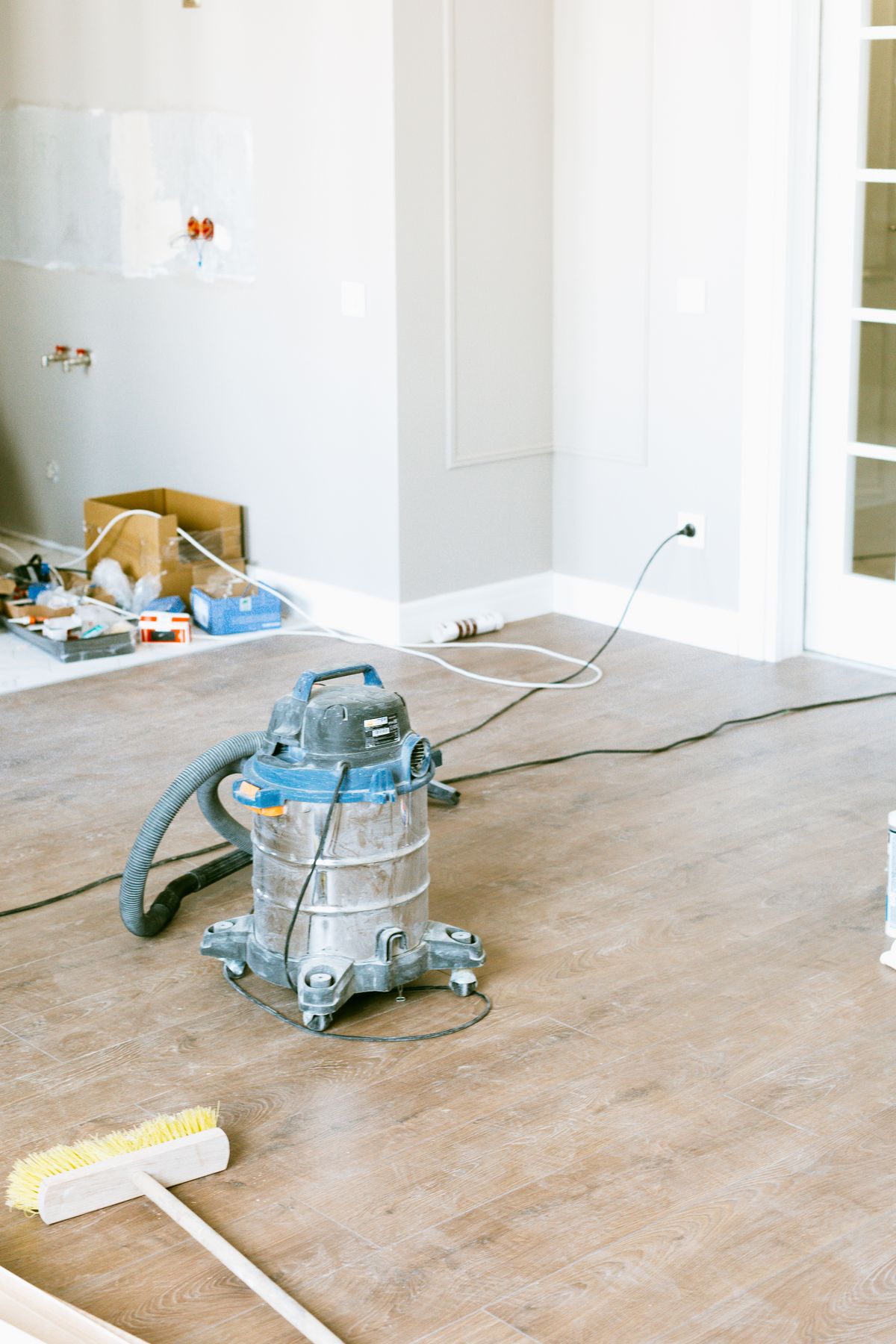
A vacuum that is easy to store is more likely to be ready when needed. Before comparing accessories, decide where the complete appliance will live and how it comes out.
Buying thoughtfully
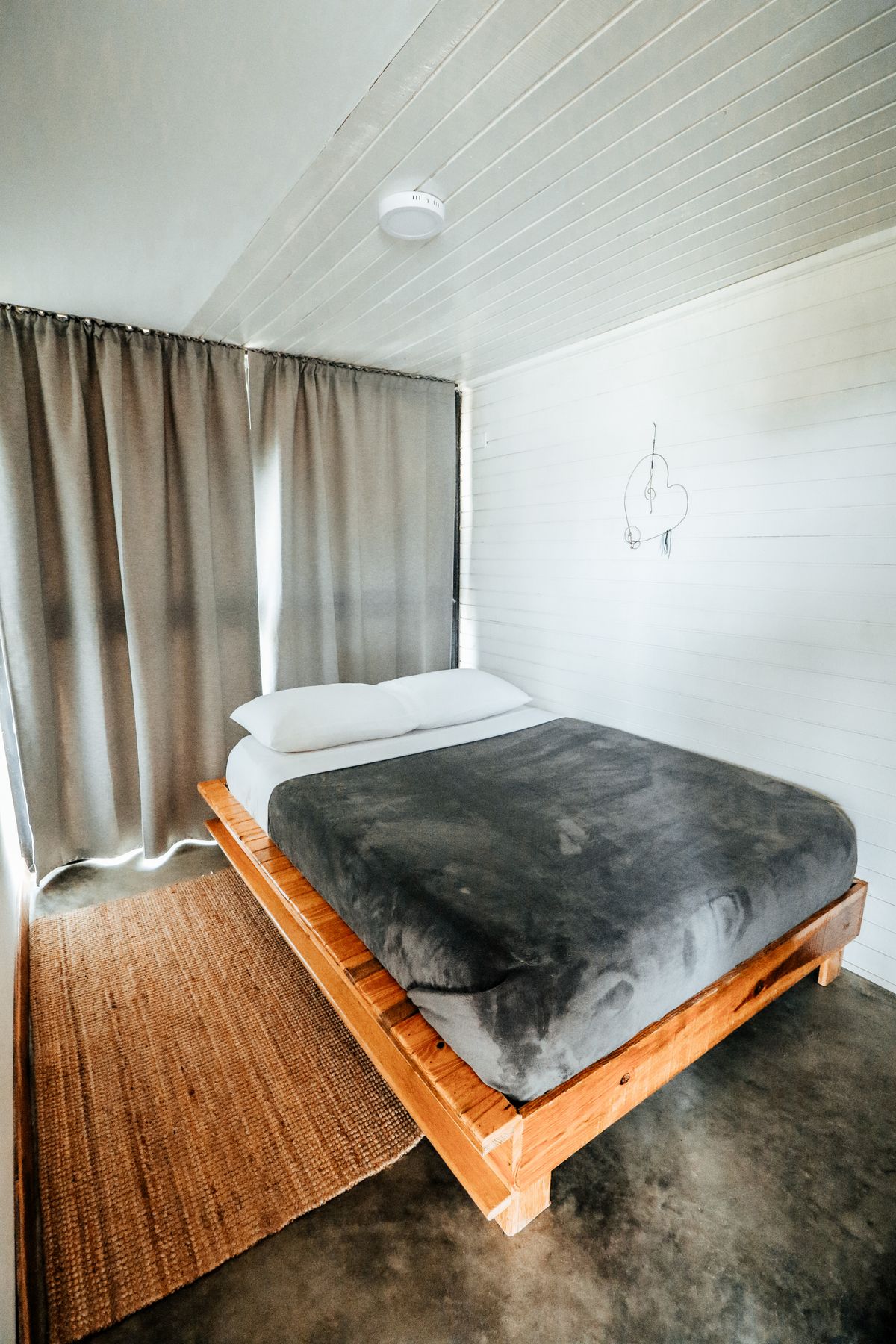
Mattress size is not bed size. A headboard, broad frame or open drawer can occupy the space that appeared spare on a room plan.

Buying thoughtfully
A shade changes both a lamp's proportions and the light reaching the room. Check physical fit and compatibility before deciding by colour.
Buying thoughtfully
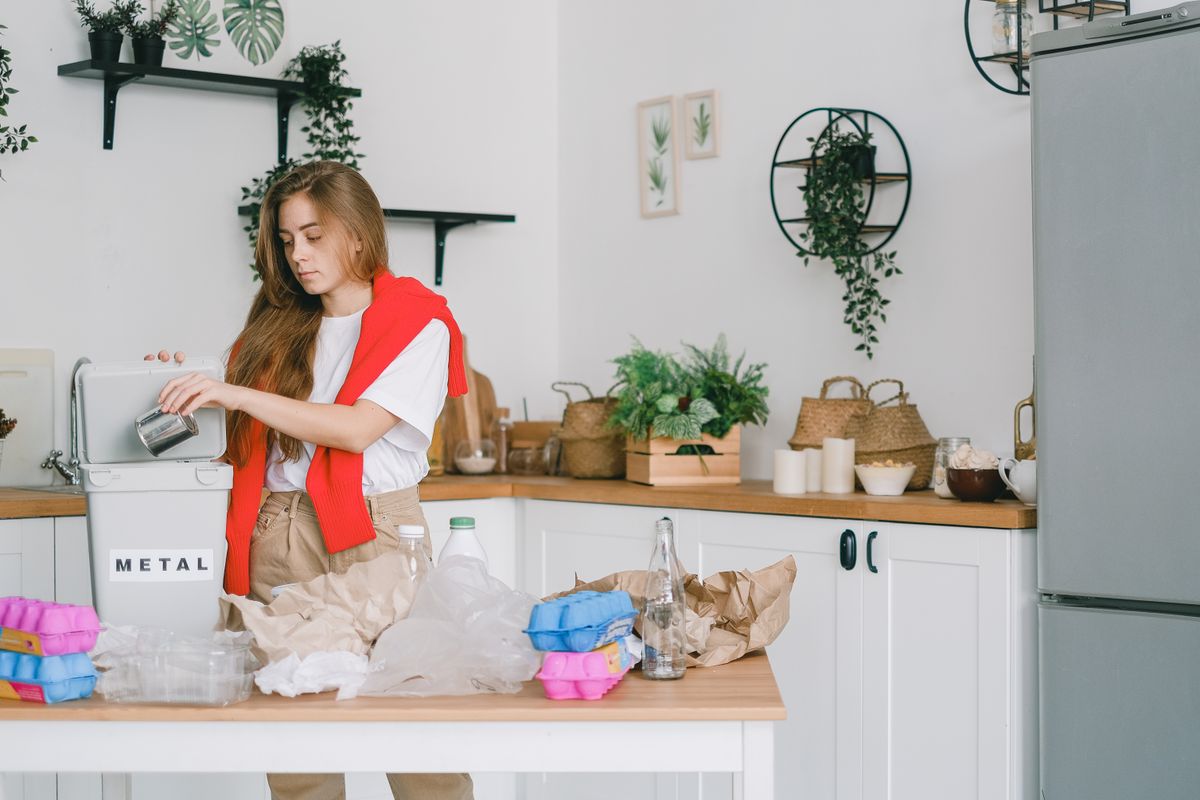
A kitchen bin is used repeatedly every day. Capacity matters, but so do opening, emptying and fitting it where it is actually needed.
Buying thoughtfully
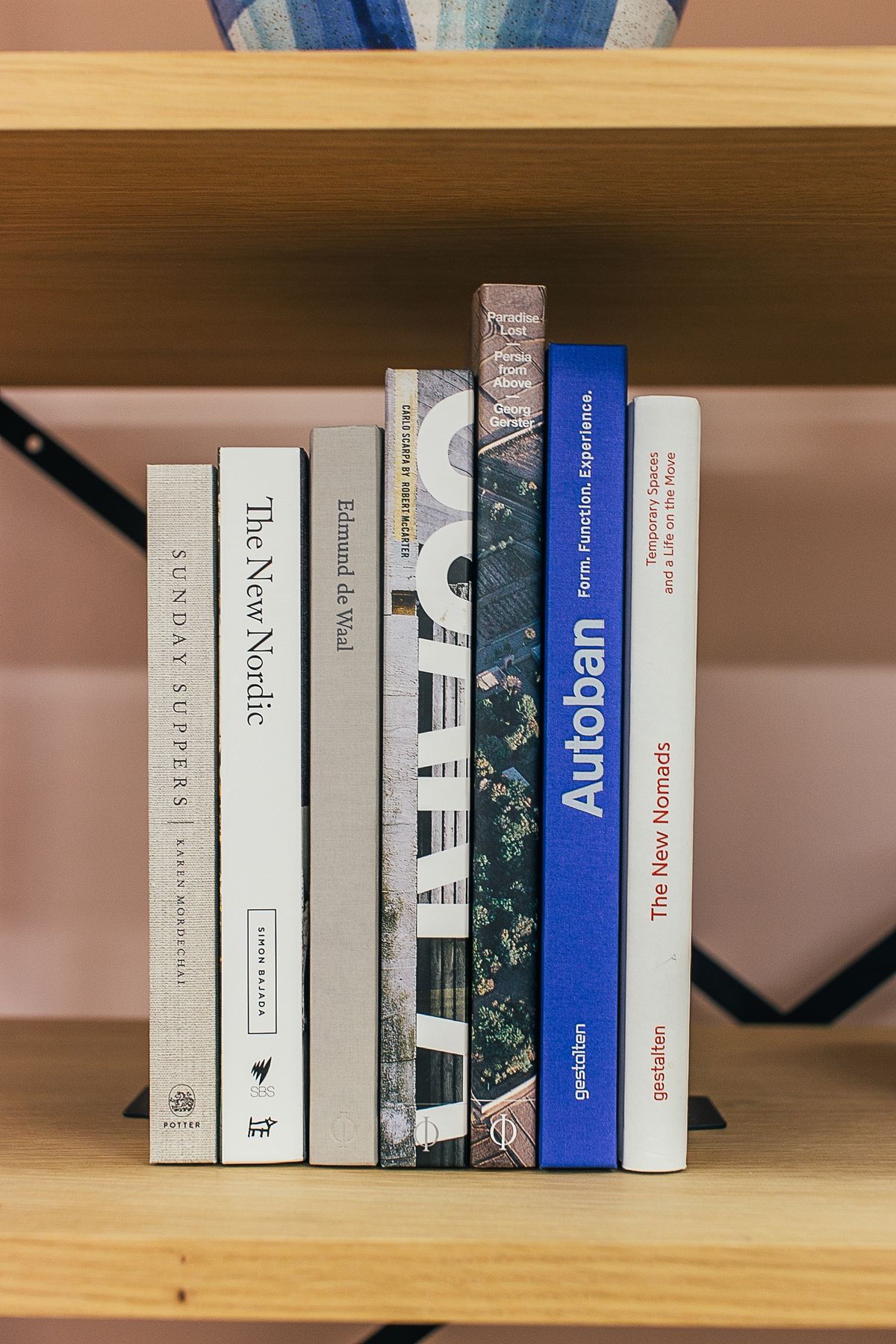
A shelf load rating is useful only when you know what it applies to. Read assembly and weight-distribution conditions before filling the unit with books or boxes.
Buying thoughtfully
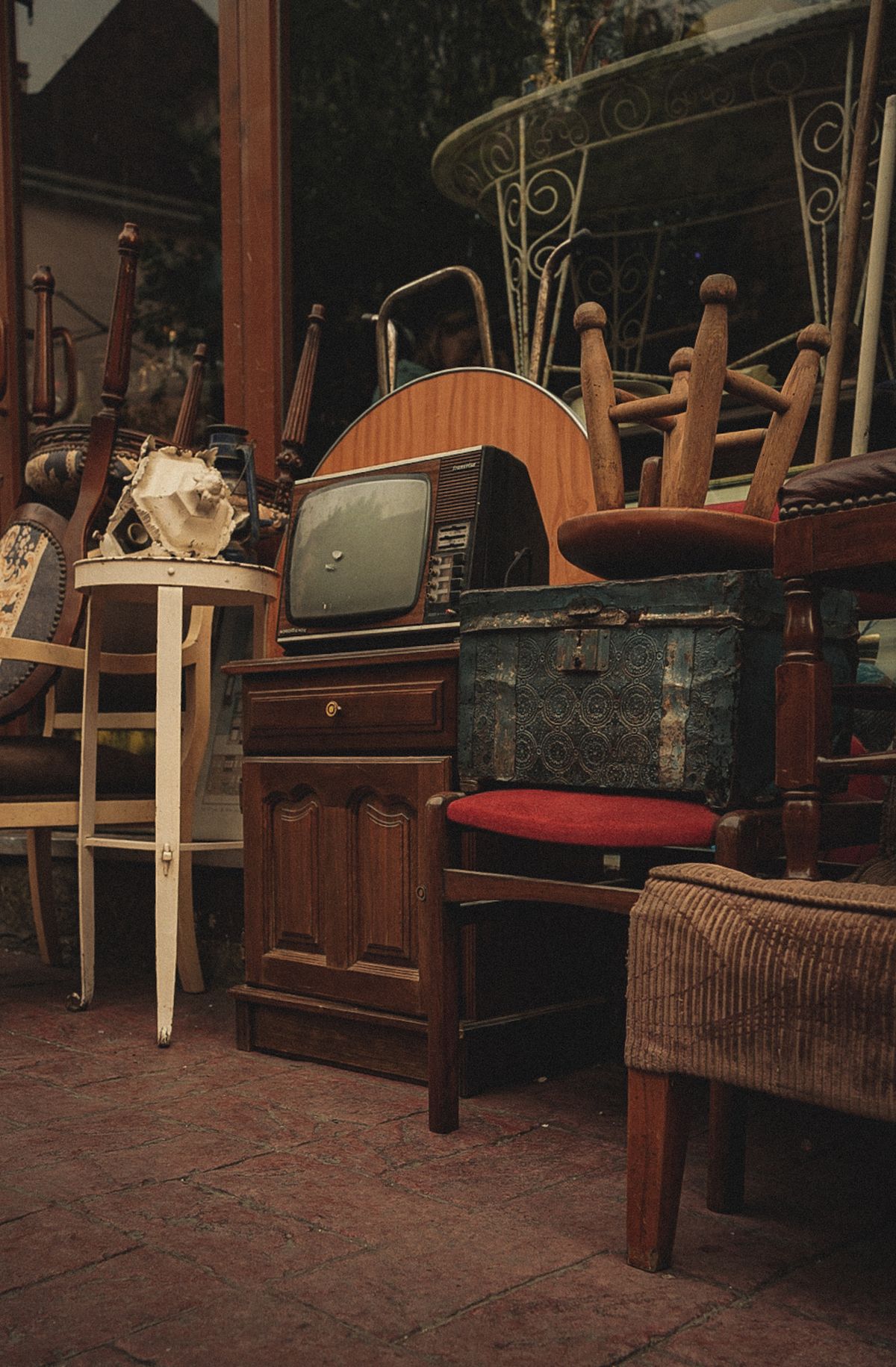
Second-hand furniture can work beautifully at home, but the front view is not enough. Condition, dimensions and transport determine whether it is a practical purchase.

Buying thoughtfully
A dining chair is better judged while sitting than from across the room. Test its relationship with the table and whether comfort lasts beyond the first few seconds.

Buying thoughtfully
A duvet should suit the bedroom temperature and the way you sleep. Filling and volume matter, but they do not replace choosing an appropriate warmth level for you.
Buying thoughtfully
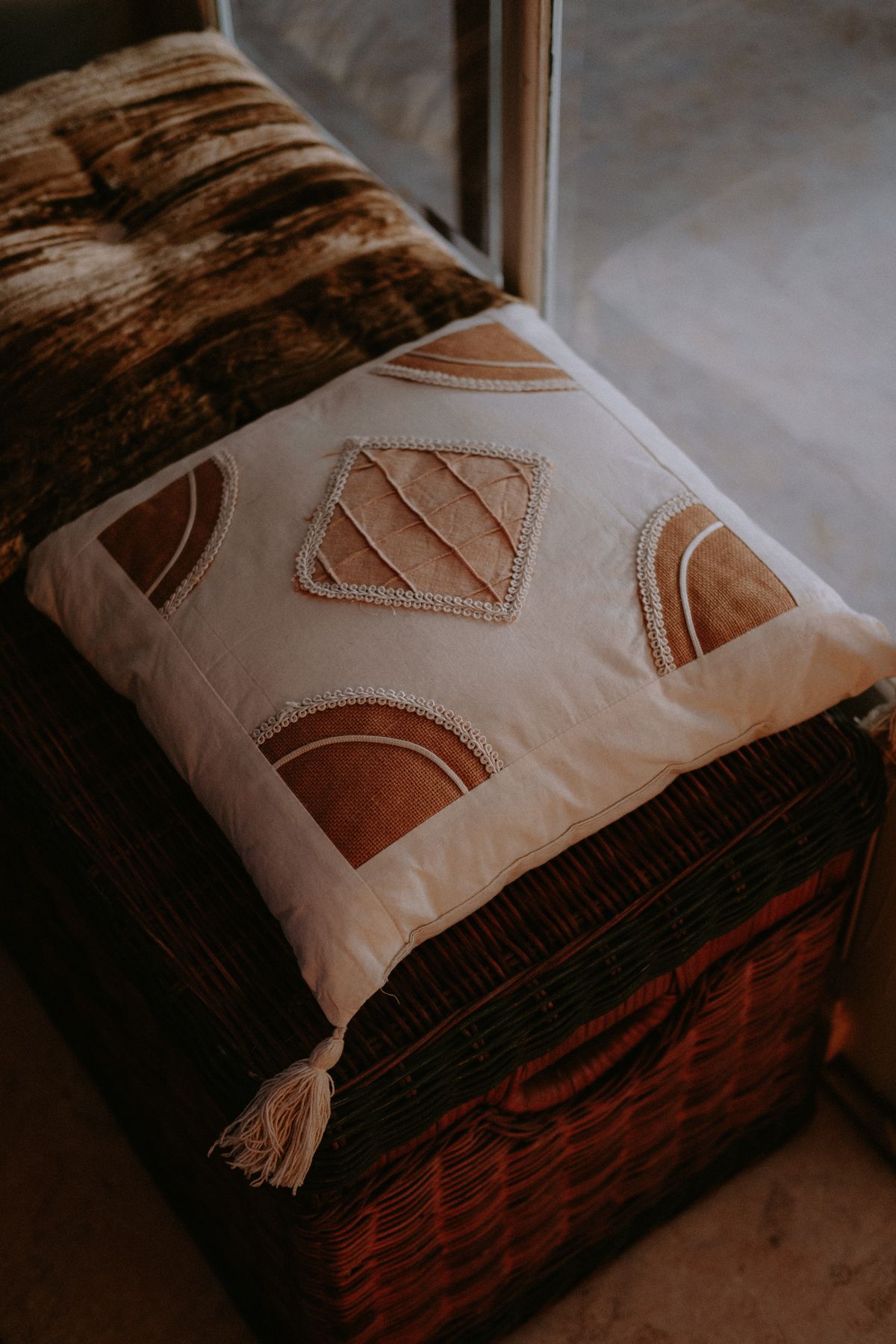
A good-looking cover can appear loose or overstretched with the wrong insert. Check dimensions, volume and closure so that the cushion feels comfortable as well as looking full.
Buying thoughtfully
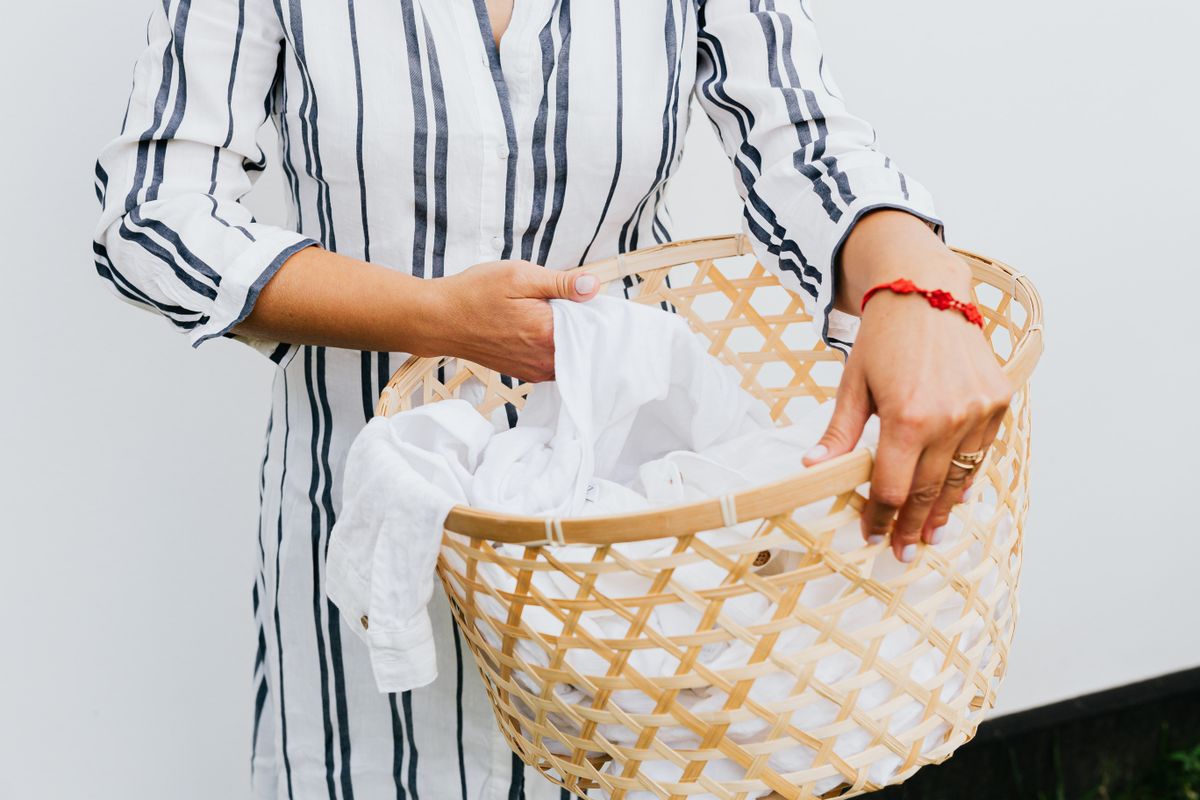
A laundry basket can feel convenient empty and awkward once full. Choose around the route to the washer, not only the gap where it will be stored.
Buying thoughtfully
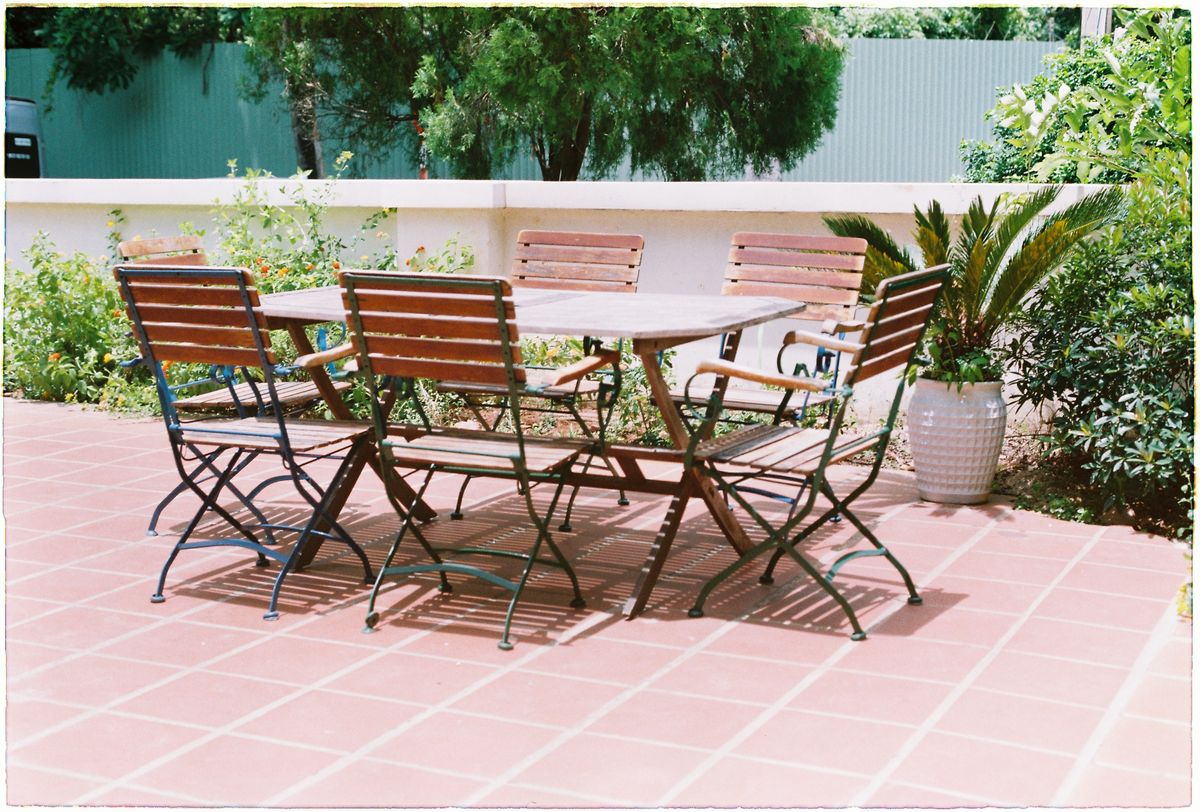
Outdoor furniture faces sun, moisture and temperature changes. Comparing maintenance helps select something you can care for, not merely a material that looks appealing when new.
Buying thoughtfully
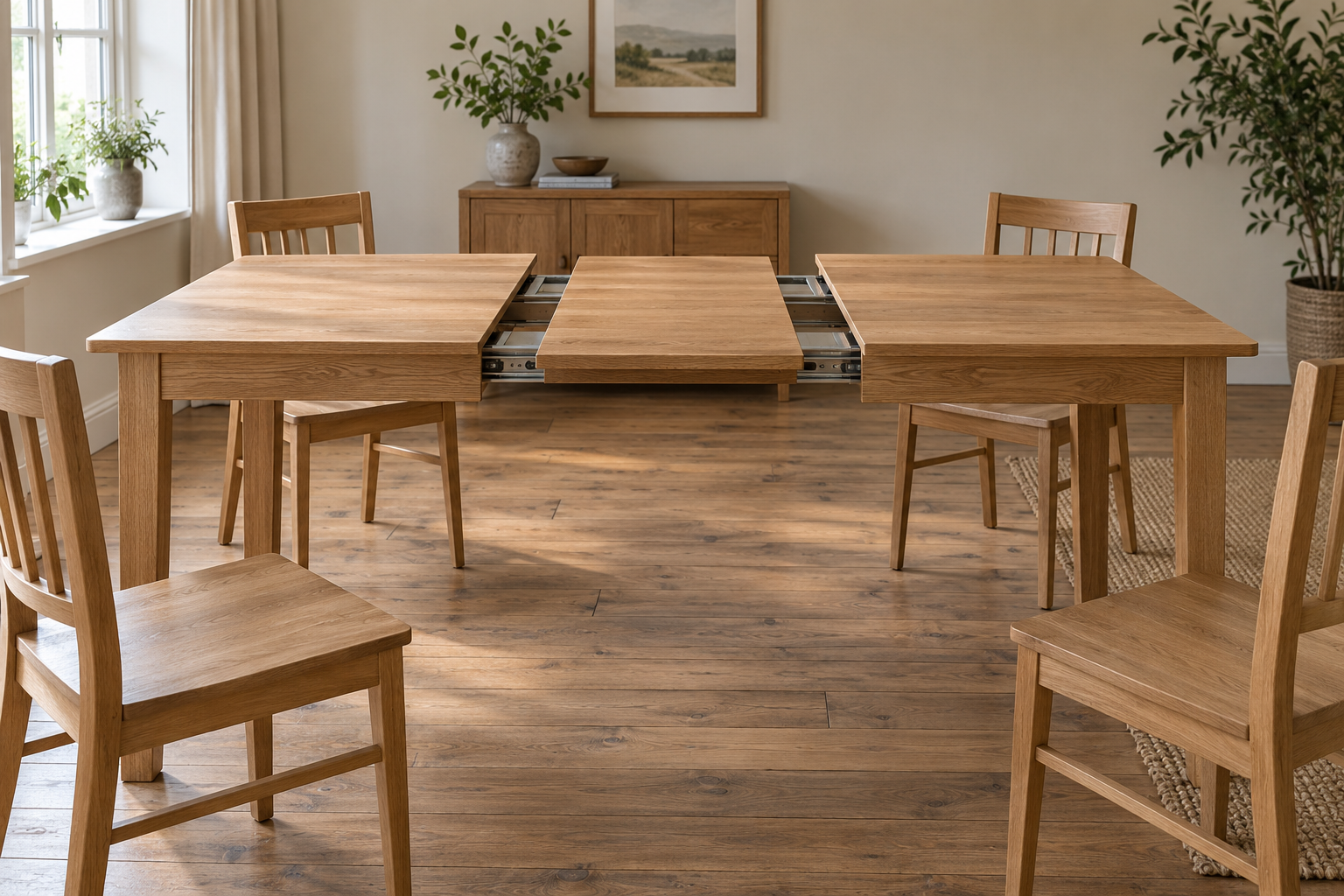
An extending table offers two sizes, but also brings a mechanism and components to store. Check the complete transformation before deciding it solves guest meals.

Buying thoughtfully
The right doormat depends on both sides of the doorway. Weather, flooring, door movement and clear passage matter more than a slogan or pattern.
Buying thoughtfully
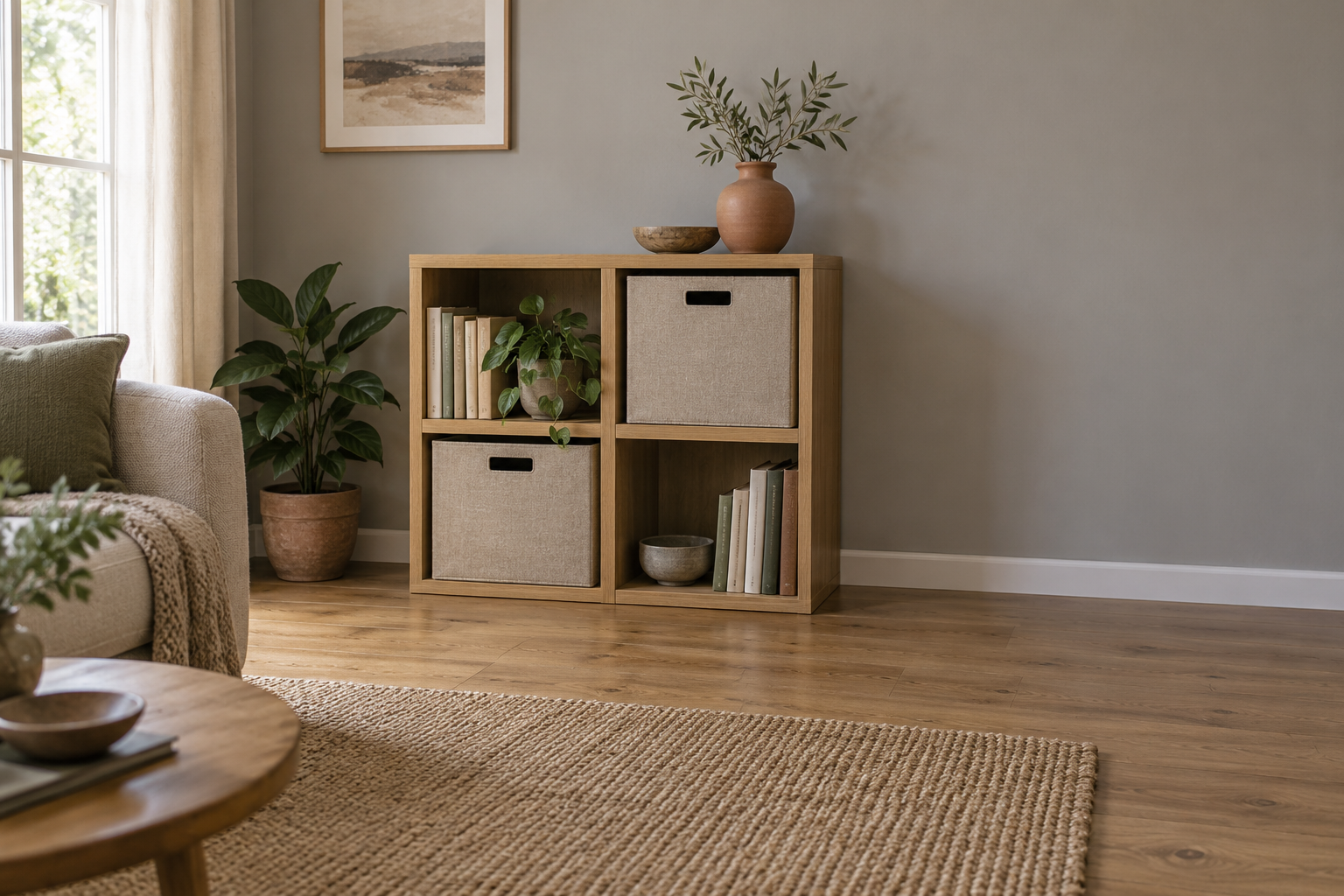
A modular system allows additions, but that does not mean every component needs buying. Start with current belongings and check how each module will work.
Buying thoughtfully
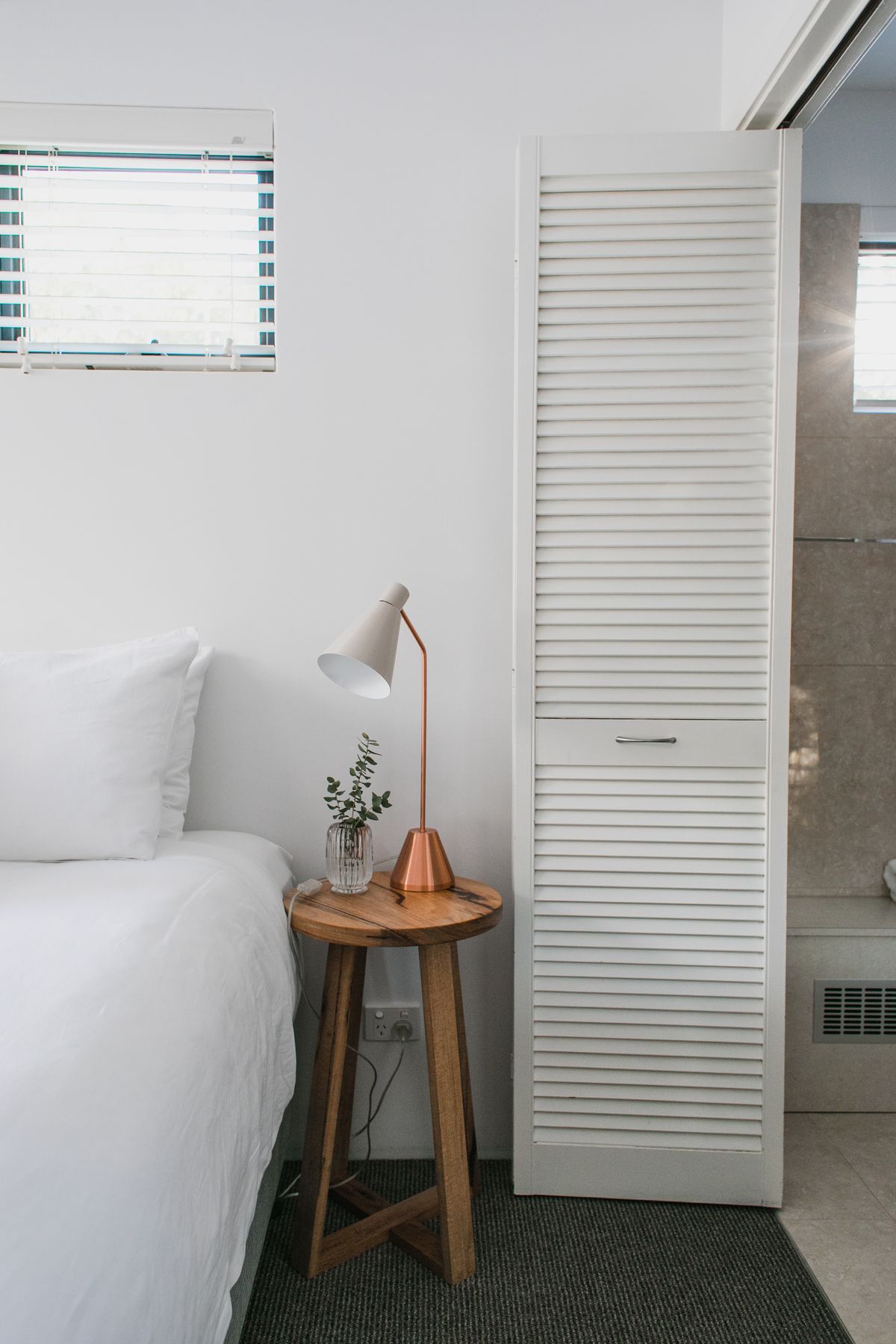
A bedside table is used from bed, not while standing in a shop. Measure mattress height and test where your hands comfortably reach before choosing.

Buying thoughtfully
A home shopping list works best when it starts with specific frustrations. Writing what each item must solve helps distinguish a genuine priority from an appealing offer.

Buying thoughtfully
Buying furniture online means filling in what a photograph cannot show. Detailed dimensions, materials and delivery conditions should be clear before the order is confirmed.
Buying thoughtfully
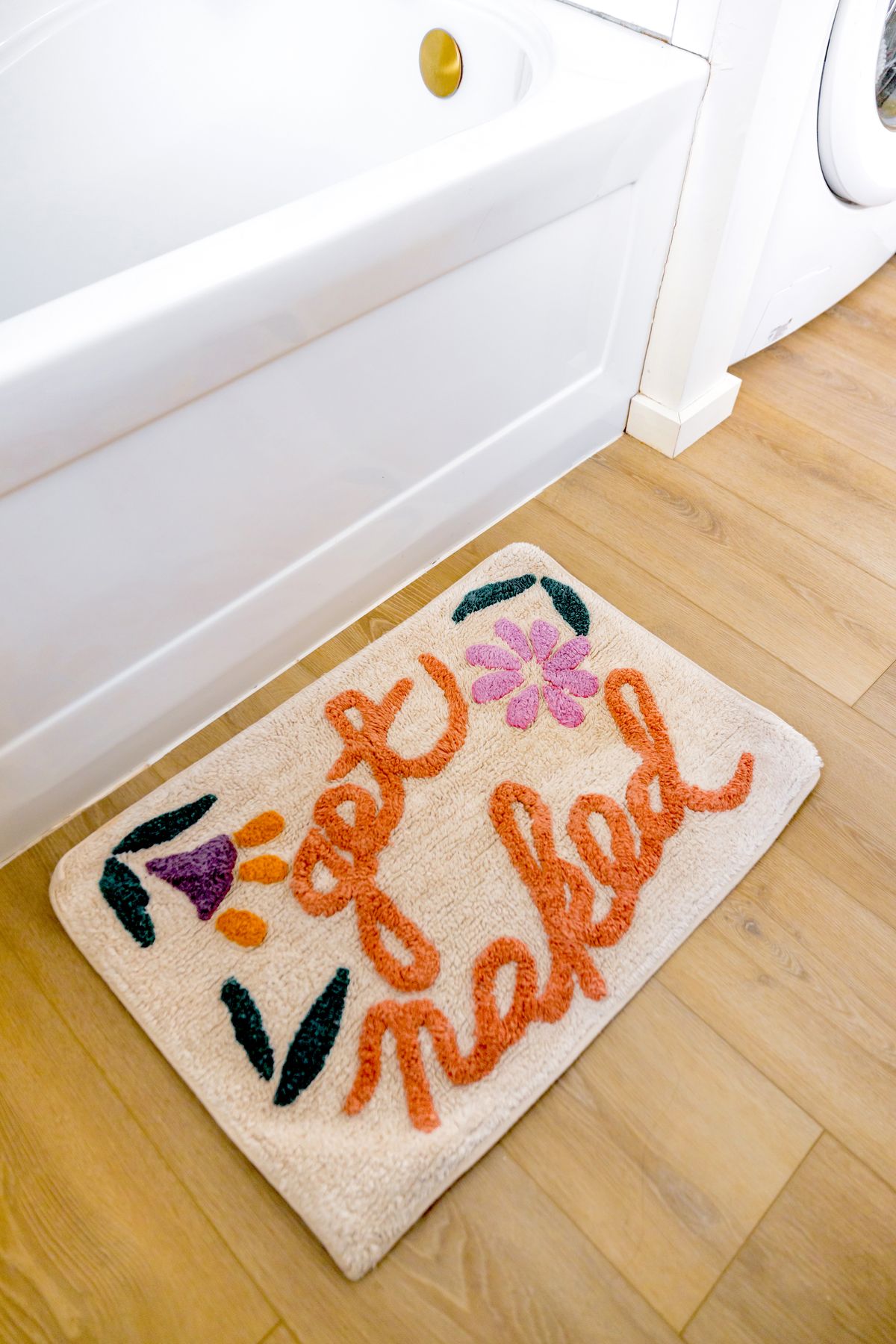
Washable does not necessarily mean washable in your machine. Check size, backing and drying requirements before choosing a rug for that feature alone.
Buying thoughtfully
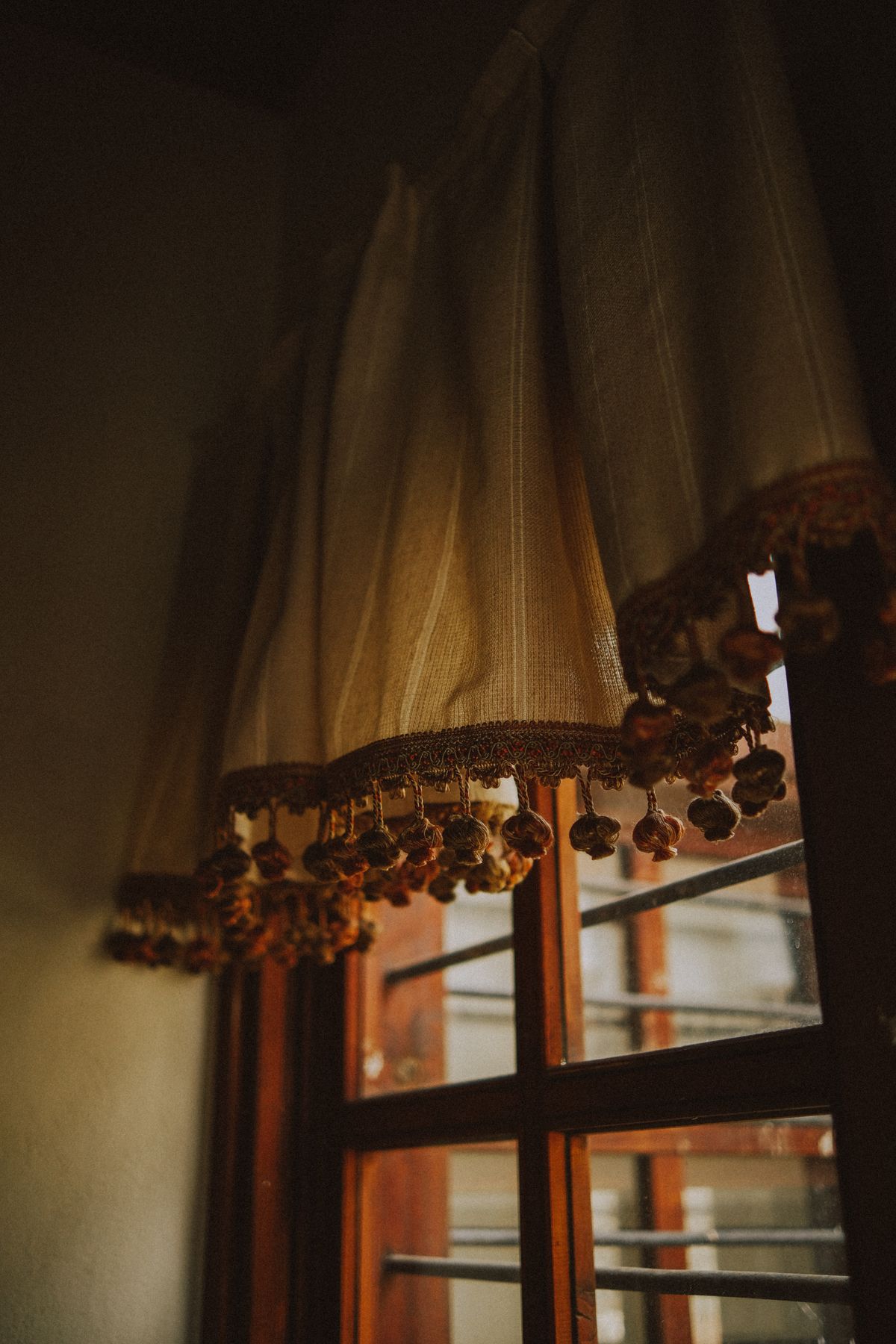
Window width is not necessarily the amount of curtain fabric needed. Define the track and heading first, then calculate panels according to their gathering method.