Label what gets confused
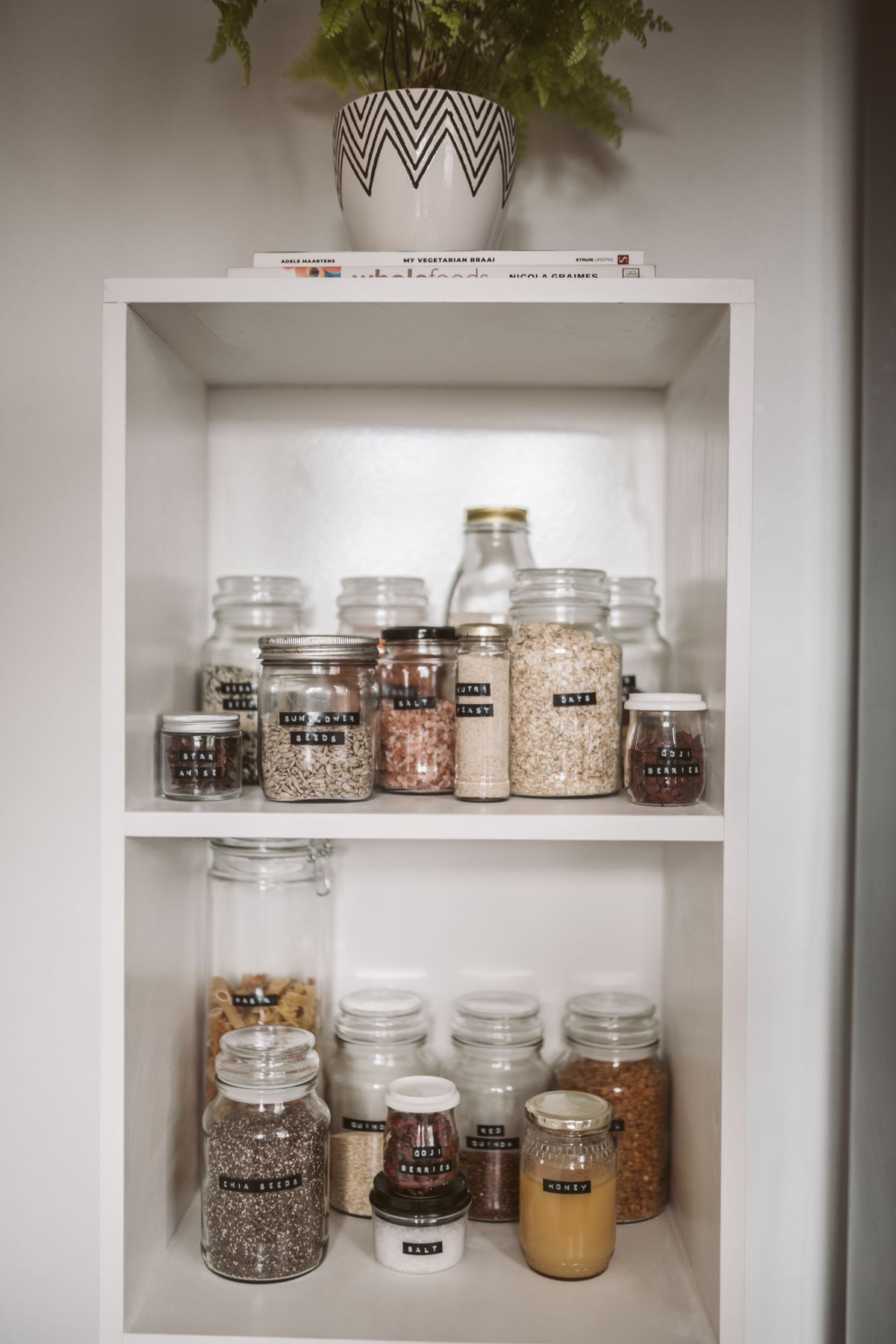
Start with opaque boxes, similar containers and shared areas. A cable box needs a more precise description than technology if it contains only audio accessories. An open basket of blankets may need no label at all because its contents are already visible. Spend effort where uncertainty actually exists rather than labelling every surface.
Use words people in the household would naturally search for. Small-bed sheets may be clearer than a measurement nobody remembers. Include a size, model or date when it matters. When extra information does not help the search, leave it off instead of making a simple label difficult to read at a glance.
Put it where people look
The label should be visible from the normal position of use. On a box high on a shelf, the front is more useful than the lid. Inside a drawer of open containers, the upper edge may be a better location. Test readability under the room's actual lighting rather than holding everything beside a bright window.
Choose lettering large enough to read without unnecessary bending. Straightforward contrast usually helps more than decorative lettering. For young children or people who read another language, a clear picture can accompany the word. The aim is an understandable cue, not a complicated information panel covering every container.
Make changes easy
Household contents change. A card holder or removable label lets you correct the name without building up layers of adhesive. Before sticking anything to wood, paint or a delicate material, check compatibility discreetly or use an attachment that does not contact the finish. A tied tag may suit some containers better.
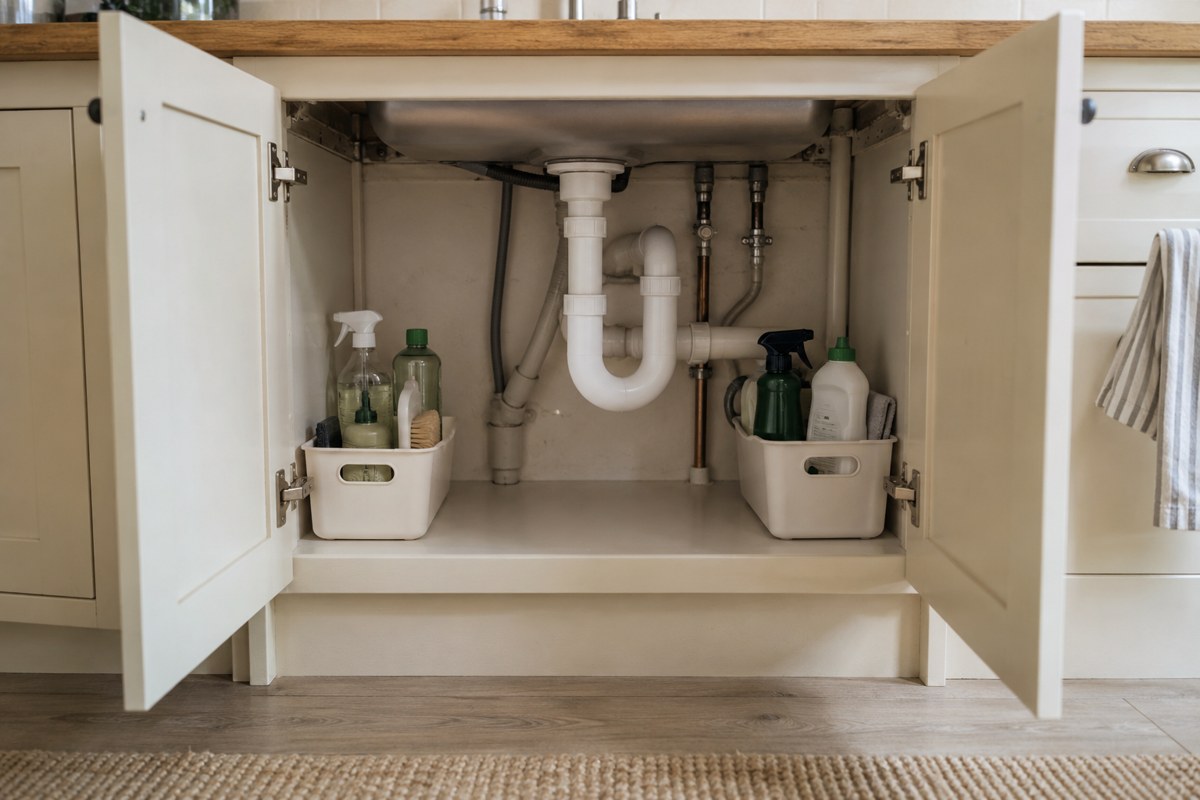
Do not cover manufacturer information, warnings or dates that must remain visible. On cleaning products and other important packaging, a homemade label can only supplement the original. It cannot safely identify contents you do not recognise. Establish what they are first, or remove them from use and follow appropriate disposal guidance.
Test it with someone else
Ask someone to find an object without explaining the classification. If they open three boxes, the words may be too broad or the label hidden. Adjust that problem before labelling the entire house using the same approach.
Update the label when contents change, rather than weeks later. A wrong label is worse than none because it encourages confidence in a place where the object no longer lives. Review seasonal boxes, project materials and containers that move between people particularly carefully.