Organising
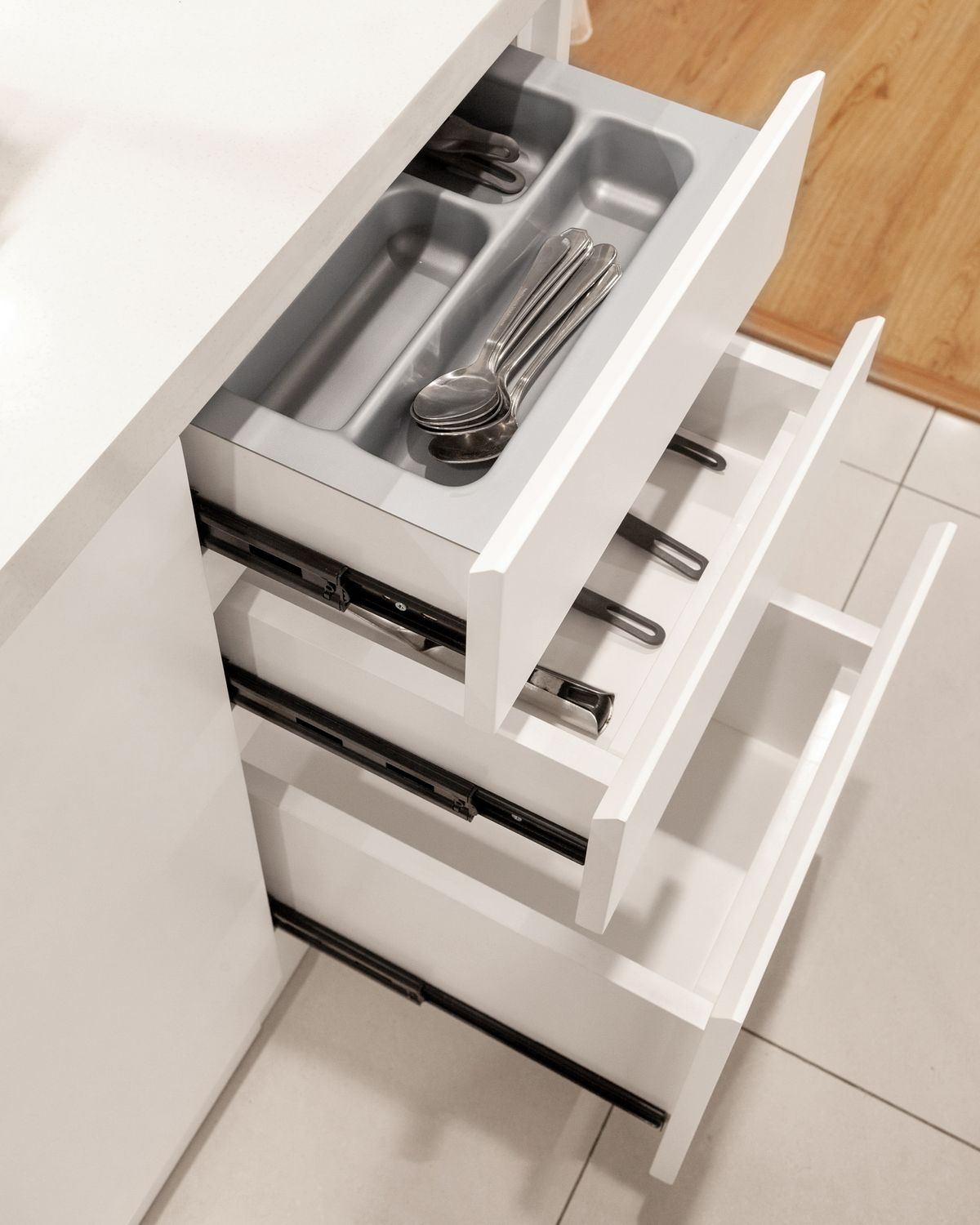
Organise kitchen drawers by task
A useful kitchen drawer lets you prepare dinner without digging through ladles. Its arrangement improves when it follows everyday tasks and makes putting things away straightforward.
Hogarissimo / Organising
Thoughtful ideas to help you make practical decisions and use what you have.
Organising
A useful kitchen drawer lets you prepare dinner without digging through ladles. Its arrangement improves when it follows everyday tasks and makes putting things away straightforward.
Organising
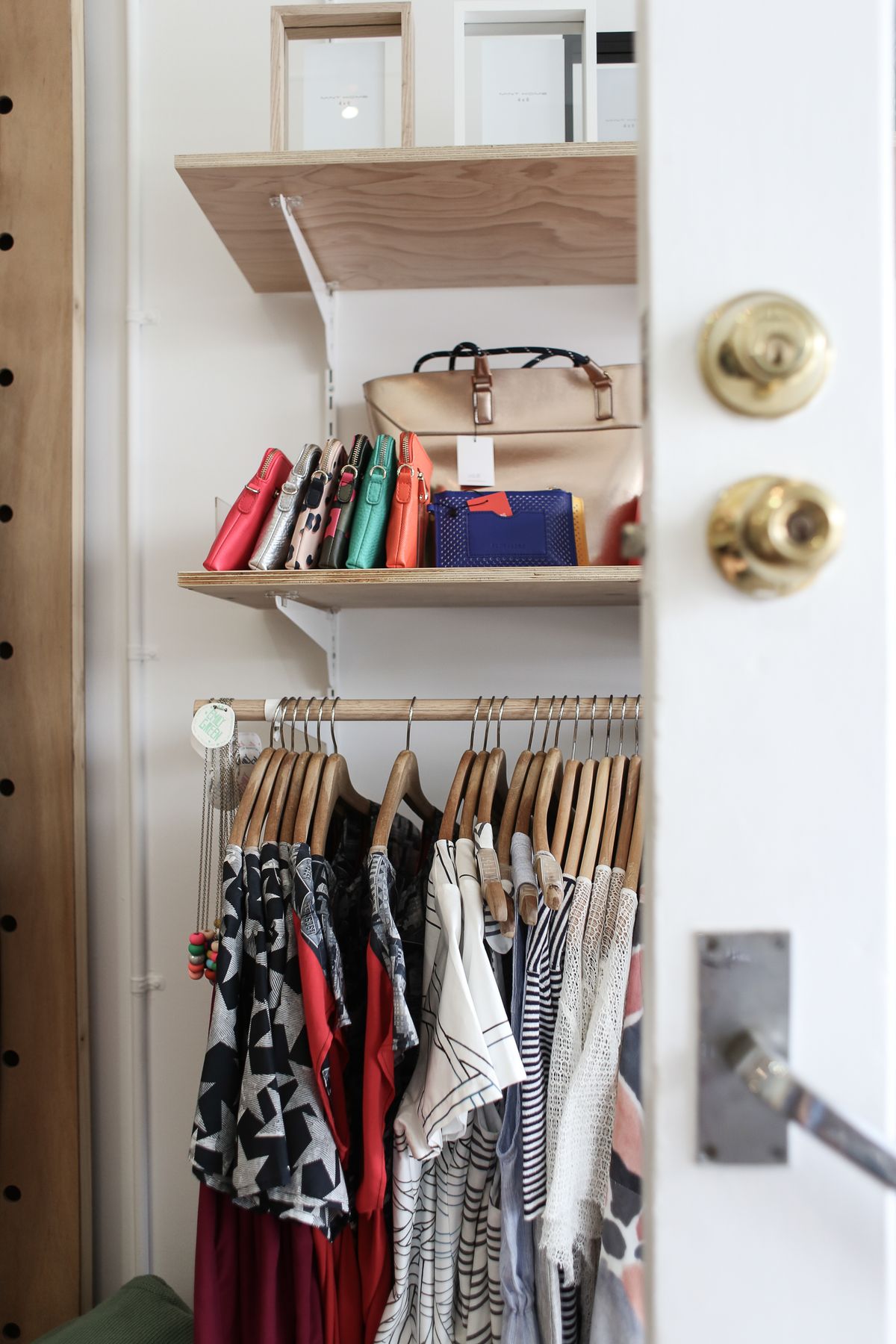
Resetting a wardrobe does not require covering the bed with every piece of clothing you own. Working in small areas lets you finish something useful even during a short afternoon.
Organising
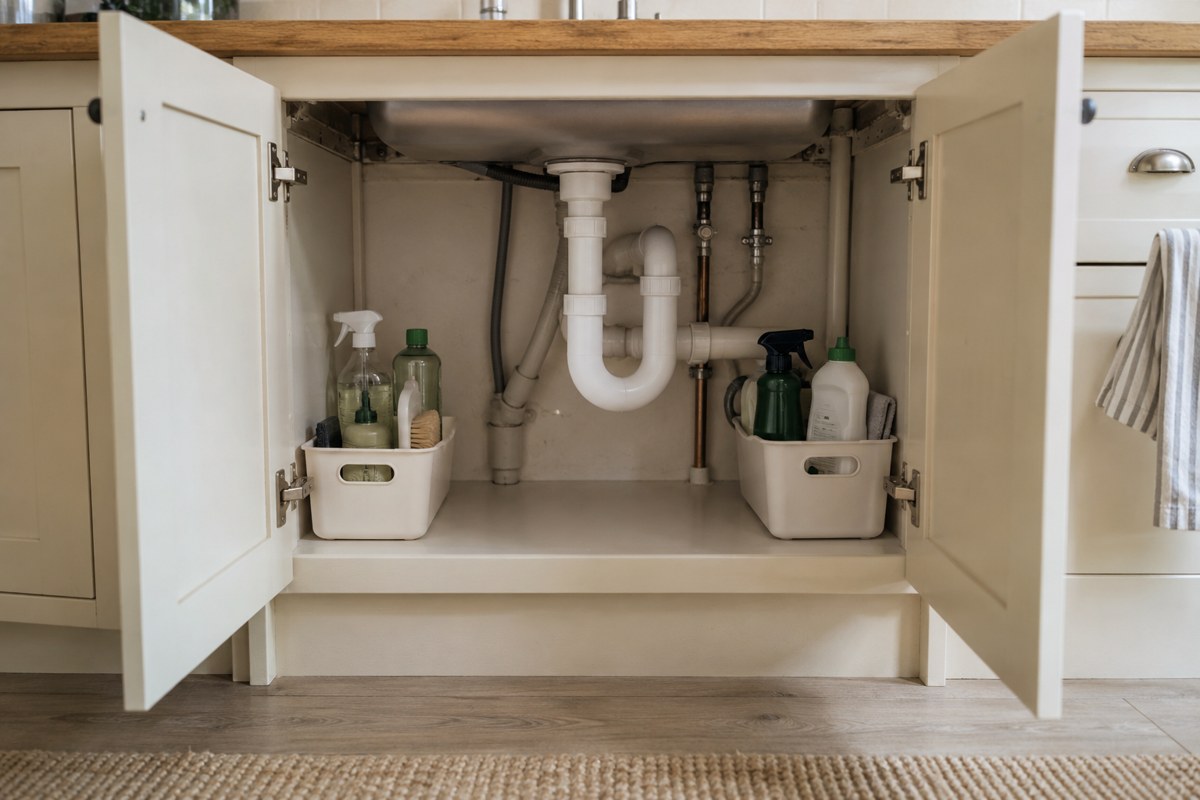
The space beneath a kitchen sink looks generous until the trap, shut-off valves and door hinges come into view. Organising it well means respecting those obstacles instead of hiding them behind more boxes.
Organising
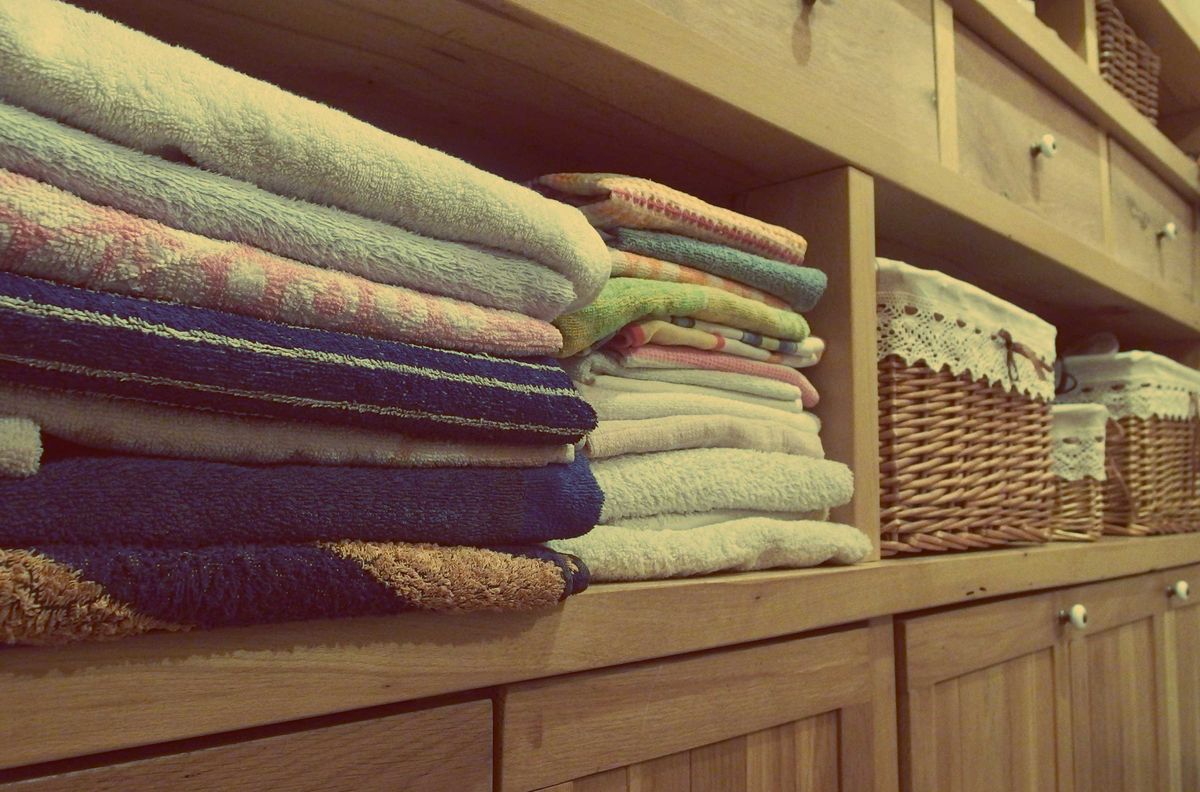
A useful linen cupboard does not need identical stacks. It needs to offer the right-sized sheets without disturbing the rest, and somewhere to return towels without pushing them into a gap.
Organising
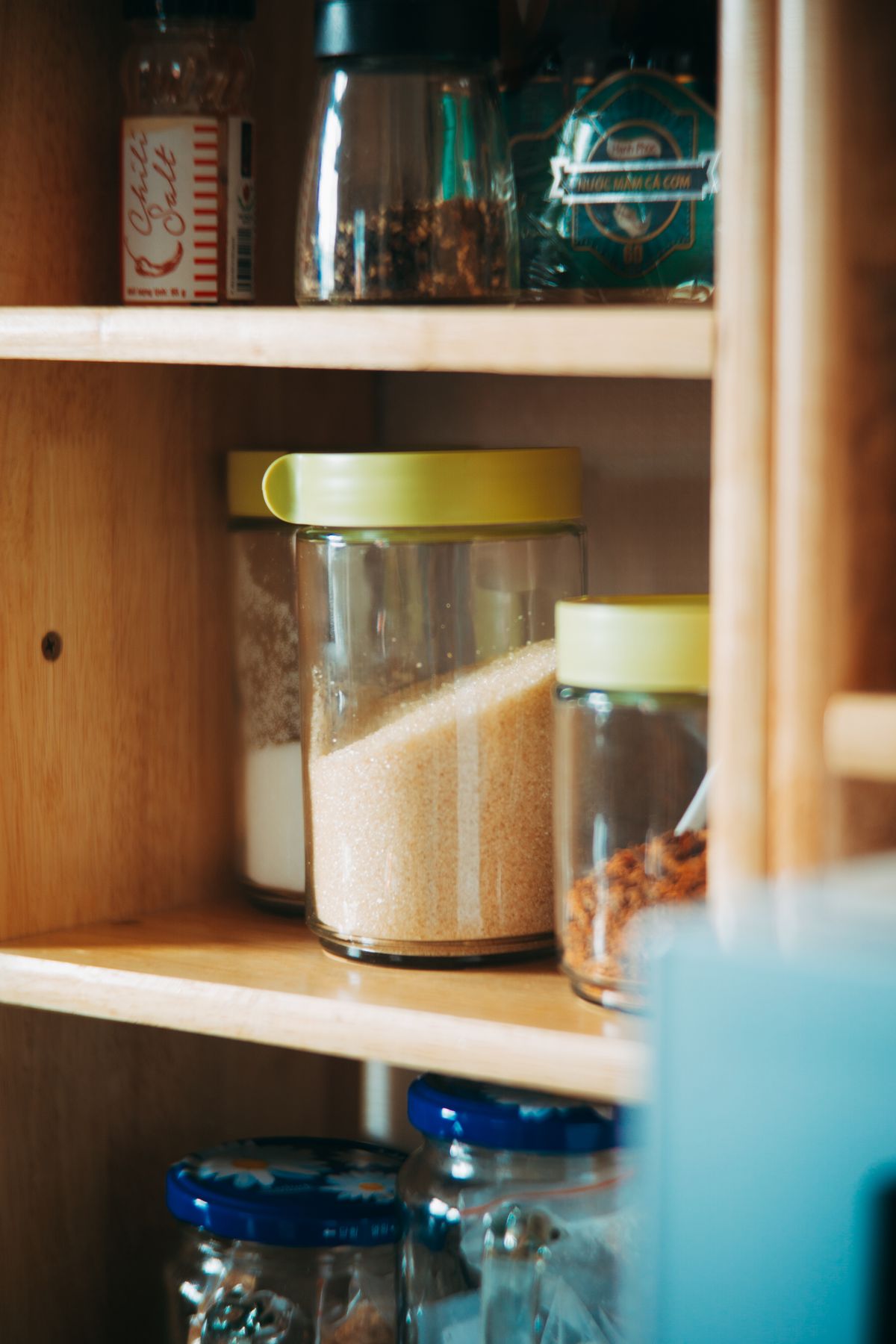
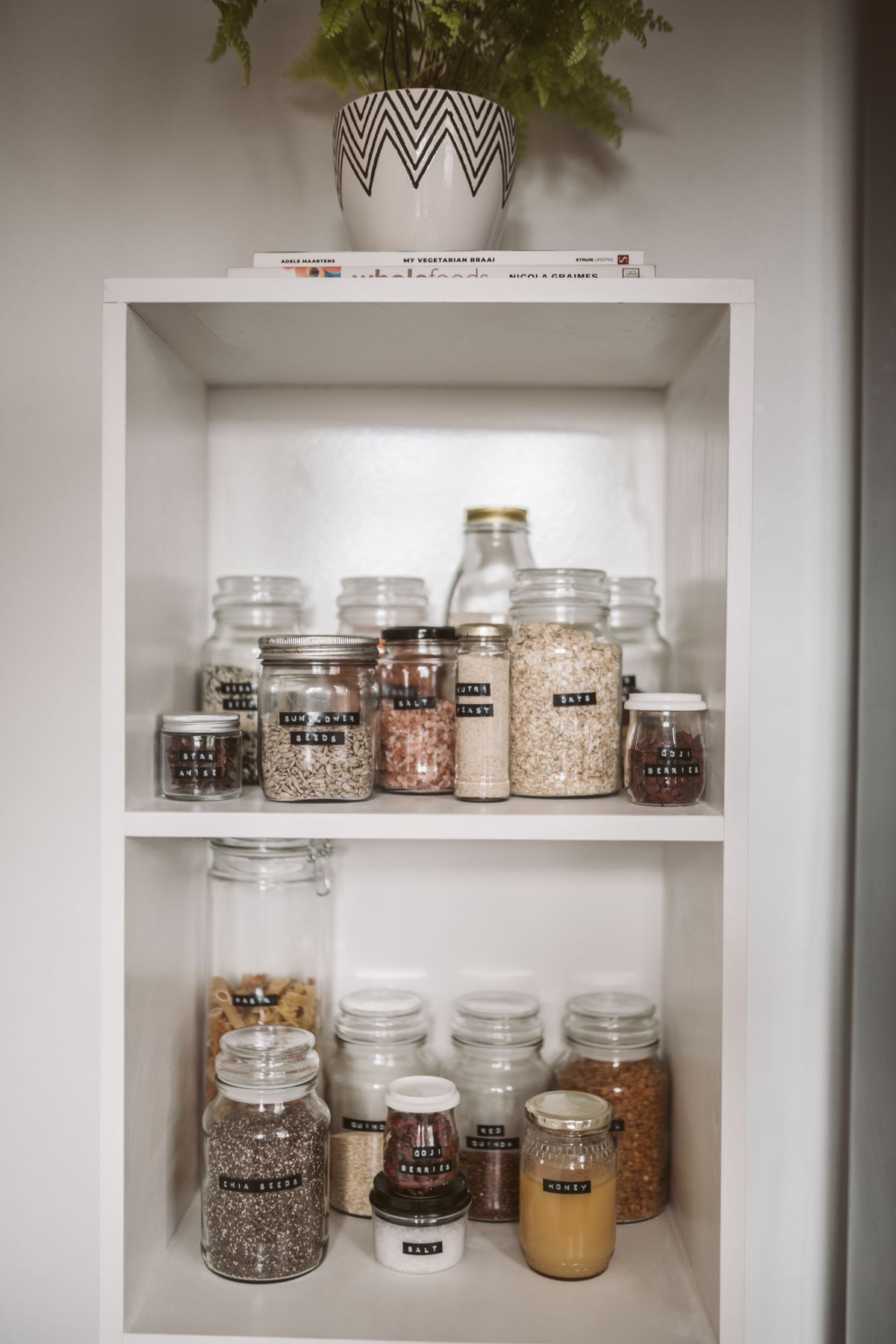
Buying another packet of rice because you cannot see the one you own is a visibility problem. An organised pantry should help you make a shopping list, as well as look pleasant when opened.
Organising
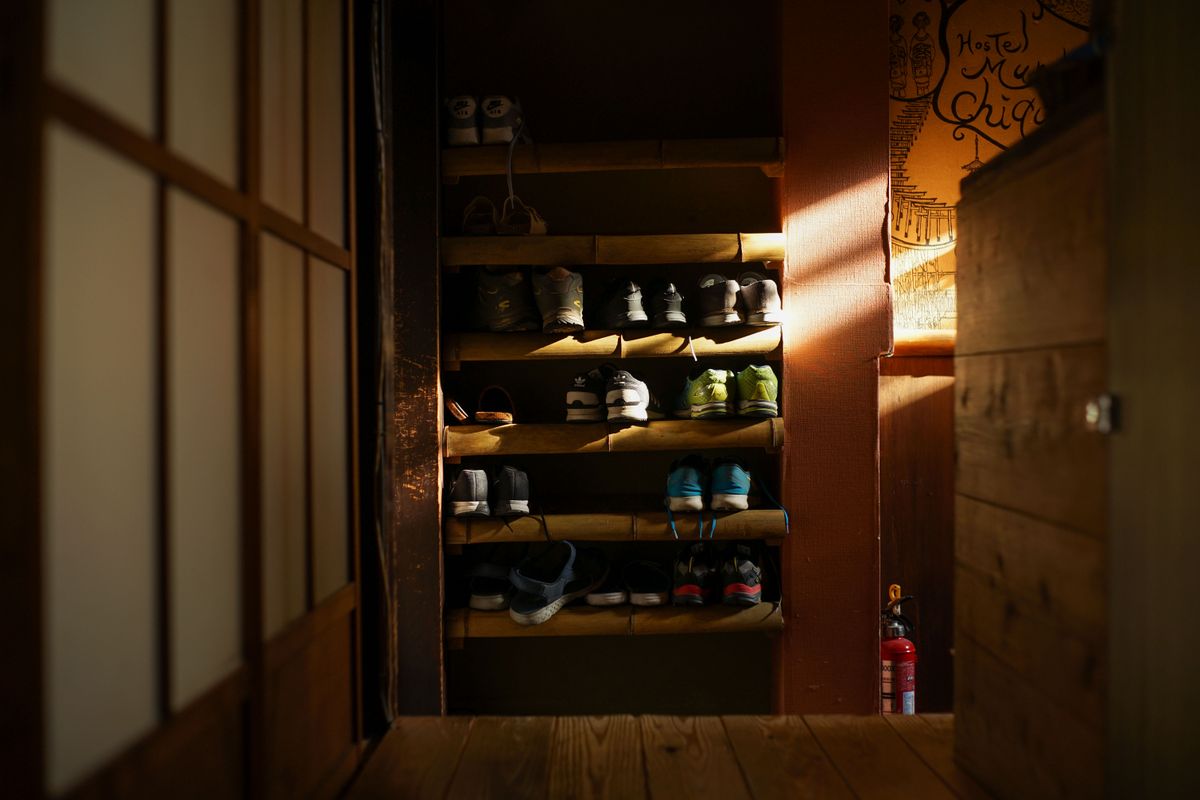
If shoes collect beside the front door, their storage needs to begin there. Moving them to a distant wardrobe every evening may be less practical than creating a small, well-planned place in the entrance.
Organising
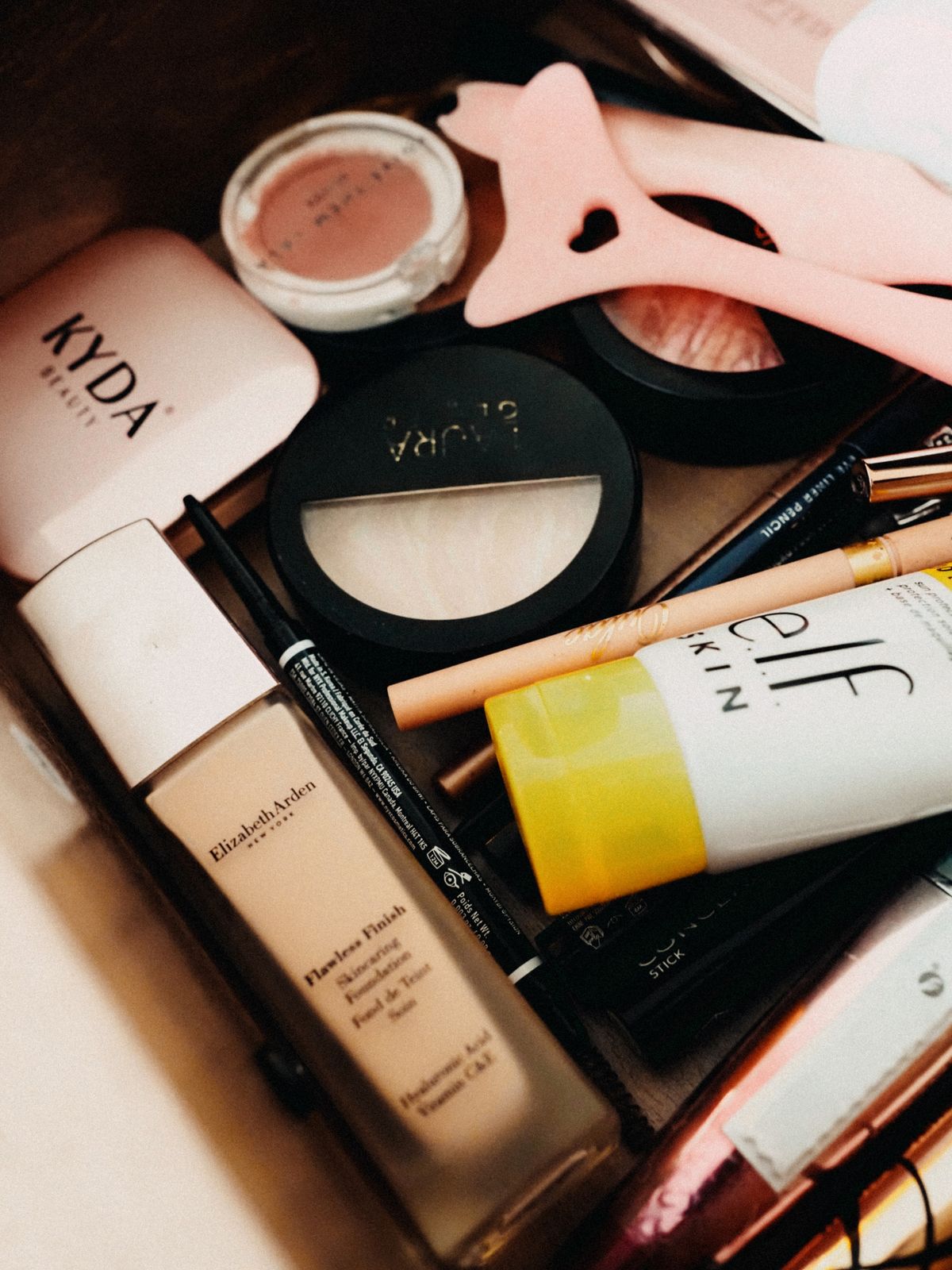
A bathroom drawer fills up when this morning's essentials share space with three replacements and products you have forgotten. Separating those jobs often helps more than adding tiny compartments.
Organising
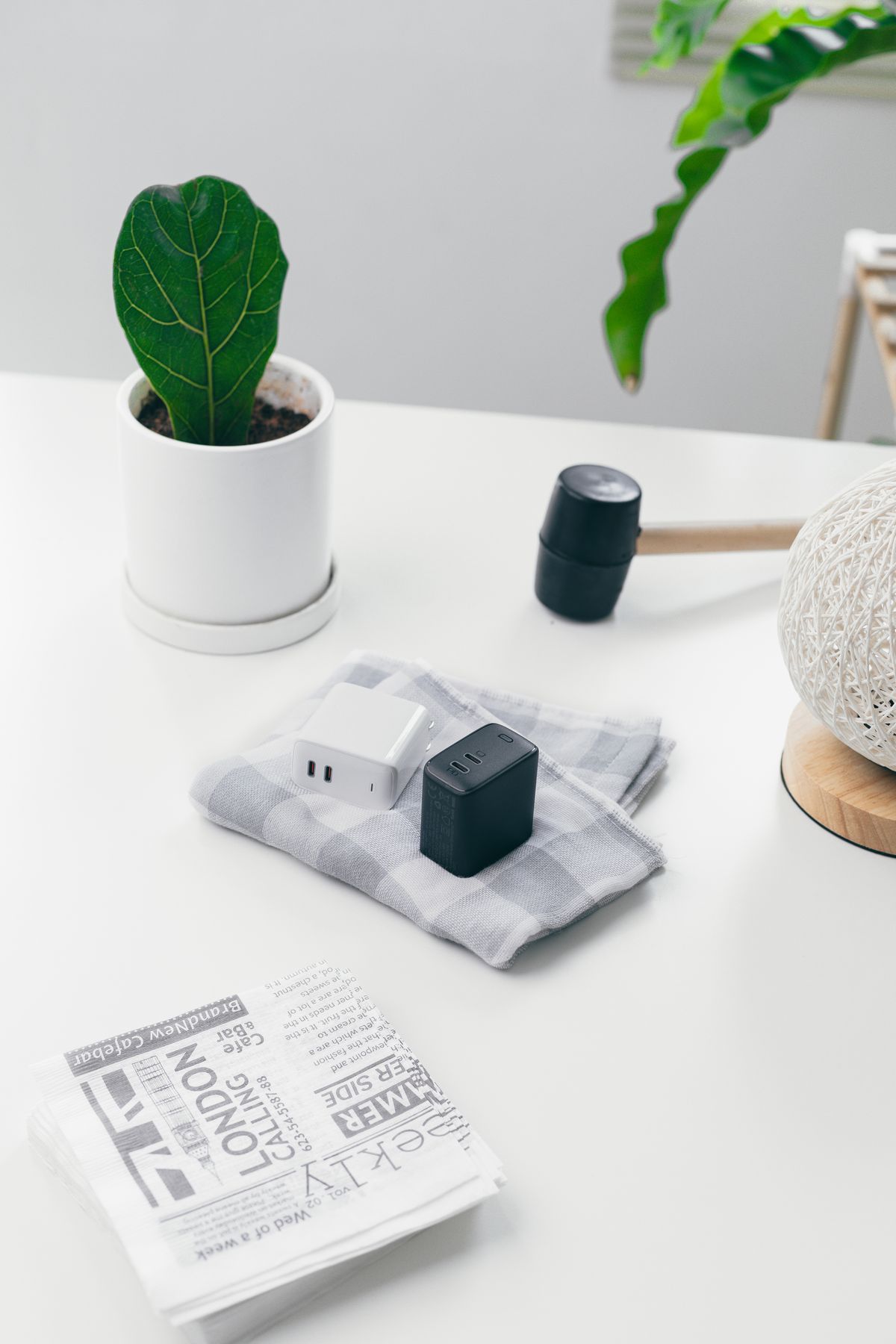
A box can organise stored cables, but it cannot turn every corner into a suitable charging place. Separate unplugged spares from equipment that produces heat while it operates.

Organising
Paperwork becomes difficult when an unpaid bill disappears beneath old warranties. Separating documents that need action from those you only need to keep simplifies the system without multiplying folders.
Organising
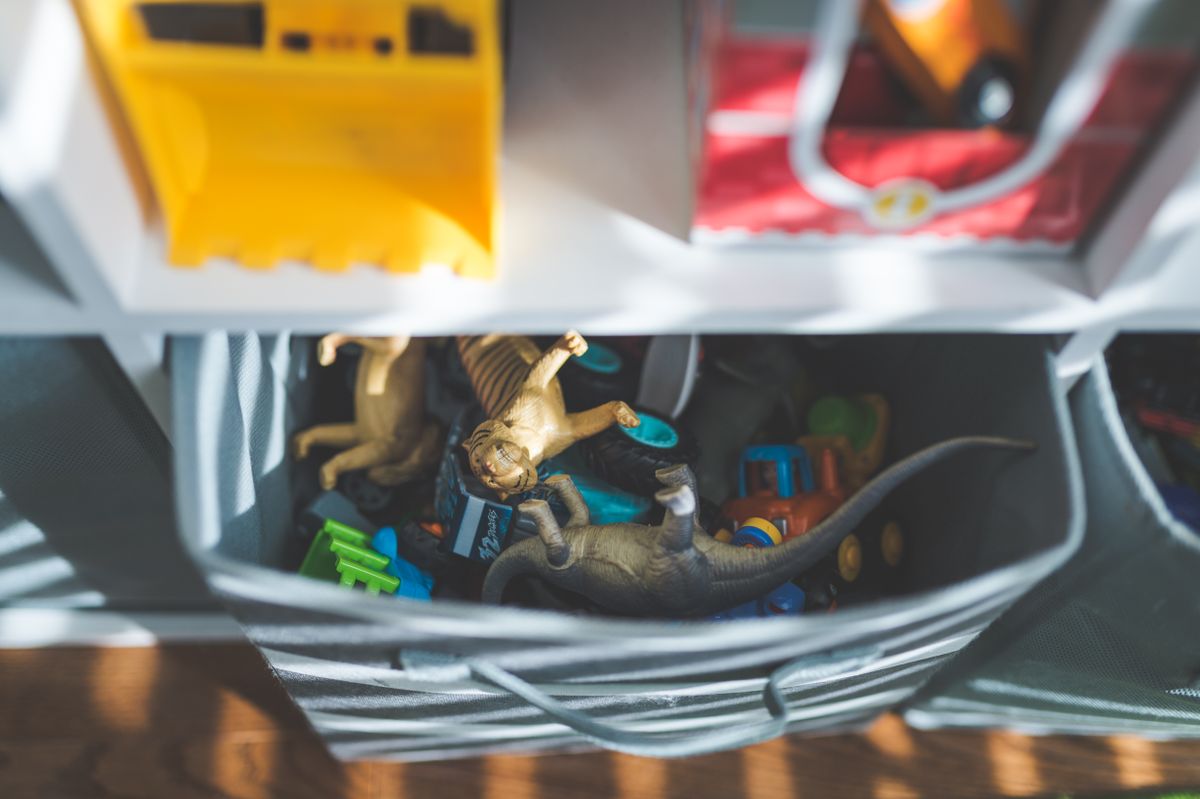
Toy rotation means putting some toys away while leaving others available for a period. It can make pieces easier to find and put back, without turning play into a strict timetable or suddenly removing favourite toys.
Organising
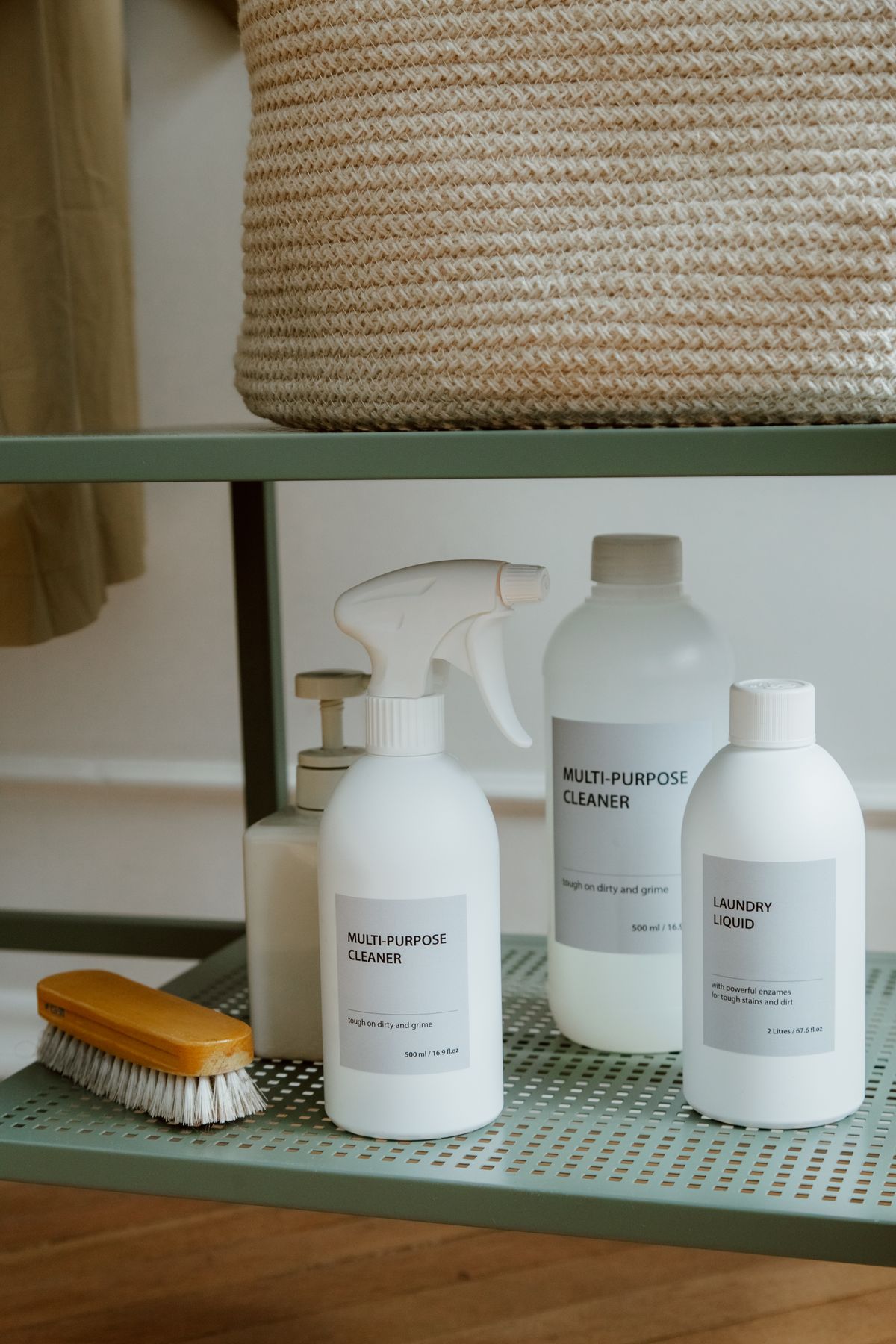
Organising cleaning supplies begins with knowing what each container holds and where it can be stored. The space should support everyday use without hiding labels or leaving hazardous products within children's reach.
Organising
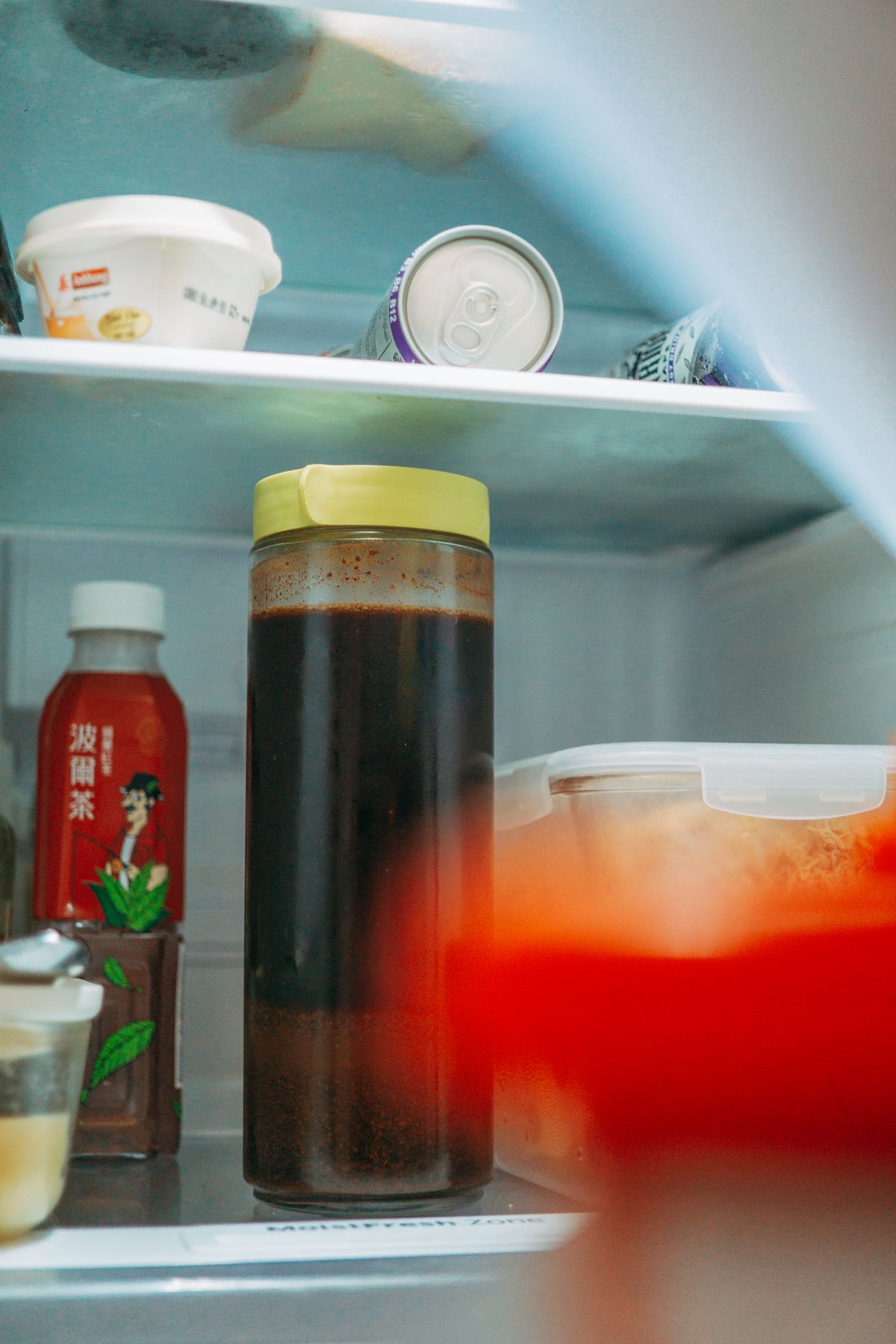
A fridge where you can see the food makes meals easier to plan and prevents opening duplicate packets. Its arrangement should follow the appliance instructions and each product's storage needs before any aesthetic preference.
Organising
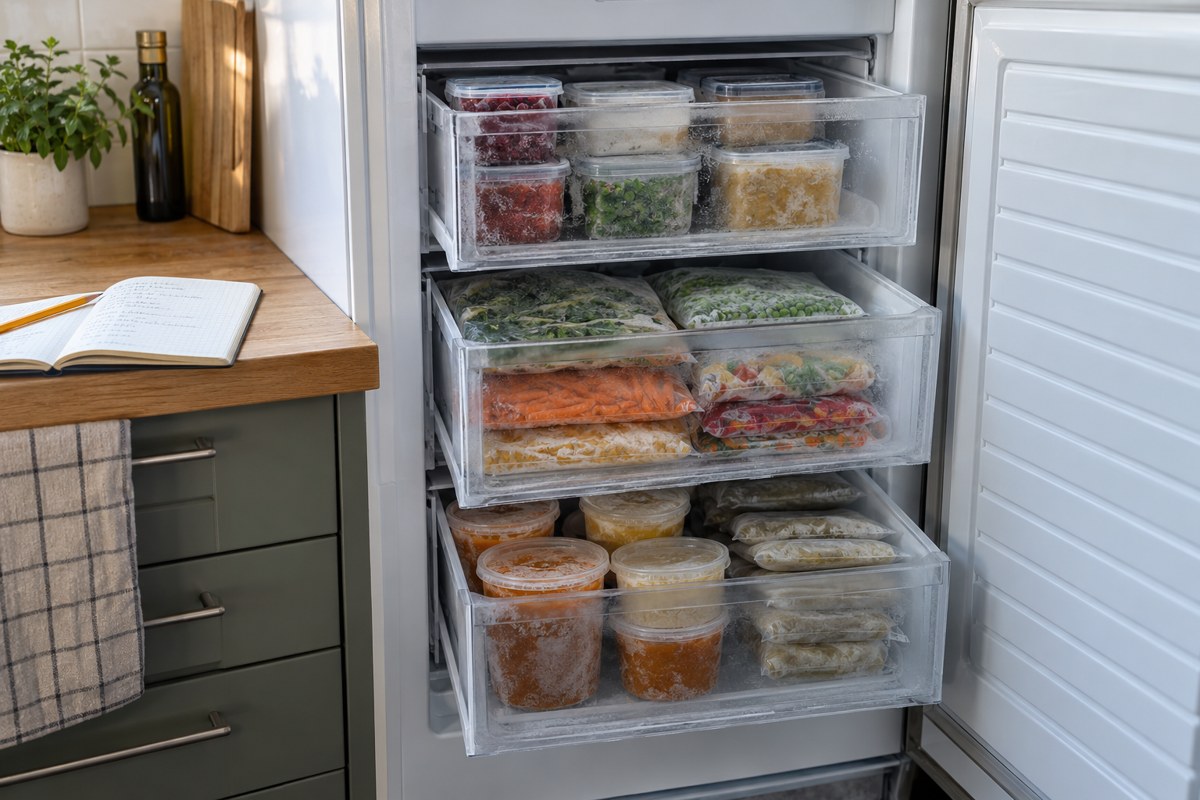
A freezer inventory can be a simple sheet of paper. Its usefulness depends on updating it when a portion comes out, rather than turning every drawer into a complicated database.
Organising
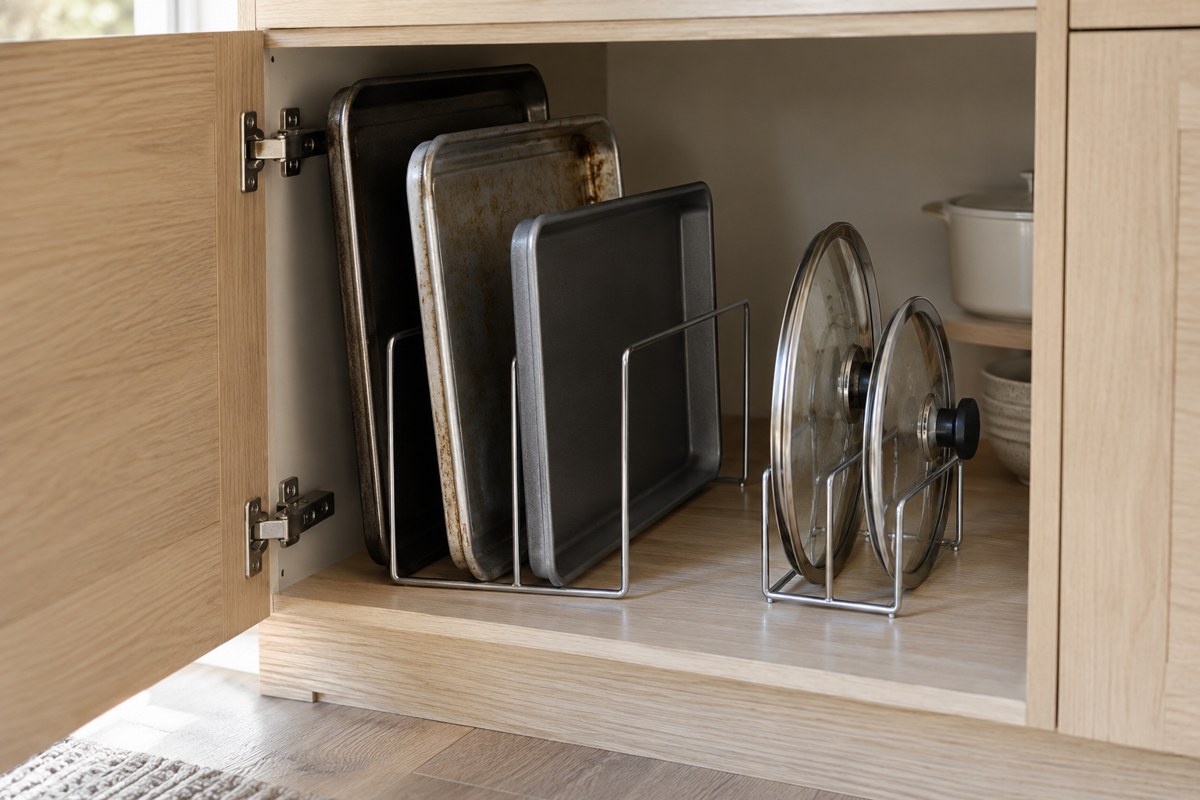
Flat baking trays seem easy to stack until you need the bottom one. Standing them on edge can solve that problem, provided the cupboard lets you remove them without catching hinges or dropping lids.
Organising
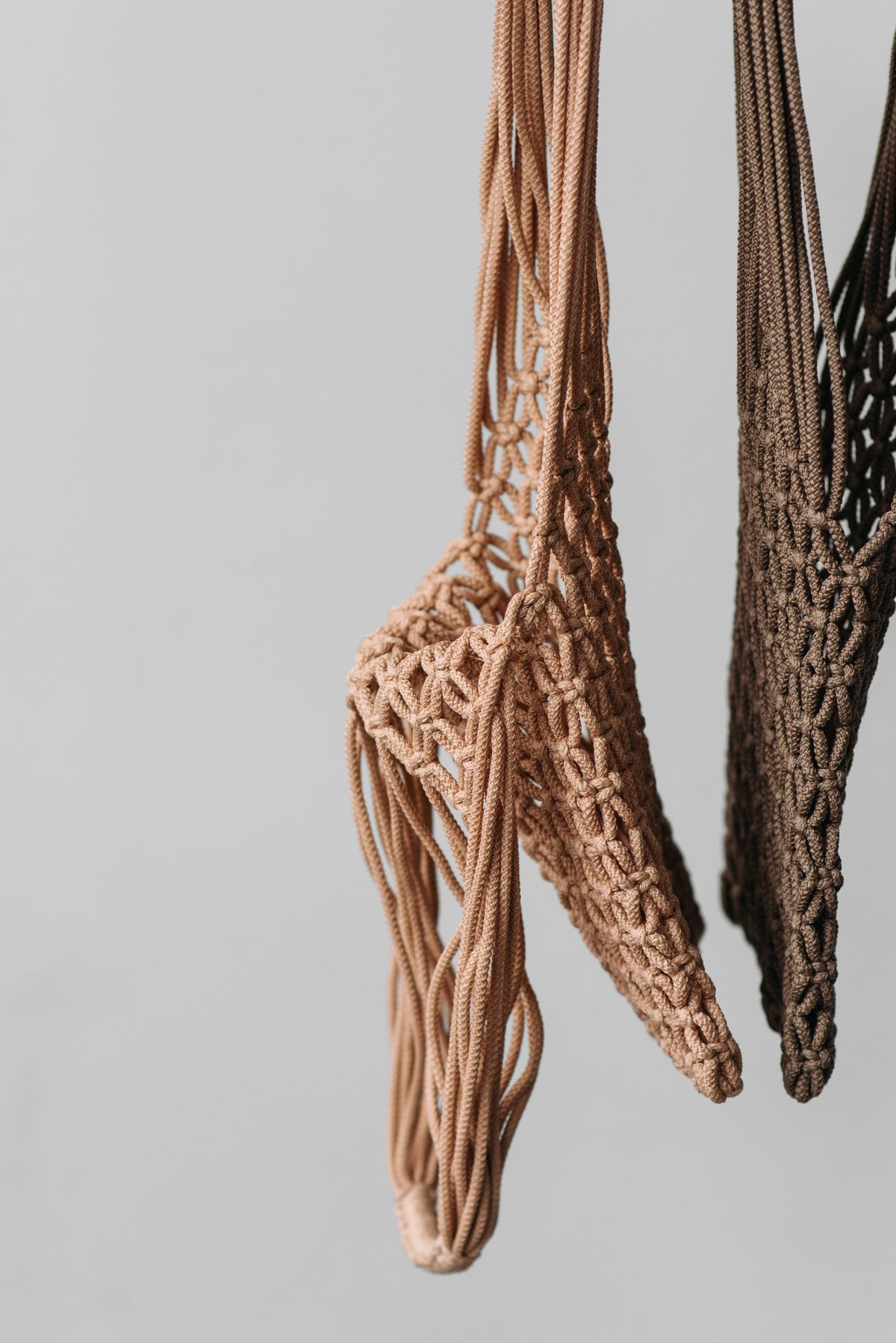
Reusable bags stop being useful when they accumulate at home but never come shopping. A short cycle of use, cleaning and return usually works better than one enormous bag stuffed with other bags.
Organising
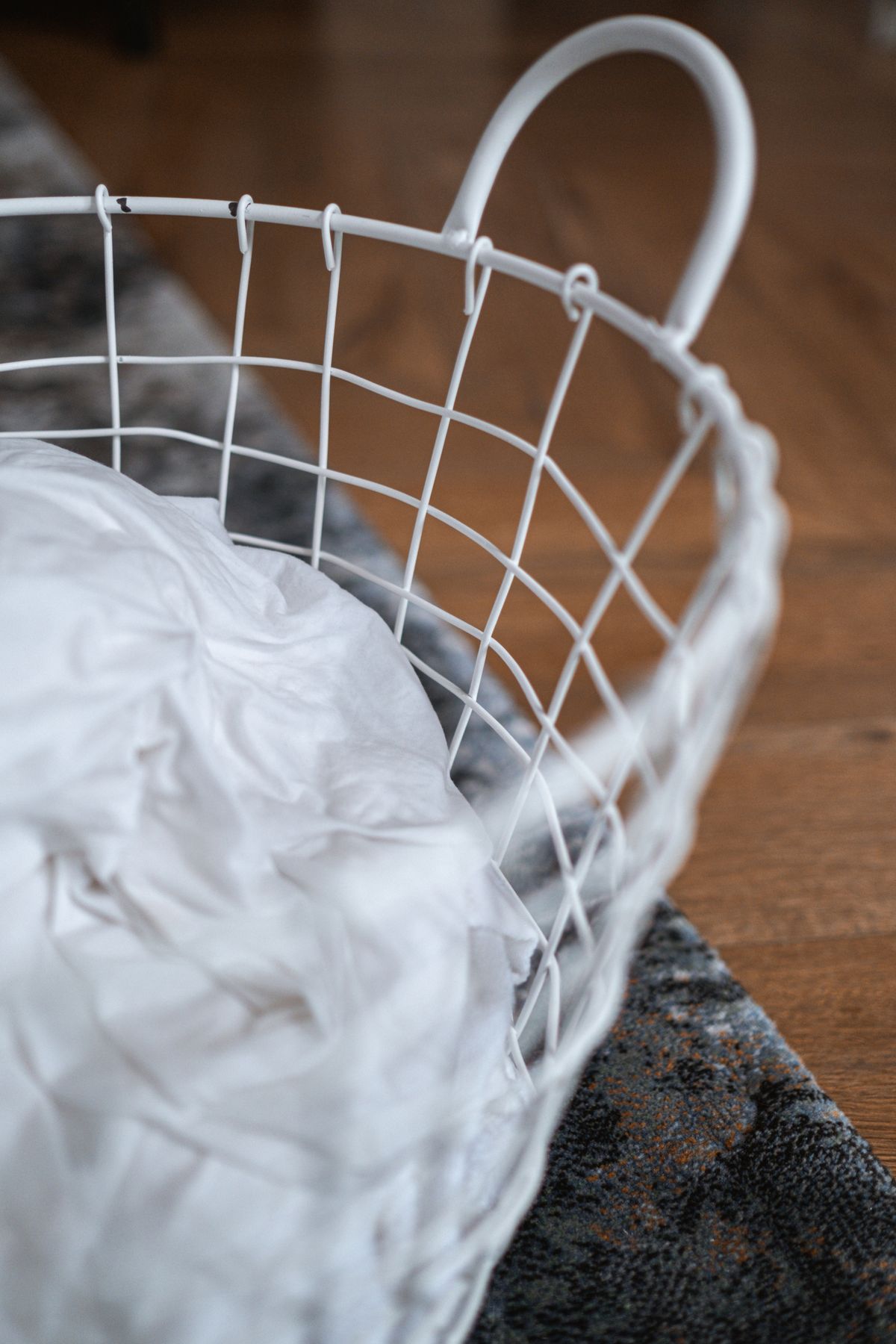
Laundry does not end when the washing machine beeps. The real blockage may be a drying rack, a basket of clean clothes or the journey back to the wardrobe. Organise the entire route.
Organising
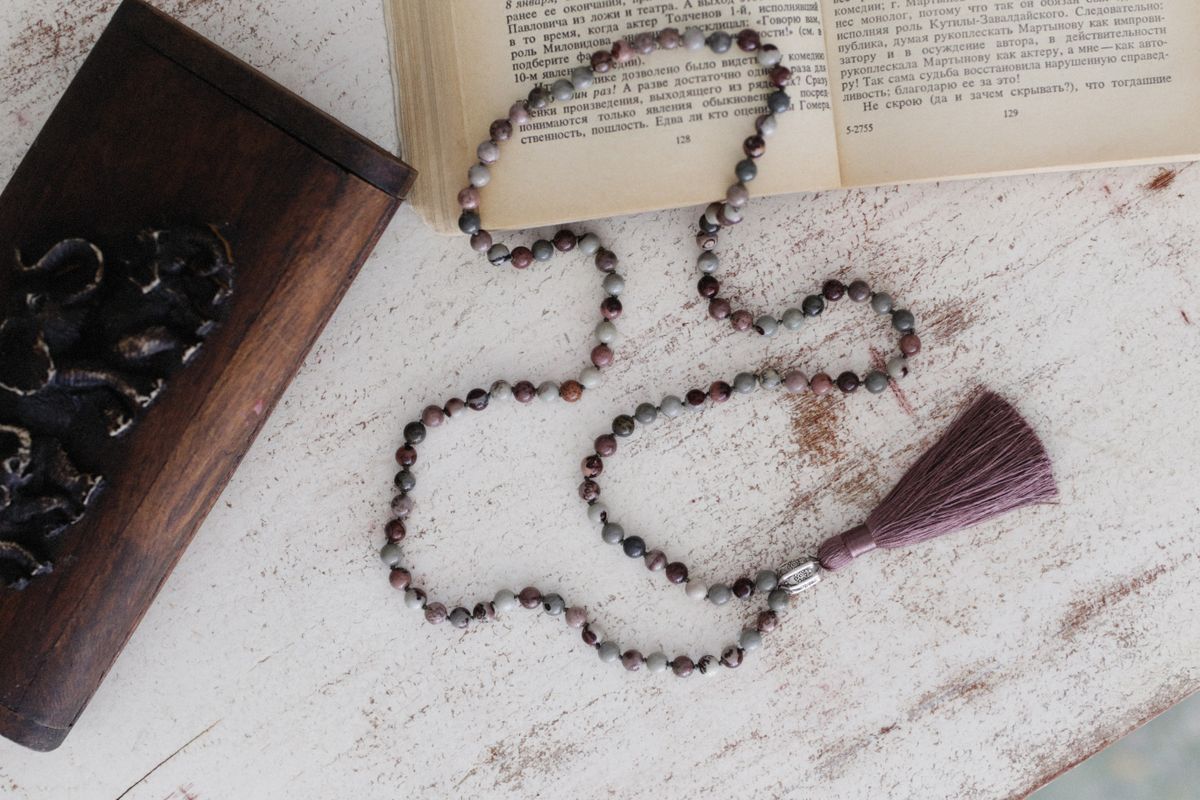
A fine necklace can tangle despite taking up very little room. Separating chains and supporting delicate pieces usually works better than gathering every item of jewellery in a single bowl.
Organising
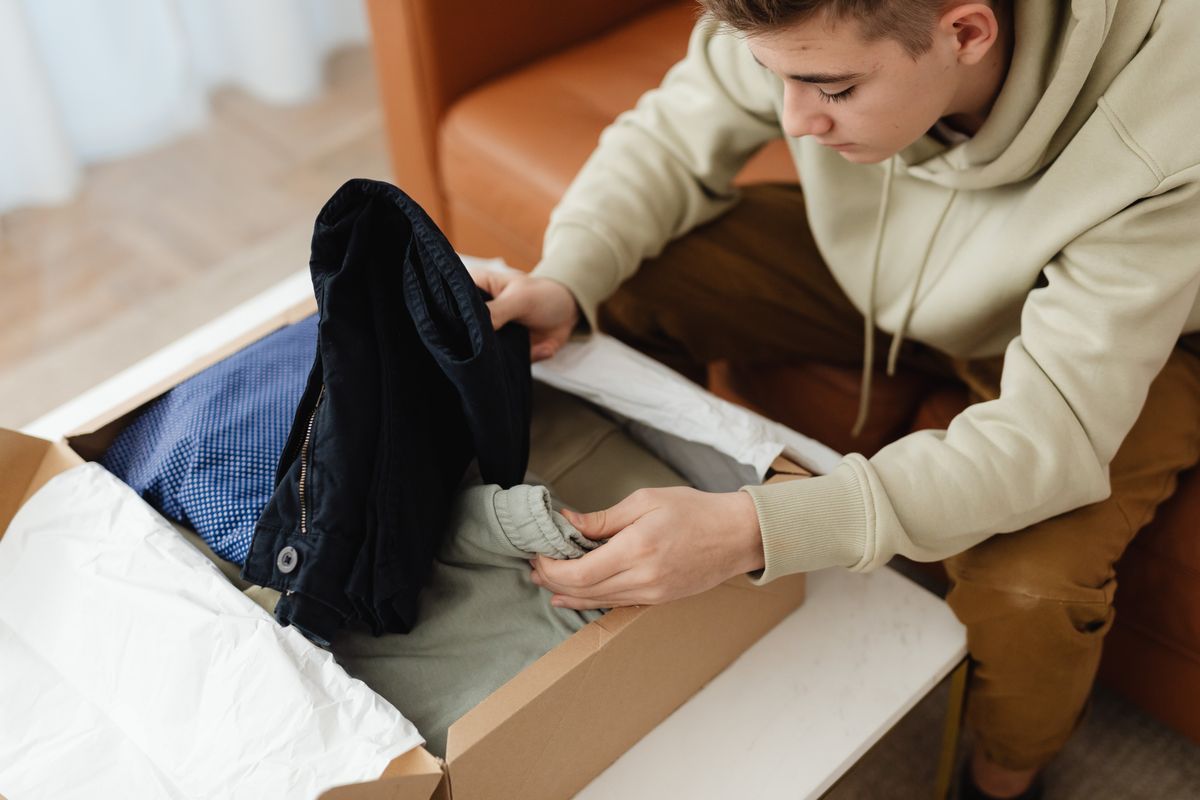
Putting away out-of-season clothes can free wardrobe space, but only if you remember what is stored and can retrieve it without opening every box. Preparation matters as much as the container.
Organising
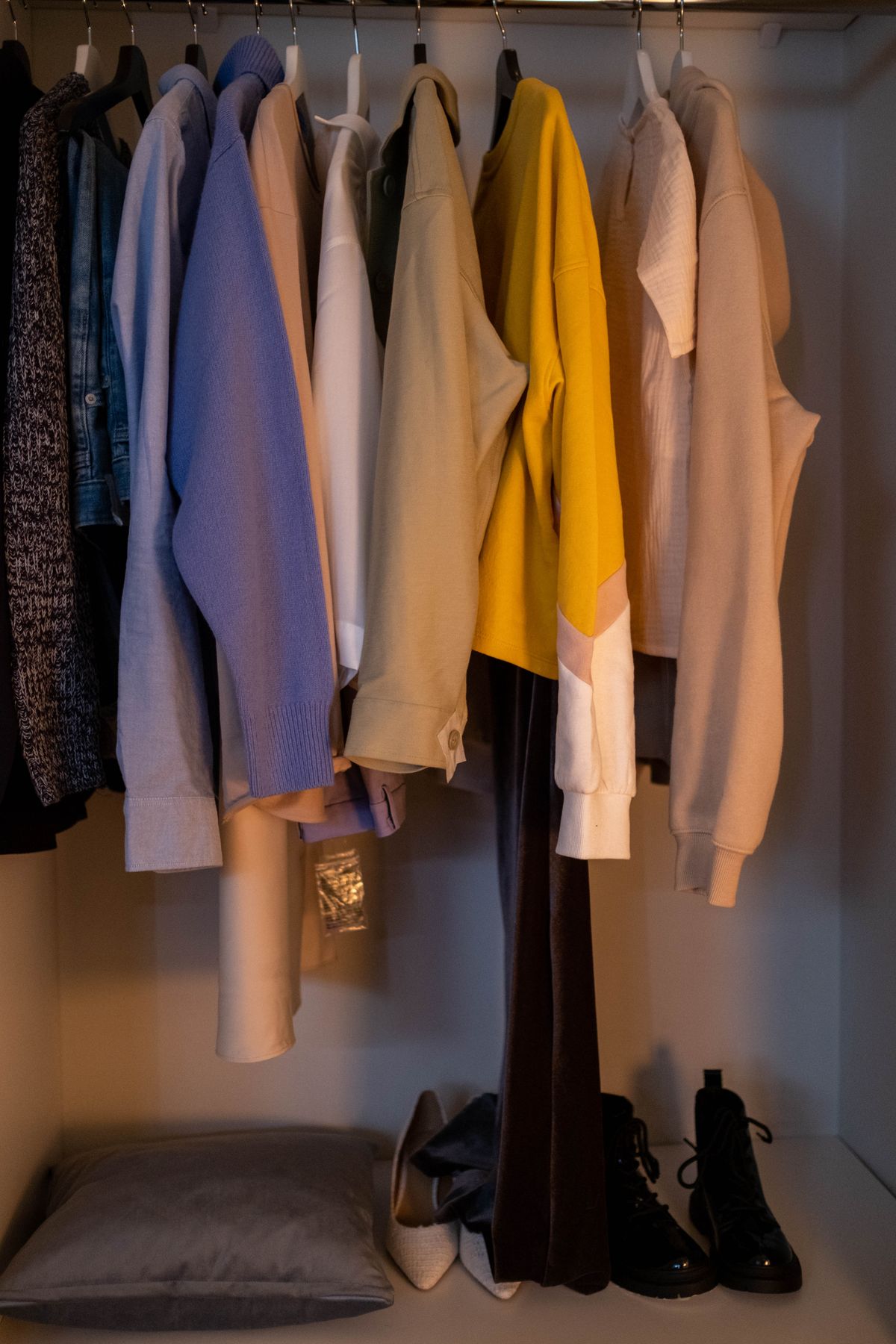
Sharing a wardrobe does not require splitting it exactly in half. A fair arrangement considers clothing types, each person's reach and who needs access to particular items during the week.
Organising
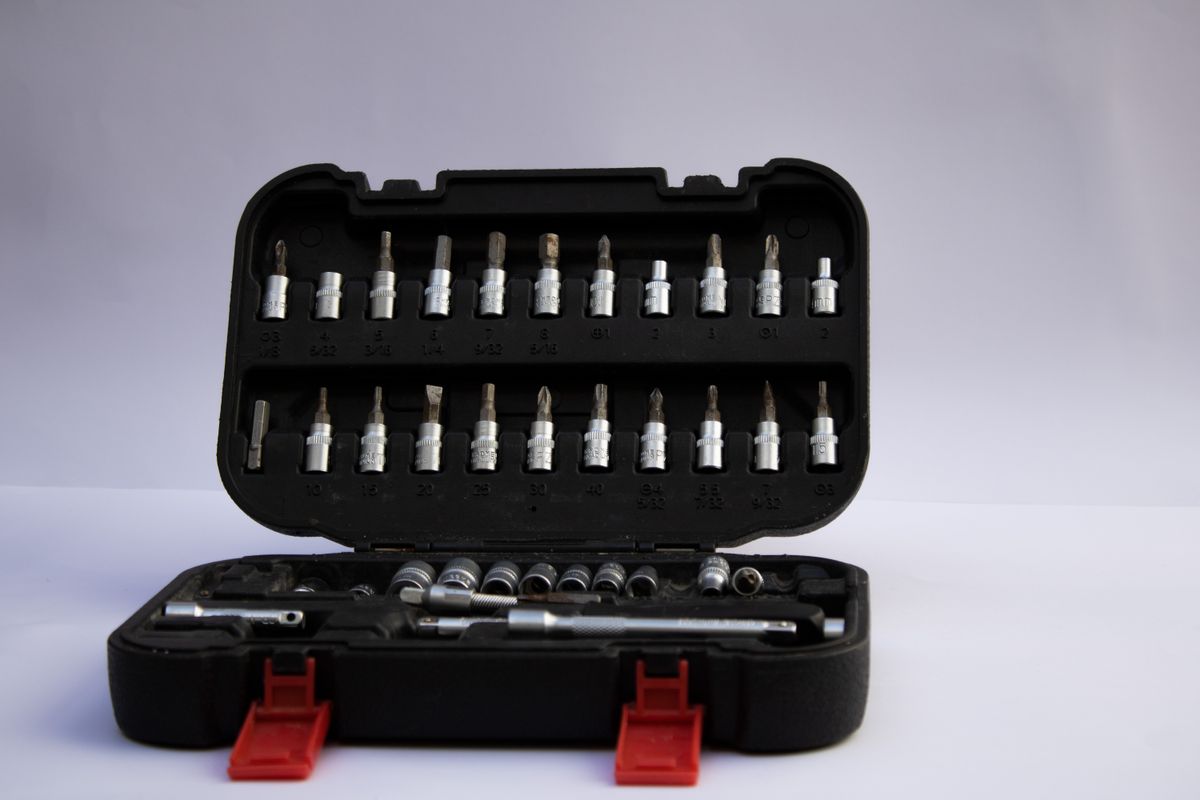
Tightening a screw should not require searching three drawers. A small household toolkit works best when it is complete, recognisable and separate from loose pieces whose original purpose nobody remembers.
Organising
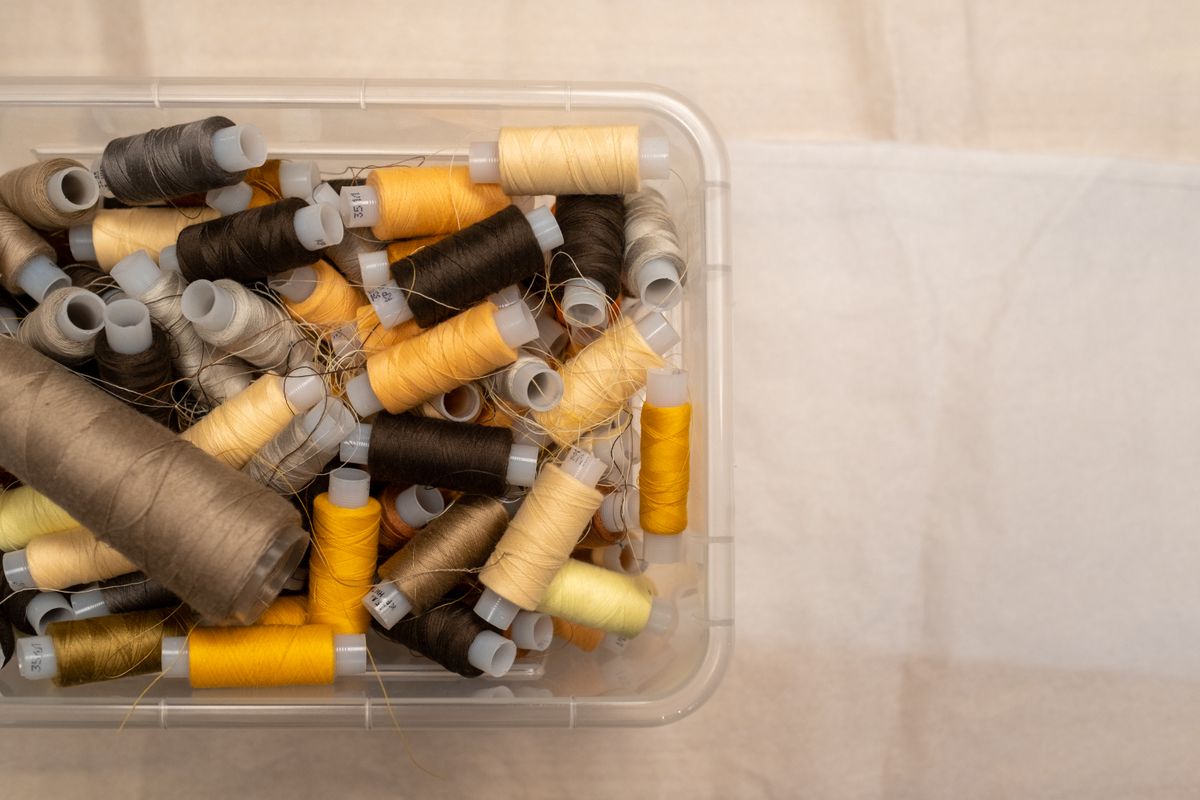
Hobby supplies work best when they let you start a project without clearing half the room. Separating active work from reserve materials prevents every session beginning with a search for scissors or missing pieces.
Organising
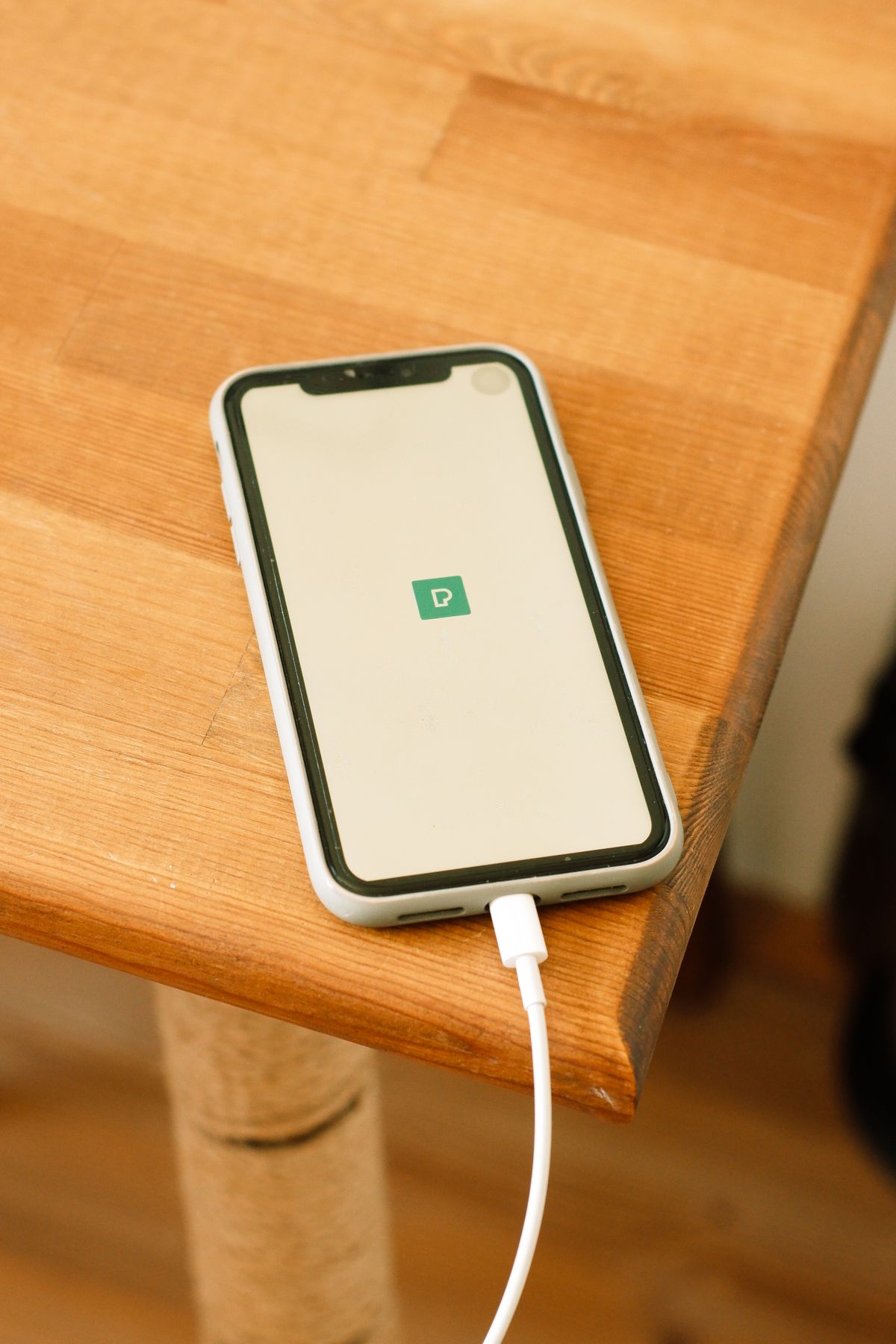
A shared charging spot prevents searching for sockets around the house, but needs more than an attractive tray. It should provide space, ventilation and comfortable access to every device.
Organising
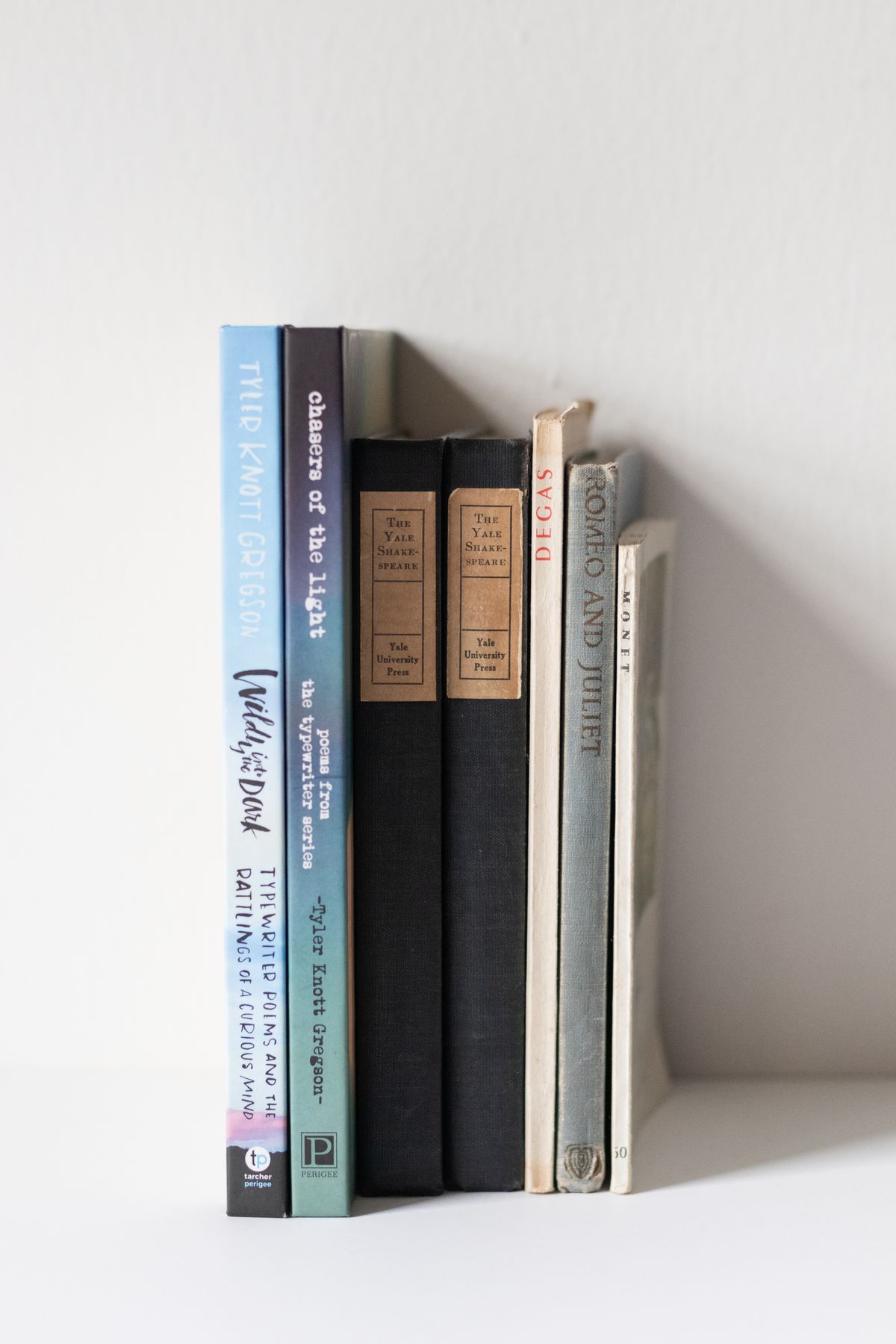
A bookshelf can look attractive and remain difficult to use. If finding a book requires remembering its cover colour, the decorative arrangement may have displaced the reading one.
Organising
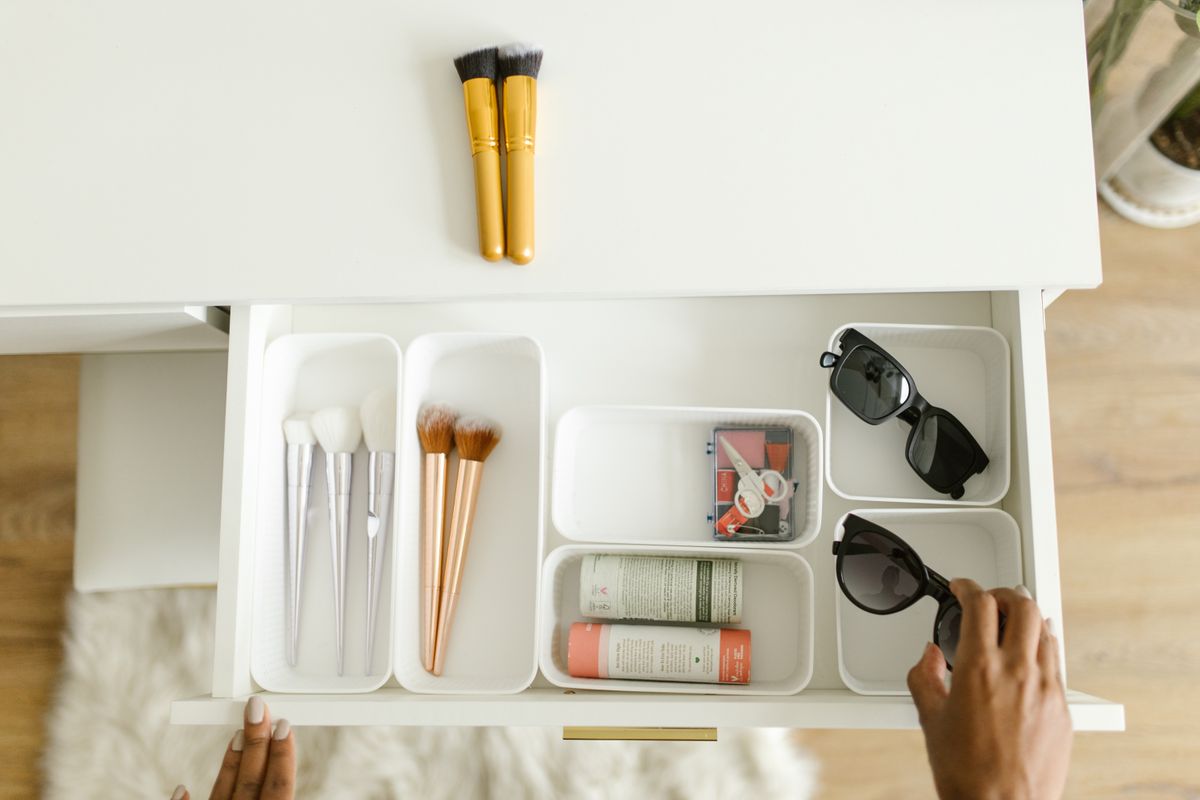
A small drawer lets you finish a useful improvement without spending the whole day organising. Keep the task limited to its contents and give everything you remove a definite destination.
Organising
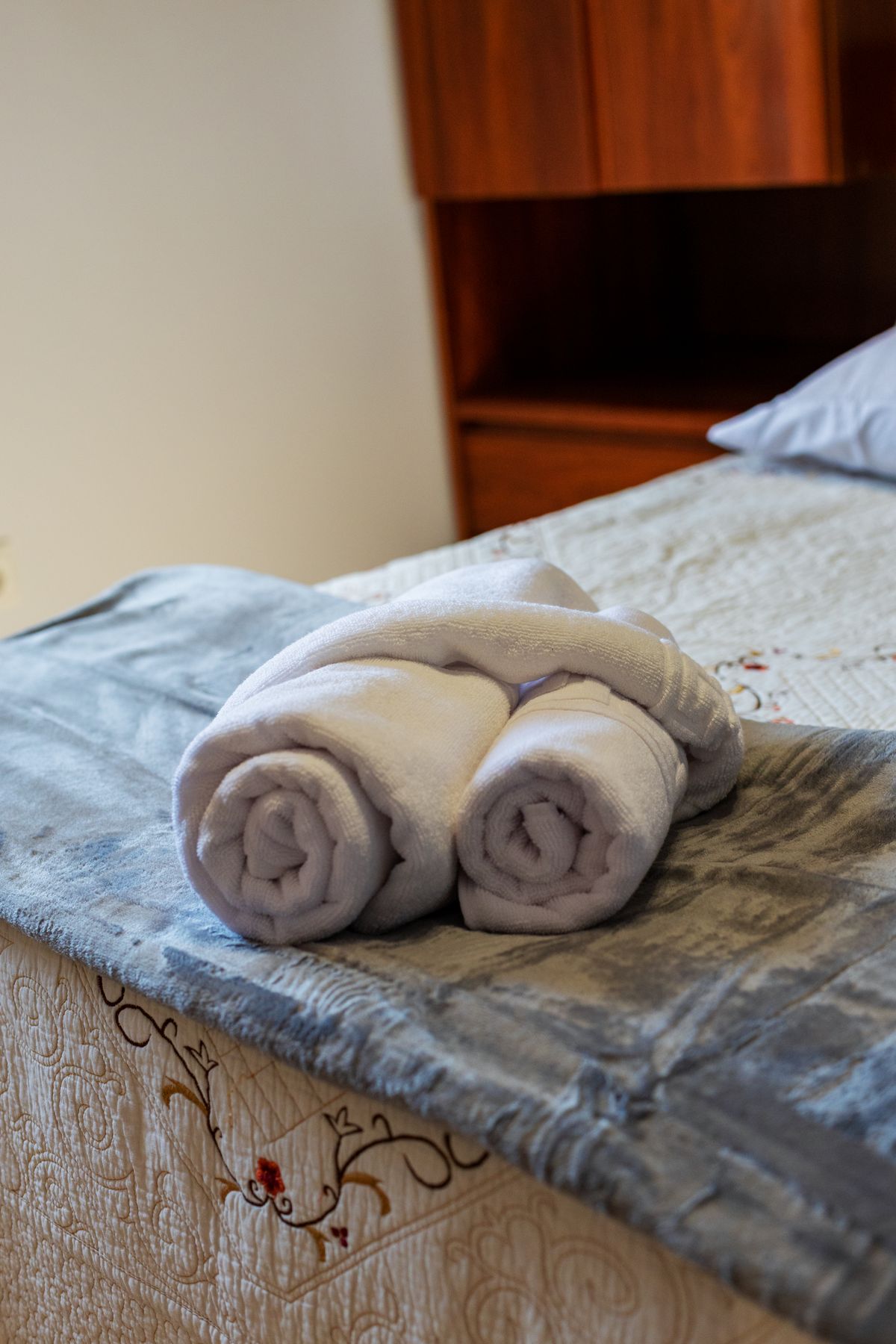
Keeping guest essentials together prevents a last-minute search for a pillowcase. You do not need to maintain a hotel-style room: gather what you actually offer and leave space for the person arriving.

Organising
Sorting household waste is easier when containers sit near the place packaging is emptied. Before buying a matching set of bins, check local collection rules and how much room your household needs between collections.
Organising
A useful label answers a question: what is inside, whose it is or what needs to happen next. If it merely repeats the obvious, it may add work without helping anyone find anything.