Find where progress stops
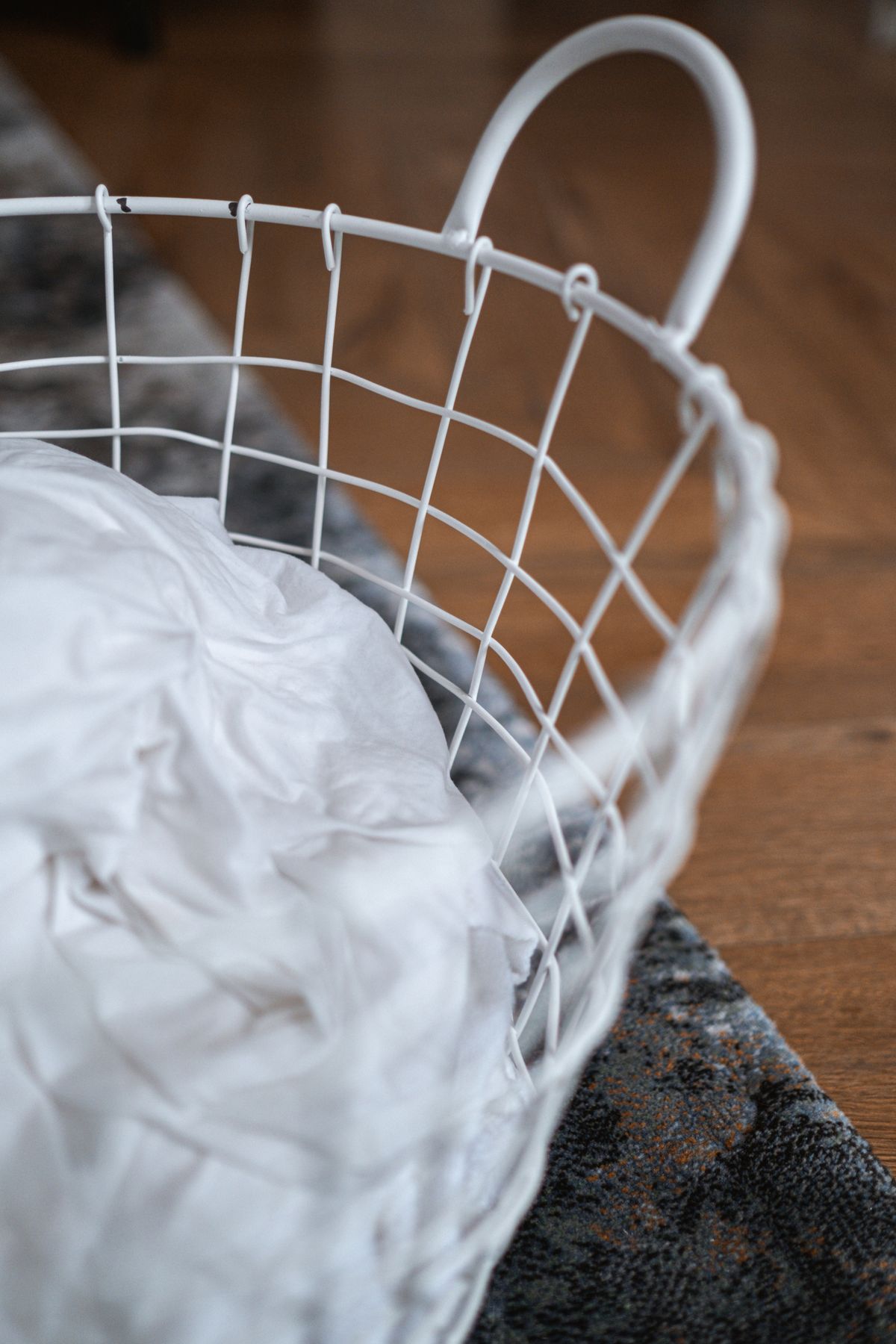
Watch which pile grows over several days. If dirty clothes wait because nobody separates them, clearer sorting may help. If clean clothes remain on the sofa, perhaps there is no convenient folding surface or agreed moment for putting them away. A bigger basket merely hides the blockage for longer.
Start with a load you can finish. Check that drying space and time to collect the clothes will be available before running several washes consecutively. The drying rack may limit the routine more than the drum capacity, particularly during damp weather. Planning that next step avoids transferring a queue from one place to another.
Make collection understandable
Put laundry baskets where people change, where space permits. A simple label can distinguish clothes needing special care. Do not leave wet garments inside a closed bag for days. Give them suitable treatment or drying according to their care instructions rather than adding them to a forgotten pile.
Empty pockets and read care labels before washing. New or delicate garments should not automatically join the usual load. If several people help, agree what each basket means. Leaving something in a pending-laundry area should not imply that every material can be washed in the same way.
Prepare the next stage
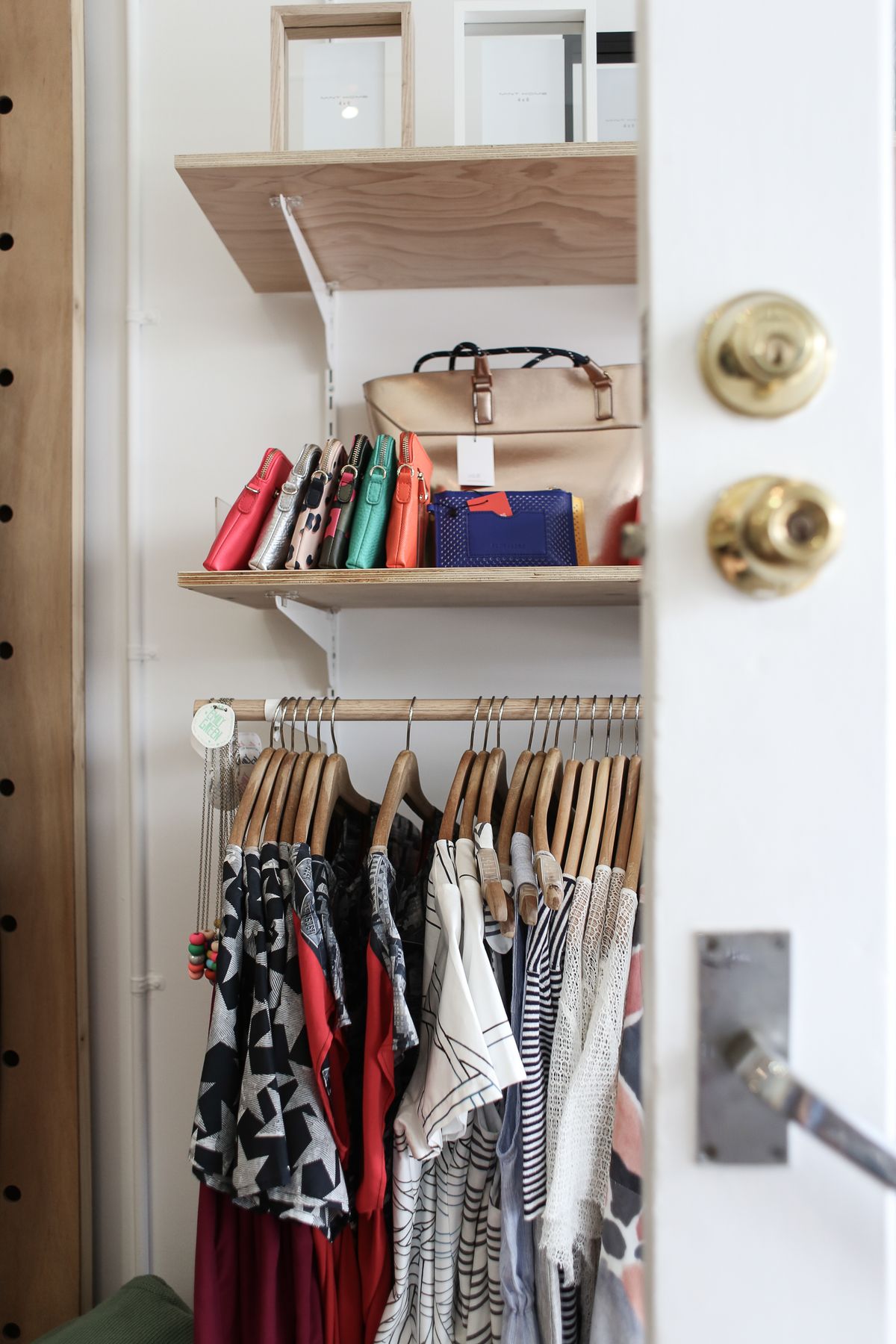
Have hangers, pegs or drying space ready before starting. Follow each garment's instructions for line drying or tumble drying, and avoid overloading equipment. Keep access routes and the ventilation areas specified by the manufacturer clear. A drying arrangement should not obstruct a doorway simply because the room is temporarily available.
When collecting dry laundry, group it by destination: each person's clothes, towels and bedding. A small basket per room may save trips if you have room, but should not become another temporary wardrobe. Take each complete dry group to its destination rather than leaving it to be sorted again later.
Shorten the finish
Fold where you can put things away promptly. Hanging garments can go directly onto suitable hangers, skipping the intermediate chair. Simplify everyday folding if an elaborate method prevents the task from being completed.
Keep repairs and unmatched items in an identified place and review them periodically. A lone sock need not accompany every subsequent load indefinitely. Returning clean clothes to storage gives the next wash fewer obstacles.