Choose tools for familiar tasks
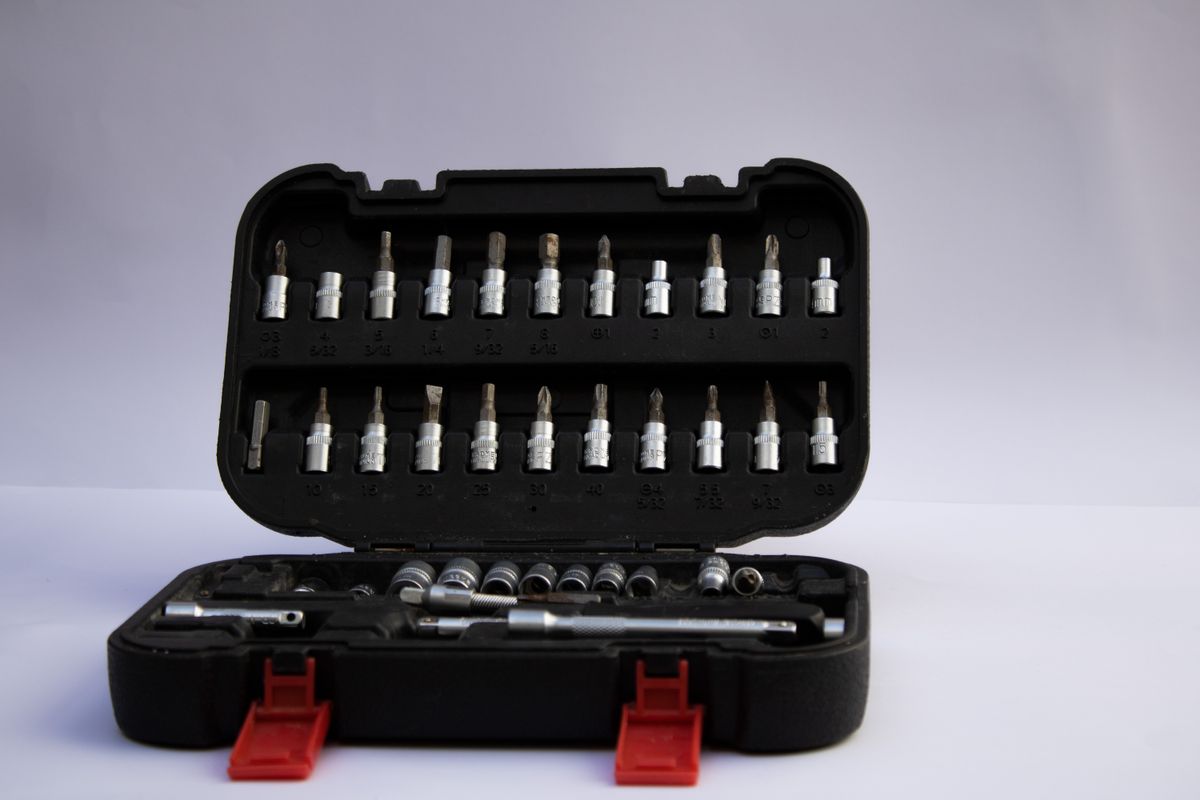
Gather the tools you already own and inspect their condition. A screwdriver with a worn tip or loose handle should not stay mixed with working equipment. You do not need to fill an enormous toolbox. Start with appropriate tools for jobs you know how to do, and retain their instructions where needed.
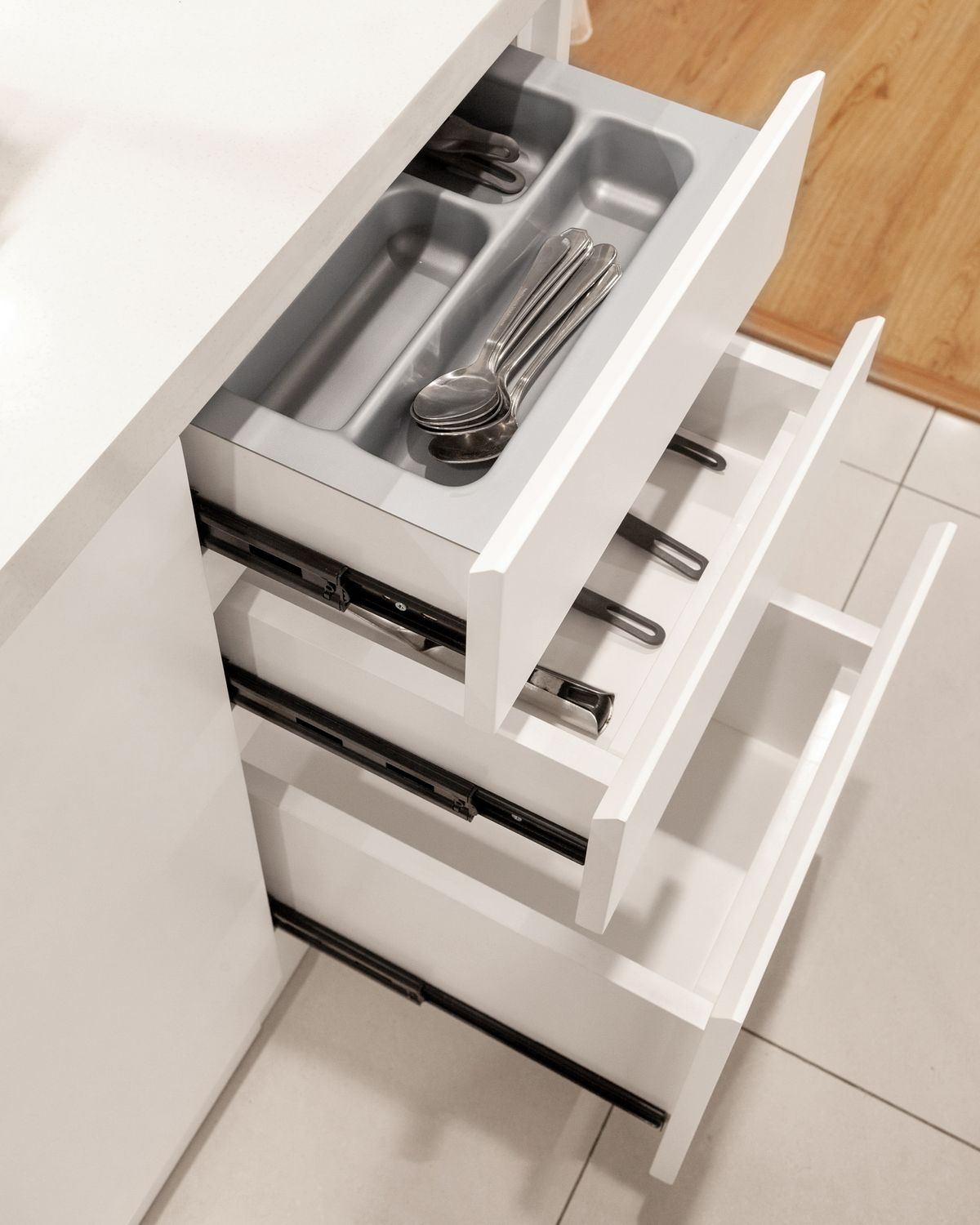
Keep specialist tools with their equipment or in another identified box. The set used for assembling furniture can live beside the tape measure and spirit level. Something used very occasionally does not need the most accessible compartment if it prevents you finding the basic tools during an ordinary repair.
Give small parts a clear home
Screws, wall plugs and washers are easier to find in lidded compartments than in one mixed bag. Label sizes or keep the original packaging. Do not identify a wall plug solely by colour or assume it suits every wall. Its specifications and permitted load matter when you eventually use it.
Spare furniture parts should carry the furniture's name and, if useful, a photograph. Keep the assembly key with them. Bed screws identifies a set; small bits encourages searching through several possibilities and may lead to using the wrong part. A labelled bag can stay with the assembly instructions for straightforward reference later.
A box you can handle
Choose a sturdy container whose closure can support its contents. Heavy tools belong low down and sharp edges need suitable protection. Avoid loading the box until it becomes difficult to lift. Two manageable sets may be more practical than one excessively heavy collection, particularly if you carry tools between floors.
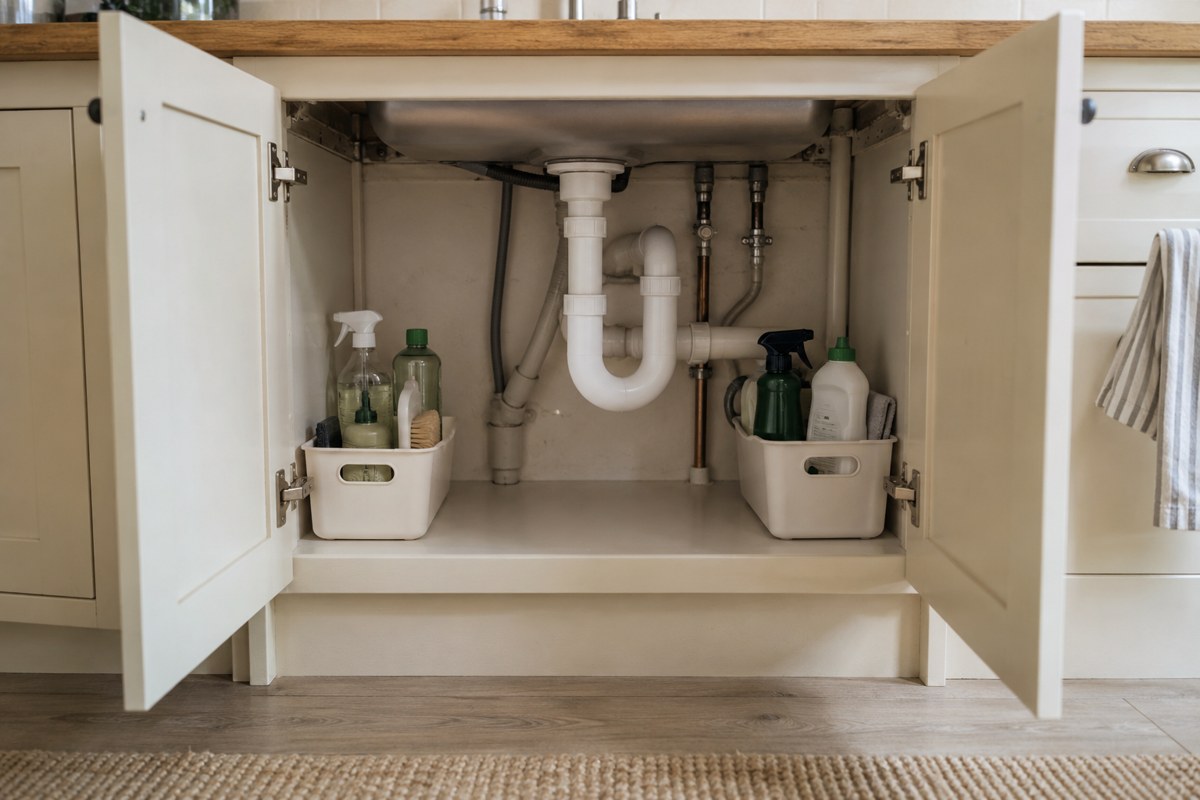
Keep tools beyond the reach of children and pets and in a dry location. Adhesives, paint and chemicals have their own storage requirements. Do not automatically add them to the same container simply because they are associated with household repairs. Keep labels intact and follow the relevant product instructions.
Return tools when the job ends
Allow a few minutes to count pieces, clean them as appropriate and put each tool back. Identify anything damaged before closing the box. A replacement note prevents discovering a missing item precisely when you need to repair something. Check that no small part has been left on the floor.
Review unidentified objects occasionally. Establish what they belong to before discarding them, but do not let them fill compartments intended for equipment you actually use.