Local rules come first
Consult your council or collection service's official information to learn which materials each stream accepts. Colours and categories vary between places. Do not assume a package belongs in the same bin you used in a previous town, or that a familiar-looking symbol settles every local collection question.
Note the exceptions that regularly arise in your household. Electrical items, batteries and certain special wastes may need dedicated collection points. Do not mix them with ordinary packaging because there is no assigned space. Keep them safely identified until taking them to the specified destination, following any handling guidance relevant to the item.
Match sizes to what you produce
For a week, notice which group fills its container first. You may need more space for cardboard and little for glass. Identical bins can waste cupboard space when quantities differ considerably. Look for containers that lift out and clean easily rather than choosing dimensions solely for their appearance side by side.
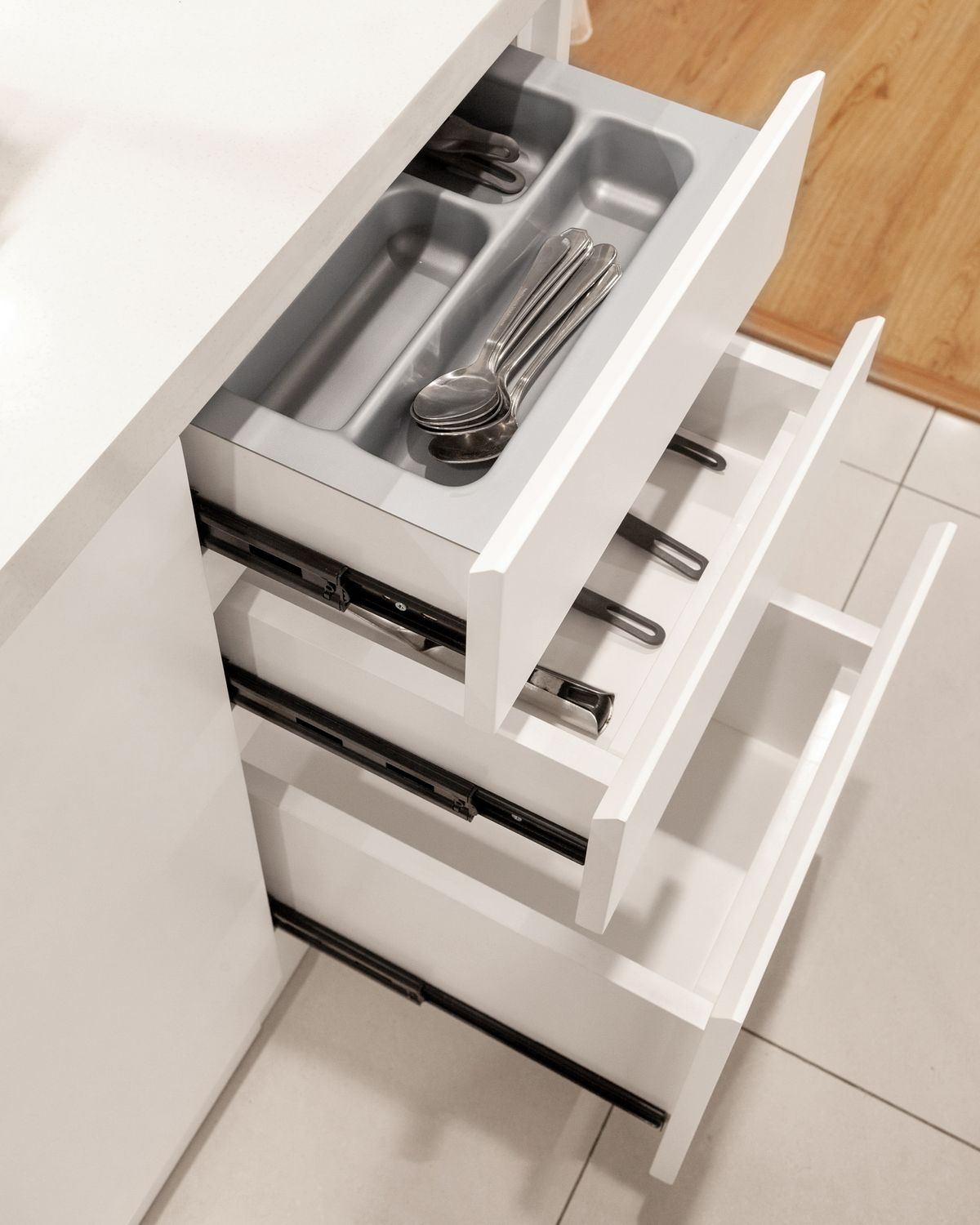
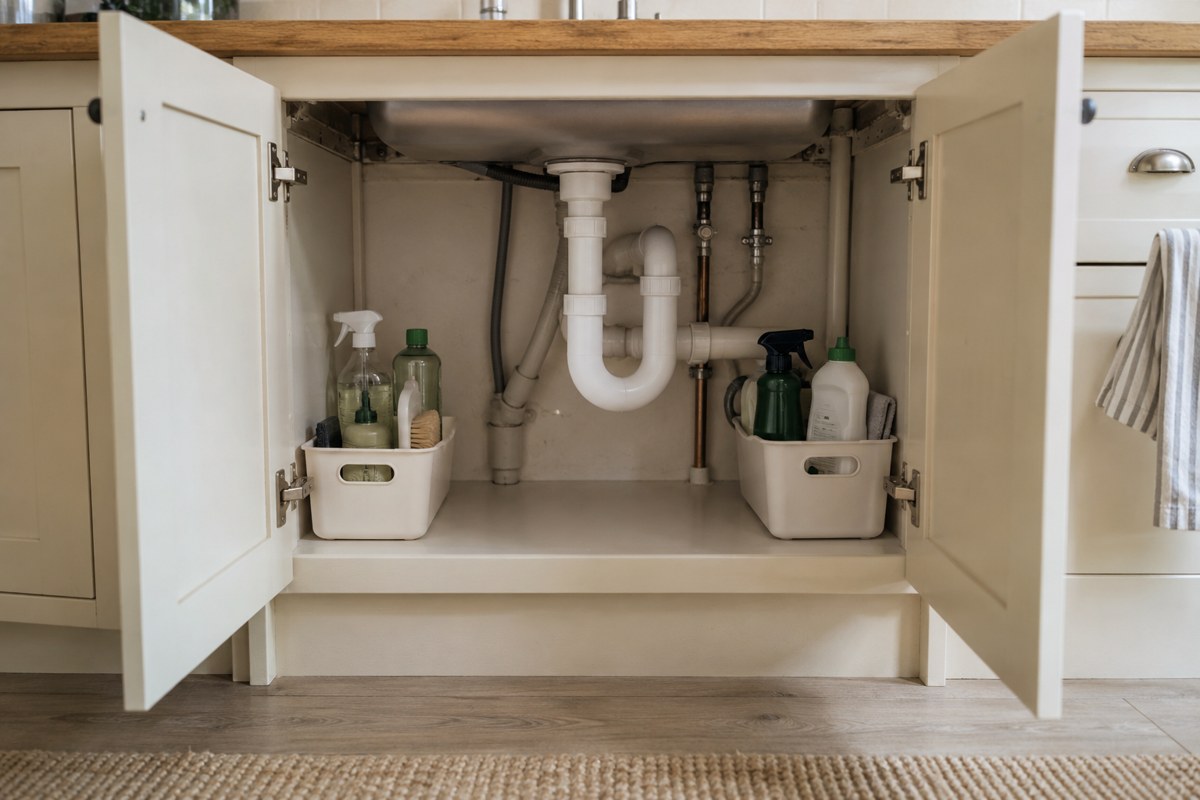
Give the most frequent stream convenient access without blocking doors or occupying food-preparation space. If using a pull-out system beneath a counter, check the runners' full travel and permitted weight. Full bags must also come out without catching on hinges. Test that movement before filling every compartment for the first time.
Label with clear examples
A word and two familiar examples help more than a tiny list nobody can read. Use the local service's names, especially in a shared household. Keep frequently asked questions on a separate note rather than covering each bin with instructions. A visitor should be able to identify the ordinary options quickly.
Prepare packaging according to collection guidance, including emptying, cleaning or separating components where required. Do not turn the area into weeks of containers holding food residue. Clean the bins after spills and let them dry before fitting new liners. Storage should make the waiting period manageable rather than hide a growing mess.
Include the journey out
The process finishes when each group reaches its collection point. Link that task to a regular outing or the service's collection calendar. If a bag becomes heavy, empty the container before it is completely full, particularly with glass.
Review the arrangement when rules or household quantities change. An old label can cause mistakes even inside an orderly cupboard. The best station is one everyone can use and empty without improvising each time.