Compare needs before moving hangers
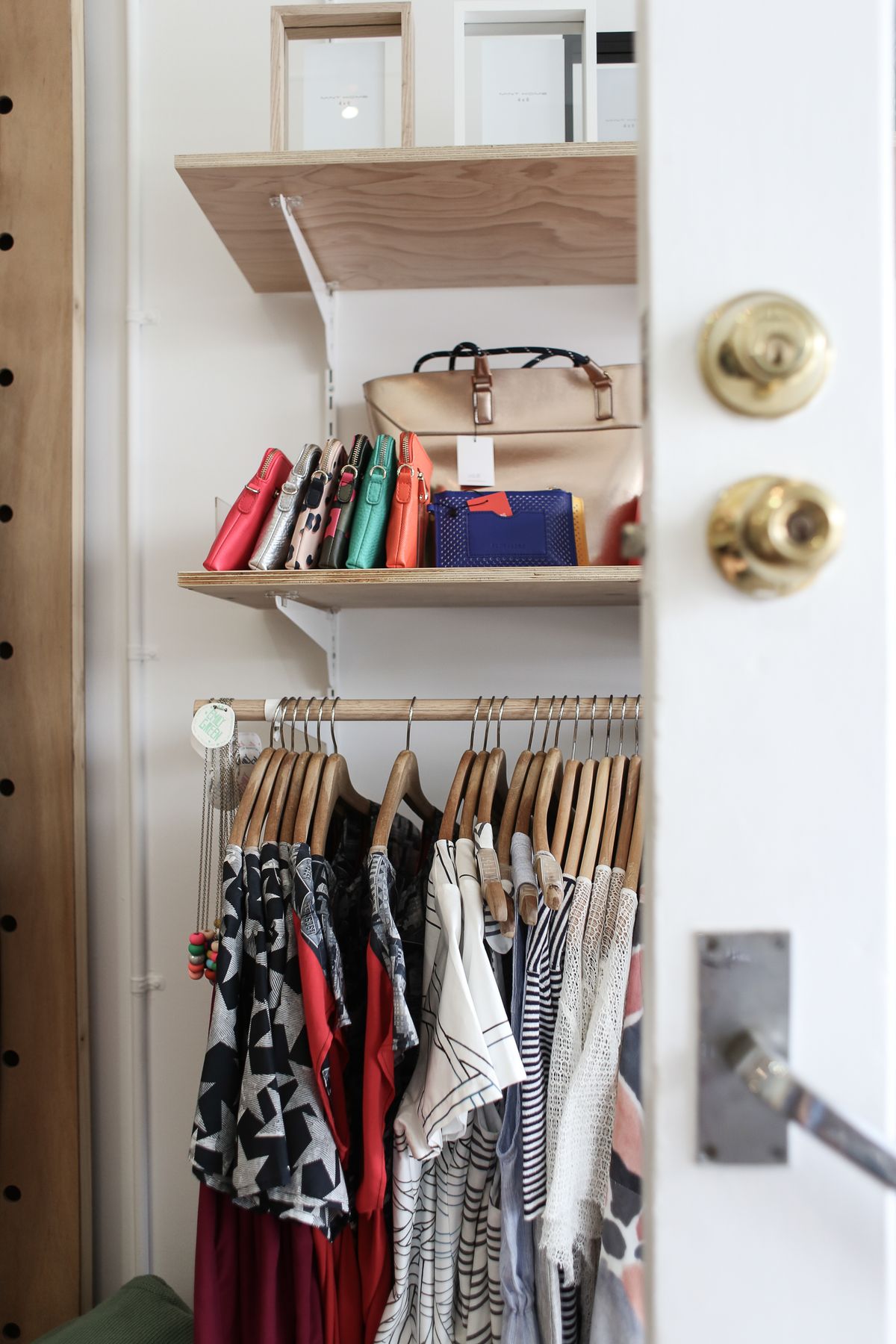
One person may own long dresses while another has many folded T-shirts. Giving both the same length of rail and number of shelves can waste space. Group clothes according to how they need storing and work out which areas suit each collection, instead of beginning with an imaginary line down the middle.
Discuss schedules as well. Someone dressing very early should be able to retrieve everyday clothes without shifting another person's boxes or opening a noisy drawer beneath the bed. Daily convenience deserves more attention than perfectly symmetrical storage. A small change of shelf can sometimes remove a repeated morning irritation.
Personal areas and shared areas
Give each person a recognisable section of rail, drawers or shelves. A divider or discreet label may be enough. Avoid mixing similar clothes if identifying the owner then requires inspecting every size label. The arrangement should help both people put clean laundry away without guessing.
Bedding and shared accessories need an agreed area that does not quietly consume one person's allocation. When a communal shelf becomes full, review it together. Do not move someone else's belongings into a hidden box to claim more room without discussing the change. Clear ownership of decisions matters as much as clear shelf boundaries.
Test the division with clothes inside
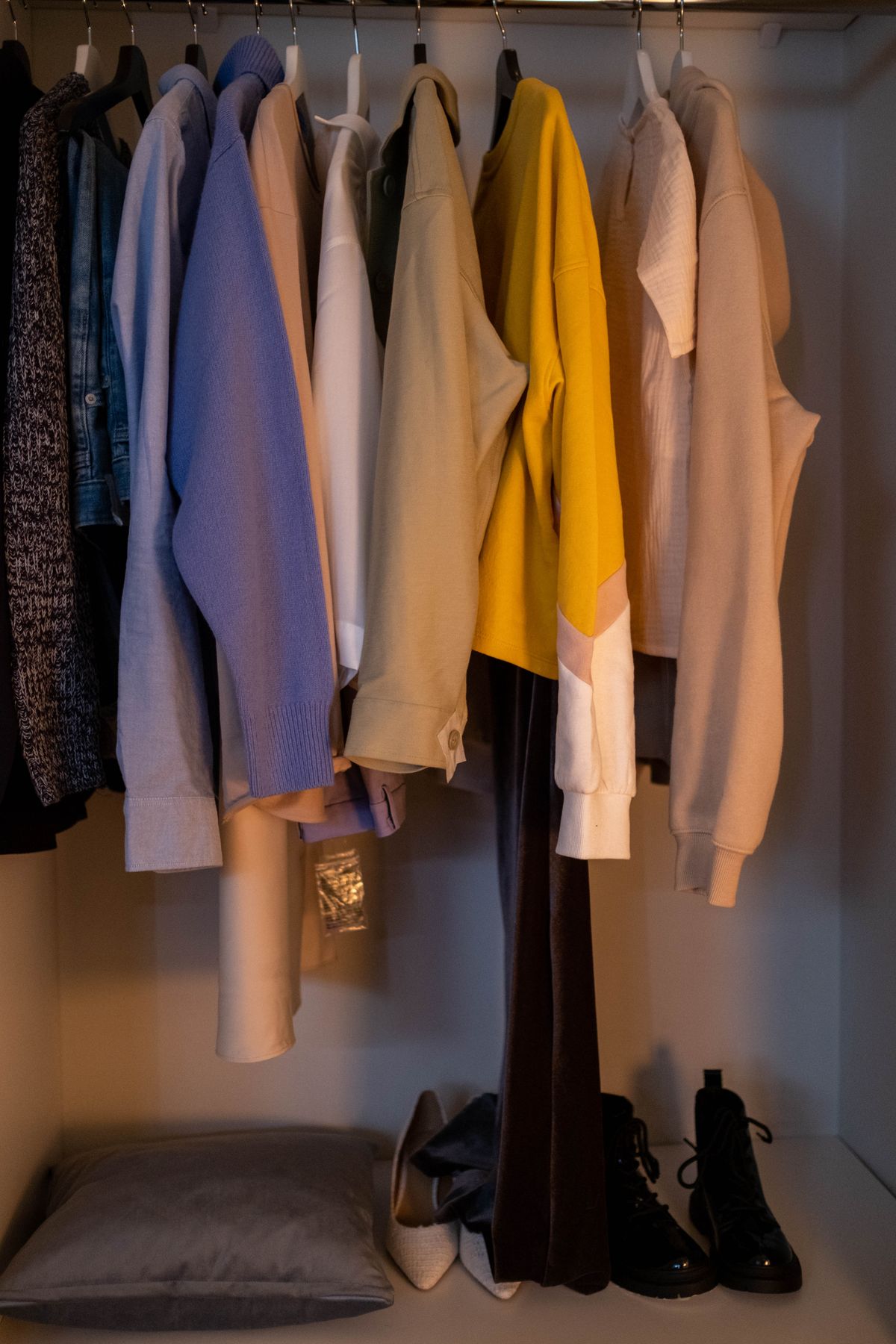
Hang long garments where they do not rest on shoes or boxes. Give each person comfortable access to frequently used clothes, taking height and mobility into account. Store heavy objects securely without creating stacks that are awkward to lower or rearrange while reaching over someone else's clothes.
Include clothes currently in the wash and garments normally left on a separate rack. A division that works only with half the wardrobe empty is insufficient. Leave a little margin in each area for returning laundry without crushing hangers together or pushing everything into the neighbouring section.
Address the boundary, not every shirt
After a week, discuss what feels awkward. Perhaps one person needs another drawer and can give up part of the hanging rail. Specific changes are more useful than repeatedly debating who owns more clothes.
Agree what happens when an area fills: review unused items, move seasonal clothing or reconsider the division. Each person should make decisions about their own possessions. Shared storage works better when its limits are clear and can be renegotiated without every purchase becoming an argument.