Measure the part people use
Compare overall width with usable seat width. Thick sofa arms can leave less sitting space than expected while the piece occupies an entire wall. Check depth, height and back support too: a compact footprint on a plan can still produce an uncomfortable seat for the household.
Try sitting down and standing up where possible. If a seat is particularly low or deep, consider whether it suits the people who will use it. The right dimensions depend on mobility and preferred sitting positions as well as the room's size.
Preserve a straightforward route
Mark the sofa or armchair footprint with paper or tape compatible with the floor. Walk from the door towards frequent destinations such as the window, dining area or balcony. Add the proposed side table and repeat the trial: that small extra piece often becomes the thing that closes the route.
For reclining furniture, include the extended position and any space required behind it. Do not assume every mechanism operates alike. Check that nearby cupboard doors can still open while someone is seated, rather than only when the room is unused.
Add places without fragmenting the floor
A small sofa and a light chair may provide more flexibility than a large suite, but several separate seats also introduce extra legs and awkward gaps. Sketch both options before deciding. Consider whether conversation, television or reading dominates everyday use.
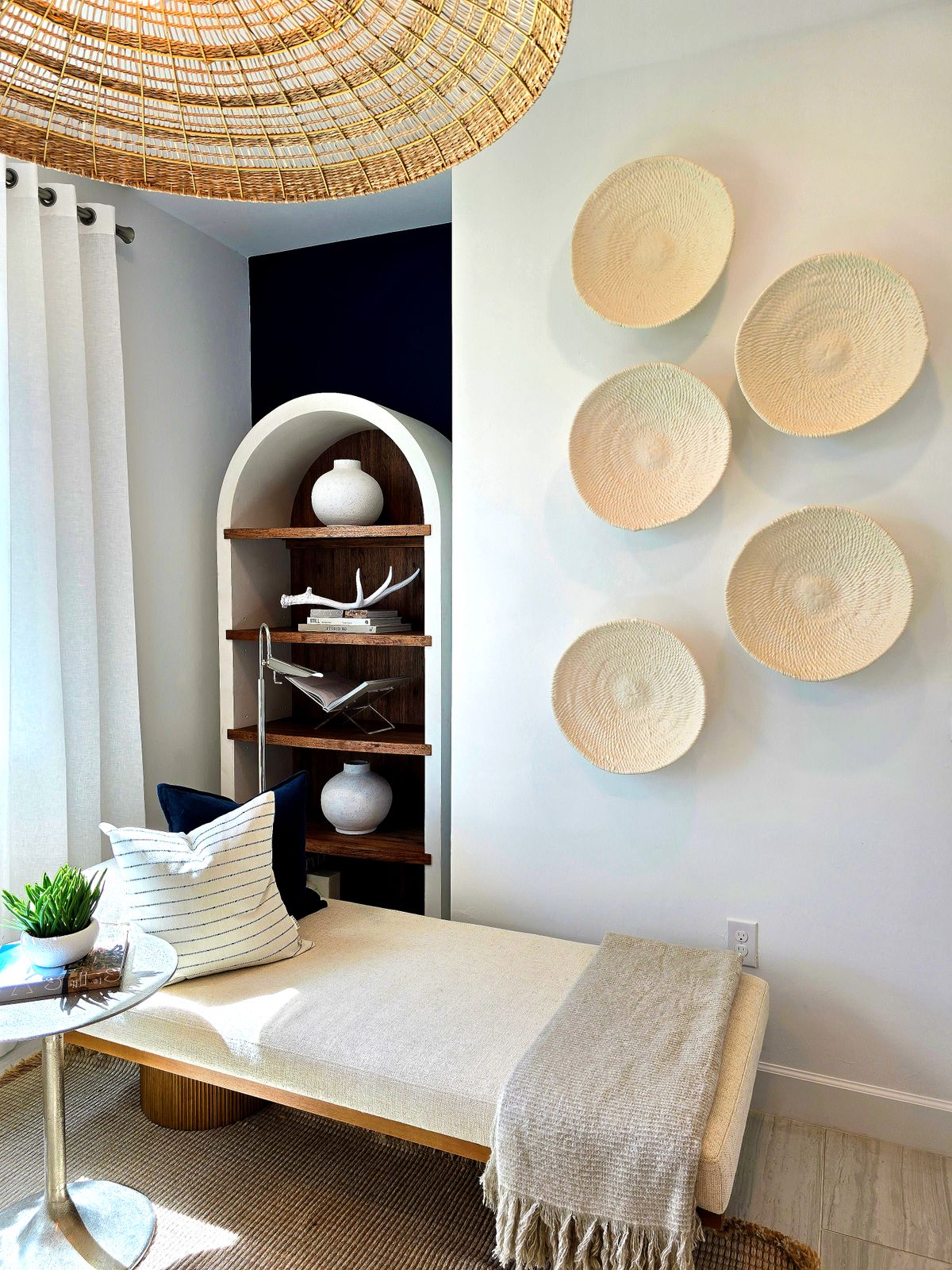
A pouffe may provide occasional seating or a footrest if its design permits, although it does not always replace a chair with a back. Avoid buying spare seats that never leave a corner and merely make cleaning more difficult between visits.
Consider appearance and upkeep
Visible legs or open arms can make furniture appear lighter without reducing its actual footprint. Do not sacrifice comfort for a visual impression. Check access for vacuuming underneath and choose upholstery care that fits the household's routine, rather than a finish you will constantly worry about.
Before adding one final chair, live with the essential seating for a few days. The open space may prove more useful than a place nobody regularly occupies.