Work with movable surfaces
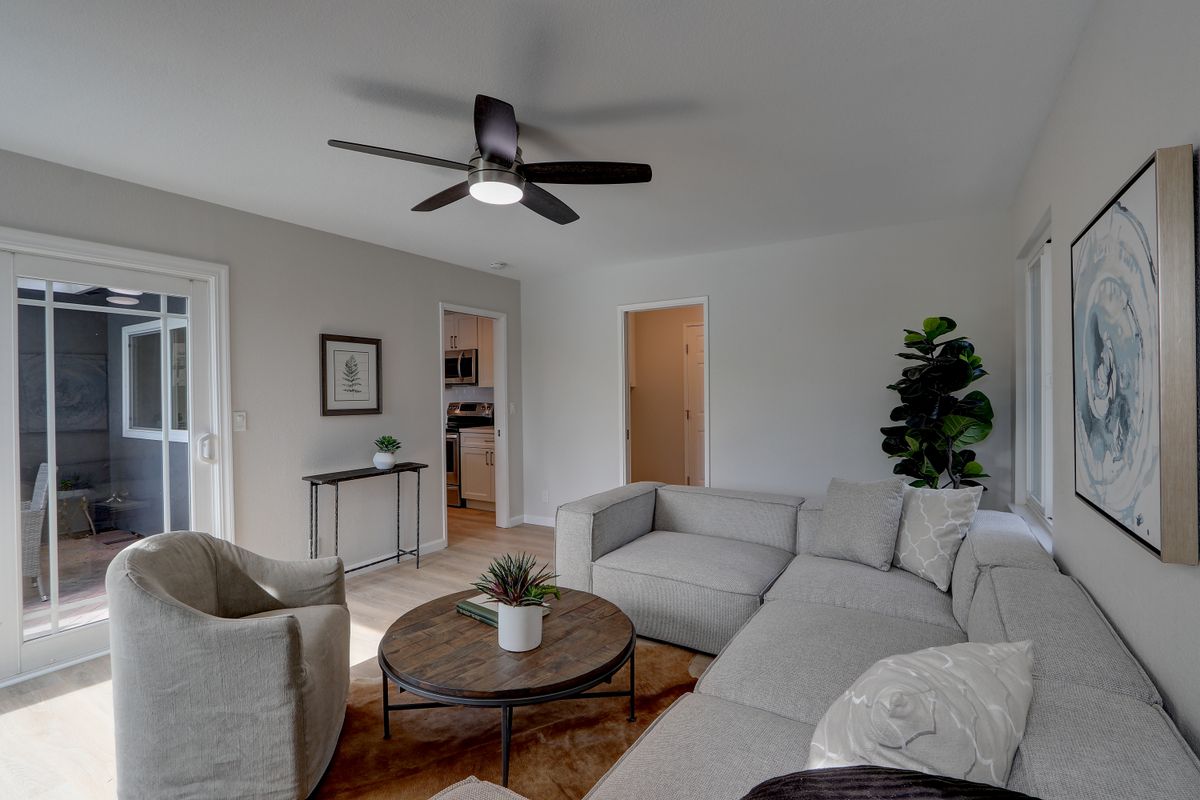
A bedspread, curtain or rug can occupy a substantial part of the view without altering a wall. Choose one main piece and check how it relates to existing finishes. Grey flooring and warm-coloured doors do not prevent a pleasing palette, but include them in the comparison.
Do not buy every textile at once. Test one colour where you spend the most time. If you enjoy it by day and at night, extend it to another surface or add a small contrasting note.
Ask before sticking or painting
The word removable does not guarantee an adhesive will leave no marks. Paint condition, installation time and wall preparation all affect the outcome. Check your tenancy terms and the product instructions, then test discreetly if permitted.
If painting is allowed, agree what should happen at the end of the tenancy. Keep the original colour reference and document the previous condition. A clear agreement prevents a simple improvement becoming an argument when you leave.
Use belongings that already travel with you
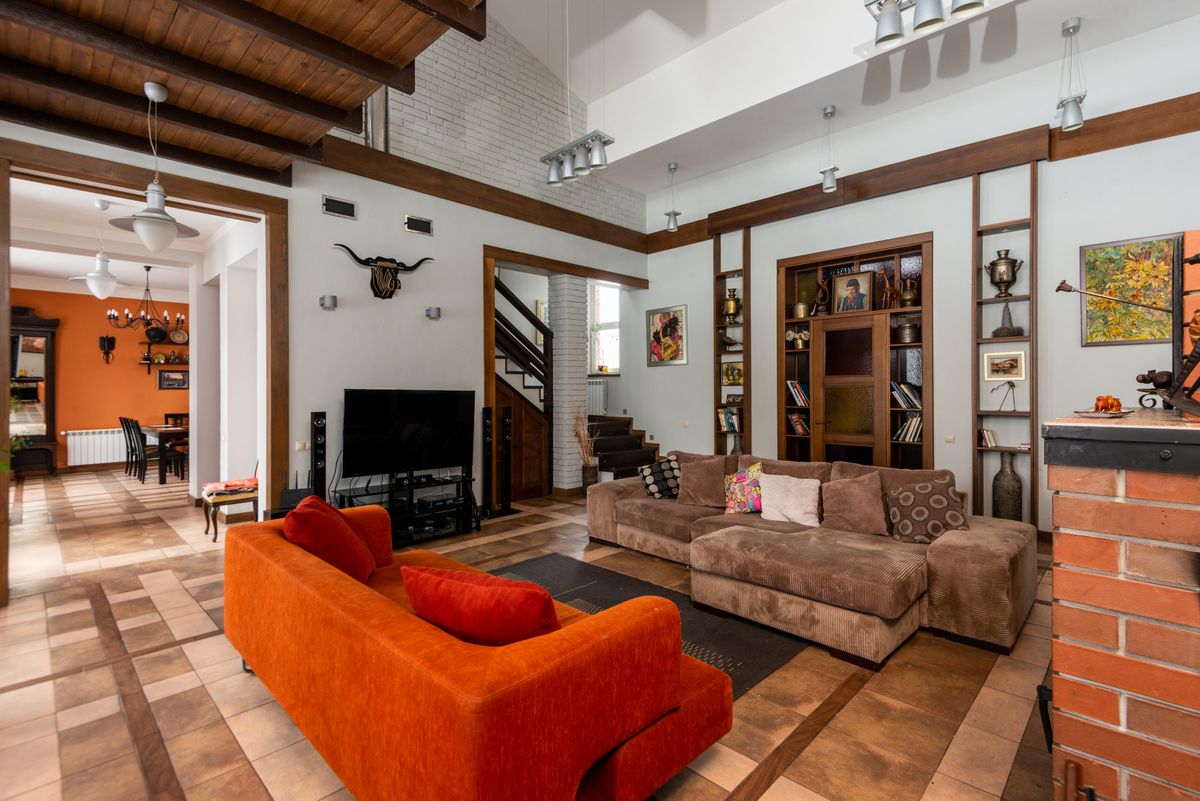
Books, a framed print or visible crockery can introduce colour without becoming purely decorative purchases. Gather these pieces briefly and look for a connection. You do not have to hide everything that differs; a home can contain variety and still feel coherent.
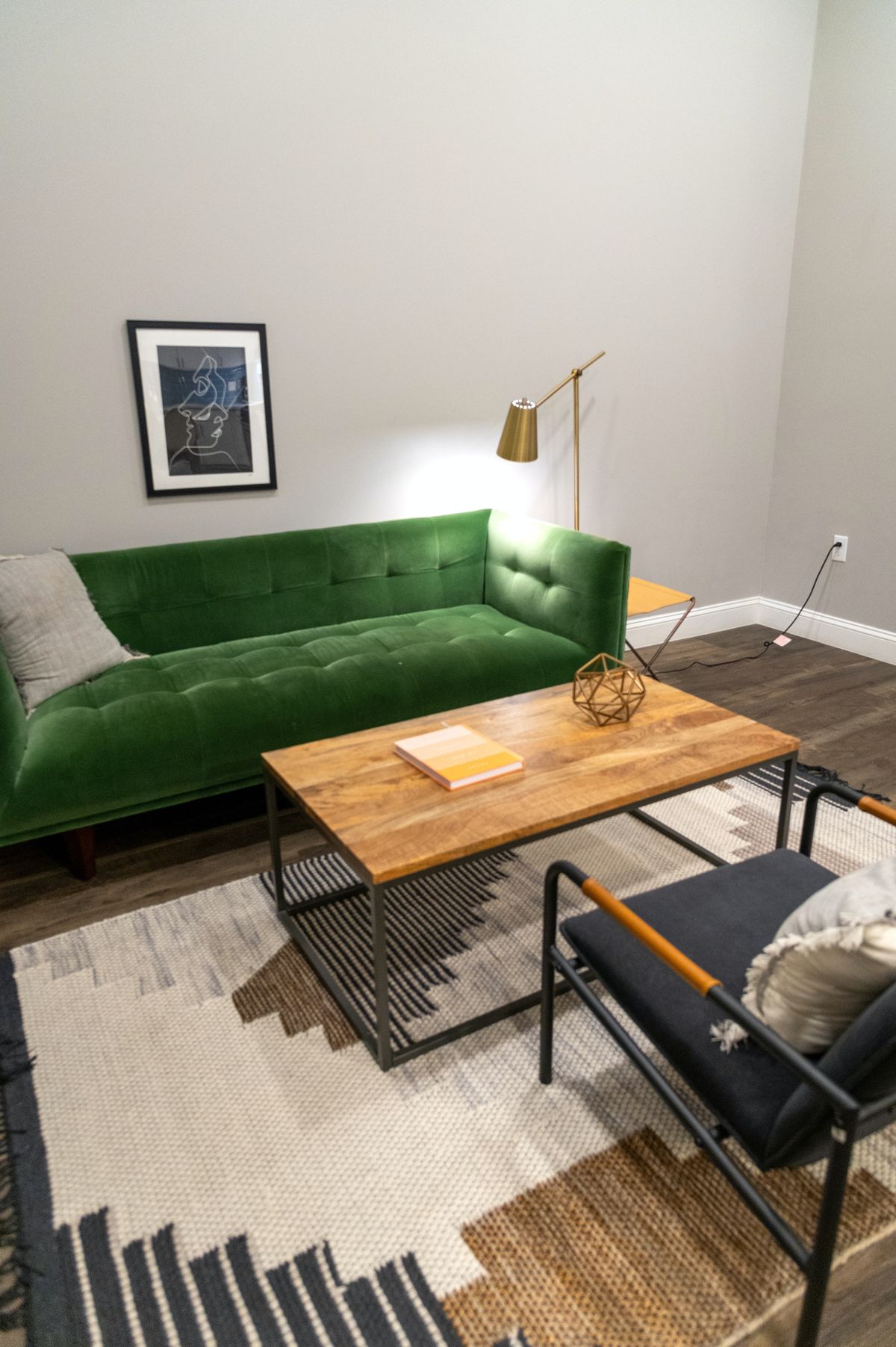
Freestanding furniture can introduce a stronger colour too. Check that it fits through doorways and might serve another purpose in a future home. If the manufacturer requires anti-tip anchoring, renting does not remove that need; arrange an authorised, safe installation.
Let the background keep working
A white wall can give a lively textile combination room to breathe. You do not have to compensate for it by filling every corner. Retain some simple surfaces and see whether the chosen colour stands out more clearly with less competition.
Store any original fittings you need to return with their accessories. Being able to reverse a change neatly is part of making a good choice, especially when several small changes accumulate over a tenancy.