Look from the leaves' position
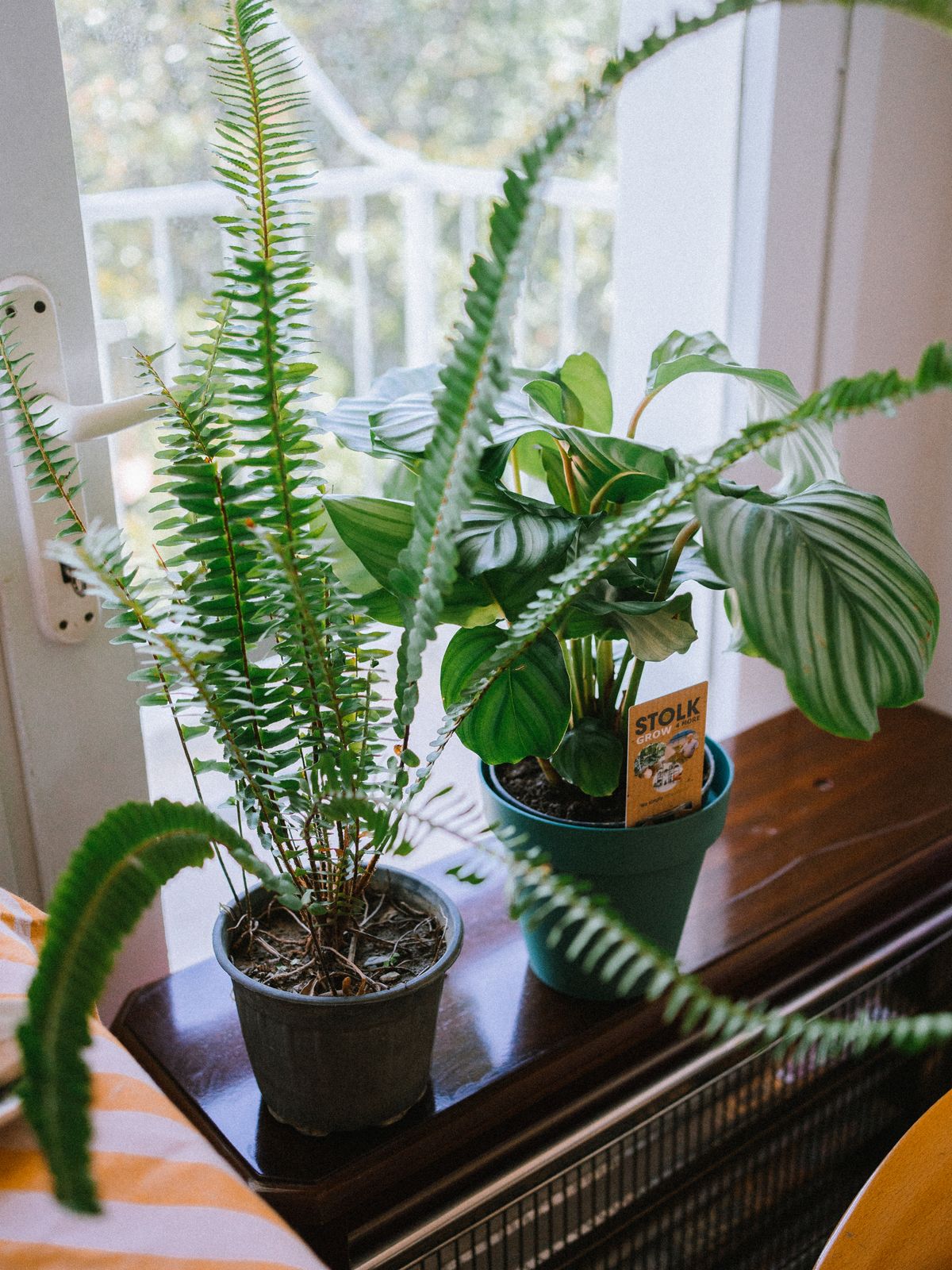
The brightness you notice when entering a room does not necessarily describe what reaches a pot. Stand at the exact proposed location and consider windows, obstructions and distance from the glass. A plant behind a sofa or beneath a deep shelf may be considerably more shaded than the rest of the living room.
Note whether direct sunshine reaches the leaves and at which times. Window orientation helps you understand the space, but buildings, trees, awnings and curtains change the result. A general statement about compass direction cannot guarantee the conditions inside your particular home.
Translate the label into conditions
Bright indirect light does not mean any corner where you can comfortably read. Nor does it mean every plant tolerates the same period of direct sun. Consult guidance for the identified species and compare it with your observations, especially when the shop label says little beyond houseplant.
A species described as tolerant of lower light still needs light. If the corner is dark throughout the day, it may not be a reasonable place for a living plant without appropriate supplementary lighting. Changing the decorative object is more sensible than expecting a pot to adapt to an absence of light.
Avoid sudden moves on impulse
If growth appears to stretch towards the window, review the position. Moving gradually closer may help, but taking a plant from shade straight into intense sunshine can damage it. Consider heat near glass, cold draughts and nearby radiators alongside the amount of light.
Turning a pot slightly can encourage more balanced growth in plants responding to light from one side, but it does not repair an unsuitable location. Check the species guidance and avoid repeatedly shifting the plant between very different conditions simply to achieve a decorative effect.
Observe again as the year changes
Light varies with the seasons and can change when a curtain is installed or an outside tree grows. Look at new growth and the plant's overall condition rather than blaming every yellow leaf on insufficient light. Watering and other problems can produce overlapping symptoms.
Further reading: