Inspect before bringing it home
Look at both leaf surfaces, stems, new growth and the top of the growing medium. Check for visible insects, cottony patches, sticky residue or damage you cannot explain. Some marks are old or mechanical, but asking questions and comparing specimens is worthwhile before buying.
Keep the label carrying the plant's name. Identifying the species helps you find appropriate care and distinguish normal features from suspicious changes. An identification based only on colour or an app may be insufficient when deciding how to handle a problem.
Choose a suitable separate position
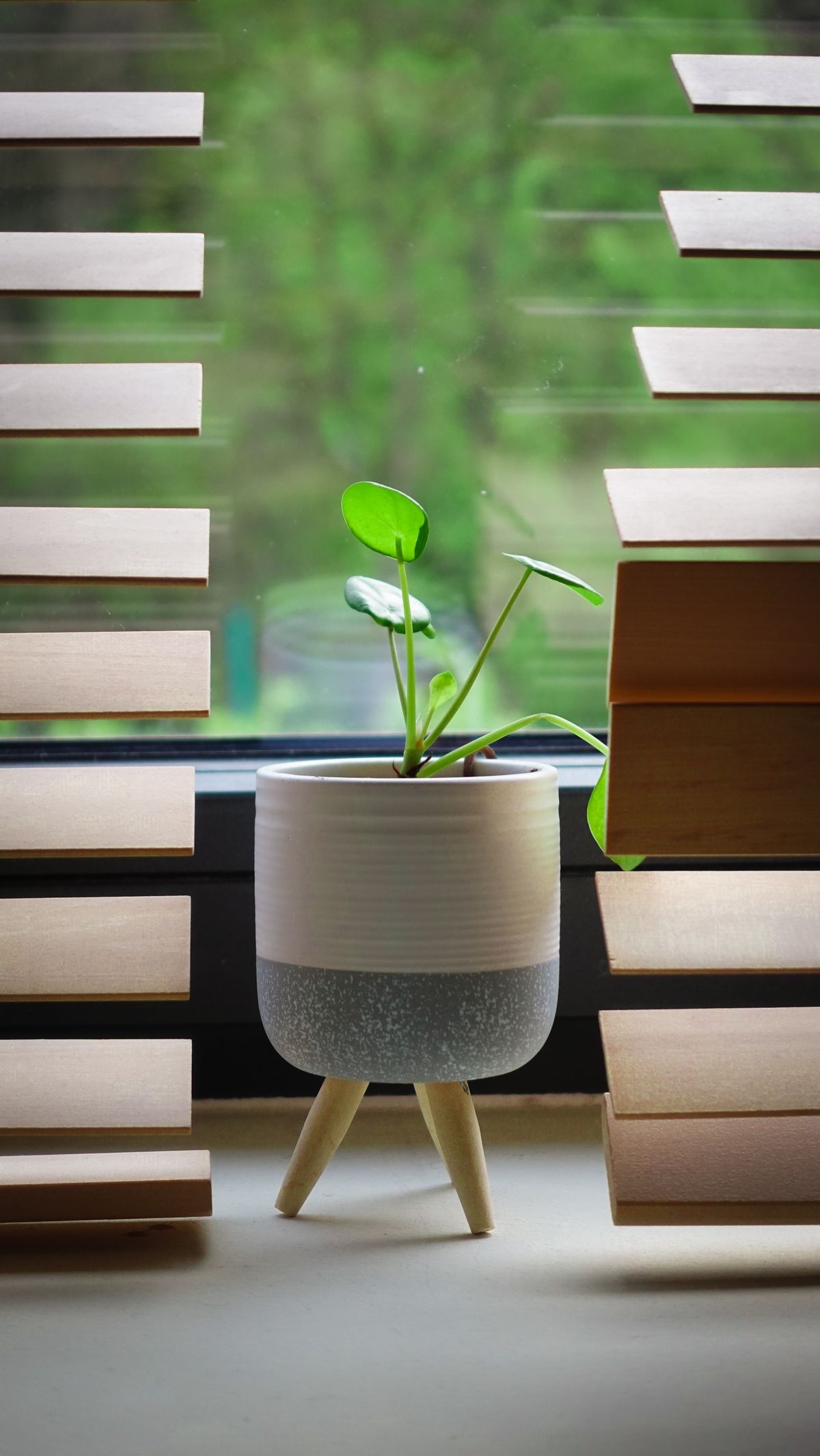
The observation space should offer conditions the plant can tolerate, rather than simply being the darkest unused corner. Keep its leaves from contacting established plants and retain access to inspect the entire pot.
There is no magical number of days that guarantees freedom from pests. Observe for a sensible period based on origin, risk and reliable horticultural guidance. Separation is useful when you actually examine the plant, rather than forgetting it and automatically adding it to the collection afterwards.
Record what changes
A clear photograph on arrival helps compare marks, buds and new leaves later. Check watering rather than necessarily copying the shop's schedule: your home may have different light and temperature. Remove collected water from the outer pot and keep the surrounding area clean.
Avoid combining repotting, heavy pruning, feeding and improvised preventive treatments at once. If symptoms develop afterwards, identifying the cause becomes harder. A healthy purchase may need adjustment and ordinary care rather than a sequence of interventions immediately after it arrives.
Identify problems before treatment
Maintain separation and seek help with sharp photographs and the plant's name. Any treatment must suit the pest, species and indoor use, following its label. Do not mix remedies or use an agricultural insecticide without checking its authorised uses and conditions.