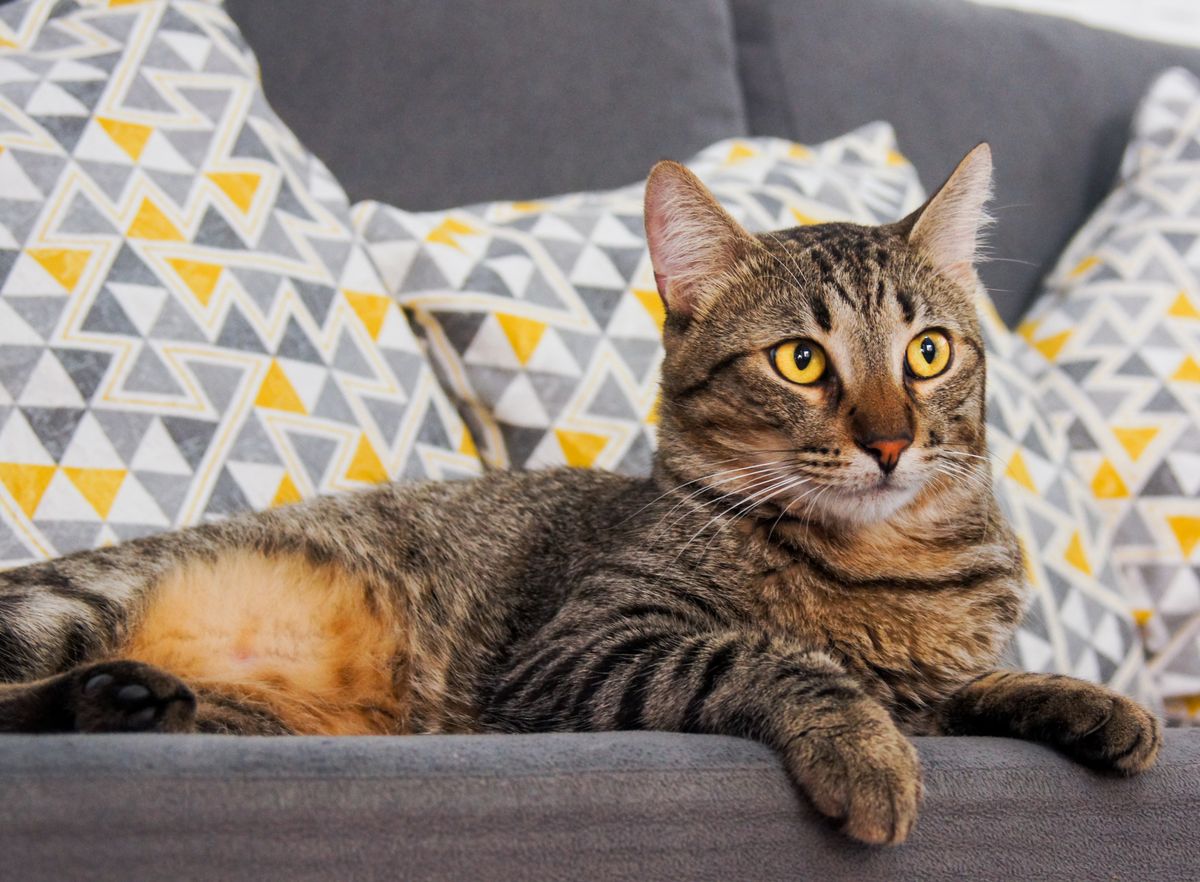
Start with favourite resting places
Notice where the animal usually settles and concentrate the first pass there. A washable throw can protect a seat if it is comfortable, stable and appropriate for its use. Do not arrange it in loose folds that create a trip hazard or could catch a paw. Keep a spare so that it can be replaced while being washed. This will not remove hair from the entire home, but it makes a substantial area easier to manage without treating every cushion with equal intensity on every occasion.
Collect loose hair before washing
Remove loose hair from blankets with a suitable tool before putting them into the washer. Follow the textile label and appliance instructions. A hair-heavy load may make it sensible to inspect accessible machine areas and the filter afterwards, as the manual directs. Do not assume every fabric permits tumble drying or use heat simply because a hair-removal tip recommends it. Machine capacity and the planned drying method still matter when an item is reserved for a pet rather than for people in the household.
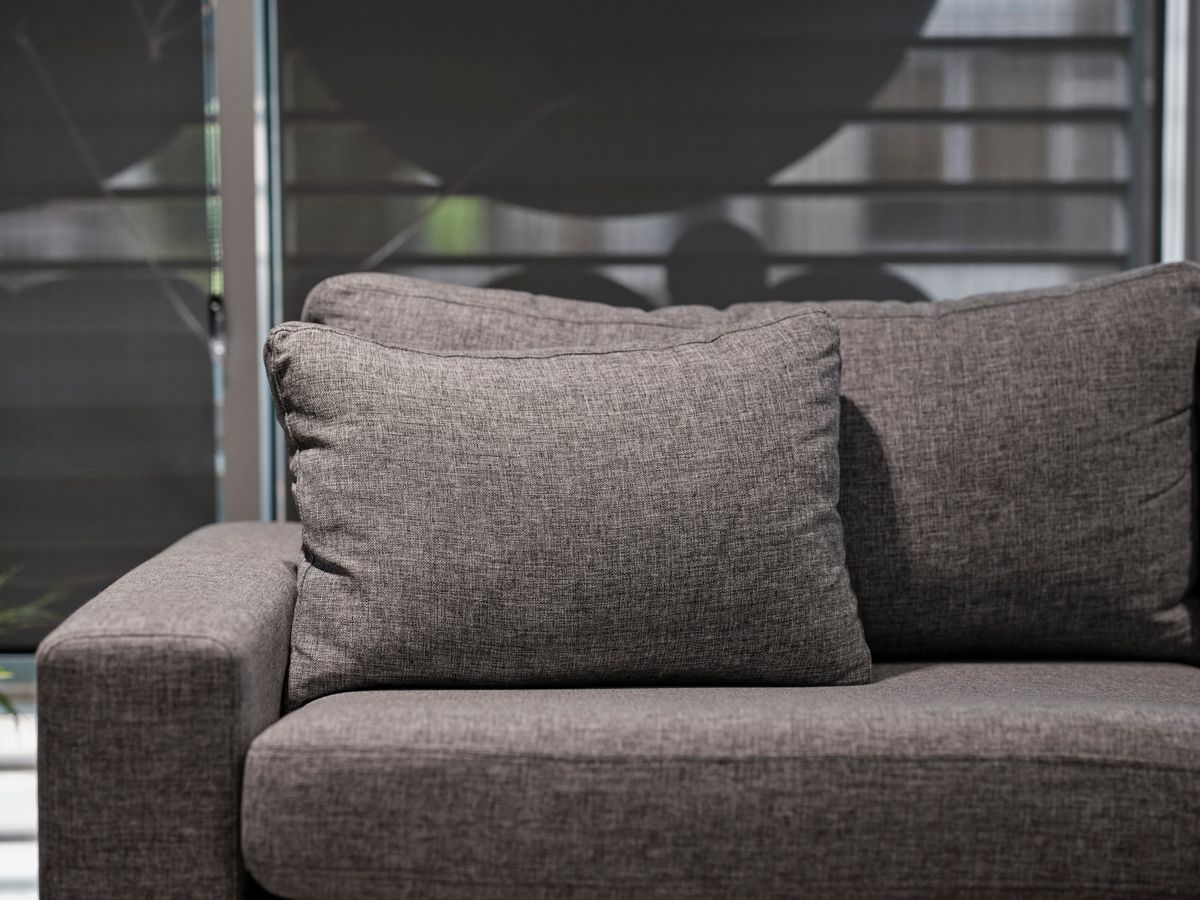
Test the sofa in a corner
A lint roller, upholstery brush and vacuum attachment can perform differently on different weaves. Try a discreet area first. Avoid tools that scratch, pull loops or leave adhesive behind. Do not dampen unidentified upholstery merely to make hair stick to a glove. Where the maker allows that method, use only the permitted moisture and let it dry afterwards. Work in short passes and clear collected hair from the tool so that it is not immediately deposited back onto the next section of fabric.
Give a rug its own setting
Check which head the rug permits, especially with wool, loops or fringes. A rotating brush should not be the automatic choice. Vacuum in controlled passes and clear tangled hair from the head with the appliance disconnected as its instructions require. Do not pull projecting textile yarns because they resemble hair. Check edges beside the sofa and beneath accessible furniture, where movement and air currents can concentrate fibres that are difficult to see from the middle of the room. Keep the rug's construction in mind throughout.
Make the routine repeatable
A brief pass over the most-used spot may achieve more than an exhausting session once every surface is covered. Store the tool nearby but out of the animal's reach if it has small parts or adhesive. Wash your hands and clean the implement afterwards. If shedding suddenly increases or the pet develops bare patches, consult a veterinarian; changing the vacuum does not address that issue. Keep decisions about the animal's care separate from housekeeping, rather than treating every change in the home as a cleaning failure.