Identify the finish and remove dust
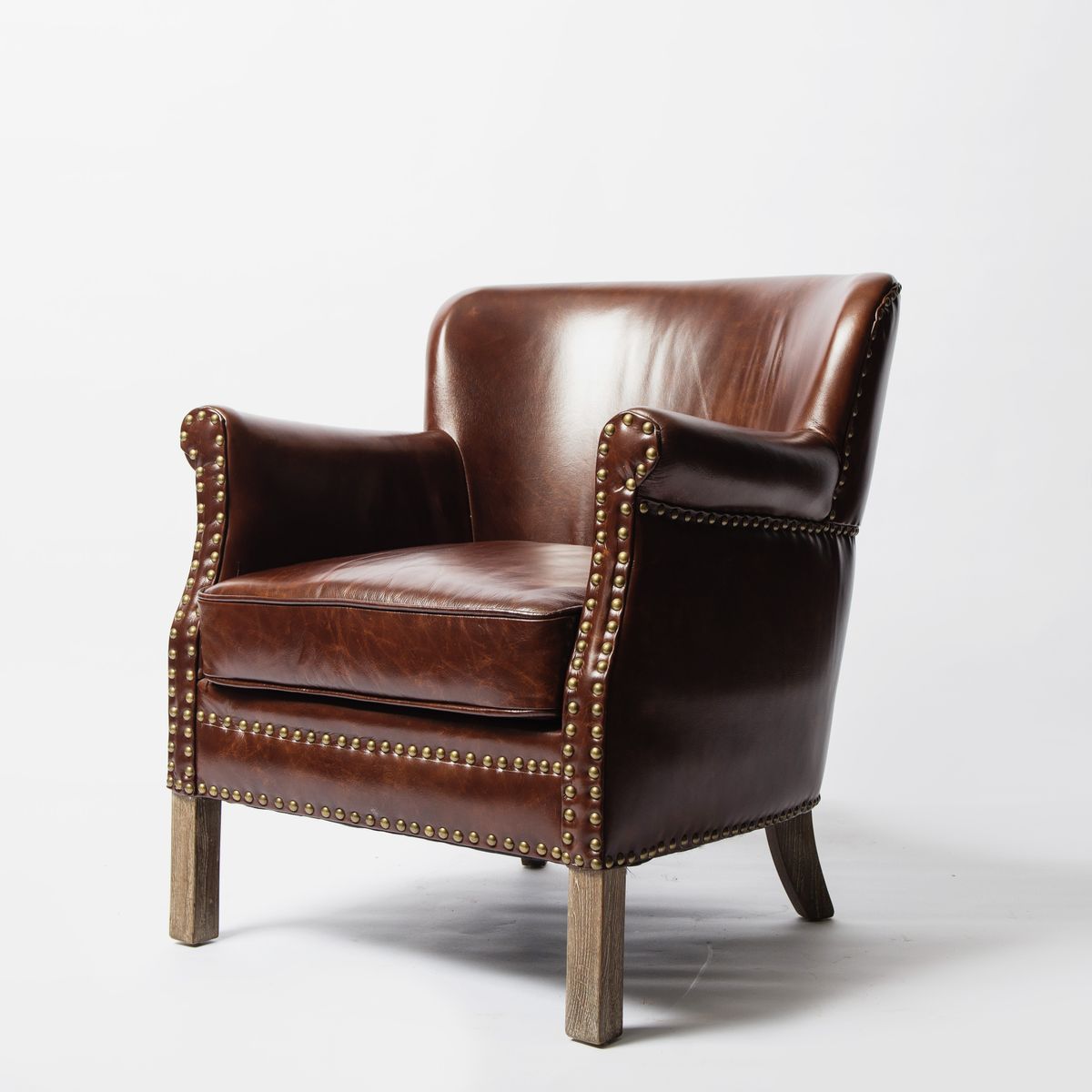
Find the model information and distinguish protected leather, aniline leather, nubuck, suede and imitation materials. The word leather in a listing does not necessarily describe every part of the furniture; side panels may use something else. Where information is missing, ask before using an oily or wet treatment. A dark mark on absorbent leather can be difficult to reverse. Do not identify the surface by wetting a visible patch or scratching its coating. Use documentation or advice that leaves the original material intact.
Use the gentle method specified by the maker, such as a dry cloth or suitable soft attachment. Pay attention to joins and folds without forcing them open. Remove particles from the seat before sitting down and pressing them against the finish. There is no need to create a high shine; that may never have been the leather's original appearance. Avoid cloths previously used with kitchen products or abrasives. A dedicated clean tool reduces the chance of introducing a substance that was never intended for this upholstery.
Responding to a spill
Blot liquid with a clean cloth rather than rubbing or spreading it. Subsequent treatment depends on the finish and approved product. Do not automatically reach for alcohol, disinfecting wipes or household soap. Test any permitted treatment discreetly and inspect the dry result before continuing. Smooth-leather methods may be unsuitable for suede or nubuck. Ink, persistent grease and dye transfer deserve specialist advice before several cleaners are tried in succession. Once treatments have been layered, it becomes harder to understand what caused a change in colour or feel.
Conditioning is not always required
Use a conditioner only where recommended for that leather, at the stated amount and interval. Cooking oil, body lotion and shoe polish are not substitutes. They may change colour, feel or transfer onto clothing. Imitation leather has its own care needs and does not automatically benefit from a natural-leather treatment. Apply patiently, remove excess as instructed and allow the required drying period before sitting down or covering the seat. A generous application is not necessarily more protective than the amount the maker specifies.
Consider its position too
Check whether the chair receives intense direct sun or stands too close to a heat source, following the recommended conditions and clearances. Do not drape damp clothes over the back to dry. If you notice peeling, cracking or loss of coating, stop rubbing in an attempt to even out the appearance. Cleaning cannot rebuild missing material. Photograph the change and ask whether repair is possible. Keeping a note of the finish and treatment used avoids repeated experiments when someone else takes over the household cleaning.
Further reading: