Decorating
Making a desk belong in your living room
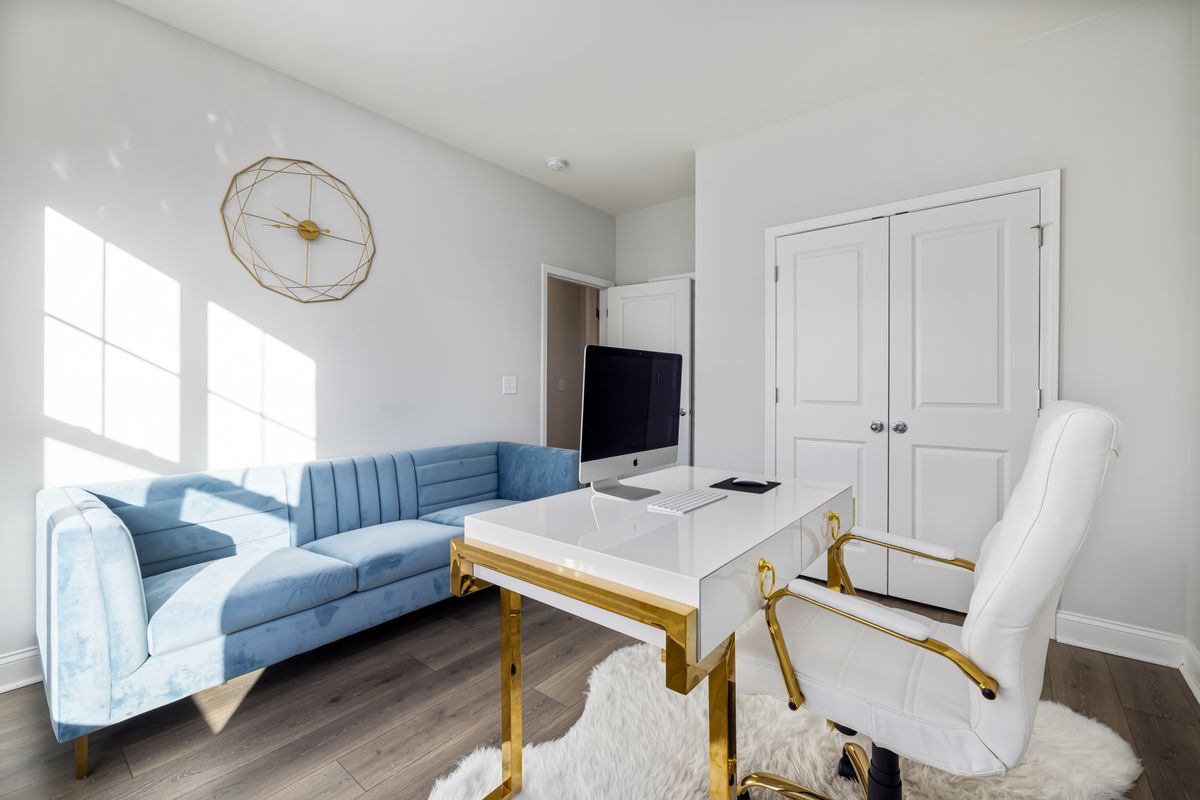
A desk in the living room needs to work during the day and when work finishes. Integrating it does not mean hiding it at any cost; it means giving it a comfortable position and a clear boundary.
Light, fabrics, colours and furniture that fit the way you use your home.
A desk in the living room needs to work during the day and when work finishes. Integrating it does not mean hiding it at any cost; it means giving it a comfortable position and a clear boundary.
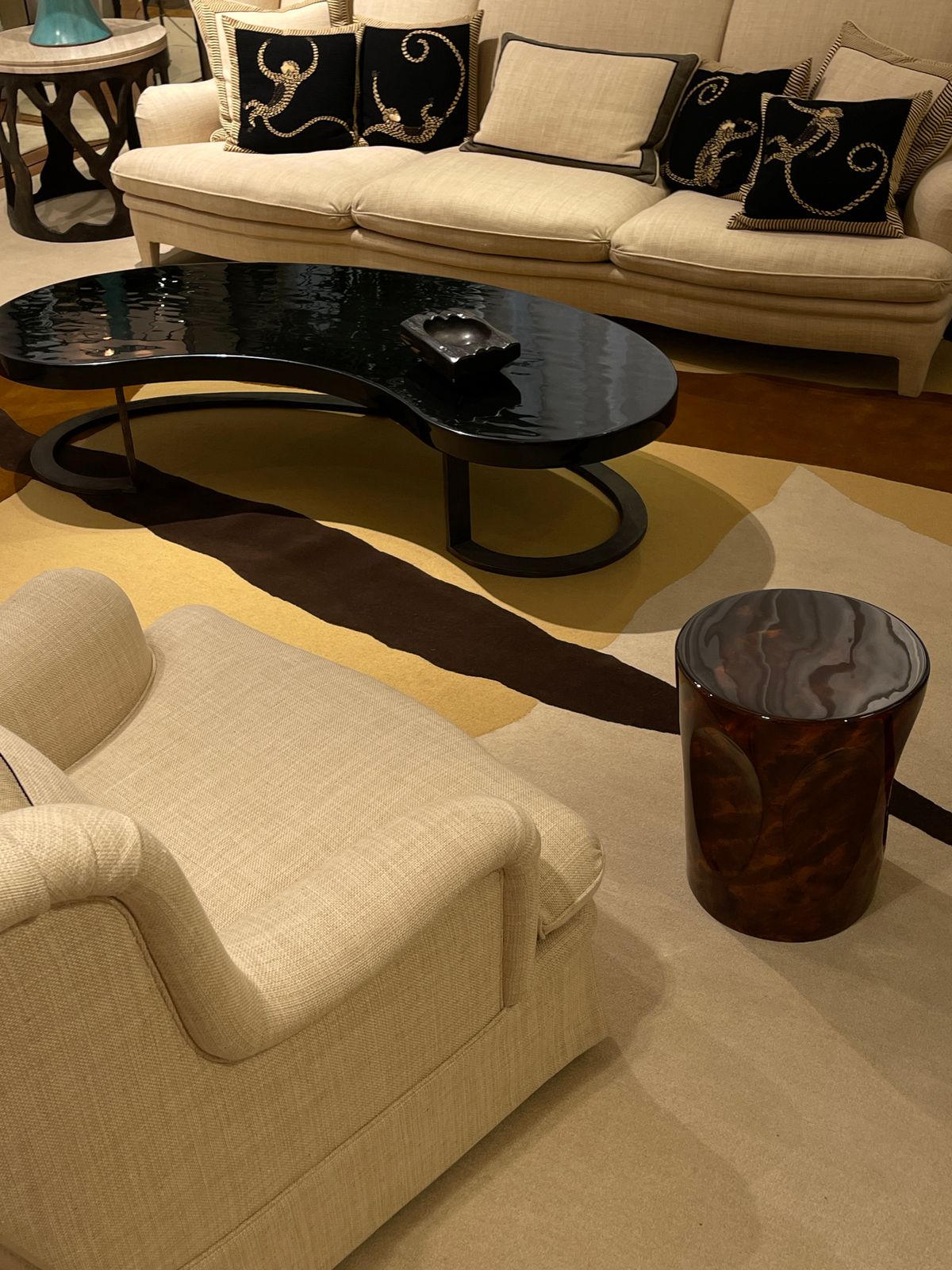
A black detail can define a light room without making it dark. Its effect depends on quantity, size and placement rather than repeating it across every object.
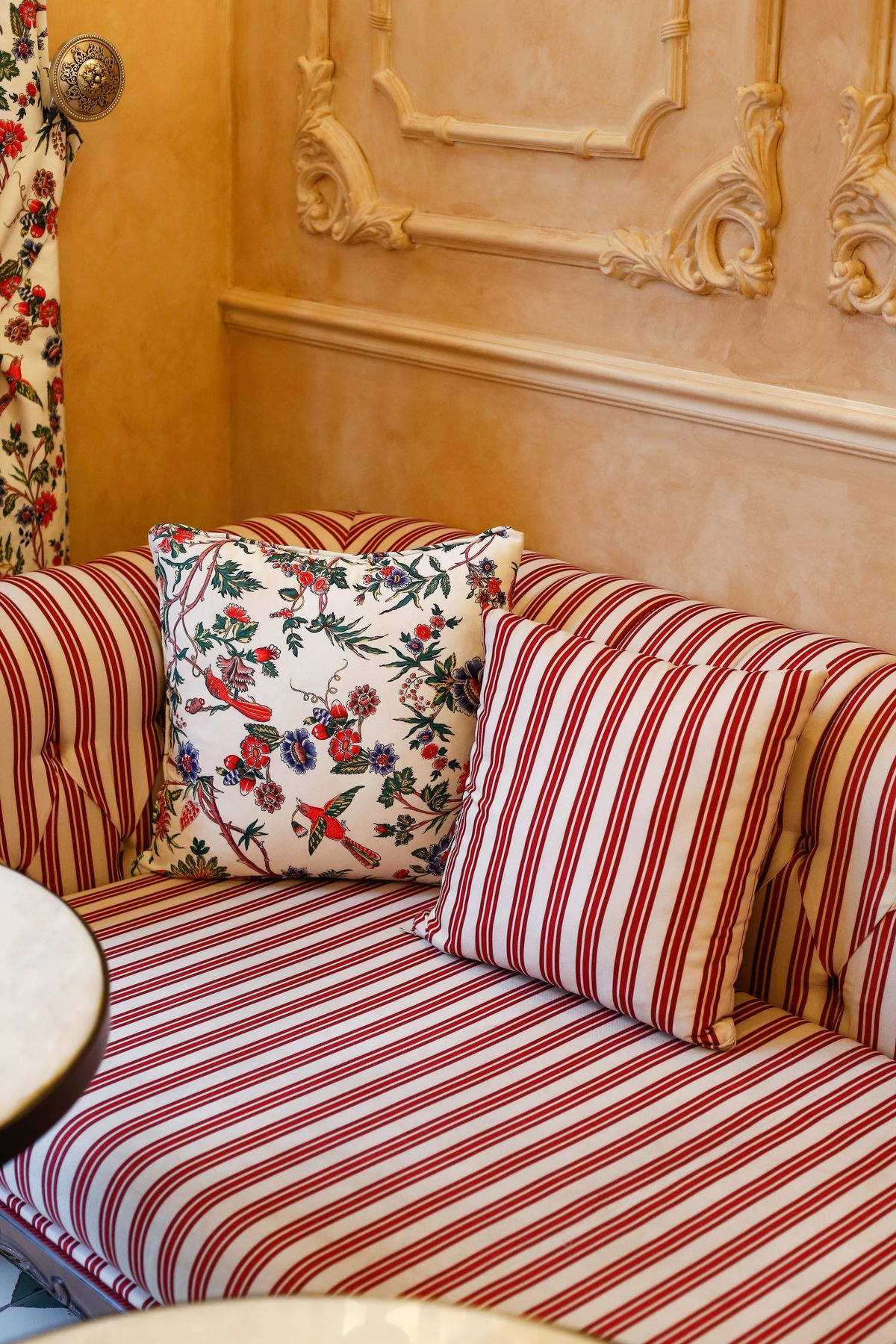
Mixing patterns becomes easier when they are not all trying to do the same job. One can lead, another can support it and a plain surface can give the eye somewhere to rest.
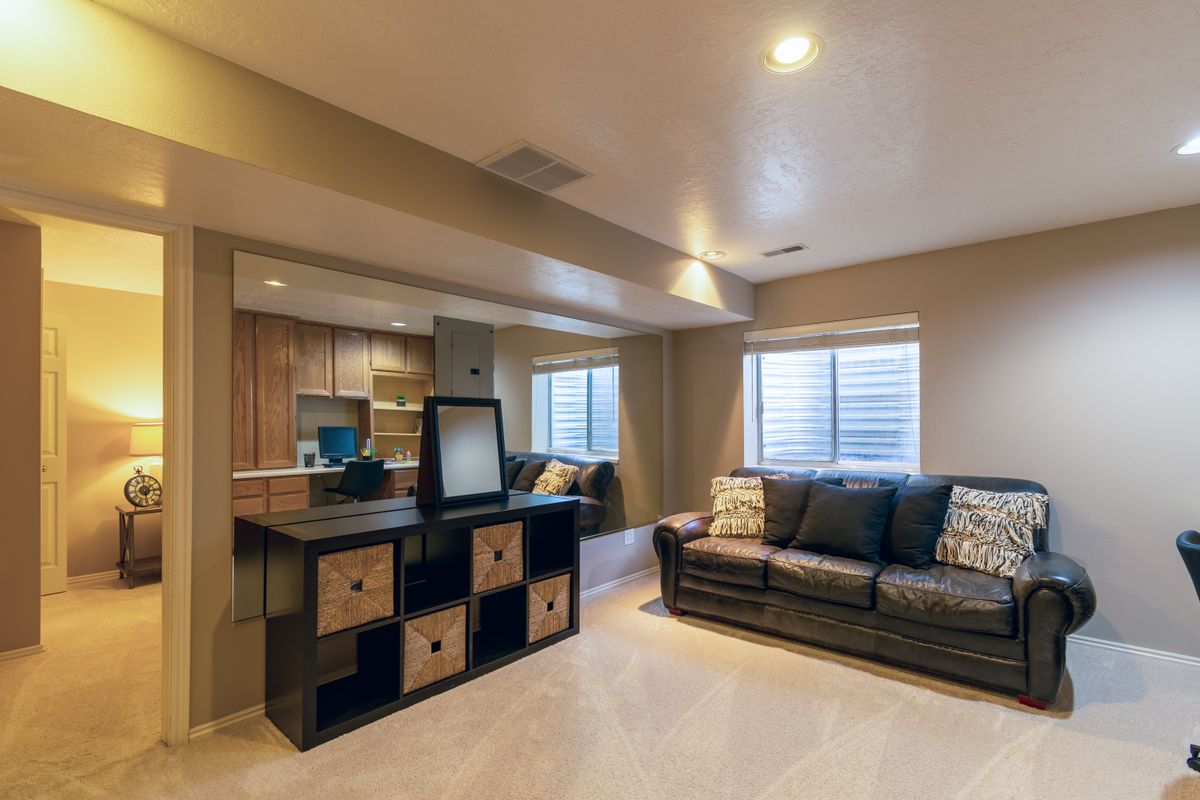
A low ceiling does not require an entirely white room or characterless furniture. Start by reducing real obstructions and deciding where you want attention to settle.
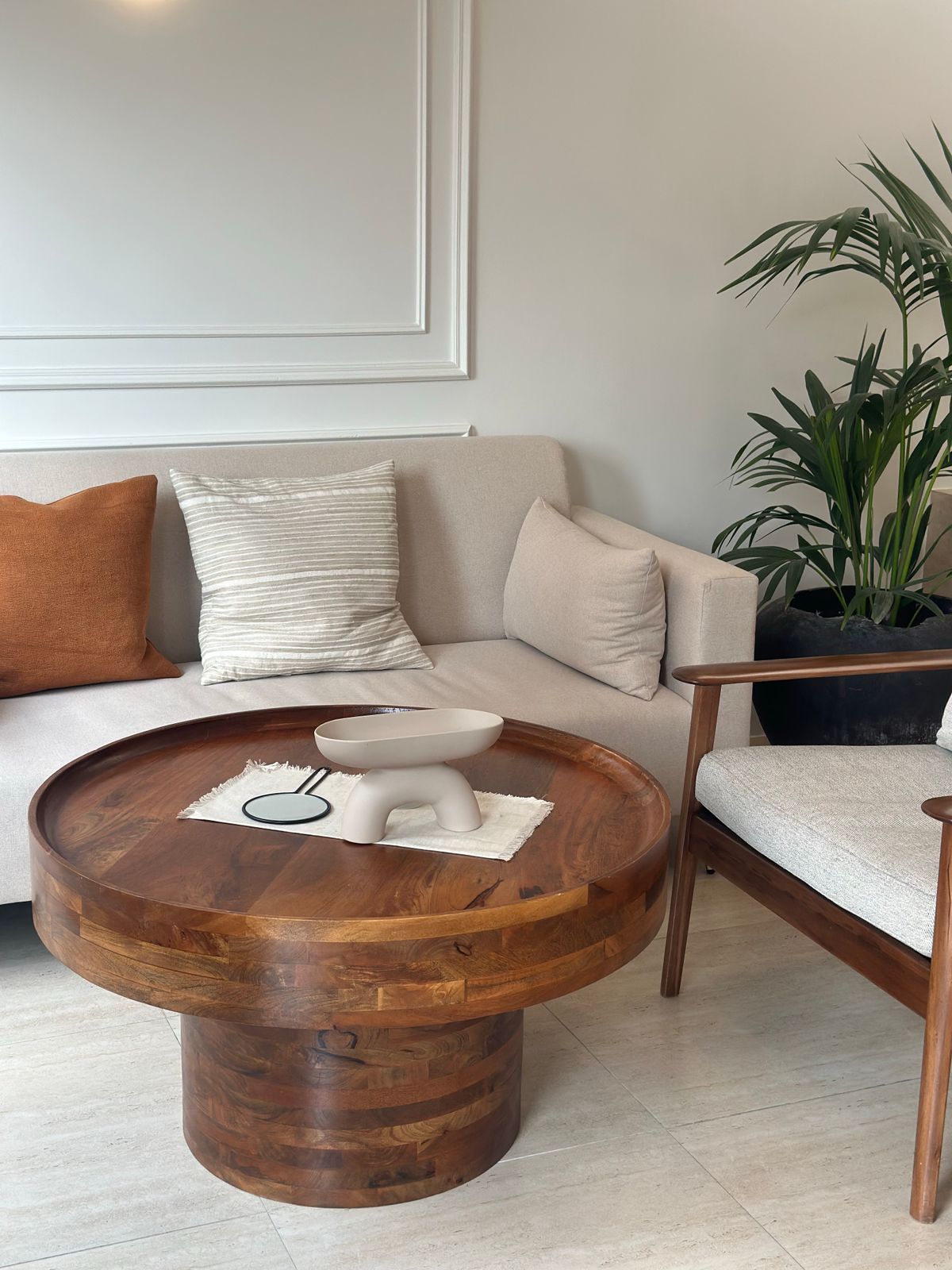
A coffee table sits at the centre of a busy area. If decoration prevents you putting down a cup, opening a book or approaching the sofa, start by giving the surface some space back.
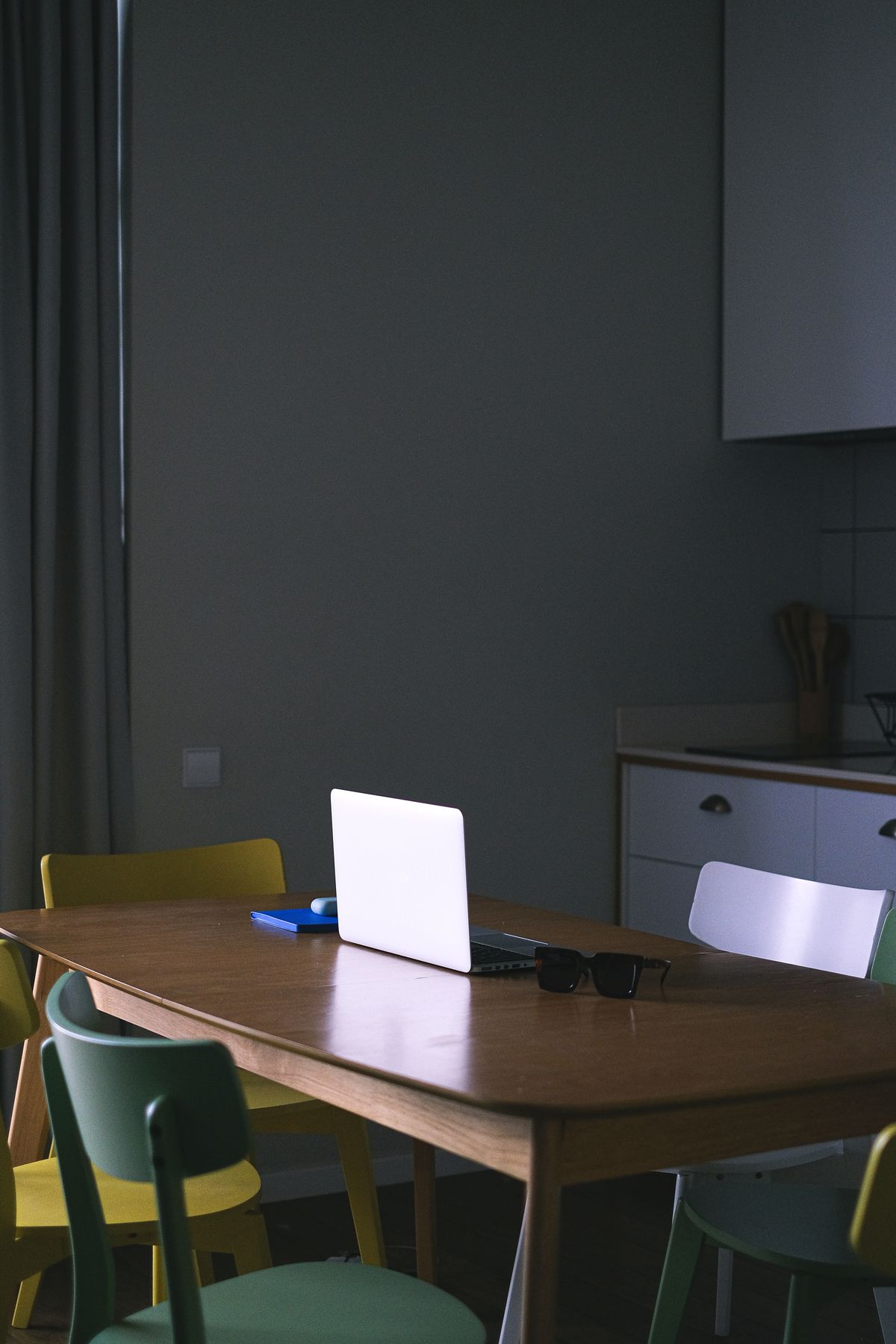
Different dining chairs can give a room character, provided they still work together around the table. Check their physical relationship first and think about colour afterwards.
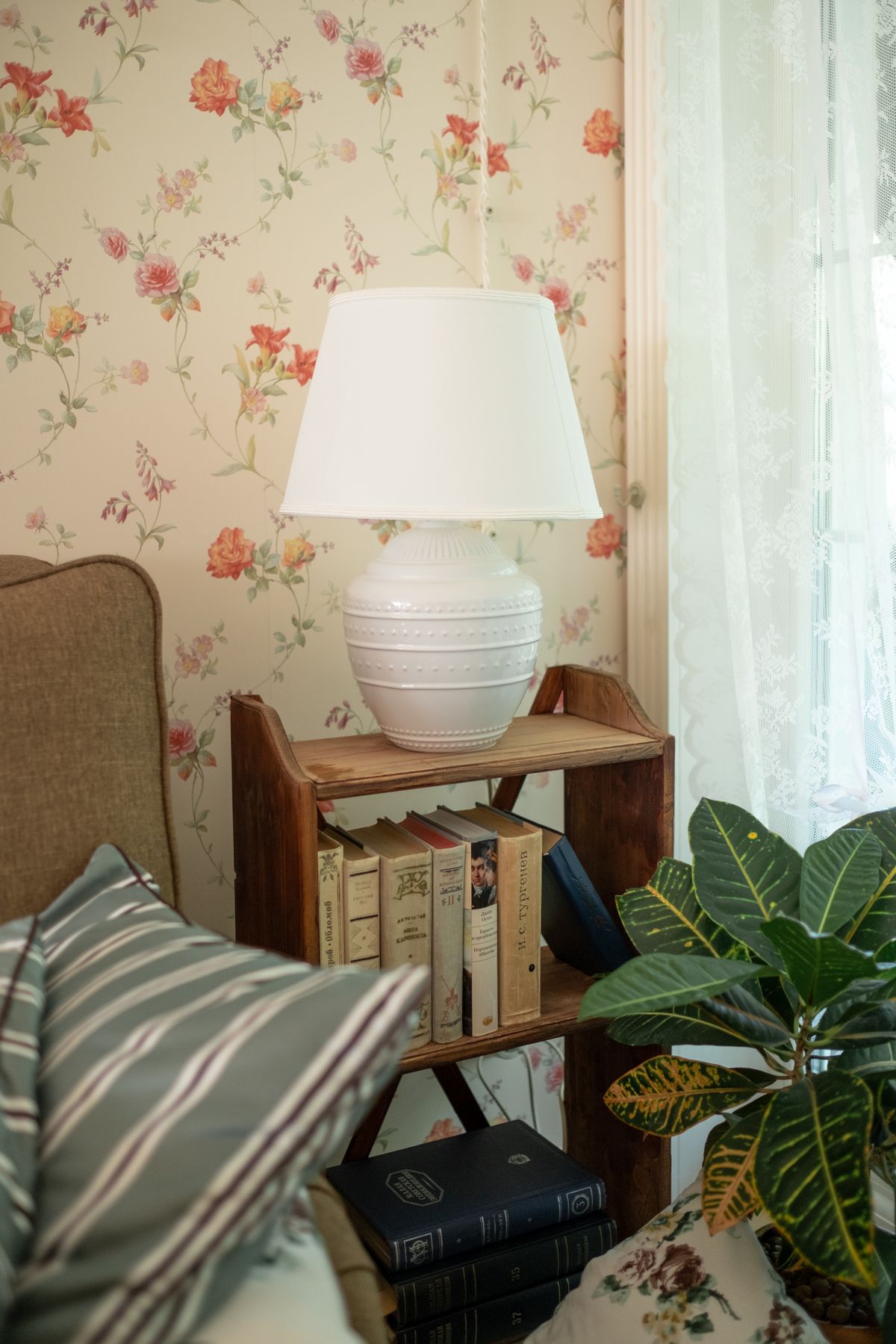
A small area lets you enjoy a distinctive wallpaper without covering the whole home. The pattern, edges and wall preparation still need a complete plan.
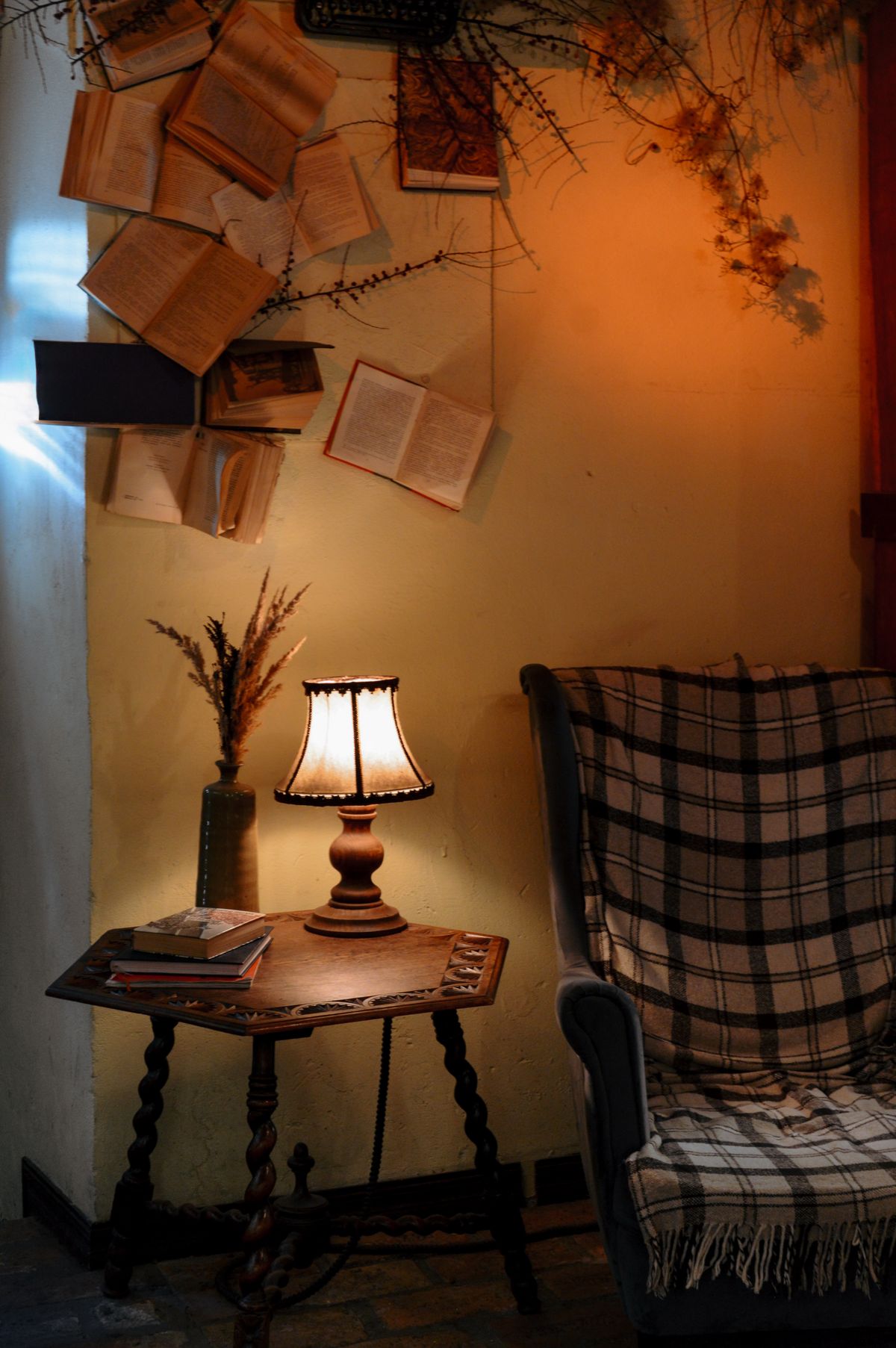
A reading corner works when you want to sit down and can comfortably stay. The chair matters, but so do lighting, foot support and somewhere to leave the book when you get up.

The area beside a window might support sitting, plants or occasional work. Before choosing a function, check how the window opens and what must remain clear around it.